Weight Loss: Cardio vs Strength Training
Cardio vs Strength Training: Which Is Better for Weight Loss? A Complete Guide
When it comes to losing weight, one of the most common questions people ask is:
"Should I do cardio or strength training?"
Some people spend hours running on a treadmill, believing cardio is the fastest way to lose weight. Others focus on lifting weights because they've heard muscle burns more calories.
The truth is that both cardio and strength training offer unique benefits, and the best choice depends on your goals, fitness level, and overall health.
Cardio burns more calories during exercise, while strength training helps preserve and build muscle, increases metabolism, and supports long-term fat loss. Rather than competing with each other, these two forms of exercise work best when combined.
In this comprehensive guide, you'll learn:
· What cardio and strength training are
· How each affects weight loss
· The benefits of both exercise types
· Which burns more calories
· Which is better for belly fat
· Which is better for beginners
· How to combine cardio and strength training for maximum results
What Is Cardio?
Cardio, also known as cardiovascular exercise or aerobic exercise, is any activity that raises your heart rate and breathing for an extended period.
During cardio, your heart, lungs, and muscles work together to deliver oxygen throughout the body, improving cardiovascular fitness and increasing calorie expenditure.
Cardio is one of the most effective ways to improve endurance and burn calories during exercise.· https://www.who.int
Types of Cardio Exercise
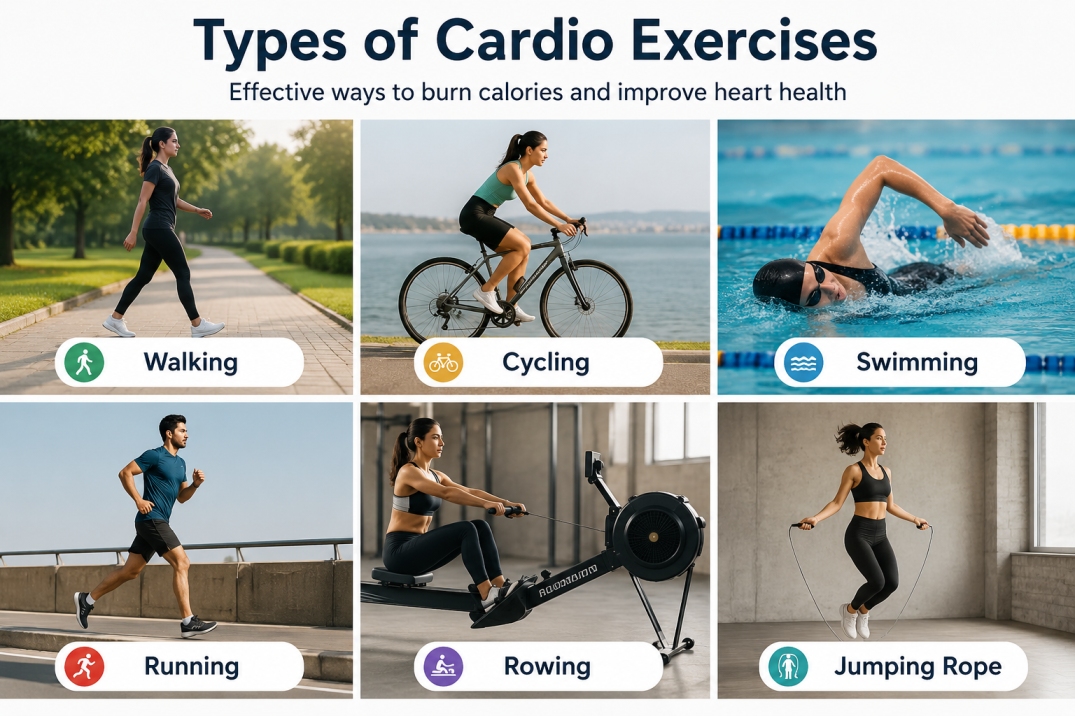
There are many forms of cardiovascular exercise suitable for different fitness levels.
Low-Impact Cardio
These exercises are gentle on the joints and ideal for beginners or individuals with joint pain.
Examples include:
· Walking
· Swimming
· Cycling
· Elliptical training
· Water aerobics
Moderate-Intensity Cardio
These activities raise the heart rate while allowing you to maintain a conversation.
Examples include:
· Brisk walking
· Hiking
· Dancing
· Recreational cycling
· Low-impact aerobic classes
Aim for 150–300 minutes per week of moderate-intensity cardio for overall health.
High-Intensity Cardio
High-intensity activities require greater effort and burn more calories in a shorter period.
Examples include:
· Running
· Sprint intervals
· Jump rope
· HIIT workouts
· Stair climbing
· Rowing
These workouts should be performed according to individual fitness levels.
Benefits of Cardio
Cardiovascular exercise offers numerous health benefits beyond weight loss.
1. Burns Calories
Cardio generally burns a significant number of calories during the workout, helping create the calorie deficit required for weight loss.
2. Improves Heart Health
Regular cardio strengthens the heart muscle and improves circulation.https://www.heart.org
Benefits include:
· Lower blood pressure
· Improved cholesterol levels
· Better blood flow
· Reduced risk of heart disease
3. Improves Lung Function
Cardio enhances the efficiency of the lungs, allowing the body to deliver oxygen more effectively during physical activity.
4. Increases Endurance
Regular aerobic exercise improves stamina, making everyday activities easier and allowing longer exercise sessions over time.
5. Helps Manage Blood Sugar
Cardio improves insulin sensitivity and helps regulate blood glucose levels, reducing the risk of Type 2 diabetes. https://wellorafit.com/services/doctor-consultations/
6. Supports Mental Health
Exercise stimulates the release of endorphins, which may help:
· Reduce stress
· Improve mood
· Reduce anxiety
· Enhance sleep quality
· Increase energy
What Is Strength Training?
Strength training, also called resistance training, involves exercises that make muscles work against resistance. https://www.acsm.org
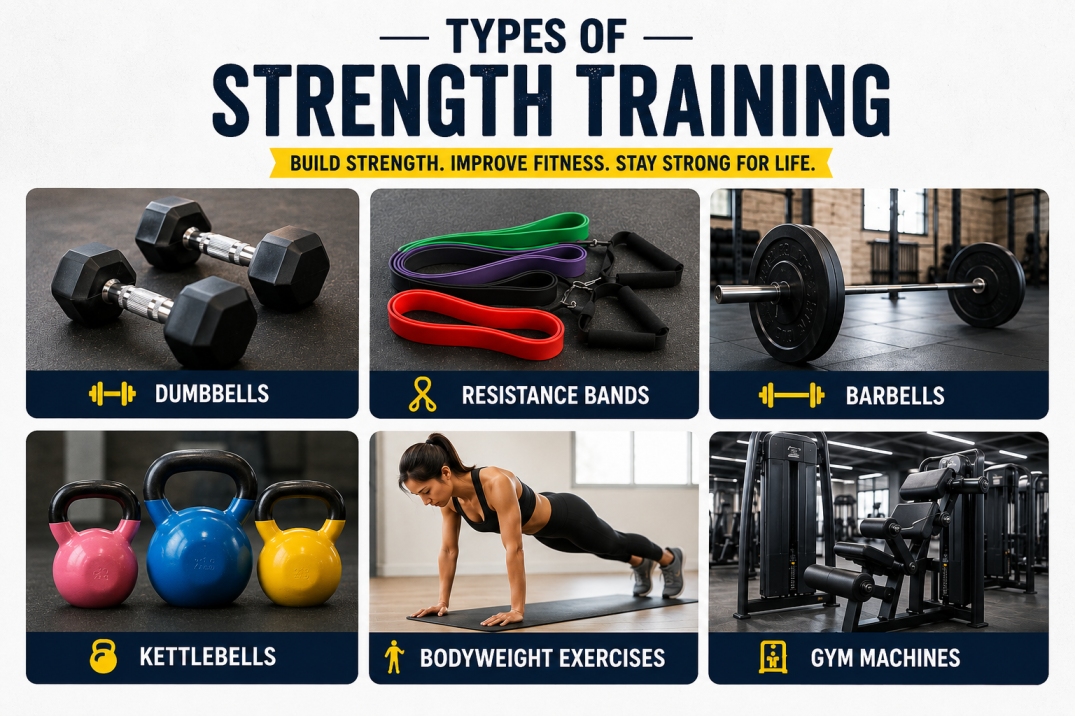
This resistance may come from:
· Dumbbells
· Barbells
· Resistance bands
· Weight machines
· Kettlebells
· Body weight
Strength training not only increases muscle strength but also supports healthy metabolism, bone health, and long-term fat loss.
Types of Strength Training
There are several ways to perform resistance training.
Bodyweight Training
Uses your own body weight as resistance.
Examples include:
· Push-ups
· Squats
· Lunges
· Planks
· Glute bridges
· Pull-ups
Ideal for beginners and home workouts.
Free Weights
Exercises performed using:
· Dumbbells
· Barbells
· Kettlebells
Free weights improve strength, coordination, and balance.
Resistance Bands
Elastic bands provide varying levels of resistance.
Benefits include:
· Portable
· Affordable
· Joint-friendly
· Suitable for all fitness levels
Weight Machines
Machines found in gyms help isolate specific muscle groups and are often easier for beginners to learn safely.
Benefits of Strength Training
Strength training offers numerous advantages beyond building muscle. https://wellorafit.com/services/fitness-training/
1. Builds Lean Muscle
Muscle tissue burns more calories than fat tissue, even while resting.
Increasing muscle mass helps improve body composition and supports long-term weight management.
2. Increases Resting Metabolism
Strength training increases resting metabolic rate by preserving and building lean muscle.
This means your body continues burning calories even after your workout.
3. Supports Fat Loss
While strength training may not burn as many calories during exercise as cardio, it helps reduce body fat over time by improving metabolism and preserving muscle during weight loss.
4. Improves Bone Health
Resistance exercises strengthen bones and reduce the risk of osteoporosis, especially as people age.
5. Enhances Functional Fitness
Building strength makes everyday activities easier, including:
· Climbing stairs
· Carrying groceries
· Lifting children
· Household chores
6. Improves Posture and Balance
Stronger muscles support better posture, reduce back pain, and improve stability, lowering the risk of falls and injuries.
How Cardio Burns Calories
Cardio primarily burns calories during the workout.
The number of calories burned depends on several factors, including:
· Exercise intensity
· Workout duration
· Body weight
· Fitness level
· Age
For example:
· Walking burns fewer calories than running.
· Running generally burns more calories per minute than cycling at a moderate pace.
· HIIT workouts can increase calorie expenditure in a shorter period.
Because cardio involves continuous movement, it is often the fastest way to create an immediate calorie deficit.
How Strength Training Burns Fat
Strength training supports fat loss in a different way.
Instead of focusing only on calories burned during the workout, it helps increase the body's long-term calorie-burning capacity.
Strength training promotes fat loss by:
· Building lean muscle mass
· Increasing resting metabolic rate
· Preserving muscle during weight loss
· Improving insulin sensitivity
· Increasing post-exercise calorie burn (afterburn effect)
· Supporting healthier body composition
Although the scale may not change rapidly, strength training often leads to reduced body fat, improved muscle definition, and a leaner physique over time.
Cardio vs Strength Training: Understanding the Difference
Both forms of exercise are valuable, but they serve different purposes.
Cardio vs Strength Training
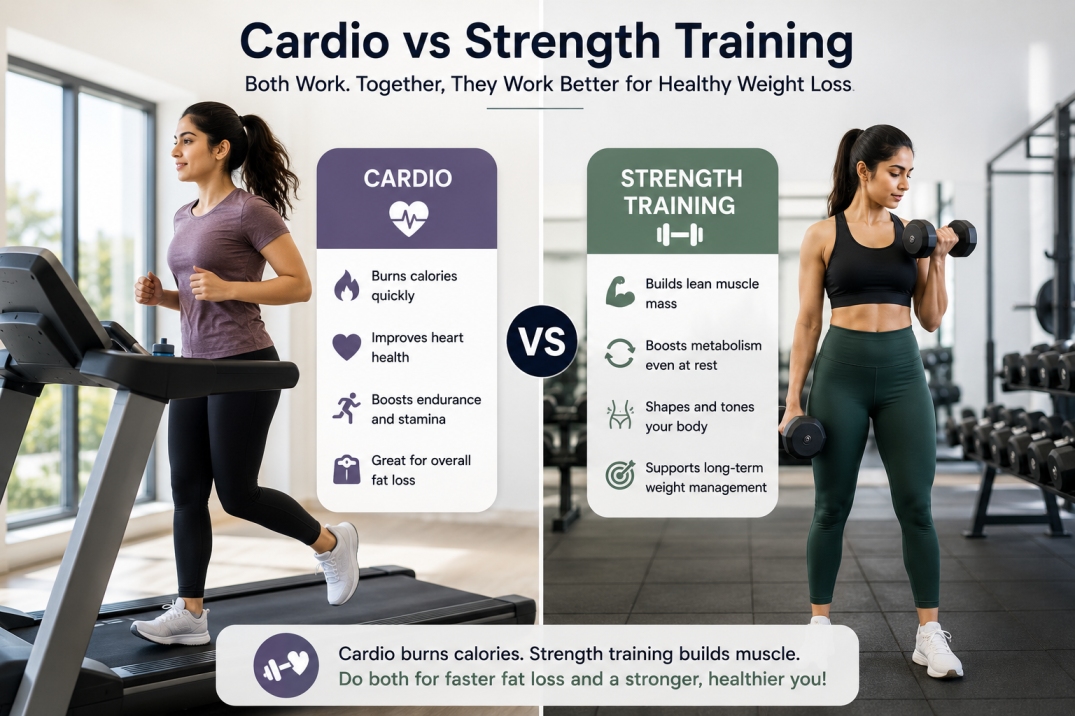
Cardio burns more calories during the workout, making it effective for creating an immediate calorie deficit. It improves heart and lung health, boosts endurance, and supports overall cardiovascular fitness. Regular cardio is also excellent for maintaining general fitness and stamina.
Strength training, on the other hand, helps build and preserve muscle mass. It increases your resting metabolism, meaning you continue to burn more calories even at rest. It improves strength, enhances bone density, and supports long-term fat loss by increasing lean muscle mass. Strength training is also highly effective for improving overall body composition by reducing body fat while maintaining or building muscle.
Both forms of exercise offer unique benefits, and combining cardio with strength training is often the most effective approach for sustainable weight loss, better fitness, and long-term health.
Rather than choosing one over the other, combining cardio and strength training often provides the greatest benefits for sustainable weight loss and overall health.
Cardio vs Strength Training: A Detailed Comparison
Both cardio and strength training are excellent forms of exercise, but they affect the body in different ways.
Understanding these differences can help you create a workout routine that supports your weight loss and overall health goals.
Cardio vs Strength Training: Which Is Better?
Cardio primarily focuses on improving cardiovascular fitness and burns more calories during exercise, making it a great choice for increasing endurance and supporting heart health. It also provides a slight boost to resting metabolism and is highly effective for creating an immediate calorie deficit. Cardio is beginner-friendly and plays an important role in long-term weight management.
Strength training is designed to build muscle and increase strength. While it burns fewer calories during the workout compared to cardio, it significantly boosts resting metabolism by increasing lean muscle mass. It is highly effective for long-term fat loss, improves bone density, and helps reshape body composition. Strength training is also suitable for beginners when performed with proper guidance and is considered one of the best forms of exercise for sustainable weight management.
Rather than choosing one over the other, combining cardio and strength training provides the greatest overall benefits. This balanced approach supports heart health, builds muscle, improves endurance, enhances metabolism, promotes fat loss, and helps maintain a healthy weight over the long term.
Both types of exercise contribute to healthy weight loss, but they do so through different mechanisms.https://wellorafit.com/services/fitness-training/
Which Burns More Calories?
One of the biggest differences between cardio and strength training is the number of calories burned during the workout.
Generally, cardio burns more calories per session because it involves continuous movement that keeps the heart rate elevated.
Approximate Calories Burned in 30 Minutes*
Estimated Calories Burned in 30 Minutes
Brisk Walking: Burns 120–180 calories and is great for beginners.
Cycling: Burns 200–350 calories while improving fitness.
Swimming: Burns 200–350 calories and provides a full-body workout.
Running: Burns 300–500 calories, making it one of the highest calorie-burning exercises.
HIIT: Burns 250–450 calories and is highly effective for fat loss.
Strength Training: Burns 150–300 calories while building muscle and boosting metabolism.
*Calories vary depending on body weight, age, intensity, and fitness level.
If your goal is to burn the maximum number of calories during a single workout, cardio generally has the advantage.
Which Builds More Muscle?
When it comes to building muscle, strength training is the clear winner.
Resistance exercises stimulate muscle fibers, causing them to repair and grow stronger after each workout.
Benefits include:
· Increased lean muscle mass
· Greater strength
· Better posture
· Improved balance
· Enhanced physical performance
Cardio improves endurance but contributes very little to muscle growth.
Which Is Better for Fat Loss?
Many people confuse weight loss with fat loss.
Weight loss includes losing:
· Fat
· Water
· Muscle
Fat loss focuses on reducing body fat while preserving lean muscle.
Strength training is particularly valuable because it helps preserve muscle while losing fat.
Cardio creates a calorie deficit, while strength training helps maintain metabolism and muscle mass.
The most effective fat-loss plan combines both.
Which Exercise Is Better for Belly Fat?
One of the biggest myths is that certain exercises can target belly fat.
In reality, spot reduction is not possible.
You cannot choose where your body loses fat first.
Reducing belly fat requires lowering overall body fat through:
· Healthy nutrition
· Regular exercise
· Adequate sleep
· Stress management
· Consistent calorie deficit
How Cardio Helps
Cardio:
· Burns calories
· Supports overall fat loss
· Improves heart health
· Increases daily energy expenditure
How Strength Training Helps
Strength training:
· Preserves lean muscle
· Increases resting metabolism
· Improves body composition
· Supports long-term fat loss
Combining both forms of exercise is the most effective strategy for reducing abdominal fat over time.
Which Is Better for Beginners?
Both cardio and strength training are suitable for beginners.
The best choice depends on individual goals, health status, and preferences.
Cardio for Beginners
Good beginner options include:
· Walking
· Cycling
· Swimming
· Elliptical training
These activities are easy to learn and can be adjusted to different fitness levels.
Strength Training for Beginners
Beginners should focus on learning proper technique before increasing resistance.
Good starting exercises include:
· Bodyweight squats
· Wall push-ups
· Glute bridges
· Resistance band rows
· Step-ups
· Dumbbell shoulder press
Learning correct form reduces injury risk and improves long-term progress.
Which Is Better for Long-Term Weight Loss?
Although cardio burns more calories during exercise, strength training offers important long-term advantages.
Strength training helps:
· Preserve muscle during weight loss
· Increase resting metabolism
· Improve insulin sensitivity
· Reduce age-related muscle loss
· Maintain healthy body composition
Cardio supports calorie burning and cardiovascular fitness, while strength training helps prevent the metabolic slowdown that often occurs during dieting.
For sustainable weight management, combining both provides the greatest benefits.
Weekly Exercise Recommendations
Health experts recommend combining cardiovascular exercise with resistance training.
Cardio
Aim for:
· 150–300 minutes of moderate-intensity cardio per week
OR
· 75–150 minutes of vigorous-intensity cardio per week
Examples:
· Brisk walking
· Cycling
· Swimming
· Jogging
· Dancing
Strength Training
Perform resistance training at least 2–3 days per week.
Target all major muscle groups:
· Chest
· Back
· Shoulders
· Arms
· Core
· Legs
· Glutes
Allow at least one day of recovery between training the same muscle group.
Cardio vs Strength Training for Different Goals
Goal: Lose Weight Quickly
Best Choice:
✔ Cardio + Calorie-Controlled Diet
Goal: Lose Body Fat
Best Choice:
✔ Strength Training + Moderate Cardio
Goal: Build Muscle
Best Choice:
✔ Strength Training
Goal: Improve Heart Health
Best Choice:
✔ Cardio
Goal: Improve Overall Fitness
Best Choice:
✔ Combination of Cardio and Strength Training
Goal: Healthy Aging
Best Choice:
✔ Strength Training + Walking + Flexibility Exercises
Which Should You Do First?
If you're combining both in the same workout, the order depends on your primary goal.
If Your Goal Is Fat Loss
Start with:
✔ Strength Training
Follow with:
✔ 15–30 minutes of moderate cardio
This approach helps maintain workout intensity during resistance training while still increasing total calorie expenditure.
If Your Goal Is Endurance
Perform cardio first, followed by strength training if desired.
If Time Is Limited
Alternate workout days:
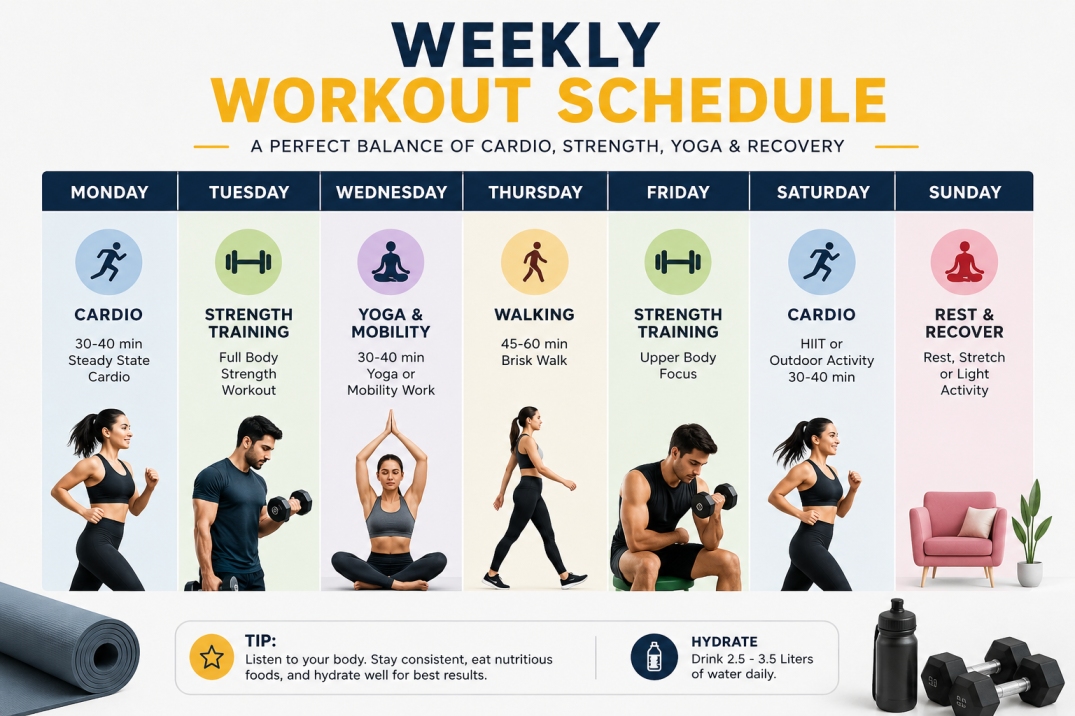
Monday: Strength Training
Tuesday: Cardio
Wednesday: Strength Training
Thursday: Walking
Friday: Strength Training
Saturday: Cycling or Swimming
Sunday: Rest or Stretching
This schedule provides balanced fitness benefits while allowing adequate recovery.
Should You Combine Cardio and Strength Training?
The simple answer is yes.
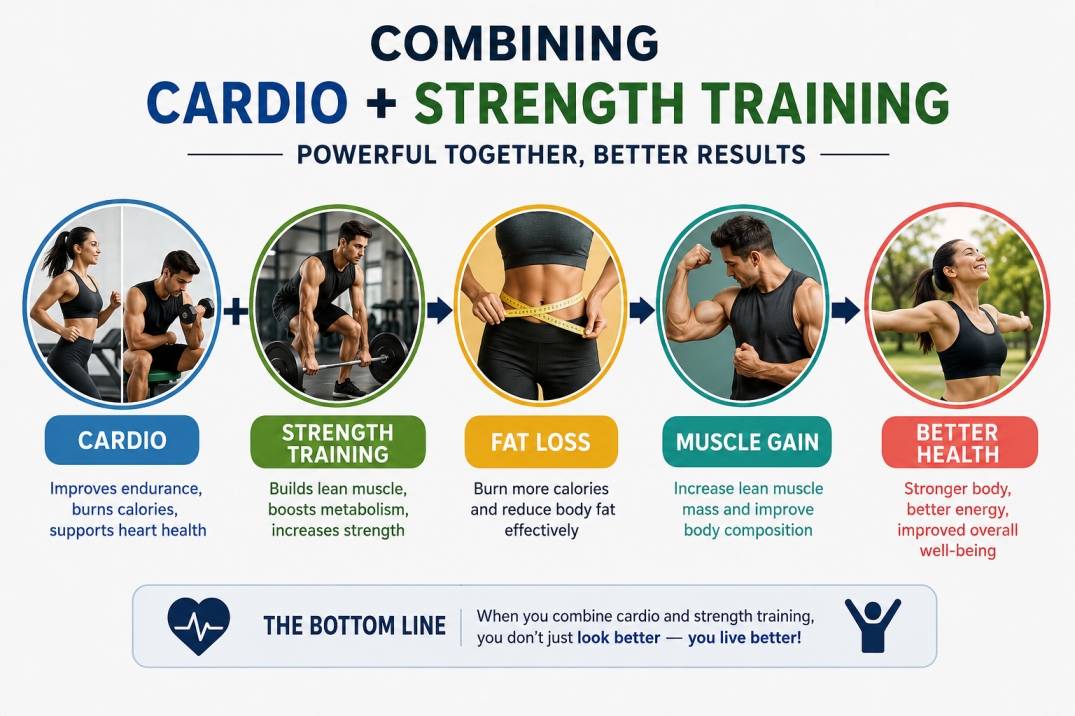
For most people, combining both cardio and strength training provides the greatest health and weight loss benefits. Rather than choosing one over the other, using both types of exercise creates a balanced fitness routine that supports fat loss, muscle preservation, heart health, and overall well-being.
Cardio helps burn calories during exercise, while strength training builds lean muscle and increases the number of calories your body burns at rest.
Together they help you:
· Burn more calories
· Lose body fat
· Preserve lean muscle
· Improve metabolism
· Increase strength
· Improve endurance
· Reduce the risk of chronic diseases
· Maintain long-term weight loss
For sustainable results, a combination of both is often more effective than relying on only one type of exercise.
Benefits of Combining Cardio and Strength Training
1. Greater Fat Loss
Cardio helps create a calorie deficit by increasing energy expenditure.
Strength training helps preserve muscle while your body loses fat.
This combination results in better body composition compared with cardio alone.
2. Higher Resting Metabolism
Strength training increases lean muscle mass.
Since muscle burns more calories than fat, increasing muscle helps raise your resting metabolic rate.
This means your body continues burning calories even after your workout has ended.
3. Better Heart Health
Cardio strengthens the heart and lungs by improving cardiovascular endurance.
Benefits include:
· Lower blood pressure
· Better circulation
· Improved cholesterol levels
· Reduced heart disease risk
Adding strength training further supports cardiovascular health by improving body composition and blood sugar control.
4. Improved Functional Fitness
Combining both exercise types improves:
· Strength
· Balance
· Flexibility
· Coordination
· Mobility
These improvements make everyday activities easier and reduce the risk of falls and injuries.
5. Better Weight Maintenance
Many people regain weight after dieting because they lose muscle along with fat.
Strength training helps preserve lean muscle, making long-term weight maintenance easier.
Cardio supports ongoing calorie expenditure and cardiovascular fitness.
Best Weekly Workout Schedule
The ideal workout routine depends on your fitness level and goals.
Beginner
Monday
30-minute Brisk Walk
Tuesday
Full-Body Strength Training
Wednesday
Rest or Gentle Stretching
Thursday
30-minute Walk or Cycling
Friday
Full-Body Strength Training
Saturday
Yoga or Swimming
Sunday
Rest
Intermediate
Monday
Upper Body Strength + 20-minute Walk
Tuesday
Cycling or Jogging
Wednesday
Lower Body Strength
Thursday
Brisk Walk or Swimming
Friday
Full-Body Strength Training
Saturday
HIIT or Sports Activity
Sunday
Recovery Walk and Stretching
Advanced
Alternate strength training and cardio while allowing adequate recovery for muscle groups.
Include:
· 3–4 strength sessions weekly
· 3–5 cardio sessions weekly
· 1–2 recovery days
Recovery is essential for muscle repair and long-term progress.
Nutrition for Cardio and Strength Training
Exercise alone cannot compensate for poor eating habits.
Nutrition provides the energy needed for workouts and supports recovery afterward.
Protein
Protein is essential for preserving and building muscle.
Good sources include:
· Eggs
· Chicken
· Fish
· Paneer
· Greek yogurt
· Tofu
· Lentils
· Chickpeas
· Kidney beans
· Soy products
Aim to include protein with every meal.
Healthy Carbohydrates
Carbohydrates are the body's preferred source of energy during exercise.
Choose:
· Oats
· Brown rice
· Quinoa
· Whole wheat
· Millets
· Sweet potatoes
· Fruits
· Vegetables
Complex carbohydrates provide longer-lasting energy than refined carbohydrates.
Healthy Fats
Healthy fats support hormone production and overall health.
Examples include:
· Almonds
· Walnuts
· Pistachios
· Olive oil
· Avocados
· Chia seeds
· Flaxseeds
· Fatty fish
Consume in moderation because fats are calorie-dense.
Hydration
Proper hydration improves exercise performance and recovery.
General recommendations:
· Drink 2–3 liters of water daily
· Drink water before, during, and after exercise
· Replace fluids lost through sweating
Recovery Matters
Recovery is often overlooked but is just as important as exercise itself.
During recovery, muscles repair, strengthen, and adapt to training.
Without adequate recovery, progress slows and injury risk increases.
Recovery Tips
· Sleep 7–9 hours each night.
· Drink enough water.
· Eat enough protein.
· Include rest days.
· Stretch after workouts.
· Avoid training the same muscle group on consecutive days.
· Manage stress effectively.
Recovery supports both muscle growth and long-term fat loss.
Common Exercise Mistakes
Many people work hard but fail to see results because of common mistakes.
1. Doing Only Cardio
Cardio alone may lead to muscle loss if strength training is neglected.
Including resistance exercises helps preserve muscle and improve metabolism.
2. Skipping Strength Training
Many people—especially beginners—avoid lifting weights due to fear of becoming "too bulky."
In reality, strength training helps create a lean, toned physique while improving overall health.
3. Not Progressively Challenging the Body
Performing the same workout every week can lead to a plateau.
Gradually increase:
· Resistance
· Repetitions
· Sets
· Workout intensity
This principle is known as progressive overload.
4. Ignoring Nutrition
Exercise without healthy eating often limits weight-loss success.
A balanced diet rich in protein, fiber, fruits, vegetables, and whole grains supports both performance and recovery.
5. Not Allowing Recovery
Exercising every day without adequate rest can lead to:
· Fatigue
· Poor performance
· Increased injury risk
· Muscle soreness
· Burnout
Recovery is essential for long-term success.
6. Expecting Quick Results
Healthy fat loss takes time.
Aim for gradual progress rather than rapid weight loss.
Consistency produces better long-term outcomes than extreme workout programs.
Practical Fat Loss Tips
For the best results:
· Combine cardio and strength training.
· Stay physically active every day.
· Prioritize protein at every meal.
· Eat plenty of vegetables.
· Drink enough water.
· Sleep 7–9 hours.
· Manage stress.
· Increase daily step count.
· Track progress beyond the scale.
· Stay consistent.
Remember that building healthy habits is more important than following short-term fitness trends.
Sample Weekly Workout Plan
Sample Weekly Workout Plan
Monday: Full-body strength training followed by a 20-minute walk.
Tuesday: 45 minutes of brisk walking or cycling.
Wednesday: Upper body strength training with core exercises.
Thursday: Swimming, jogging, or a yoga session.
Friday: Lower body strength training.
Saturday: HIIT workout or outdoor sports, followed by stretching.
Sunday: Active recovery with walking, mobility exercises, or yoga.
This balanced routine supports:
· Fat loss
· Muscle preservation
· Cardiovascular fitness
· Bone health
· Long-term weight management
Aim to progress gradually by increasing workout intensity, duration, or resistance as your fitness improves.
Cardio or Strength Training: Which Should You Choose?
One of the biggest questions people ask when starting a fitness journey is whether cardio or strength training is better for weight loss.
The answer depends on your goals—but for most people, the best approach is to combine both.
Cardio helps burn calories during exercise and improves heart health, while strength training builds lean muscle, boosts metabolism, and supports long-term fat loss.
Rather than choosing one over the other, think of them as complementary forms of exercise that work together to improve your overall health.
Choose Cardio If Your Goal Is:
· Improve heart health
· Increase endurance
· Burn calories during workouts
· Prepare for events like marathons or cycling
· Reduce stress through aerobic activity
Choose Strength Training If Your Goal Is:
· Build lean muscle
· Increase strength
· Improve posture
· Boost metabolism
· Improve bone health
· Maintain muscle during weight loss
Choose Both If Your Goal Is:
· Lose body fat
· Improve body composition
· Maintain long-term weight loss
· Increase fitness
· Improve overall health
· Reduce chronic disease risk
For most adults, combining cardio with resistance training provides the greatest health benefits.
Who Benefits Most from Cardio?
Cardio is especially helpful for:
· Beginners starting a fitness routine
· Individuals with obesity
· People looking to improve cardiovascular fitness
· Individuals with high blood pressure (after medical clearance)
· People with high cholesterol
· Anyone wanting to increase daily calorie expenditure
Examples include:
· Walking
· Cycling
· Swimming
· Dancing
· Jogging
· Hiking
Who Benefits Most from Strength Training?
Strength training is particularly beneficial for:
· Adults over 30
· Older adults
· Individuals trying to lose body fat
· Women after menopause
· People with prediabetes
· Individuals wanting to improve muscle tone
· Athletes
· People recovering from weight loss
Strength training also helps reduce the natural loss of muscle mass that occurs with aging.
How to Balance Cardio and Strength Training
A balanced weekly routine may include:
Cardio
· 150–300 minutes of moderate-intensity cardio each week
OR
· 75–150 minutes of vigorous-intensity cardio
Examples:
· Brisk walking
· Cycling
· Swimming
· Running
· HIIT
Strength Training
Perform 2–4 sessions per week, targeting all major muscle groups:
· Chest
· Back
· Shoulders
· Arms
· Core
· Legs
· Glutes
Allow at least 48 hours of recovery before training the same muscle group again.
Long-Term Success Tips
Healthy weight management is not about doing the "perfect" workout.
Consistency matters far more than intensity.
Focus on building habits you can maintain for years.
Healthy Habits Include
· Exercise regularly.
· Walk daily.
· Lift weights consistently.
· Eat balanced meals.
· Stay hydrated.
· Prioritize protein.
· Sleep 7–9 hours.
· Manage stress.
· Take recovery days.
· Stay patient.
Small improvements practiced consistently lead to lasting results.
Key Takeaways
· Cardio and strength training both support healthy weight loss.
· Cardio burns more calories during exercise.
· Strength training increases muscle mass and boosts resting metabolism.
· Combining both exercises provides the greatest long-term benefits.
· Strength training helps preserve lean muscle during weight loss.
· Cardio improves heart health, endurance, and calorie expenditure.
· A balanced diet, quality sleep, and consistency are essential for success.
· Sustainable lifestyle habits produce better long-term results than extreme workout routines.
Conclusion
There is no single "best" exercise for everyone. The ideal workout program depends on your health, fitness level, and personal goals.
If your goal is immediate calorie burning, cardio is highly effective. If your goal is building muscle, improving metabolism, and maintaining long-term weight loss, strength training is essential.
The most effective fitness plan combines both forms of exercise along with healthy eating, adequate sleep, hydration, and stress management.
Remember that successful weight loss is not about choosing cardio or strength training—it is about creating a sustainable lifestyle that includes both.
By staying consistent and making gradual progress, you can improve your fitness, reduce body fat, build strength, and enjoy better overall health.
FAQ Schema
1. Which is better for weight loss: cardio or strength training?
Both are beneficial. Cardio burns more calories during exercise, while strength training builds muscle, boosts metabolism, and supports long-term fat loss. A combination of both is ideal.
2. Does lifting weights burn fat?
Yes. Strength training helps reduce body fat by increasing muscle mass, improving metabolism, and preserving lean tissue during weight loss.
3. Is cardio necessary for weight loss?
Cardio is helpful but not essential. Weight loss primarily depends on maintaining a calorie deficit. Strength training combined with proper nutrition can also be highly effective.
4. Can strength training replace cardio?
Strength training provides many health benefits, but cardio is still important for heart health, endurance, and cardiovascular fitness. Ideally, include both.
5. Which burns more calories?
Cardio generally burns more calories during the workout, while strength training increases calorie burning after exercise by building lean muscle.
6. Should beginners do cardio or strength training?
Beginners should include both. Walking and basic bodyweight exercises provide an excellent starting point.
7. Is strength training good for women?
Absolutely. Strength training improves muscle tone, bone density, metabolism, and overall health without causing excessive muscle bulk.
8. How many days a week should I do strength training?
Aim for 2–4 sessions per week, allowing recovery between training the same muscle groups.
9. Can cardio help reduce belly fat?
Cardio contributes to overall fat loss, including belly fat, when combined with healthy eating and strength training. Spot reduction is not possible.
10. What is the best workout for long-term fat loss?
A balanced routine that includes strength training, cardio, healthy nutrition, quality sleep, and consistency provides the best long-term results.
Ready to Begin Your Health Journey?
Get a personalized, medically guided plan built around your unique biology.