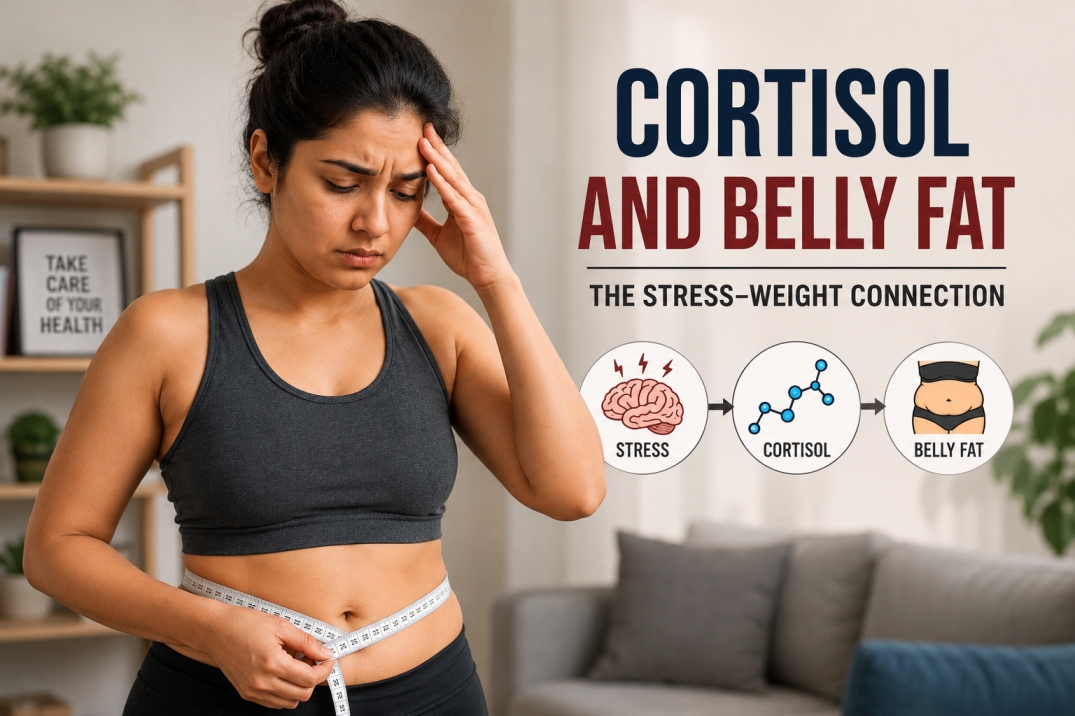
Cortisol and Belly Fat: Does Stress Cause Weight Gain?
Cortisol and Belly Fat: Does Stress Really Cause Weight Gain?
Have you ever noticed that during stressful periods of life, your waistline seems to grow even if your eating habits haven't changed much? Many people believe that "high cortisol" is the main reason for stubborn belly fat. While there's some truth to this idea, the relationship between cortisol and abdominal fat is more complex than many social media posts suggest.
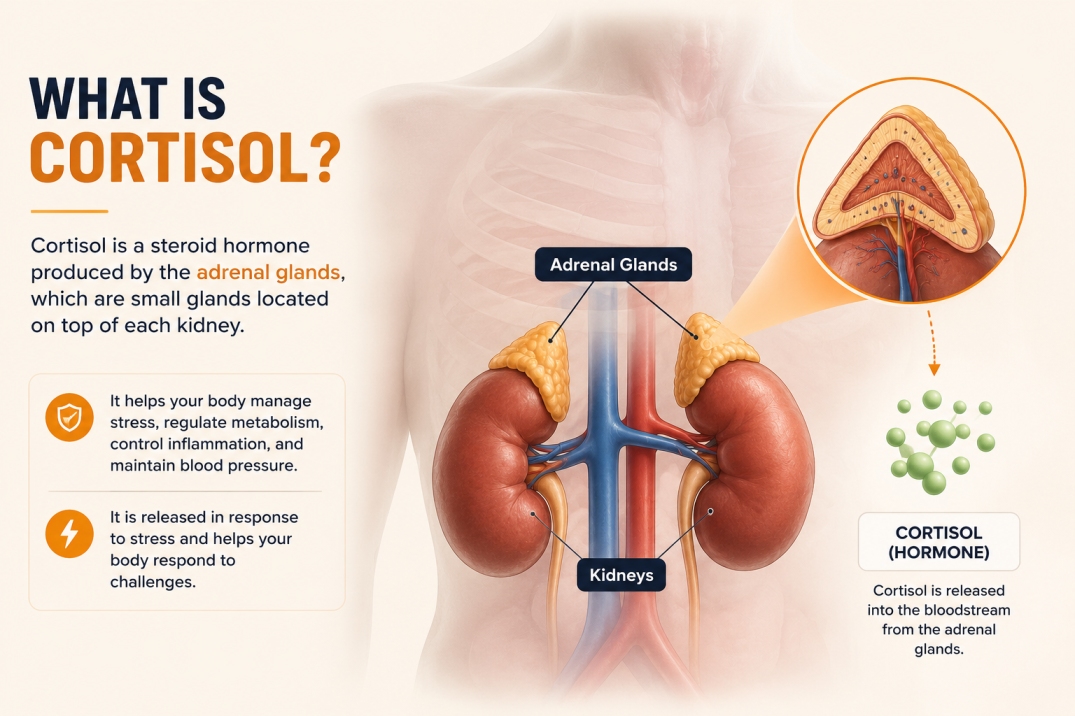
Cortisol is a hormone naturally produced by your adrenal glands. Often called the "stress hormone," cortisol helps your body respond to physical and emotional stress. It also plays an essential role in regulating metabolism, blood sugar, blood pressure, inflammation, immune function, and your sleep-wake cycle.
In short bursts, cortisol is beneficial and necessary for survival. It provides your body with the energy needed to handle stressful situations. However, when stress becomes chronic and cortisol remains elevated for weeks or months, it can begin affecting your appetite, food cravings, sleep quality, exercise recovery, and fat distribution.
Research suggests that long-term stress may contribute to increased abdominal fat by encouraging overeating, emotional eating, insulin resistance, and reduced muscle mass. These combined effects can make losing weight much more difficult, especially around the waist.
The good news is that you don't need expensive supplements or "cortisol detox" products to improve your cortisol levels. Healthy lifestyle habits such as regular exercise, quality sleep, balanced nutrition, and effective stress management can help support your body's natural hormonal balance.
In this comprehensive guide, you'll learn what cortisol is, how it affects belly fat, signs of high cortisol, the health risks of chronic stress, and practical strategies to naturally support healthy cortisol levels and long-term weight management. https://www.who.int
What Is Cortisol?
Cortisol is a steroid hormone produced by the adrenal glands, which sit on top of your kidneys. Its production is controlled by the Hypothalamic-Pituitary-Adrenal (HPA) Axis, one of the body's most important hormone regulation systems.
Although cortisol is widely known as the stress hormone, it performs many essential functions that keep your body healthy every day.
Some of cortisol's primary roles include:
Regulating metabolism
Maintaining healthy blood sugar levels
Supporting blood pressure regulation
Controlling inflammation
Helping the immune system respond appropriately
Providing energy during fasting or illness
Supporting the body's response to physical and emotional stress
Maintaining the body's natural sleep-wake rhythm
Without cortisol, your body would struggle to respond to infections, injuries, exercise, or stressful situations.
Contrary to popular belief, cortisol itself is not harmful. In fact, it is absolutely necessary for survival. Problems usually develop only when cortisol remains elevated for prolonged periods because of chronic stress, sleep deprivation, illness, or certain medical conditions.
|https://www.nih.gov
How Cortisol Works in the Body
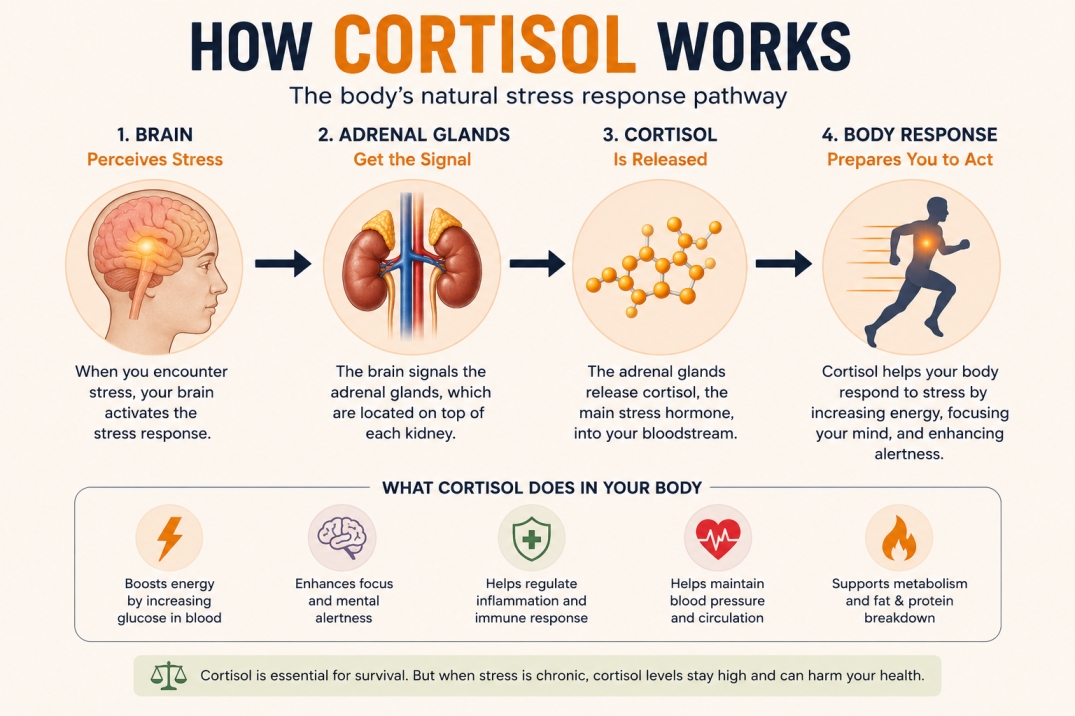
Your body constantly monitors its environment for anything that could threaten your health or safety. This includes not only physical danger but also psychological stress, illness, pain, intense exercise, lack of sleep, or even skipping meals.
When your brain detects stress, it activates the Hypothalamic-Pituitary-Adrenal (HPA) Axis, triggering a series of hormonal signals.
The process works like this:
Stress Trigger
↓
Hypothalamus Releases CRH
↓
Pituitary Gland Releases ACTH
↓
Adrenal Glands Release Cortisol
↓
Body Receives Extra Energy to Handle Stress
Once cortisol enters your bloodstream, it prepares your body to respond by:
Increasing Blood Sugar
Cortisol stimulates the liver to release glucose into the bloodstream, providing muscles and the brain with quick energy.
Increasing Energy Availability
The body begins breaking down stored fat and protein to ensure enough fuel is available during stressful situations.
Reducing Non-Essential Functions
To conserve energy, cortisol temporarily reduces functions that are less important during emergencies, including digestion, growth, reproduction, and certain immune responses.
Increasing Alertness
Cortisol helps improve concentration and mental focus so you can react quickly during challenging situations.
Helping the Body Recover
After the stressful event ends, cortisol levels gradually return to normal, allowing the body to resume its usual balance.
This entire system works remarkably well during short-term stress. However, problems begin when the stress never truly goes away.
Understanding Your Natural Cortisol Rhythm
Cortisol naturally follows a daily pattern known as the circadian rhythm.
Normally:
Highest shortly after waking up
Gradually decreases throughout the day
Lowest late at night before sleep
This daily rhythm helps you:
Wake up feeling alert
Maintain energy during the day
Sleep properly at night
Poor sleep habits, shift work, chronic stress, excessive caffeine, and irregular schedules can disrupt this rhythm, making it harder for your body to regulate both stress and metabolism.
What Happens When Cortisol Stays High?
Occasional increases in cortisol are healthy and expected. The problem occurs when stress becomes constant.
Long-term elevated cortisol may contribute to:
Increased appetite
Sugar cravings
Emotional eating
Fatigue
Poor sleep quality
Muscle loss
Higher blood sugar levels
Insulin resistance
Increased abdominal fat storage
These changes don't happen overnight. Instead, they develop gradually through months or even years of unmanaged stress and unhealthy lifestyle habits.
Does Cortisol Really Cause Belly Fat?
This is one of the most common questions people ask when trying to lose weight.
The short answer is:
Not directly—but it can strongly contribute.
Many people believe cortisol automatically turns calories into belly fat. That's not exactly how the body works.
Instead, cortisol influences several behaviors and biological processes that together make abdominal fat gain more likely.
These include:
1. Increased Appetite
High cortisol stimulates hunger hormones, making you feel hungry more often.
You may especially crave:
Chocolate
Ice cream
Chips
Pizza
Burgers
Sugary drinks
Fast food
Cookies
These foods provide quick energy and activate the brain's reward system, temporarily reducing stress.
2. Emotional Eating
Stress often leads people to eat for comfort rather than hunger.
Instead of eating because the body needs energy, food becomes a coping mechanism for emotions such as:
Anxiety
Sadness
Frustration
Loneliness
Boredom
Over time, this pattern can significantly increase calorie intake.
3. Insulin Resistance
Chronically elevated cortisol may reduce insulin sensitivity in some individuals.
When insulin doesn't work efficiently:
Blood sugar remains elevated
More insulin is released
Fat storage becomes easier
Belly fat accumulation becomes more likely
This is one reason chronic stress is associated with an increased risk of metabolic disorders.
4. Poor Sleep
High cortisol and poor sleep often create a vicious cycle.
Less sleep can increase:
Hunger
Ghrelin (the hunger hormone)
Sugar cravings
Fatigue
Poor food choices
Poor sleep also reduces leptin, the hormone that helps you feel full.
As a result, people often eat more than they actually need.
5. Reduced Physical Activity
People under chronic stress often feel mentally exhausted.
This may lead to:
Skipping workouts
Sitting for longer periods
Lower daily movement
Reduced motivation
Increased fatigue
Burning fewer calories while eating more creates the ideal environment for gradual weight gain.
6. Fat Storage Around the Abdomen
Research suggests that abdominal fat contains more cortisol receptors than many other fat stores.
This may partly explain why chronic stress is often associated with increased fat accumulation around the waist rather than other parts of the body.
However, it's important to remember that calorie balance, genetics, hormones, physical activity, sleep, and diet all influence where your body stores fat.
Cortisol is one piece of a much larger puzzle—not the sole cause of belly fat.
Symptoms of High Cortisol
High cortisol doesn't always cause obvious symptoms overnight. Instead, the effects usually develop gradually, especially if stress remains unmanaged for weeks or months.
Because cortisol affects multiple body systems, elevated levels can influence your weight, metabolism, mood, sleep, energy, immune function, and overall health.
It's important to remember that these symptoms are not specific to cortisol alone. Many medical conditions can cause similar symptoms, so persistent concerns should always be discussed with a healthcare professional.
Common signs that may be associated with chronically elevated cortisol include:
Increased belly fat
Weight gain despite no major dietary changes
Constant food cravings
Increased appetite
Fatigue even after sleeping
Difficulty falling asleep or staying asleep
Anxiety or feeling constantly "on edge"
Mood swings
Irritability
Poor concentration
Brain fog
Elevated blood sugar
High blood pressure
Frequent headaches
Reduced exercise recovery
Muscle weakness
Frequent illnesses
Acne or skin changes
Slow wound healing
Many people notice several of these symptoms at the same time because cortisol influences many hormones throughout the body.
How Stress Increases Cortisol
Stress is a natural part of life. Your body is designed to handle short periods of stress effectively.
For example:
Meeting an important deadline
Taking an exam
Driving through heavy traffic
Giving a presentation
Responding to an emergency
During these situations, cortisol rises temporarily to provide energy and improve focus.
Once the stressful event ends, cortisol normally returns to healthy levels.
The problem occurs when stress never truly stops.
Today's stressors often include:
Heavy workload
Financial pressure
Family responsibilities
Poor sleep
Relationship conflicts
Social media overload
Long working hours
Lack of physical activity
Unlike physical threats that end quickly, these everyday stressors can continue for months or years.
As a result, your body may spend much more time producing cortisol than it was originally designed to.
This prolonged activation of the stress response can gradually affect metabolism, appetite, sleep, and body composition.
Common Causes of Elevated Cortisol
While emotional stress is one of the biggest contributors, many lifestyle and medical factors can increase cortisol.
1. Chronic Psychological Stress
Ongoing work pressure, family responsibilities, caregiving, or emotional distress are among the most common reasons cortisol remains elevated.
Stress doesn't have to be dramatic—even constant low-level stress can affect hormone balance over time.
2. Poor Sleep
Sleep and cortisol have a two-way relationship.
Poor sleep increases cortisol.
High cortisol also makes quality sleep more difficult.
People who regularly sleep less than 7 hours often experience:
More hunger
More sugar cravings
Higher stress levels
Reduced recovery
Greater fatigue
Over time, this cycle becomes increasingly difficult to break.
3. Excessive Exercise Without Recovery
Exercise is healthy, but too much intense training without enough recovery can temporarily increase cortisol.
Examples include:
Daily high-intensity workouts
Overtraining
Marathon training without recovery
Excessive cardio combined with calorie restriction
Balanced exercise with adequate rest generally supports healthy cortisol levels.
4. Very Low-Calorie Diets
Crash dieting places the body under significant stress.
When calorie intake becomes too low, cortisol may increase to help maintain blood sugar and energy supply.
This is one reason extremely restrictive diets are difficult to maintain and often lead to rebound weight gain.
5. Excessive Caffeine
Moderate caffeine intake is safe for most people.
However, consuming several cups of coffee or energy drinks throughout the day may increase cortisol, particularly in sensitive individuals.
Drinking caffeine late in the day may also interfere with sleep, indirectly affecting cortisol regulation.
6. Chronic Illness
Long-term inflammation, infections, injuries, and chronic diseases can stimulate cortisol production because the body is constantly responding to physical stress.
7. Certain Medications
Long-term use of corticosteroid medications such as prednisone can increase cortisol-like effects in the body.
These medications should never be stopped without medical supervision.
8. Medical Conditions
In rare cases, high cortisol results from medical disorders such as Cushing's syndrome, where the body produces excessive cortisol.
Unlike stress-related cortisol elevation, Cushing's syndrome usually requires specialized medical treatment.https://wellorafit.com/services/doctor-consultations/
Why Belly Fat Is More Affected
Many people notice that weight gained during stressful periods seems to accumulate around the abdomen.
Several factors help explain this pattern.
Abdominal Fat Contains More Cortisol Receptors
Research suggests that visceral fat—the fat surrounding internal organs—contains a greater number of glucocorticoid receptors, which respond to cortisol.
This may make abdominal fat more responsive to long-term hormonal changes.
Higher Insulin Levels
Stress often encourages consumption of high-sugar, high-fat comfort foods.
Frequent overeating raises insulin levels.
When high insulin combines with elevated cortisol, fat storage around the waist may become more likely.
Reduced Muscle Mass
Chronically elevated cortisol may contribute to muscle breakdown if nutrition and resistance training are inadequate.
Since muscle burns more calories than fat, losing muscle can reduce daily calorie expenditure.
A slower metabolism makes long-term weight management more challenging.
Less Physical Activity
Stress often causes fatigue, poor motivation, and less movement throughout the day.
People may:
Exercise less
Walk less
Sit longer
Burn fewer calories
Combined with increased food intake, this creates conditions that favor gradual fat gain.
Cortisol and Weight Gain
One of the biggest myths online is that cortisol alone causes weight gain.
The reality is more nuanced.
Cortisol does not magically create body fat.
Instead, it influences behaviors and biological processes that increase the likelihood of consuming more calories than the body burns.
Some of these include:
Increased appetite
Frequent snacking
Emotional eating
Sugar cravings
Reduced sleep quality
Lower physical activity
Increased insulin resistance
Slower recovery from exercise
When these factors continue for months or years, gradual weight gain becomes more likely.
This explains why stress management is an important part of sustainable weight loss.
Health Risks of Chronically High Cortisol
Persistently elevated cortisol may increase the risk of several health problems, particularly when combined with an unhealthy lifestyle.
Potential health effects include:
Weight Gain
Higher calorie intake and reduced physical activity can gradually lead to weight gain.
Abdominal Obesity
Excess visceral fat is associated with a greater risk of metabolic diseases compared to fat stored elsewhere.
Insulin Resistance
Long-term cortisol elevation may impair the body's ability to use insulin effectively, increasing the risk of prediabetes and Type 2 diabetes. https://wellorafit.com/services/doctor-consultations/
High Blood Pressure
Cortisol can influence blood vessel function and fluid balance, contributing to elevated blood pressure in some individuals.
Heart Disease
Chronic stress is associated with increased cardiovascular risk through its effects on blood pressure, inflammation, and unhealthy lifestyle behaviors.
Poor Sleep
High cortisol often disrupts normal sleep patterns, making recovery more difficult.
Reduced Immunity
Persistent cortisol elevation can weaken certain immune responses, increasing susceptibility to infections.
Digestive Problems
Stress may worsen symptoms such as:
Bloating
Acid reflux
Indigestion
Irritable bowel symptoms
Mental Health Effects
Long-term stress is linked to:
Anxiety
Depression
Irritability
Difficulty concentrating
Burnout
These emotional challenges may further increase emotional eating, creating a cycle that contributes to continued weight gain.
Best Foods That Help Lower Cortisol Naturally
No single food can instantly lower cortisol. However, a balanced diet rich in whole foods can help regulate blood sugar, reduce inflammation, support the nervous system, and improve the body's ability to cope with stress.
Healthy eating also helps prevent energy crashes and excessive cravings, both of which are commonly associated with chronic stress.https://wellorafit.com/services/nutrition-diet-planning/
1. Protein-Rich Foods
Protein helps stabilize blood sugar, supports muscle maintenance, and keeps you feeling full for longer.
Good protein sources include:
Eggs
Chicken breast
Fish
Greek yogurt
Paneer
Cottage cheese
Lentils
Chickpeas
Kidney beans
Tofu
Soybeans
Aim to include a quality protein source with every meal.
2. Magnesium-Rich Foods
Magnesium plays an important role in muscle relaxation, nerve function, sleep quality, and the body's stress response.
Many adults do not consume enough magnesium through diet.
Foods rich in magnesium include:
Spinach
Pumpkin seeds
Almonds
Cashews
Peanuts
Black beans
Kidney beans
Dark leafy greens
Avocados
Dark chocolate (70% cocoa or higher)
Including these foods regularly may help support healthy stress management.
3. Vitamin C-Rich Foods
Vitamin C supports immune health and helps protect the body from oxidative stress.
Research also suggests adequate vitamin C intake may help support normal cortisol regulation.
Good sources include:
Oranges
Lemons
Amla (Indian gooseberry)
Guava
Kiwi
Strawberries
Bell peppers
Broccoli
Tomatoes
Fresh fruits and vegetables are the best sources.
4. Omega-3 Fatty Acids
Omega-3 fats help reduce inflammation and support heart and brain health.
Foods include:
Salmon
Sardines
Mackerel
Tuna
Flaxseeds
Chia seeds
Walnuts
If you don't eat fish, plant-based sources like flaxseeds and walnuts are excellent alternatives.
5. High-Fiber Foods
Fiber slows digestion, stabilizes blood sugar, and promotes fullness.
Stable blood sugar may reduce sudden hunger and cravings.
Choose:
Oats
Brown rice
Whole wheat
Millets
Quinoa
Apples
Pears
Berries
Carrots
Broccoli
Spinach
Beans
Lentils
Adults should aim for approximately 25–35 grams of fiber daily.
6. Healthy Fats
Healthy fats support hormone production and improve satiety.
Good choices include:
Almonds
Walnuts
Pistachios
Pumpkin seeds
Olive oil
Avocados
Peanuts
Seeds
Although healthy, these foods are calorie-dense, so portion control remains important.
7. Fermented Foods
Your gut and brain communicate continuously through the gut-brain axis.
A healthy gut microbiome may support stress resilience.
Examples include:
Yogurt
Kefir
Buttermilk
Kimchi
Sauerkraut
Fermented vegetables
Choose products with live cultures whenever possible.
Foods That May Increase Cortisol or Stress Responses
No food directly "raises cortisol forever," but some dietary habits can increase stress on the body or worsen blood sugar fluctuations.
Try limiting:
Sugary soft drinks
Energy drinks
Excess sweets
Cakes
Cookies
Candy
Deep-fried foods
Highly processed snacks
White bread
Pastries
Fast food
Excess alcohol
Too much caffeine
These foods may contribute to energy crashes, increased cravings, and overeating.
Rather than eliminating them completely, enjoy them occasionally while focusing on healthier daily eating habits.
Can Supplements Lower Cortisol?
Many supplements claim to reduce cortisol quickly.
However, evidence is limited for many products.
Some nutrients that support overall stress management include:
Magnesium
Vitamin D (if deficient)
Omega-3 fatty acids
Vitamin C
Some herbal supplements such as Ashwagandha have shown promising results in certain studies, but they may not be appropriate for everyone.
Always consult your healthcare provider before taking supplements, especially if you have medical conditions, are pregnant, or take prescription medications.
Best Exercises for High Cortisol and Belly Fat
Exercise is one of the most effective ways to improve stress resilience and support healthy weight management.
The goal is not to exercise harder—but smarter.
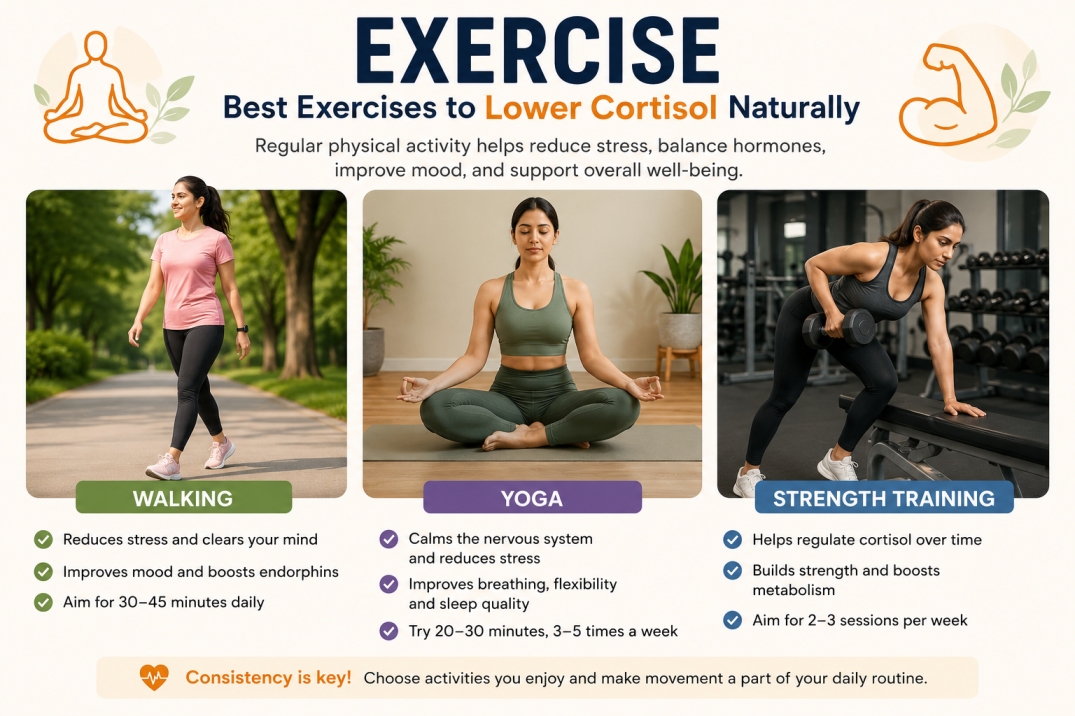
1. Walking
Walking is one of the easiest and most effective stress-relieving exercises.
Benefits include:
Reduces stress
Improves mood
Burns calories
Supports heart health
Helps regulate blood sugar
Aim for 30–45 minutes most days of the week.
2. Strength Training
Building muscle improves metabolism and helps preserve lean body mass during weight loss.
Strength training may also improve insulin sensitivity.
Aim for 2–4 sessions per week, targeting all major muscle groups.
3. Yoga
Yoga combines movement with breathing and mindfulness.
Studies suggest yoga may help reduce stress, improve flexibility, and support healthy cortisol regulation.
Popular styles include:
Hatha Yoga
Yin Yoga
Restorative Yoga
4. Cycling
Cycling provides excellent cardiovascular exercise while reducing stress.
Whether outdoors or on a stationary bike, cycling supports:
Heart health
Calorie burning
Mood improvement
5. Swimming
Swimming is a low-impact full-body workout that combines aerobic exercise with relaxation.
It is particularly beneficial for people with joint pain.
6. Moderate Cardio
Activities such as brisk walking, jogging, dancing, hiking, or elliptical training support fat loss without excessively stressing the body.
Extremely intense exercise every day may temporarily increase cortisol.
Balance is key.
Sleep and Cortisol
Sleep is one of the most powerful regulators of cortisol.
Unfortunately, stress and poor sleep often reinforce one another.
High cortisol makes it harder to fall asleep.
Poor sleep increases cortisol the following day.
Breaking this cycle is essential for long-term health.
People who consistently sleep less than seven hours may experience:
Increased hunger
More sugar cravings
Lower energy
Reduced concentration
Increased stress
Slower recovery
Weight gain
Tips for Better Sleep
Sleep 7–9 hours each night.
Maintain a regular sleep schedule.
Limit screen time before bed.
Avoid caffeine late in the day.
Keep your bedroom cool, quiet, and dark.
Practice relaxation before bedtime.
Avoid heavy meals close to bedtime.
Good sleep is one of the most effective natural ways to support healthy cortisol levels.
Stress Management Techniques
Since chronic stress is one of the biggest drivers of elevated cortisol, managing stress is essential.
Healthy stress-management strategies include:
Deep breathing exercises
Meditation
Yoga
Journaling
Reading
Listening to calming music
Gardening
Spending time in nature
Talking with friends or family
Practicing gratitude
Even 10–15 minutes of relaxation daily can make a meaningful difference.
Lifestyle Habits That Help Lower Cortisol Naturally
Small, consistent habits are far more effective than quick fixes.
Healthy daily habits include:
Eating balanced meals
Staying hydrated
Exercising regularly
Getting enough sleep
Managing stress
Spending time outdoors
Maintaining social connections
Limiting excessive caffeine
Avoiding smoking
Reducing alcohol intake
Practicing mindfulness
Taking regular breaks from work
These habits work together to support overall hormonal health rather than targeting cortisol alone.
Common Mistakes People Make
Many people unknowingly make lifestyle choices that may increase stress instead of reducing it.
Common mistakes include:
1. Following Crash Diets
Extremely low-calorie diets place additional stress on the body.
2. Overtraining
Exercising intensely every day without recovery may temporarily increase cortisol.
3. Relying on Supplements Alone
No supplement can replace healthy sleep, nutrition, and stress management.
4. Sleeping Too Little
Poor sleep is one of the strongest lifestyle factors affecting cortisol regulation.
5. Constantly Skipping Meals
Long periods without food may increase stress hormones in some individuals and lead to overeating later.
6. Believing Cortisol Is the Only Cause of Belly Fat
Weight gain is influenced by many factors, including:
Total calorie intake
Physical activity
Sleep
Genetics
Hormones
Age
Medical conditions
Cortisol is only one piece of the overall picture.
How to Lower Cortisol Long-Term
There is no overnight cure for high cortisol. The goal isn't to eliminate cortisol—your body needs it to function. Instead, the aim is to support healthy cortisol regulation through sustainable lifestyle habits.
The most effective approach combines healthy nutrition, regular physical activity, quality sleep, and stress management.
1. Prioritize Quality Sleep
Sleep is one of the strongest regulators of cortisol.
Aim for 7–9 hours of quality sleep each night.
Healthy sleep habits include:
Going to bed at the same time every day
Waking up at a consistent time
Limiting screen exposure before bed
Keeping your bedroom cool and dark
Avoiding caffeine late in the evening
Improving sleep often leads to better energy, fewer cravings, improved mood, and easier weight management.
2. Manage Daily Stress
Stress cannot always be avoided, but it can be managed.
Healthy coping strategies include:
Deep breathing
Meditation
Prayer
Journaling
Yoga
Walking outdoors
Reading
Listening to relaxing music
Spending time with family
Practicing gratitude
Even 10–20 minutes daily can improve your body's stress response.
3. Eat Balanced Meals
Balanced meals help maintain stable blood sugar, reducing energy crashes and cravings.
A healthy plate should include:
Lean protein
Whole grains
Vegetables
Healthy fats
Fruits
Avoid skipping meals, as prolonged fasting may increase hunger and make overeating more likely.
4. Exercise Consistently
Regular movement supports both physical and mental health.
Aim for:
150 minutes of moderate-intensity exercise per week
2–3 strength-training sessions weekly
The best exercise is one you enjoy and can continue long-term.
5. Maintain Healthy Relationships
Social support plays an important role in managing stress.
Talking with trusted friends or family members may help reduce emotional stress and improve overall well-being.
6. Spend Time in Nature
Research suggests that spending time outdoors may help lower stress and improve mood.
Activities include:
Walking in parks
Gardening
Hiking
Sitting in natural surroundings
Even short periods outdoors can be beneficial.
7. Practice Mindfulness
Mindfulness encourages living in the present moment instead of constantly worrying about the future.
Simple mindfulness practices include:
Focusing on your breathing
Paying attention while eating
Body scan meditation
Gratitude exercises
Over time, mindfulness may reduce emotional eating and improve stress resilience.
8. Stay Hydrated
Even mild dehydration can increase physical stress on the body.
Aim to drink enough water throughout the day, adjusting intake based on climate and activity level.
9. Reduce Highly Processed Foods
Frequent consumption of sugary drinks, fast food, and highly processed snacks may contribute to poor blood sugar control and increased calorie intake.
Instead, focus on:
Fresh fruits
Vegetables
Whole grains
Lean proteins
Healthy fats
10. Seek Professional Help When Needed
If stress feels overwhelming or symptoms persist despite healthy lifestyle changes, consult a healthcare professional.
Seek medical advice if you experience:
Rapid unexplained weight gain
Severe fatigue
Persistent high blood pressure
Uncontrolled blood sugar
Depression or anxiety affecting daily life
Suspected hormonal disorders
A healthcare provider can determine whether symptoms are related to lifestyle factors or an underlying medical condition.
Key Takeaways
Cortisol is a hormone that helps the body respond to stress.
Short-term increases in cortisol are normal and beneficial.
Chronic stress may keep cortisol elevated for long periods.
High cortisol alone does not directly cause belly fat, but it can influence appetite, cravings, sleep, and metabolism.
Emotional eating and poor sleep often contribute more to weight gain than cortisol itself.
Regular exercise, quality sleep, balanced nutrition, and stress management help support healthy cortisol levels.
Crash diets and overtraining may increase physical stress.
There is no "cortisol detox" food or supplement that instantly removes belly fat.
Sustainable lifestyle habits are the most effective long-term solution.
Conclusion
Cortisol is often misunderstood. While it has gained attention as the "belly fat hormone," the reality is far more complex.
Cortisol is essential for life. It helps regulate metabolism, blood pressure, immune function, and your body's response to stress. Problems generally arise when stress becomes chronic and healthy recovery habits are lacking.
Rather than directly creating belly fat, elevated cortisol may increase appetite, encourage cravings for high-calorie foods, disrupt sleep, reduce motivation to exercise, and contribute to behaviors that promote weight gain over time.
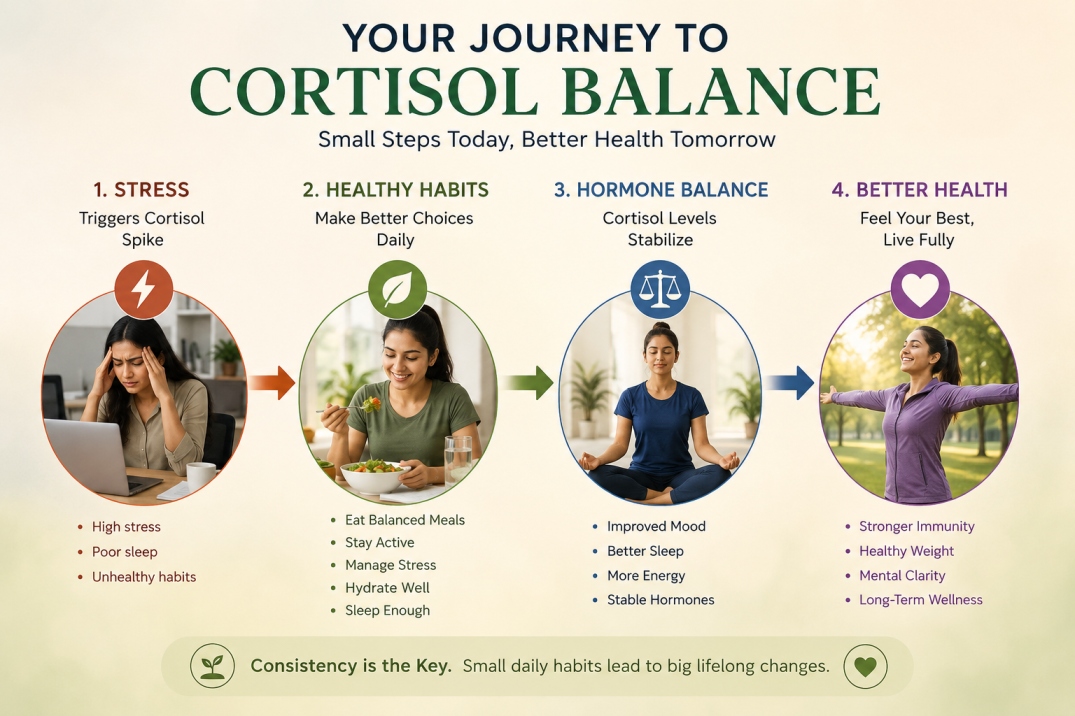
The encouraging news is that healthy lifestyle habits can make a significant difference. Prioritizing restful sleep, eating balanced meals, staying physically active, managing stress, and practicing mindfulness all support healthy cortisol regulation and overall well-being.
Remember, lasting weight management is not about finding a quick fix or blaming a single hormone. It's about building sustainable habits that nourish both your body and your mind.
Small, consistent changes practiced every day are far more powerful than temporary diets or miracle supplements.
Frequently Asked Questions (FAQ Schema)
1. What is cortisol?
Cortisol is a hormone produced by the adrenal glands that helps regulate metabolism, blood sugar, blood pressure, inflammation, and the body's response to stress.
2. Does cortisol directly cause belly fat?
No. Cortisol does not directly create belly fat. However, chronic stress may increase appetite, cravings, emotional eating, and poor sleep, which can contribute to abdominal weight gain over time.
3. What are the symptoms of high cortisol?
Common symptoms may include increased belly fat, weight gain, fatigue, poor sleep, anxiety, high blood pressure, muscle weakness, and frequent food cravings.
4. Can stress cause weight gain?
Yes. Chronic stress may lead to overeating, emotional eating, poor sleep, reduced physical activity, and hormonal changes that make weight management more difficult.
5. What foods help support healthy cortisol levels?
Protein-rich foods, fruits, vegetables, whole grains, healthy fats, magnesium-rich foods, and omega-3 fatty acids support overall health and may help the body manage stress more effectively.
6. Can exercise lower cortisol?
Yes. Regular moderate exercise such as walking, strength training, cycling, and yoga can improve stress resilience and support healthy cortisol regulation.
7. Does poor sleep increase cortisol?
Yes. Poor sleep may increase cortisol levels, hunger, cravings, and fatigue, creating a cycle that can make weight management more challenging.
8. Can supplements lower cortisol?
Some supplements such as magnesium or Ashwagandha may support stress management in certain individuals, but they should not replace healthy lifestyle habits and should only be taken after consulting a healthcare professional.
9. How long does it take to lower cortisol naturally?
There is no fixed timeline. Improvements depend on the cause of elevated cortisol and the consistency of healthy lifestyle habits such as sleep, nutrition, exercise, and stress management.
10. When should I see a doctor?
Consult a healthcare professional if you experience unexplained rapid weight gain, severe fatigue, persistent high blood pressure, uncontrolled blood sugar, or symptoms suggestive of a hormonal disorder.
Ready to Begin Your Health Journey?
Get a personalized, medically guided plan built around your unique biology.