Doctor-Supervised Weight Loss: Safe, Sustainable Results
Doctor-Supervised Weight Loss: A Complete Guide to Safe, Sustainable, and Effective Weight Management
Losing weight is one of the most common health goals worldwide, yet many people struggle to achieve lasting results. While countless diets, detoxes, supplements, and fitness trends promise quick weight loss, most fail to address the root causes of excess weight. In many cases, people regain the weight they lose because the approach isn't personalized, medically appropriate, or sustainable.
This is where Doctor-Supervised Weight Loss stands apart.
Rather than relying on one-size-fits-all diets or temporary solutions, doctor-supervised weight loss focuses on understanding your unique health profile. A qualified healthcare professional evaluates your medical history, current health conditions, lifestyle, eating habits, medications, hormone levels, and metabolic health before creating a personalized plan designed specifically for you.
Medical supervision also helps identify hidden factors that may be preventing weight loss, such as thyroid disorders, insulin resistance, hormonal imbalances, polycystic ovary syndrome (PCOS), menopause-related changes, chronic stress, sleep disorders, or certain medications. Addressing these issues can significantly improve both weight loss and overall health.
Unlike crash diets that often lead to muscle loss and nutritional deficiencies, a medically supervised program emphasizes healthy fat loss while preserving muscle mass, improving metabolism, and reducing the risk of chronic diseases.
Whether your goal is to lose a few kilograms, manage obesity, control diabetes, improve heart health, or simply feel healthier and more energetic, a doctor-led approach provides expert guidance, continuous monitoring, and evidence-based strategies that support long-term success.https://www.who.int
What Is Doctor-Supervised Weight Loss?
Doctor-supervised weight loss is a medically guided approach to losing weight safely and effectively under the care of a qualified healthcare professional. Instead of following generic diet plans found online, each program is tailored to the individual's medical condition, lifestyle, nutritional needs, and weight loss goals.
The primary goal is not simply to reduce body weight but to improve overall health while preventing complications that often occur with rapid or unhealthy weight loss methods.
A doctor-supervised program usually combines several evidence-based strategies, including:
· Comprehensive medical evaluation
· Personalized nutrition planning
· Physical activity recommendations
· Lifestyle modification
· Behavioral counseling
· Progress monitoring
· Prescription medication (when appropriate)
· Management of underlying medical conditions
· Long-term weight maintenance planning
This personalized approach allows healthcare providers to adjust the treatment plan as your body changes, ensuring steady progress while minimizing health risks.
Unlike fad diets that often produce short-term results, doctor-supervised weight loss focuses on building lifelong healthy habits that support sustainable weight management.
Why Is Medical Supervision Important for Weight Loss?
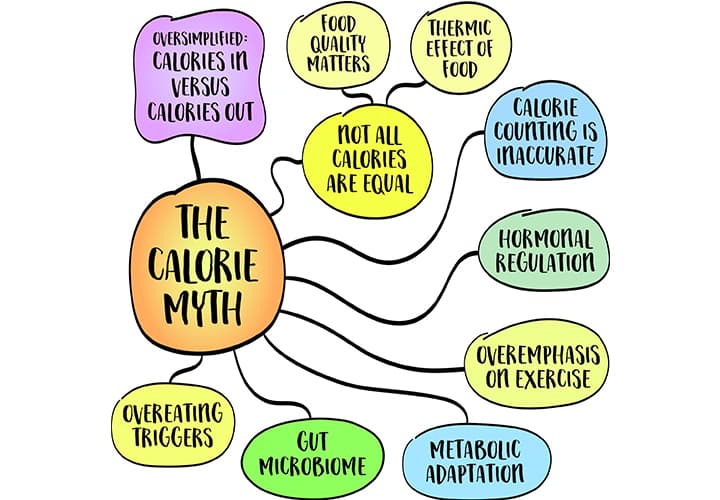
Many people assume that eating less and exercising more is enough to lose weight. While these are essential components of any healthy lifestyle, weight management is far more complex than simply balancing calories.https://www.nih.gov
Body weight is influenced by several interconnected factors, including:
· Genetics
· Hormones
· Metabolism
· Sleep quality
· Stress levels
· Medical conditions
· Medications
· Physical activity
· Gut health
· Emotional well-being
· Age-related changes
Without identifying these underlying factors, many people become frustrated when traditional diets fail to produce lasting results.
Medical supervision helps uncover the root causes of weight gain and provides targeted solutions based on scientific evidence rather than guesswork.
Doctors can also monitor your progress regularly, helping prevent complications such as nutritional deficiencies, muscle loss, dehydration, or unsafe weight loss practices.
Most importantly, medical supervision ensures that weight loss supports overall health instead of compromising it.https://wellorafit.com/services/doctor-consultations/
How Does Doctor-Supervised Weight Loss Work?
Although every program is personalized, most medically supervised weight loss plans follow a structured process designed to help patients lose weight safely and maintain their results.
The journey typically begins with a detailed medical consultation.
During the first visit, your doctor collects information about your:
· Current weight
· Height
· Body Mass Index (BMI)
· Waist circumference
· Blood pressure
· Medical history
· Family history
· Previous weight loss attempts
· Current medications
· Lifestyle habits
· Sleep patterns
· Eating behaviors
· Physical activity level
Additional laboratory tests may also be recommended to evaluate your overall health.https://wellorafit.com/services/doctor-consultations/
After understanding your health profile, the doctor develops a customized treatment plan that may include:
· Personalized calorie goals
· Balanced meal planning
· Exercise recommendations
· Behavior modification techniques
· Stress management
· Sleep improvement strategies
· Regular follow-up visits
· Medical treatment when necessary
Throughout the program, progress is monitored and adjustments are made whenever needed to ensure healthy, steady, and sustainable weight loss.https://wellorafit.com/services/nutrition-diet-planning/
Benefits of Doctor-Supervised Weight Loss
Medical weight loss programs offer several advantages over self-directed dieting.
1. Personalized Treatment
Every person has different nutritional needs, medical conditions, metabolism, and lifestyle factors.
A customized plan is far more effective than generic online diets because it considers your individual health profile.
2. Safe Weight Loss
Rapid weight loss can lead to muscle loss, nutritional deficiencies, gallstones, fatigue, and metabolic slowdown.
Medical supervision helps ensure that weight loss occurs at a healthy and sustainable pace while protecting your overall health.
3. Identification of Underlying Health Conditions
Many people struggle with weight loss because of untreated medical conditions.
Examples include:
· Hypothyroidism
· PCOS
· Insulin resistance
· Prediabetes
· Type 2 diabetes
· Sleep apnea
· Hormonal imbalances
· Menopause-related changes
· Depression
· Anxiety
Treating these conditions often improves weight loss outcomes significantly. https://www.heart.org
4. Ongoing Professional Support
Weight loss is rarely a straight path.
Doctors monitor your progress regularly and adjust your plan whenever necessary to overcome plateaus and maintain motivation.
This continuous support greatly improves long-term success.
5. Better Overall Health
Doctor-supervised weight loss is about more than appearance.
Healthy weight loss can improve:
· Blood sugar control
· Blood pressure
· Cholesterol levels
· Joint health
· Heart health
· Energy levels
· Mobility
· Sleep quality
· Mental well-being
· Confidence
For many people, these health improvements are even more important than the number on the scale.
Who Should Consider Doctor-Supervised Weight Loss?
While anyone can benefit from professional nutrition guidance, medical supervision is especially recommended for individuals who have struggled with weight loss or have health conditions affected by excess weight.
You may benefit from a doctor-supervised weight loss program if you:
· Have obesity or are significantly overweight
· Have a BMI above the healthy range
· Have Type 2 diabetes or prediabetes
· Have high blood pressure
· Have high cholesterol
· Have PCOS
· Have thyroid disorders
· Have fatty liver disease
· Have sleep apnea
· Experience menopause-related weight gain
· Have insulin resistance
· Have arthritis affecting mobility
· Need to lose weight before surgery
· Have regained weight after previous diets
· Have emotional eating habits
· Have a family history of obesity-related diseases
Medical supervision can also be beneficial for individuals who want expert guidance to lose weight safely without following extreme diets or unverified weight loss methods.
Initial Medical Assessment Before Starting a Weight Loss Program
Every successful doctor-supervised weight loss journey begins with a thorough medical assessment. Rather than recommending a generic diet or exercise plan, healthcare professionals first evaluate your overall health to identify the factors contributing to weight gain.
This comprehensive assessment helps create a safe, personalized, and realistic treatment plan that aligns with your health goals and medical needs.
During your first consultation, your doctor will usually assess:
· Current weight and height
· Body Mass Index (BMI)
· Waist circumference
· Blood pressure
· Body composition (if available)
· Medical history
· Family history
· Current medications
· Previous weight loss attempts
· Eating habits
· Physical activity level
· Sleep quality
· Stress levels
· Lifestyle habits
This information provides a complete picture of your health and helps identify barriers that may be slowing weight loss.

Measuring Body Weight and Body Composition
Weight alone does not always reflect your overall health.
Doctors use several measurements to better understand your body composition and health risks.
Body Weight
Your current body weight serves as a starting point for tracking progress throughout the program.
Instead of focusing on daily fluctuations, healthcare providers monitor long-term trends to assess healthy weight loss.
Body Mass Index (BMI)
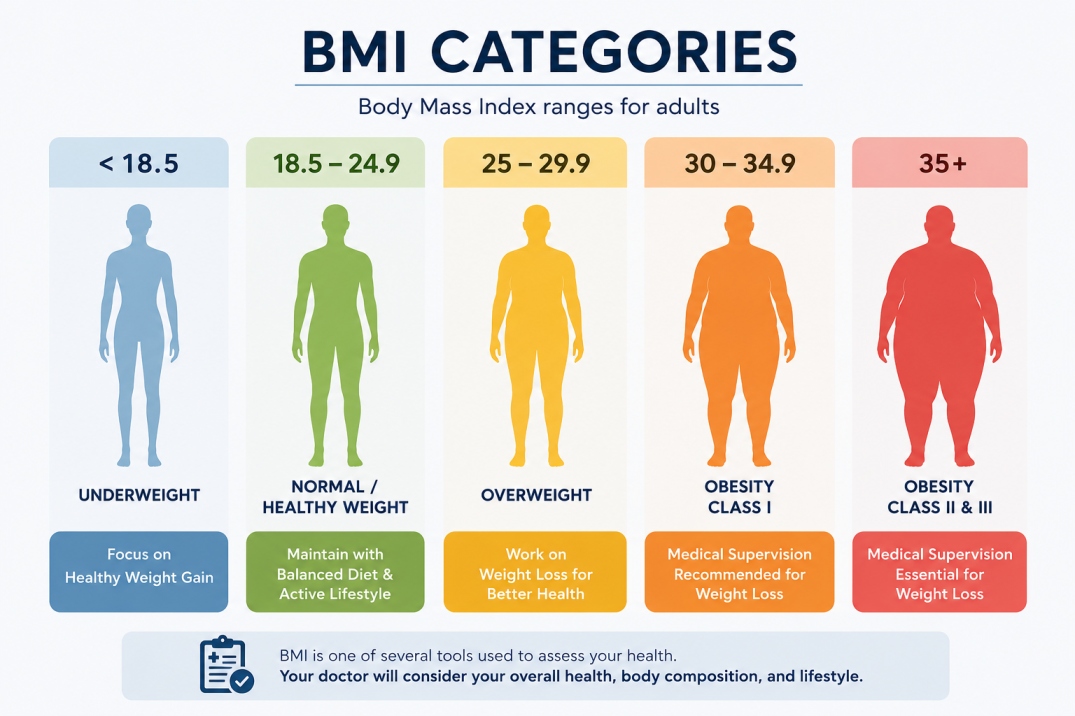
Body Mass Index (BMI) is a simple screening tool that estimates whether your weight falls within a healthy range for your height.
BMI Formula
BMI = Weight (kg) ÷ Height² (m²)
BMI Categories
BMI
Classification
Below 18.5
Underweight
18.5–24.9
Healthy Weight
25.0–29.9
Overweight
30.0–34.9
Obesity Class I
35.0–39.9
Obesity Class II
40 and above
Obesity Class III
Although BMI is useful for screening, it does not distinguish between muscle and fat. Therefore, doctors use additional measurements before making treatment recommendations.
Waist Circumference
Excess fat around the abdomen is associated with a higher risk of chronic diseases than fat stored elsewhere in the body.
Measuring waist circumference helps assess abdominal obesity and metabolic health.
Higher waist measurements are linked with:
· Type 2 diabetes
· Heart disease
· High blood pressure
· Fatty liver disease
· Metabolic syndrome
Reducing abdominal fat is often one of the primary goals of medically supervised weight loss.
Body Fat Percentage
Some clinics also assess body fat percentage using specialized equipment.
Unlike body weight, body fat percentage shows how much of your body consists of fat compared with muscle, bones, and organs.
Tracking body fat provides a clearer picture of progress because people may lose fat while gaining muscle during lifestyle changes.
Reviewing Your Medical History
Your medical history plays a major role in determining the safest and most effective weight loss strategy.
Your doctor may ask about:
· Previous illnesses
· Past surgeries
· Pregnancy history
· Current medications
· Allergies
· Family history of obesity
· Diabetes
· Heart disease
· Thyroid disorders
· High blood pressure
· High cholesterol
Understanding these factors helps identify medical conditions that may contribute to weight gain or require special treatment.
Reviewing Previous Weight Loss Attempts
Many people have tried multiple diets before seeking medical help.
Your doctor will discuss:
· Popular diets you've followed
· Exercise routines you've tried
· Weight loss medications
· Supplements
· Meal replacement plans
· Fasting methods
· Reasons previous plans failed
This information helps avoid repeating ineffective strategies while identifying approaches that may work better.
Lifestyle Assessment
Lifestyle habits strongly influence long-term weight management.
During the consultation, your doctor evaluates several daily behaviors.
Eating Habits
Questions may include:
· How many meals do you eat daily?
· Do you skip breakfast?
· How often do you eat outside?
· How much water do you drink?
· Do you consume sugary drinks?
· How often do you snack?
· What are your portion sizes?
· Do you eat late at night?
These answers help create a realistic nutrition plan rather than an overly restrictive diet.
Physical Activity
Doctors assess your current activity level before recommending exercise.
They may ask about:
· Walking habits
· Daily step count
· Strength training
· Cardio exercise
· Office work
· Sitting time
· Previous injuries
· Joint pain
Exercise recommendations are then tailored to your fitness level and medical condition.

Sleep Assessment
Poor sleep is a common but overlooked cause of weight gain.
Your doctor may ask:
· How many hours do you sleep?
· Do you wake frequently during the night?
· Do you snore?
· Do you feel tired during the day?
· Do you work night shifts?
Poor sleep affects hormones that regulate hunger, metabolism, and fat storage.
Improving sleep often becomes part of the treatment plan.
Stress and Mental Health
Emotional health significantly affects eating behaviors.
Doctors may evaluate:
· Stress levels
· Anxiety
· Depression
· Emotional eating
· Binge eating
· Work-related stress
· Family stress
Addressing emotional health improves long-term weight management and reduces the risk of relapse.

Medical Tests Before Starting Weight Loss
Laboratory investigations help identify hidden health conditions that may interfere with weight loss.
Not everyone requires every test, but doctors commonly recommend the following.
Blood Sugar Tests
Blood glucose testing helps detect:
· Prediabetes
· Type 2 diabetes
· Insulin resistance
Common tests include:
· Fasting Blood Sugar (FBS)
· HbA1c
· Post-Meal Blood Sugar (PPBS)
Managing blood sugar effectively often improves weight loss outcomes.
Lipid Profile
A lipid profile evaluates heart health by measuring:
· Total cholesterol
· LDL ("bad") cholesterol
· HDL ("good") cholesterol
· Triglycerides
Many people with obesity have abnormal cholesterol levels, increasing cardiovascular risk.
Thyroid Function Tests
An underactive thyroid can slow metabolism and contribute to weight gain.
Doctors may order:
· TSH
· Free T3
· Free T4
Treating thyroid disorders can improve energy levels and support healthy weight management.
Liver Function Tests
Excess body fat increases the risk of non-alcoholic fatty liver disease (NAFLD).
Liver tests help evaluate liver health before beginning a weight loss program.
Kidney Function Tests
Healthy kidneys are essential for overall metabolism and medication safety.
These tests may include:
· Serum Creatinine
· Blood Urea Nitrogen (BUN)
· Estimated Glomerular Filtration Rate (eGFR)
Complete Blood Count (CBC)
A CBC helps detect:
· Anemia
· Infection
· Nutritional deficiencies
Correcting these issues can improve energy and exercise performance.
Vitamin and Mineral Testing
Deficiencies can affect metabolism, fatigue, and muscle function.
Common tests include:
· Vitamin D
· Vitamin B12
· Iron studies
· Folate
Correcting deficiencies supports better health and sustainable weight loss.
Common Health Conditions That Can Affect Weight Loss
Several medical conditions make weight management more challenging.
Identifying these conditions allows doctors to provide targeted treatment.
Hypothyroidism
Low thyroid hormone levels can cause:
· Fatigue
· Weight gain
· Slow metabolism
· Dry skin
· Constipation
Proper treatment often improves metabolic function.
Polycystic Ovary Syndrome (PCOS)
PCOS is a common hormonal disorder affecting women.
It may lead to:
· Weight gain
· Insulin resistance
· Irregular periods
· Acne
· Excess facial hair
Doctor-supervised treatment combines nutrition, exercise, and medical management to improve symptoms.
Insulin Resistance
Insulin resistance makes it harder for the body to regulate blood sugar and store energy efficiently.
It often causes:
· Belly fat
· Increased hunger
· Sugar cravings
· Difficulty losing weight
Lifestyle changes and appropriate medical treatment can improve insulin sensitivity.
Sleep Apnea
Sleep apnea causes repeated interruptions in breathing during sleep.
Common symptoms include:
· Loud snoring
· Poor sleep quality
· Daytime fatigue
· Morning headaches
Treating sleep apnea often improves energy, metabolism, and weight loss success.
Menopause
Hormonal changes during menopause may contribute to:
· Increased abdominal fat
· Reduced muscle mass
· Slower metabolism
· Poor sleep
Medical guidance helps women manage these changes safely.
Setting Realistic Weight Loss Goals
One of the biggest advantages of doctor-supervised weight loss is setting achievable expectations.
Rather than aiming for rapid weight loss, doctors focus on gradual, sustainable progress.
Healthy weight loss typically ranges between:
· 0.5–1 kg per week
· 2–4 kg per month (depending on the individual)
Even losing 5–10% of your starting body weight can significantly improve:
· Blood pressure
· Blood sugar control
· Cholesterol levels
· Joint pain
· Sleep quality
· Heart health
· Energy levels
By setting realistic milestones and regularly reviewing progress, doctor-supervised programs help patients stay motivated while building habits that support lifelong weight management.
Personalized Nutrition Planning
Nutrition is the foundation of every successful doctor-supervised weight loss program. While exercise is important, healthy eating habits have the greatest impact on long-term weight management.
Rather than recommending restrictive diets, doctors focus on creating a balanced eating plan that provides adequate nutrition while maintaining a calorie deficit for gradual and sustainable fat loss.
A personalized nutrition plan considers:
· Age
· Gender
· Height and weight
· Body Mass Index (BMI)
· Activity level
· Medical conditions
· Food preferences
· Cultural and religious dietary habits
· Work schedule
· Weight loss goals
This individualized approach makes the plan easier to follow and more effective over time.
How Doctors Determine Your Calorie Needs
Everyone burns a different number of calories each day based on factors such as age, body composition, metabolism, and physical activity.
Doctors estimate your daily calorie requirements and then recommend a moderate calorie deficit to promote healthy weight loss.
Rather than encouraging severe calorie restriction, most programs reduce calorie intake by approximately 500–750 calories per day, depending on individual needs.
This approach helps:
· Burn body fat
· Preserve muscle mass
· Maintain energy levels
· Reduce hunger
· Improve long-term adherence
Crash diets that provide extremely low calories are generally avoided because they may slow metabolism and increase the likelihood of weight regain.
Building a Balanced Weight Loss Plate
Instead of eliminating entire food groups, doctor-supervised programs encourage balanced meals that include all essential nutrients.
A healthy plate generally consists of:
Half the Plate: Vegetables
Choose a variety of colorful vegetables such as:
· Spinach
· Broccoli
· Cauliflower
· Carrots
· Cucumber
· Bell peppers
· Tomatoes
· Green beans
Vegetables are rich in fiber, vitamins, minerals, and antioxidants while being naturally low in calories.
One-Quarter: Lean Protein
Protein helps preserve muscle mass, keeps you full longer, and supports recovery.
Healthy protein choices include:
· Skinless chicken
· Fish
· Eggs
· Paneer (low-fat)
· Tofu
· Soy products
· Lentils
· Chickpeas
· Kidney beans
· Greek yogurt
Adequate protein intake also helps reduce cravings between meals.
One-Quarter: Whole Grains or Complex Carbohydrates
Healthy carbohydrates provide steady energy and support digestion.
Examples include:
· Brown rice
· Whole wheat roti
· Oats
· Quinoa
· Millets
· Sweet potato
Whole grains are preferred over refined carbohydrates because they contain more fiber and nutrients.
Healthy Fats
Healthy fats support hormone production and heart health.
Good sources include:
· Almonds
· Walnuts
· Flaxseeds
· Chia seeds
· Olive oil
· Avocados
· Peanuts (in moderation)
Although healthy fats are nutritious, portion control remains important because they are calorie-dense.
Portion Control
Many people consume more calories than they realize simply because portion sizes have gradually increased.
Doctor-supervised programs teach practical ways to control portions without feeling deprived.
Helpful strategies include:
· Use smaller plates and bowls.
· Fill half your plate with vegetables.
· Measure cooking oil instead of pouring freely.
· Avoid eating directly from large packages.
· Read food labels for serving sizes.
· Eat slowly and stop when comfortably full.
Learning portion control is often more sustainable than following strict food restrictions.
The Importance of Protein in Weight Loss
Protein is one of the most important nutrients during weight loss.
It helps:
· Preserve muscle mass
· Increase feelings of fullness
· Reduce cravings
· Support metabolism
· Improve recovery after exercise
Including protein in every meal can make it easier to manage hunger and maintain a calorie deficit.
Good protein-rich foods include:
· Eggs
· Chicken breast
· Fish
· Low-fat dairy products
· Paneer
· Tofu
· Lentils
· Beans
· Soy products
Fiber: Your Natural Appetite Controller
Fiber slows digestion and helps you stay full for longer.
A high-fiber diet also supports healthy digestion and blood sugar control.
Excellent sources include:
· Vegetables
· Fruits
· Whole grains
· Oats
· Beans
· Lentils
· Seeds
Aim to include fiber-rich foods in every meal.
Healthy Meal Timing
Although the total number of calories matters most, regular meal timing can help many people control hunger and maintain consistent energy levels.
Doctors often recommend:
· Eat breakfast within 1–2 hours of waking.
· Avoid skipping meals.
· Eat meals at consistent times.
· Finish dinner 2–3 hours before bedtime.
· Limit late-night snacking.
Regular eating patterns may also improve blood sugar regulation and reduce overeating.
Sample Doctor-Recommended Meal Plan
The following example illustrates how a balanced day of eating may look. Individual calorie needs and portion sizes will vary.
Breakfast
· Vegetable oats upma
· Boiled egg or low-fat yogurt
· Unsweetened tea or coffee
Mid-Morning Snack
· One apple
· A handful of almonds
Lunch
· Grilled chicken or paneer
· One or two whole wheat rotis
· Mixed vegetable salad
· Bowl of dal
Evening Snack
· Roasted makhana
· Green tea or herbal tea
Dinner
· Grilled fish, tofu, or lentil curry
· Steamed vegetables
· Small serving of brown rice or millet
Optional Bedtime Snack
If needed:
· Warm low-fat milk
· Plain yogurt
· Small handful of nuts
Hydration and Weight Loss
Water plays an important role in metabolism, digestion, and overall health.
Although drinking water alone does not cause weight loss, staying hydrated supports healthy body function and may help reduce unnecessary snacking caused by thirst.
General hydration tips include:
· Drink 2–3 liters of water daily, depending on your needs.
· Carry a reusable water bottle.
· Drink water before meals if advised by your doctor.
· Limit sugary beverages.
· Choose water instead of soft drinks.
Foods to Limit
Doctor-supervised weight loss does not require completely eliminating favorite foods, but certain foods should be consumed less often because they are high in calories and low in nutritional value.
Limit:
· Sugar-sweetened beverages
· Deep-fried foods
· Processed snacks
· Fast food
· Cakes and pastries
· Candy
· Sugary breakfast cereals
· Refined white bread
· Alcohol
· High-calorie desserts
Moderation—not perfection—is the goal.
Physical Activity: An Essential Part of Medical Weight Loss
Healthy eating and regular exercise work together to improve weight loss results.
Doctors recommend physical activity based on:
· Age
· Fitness level
· Medical conditions
· Joint health
· Previous injuries
· Weight loss goals
The aim is to build a routine that is both safe and sustainable.
Benefits of Regular Exercise
Exercise provides many health benefits beyond burning calories.
It helps:
· Improve heart health
· Increase calorie expenditure
· Preserve lean muscle
· Improve insulin sensitivity
· Reduce stress
· Enhance sleep quality
· Boost energy levels
· Improve mood
· Support long-term weight maintenance
Cardio Exercise
Cardiovascular exercise helps increase calorie burn and improve endurance.
Examples include:
· Brisk walking
· Cycling
· Swimming
· Jogging
· Dancing
· Elliptical training
Beginners may start with 20–30 minutes, gradually increasing to 150–300 minutes of moderate-intensity exercise per week.
Strength Training
Many people focus only on cardio, but strength training is equally important.
Building muscle helps maintain metabolism during weight loss.
Benefits include:
· Preserves muscle mass
· Improves body composition
· Increases strength
· Supports bone health
· Improves posture
· Boosts resting metabolic rate
Aim for 2–3 strength-training sessions per week, targeting all major muscle groups.
Daily Movement Matters
Exercise sessions are important, but so is staying active throughout the day.
Simple habits include:
· Taking the stairs
· Walking after meals
· Standing while working
· Stretching every hour
· Parking farther away
· Doing household chores
· Gardening
These activities increase daily calorie expenditure and complement structured workouts.
Behavioral Therapy and Habit Change
Long-term weight loss depends on changing daily habits—not just following a temporary diet.
Doctors may help patients identify behaviors that contribute to weight gain, such as:
· Emotional eating
· Stress eating
· Eating while watching TV
· Frequent snacking
· Large portion sizes
· Skipping meals
· Eating too quickly
Behavioral strategies may include:
· Keeping a food diary
· Planning meals in advance
· Practicing mindful eating
· Setting realistic goals
· Identifying emotional triggers
· Rewarding healthy habits (without food)
These techniques improve consistency and reduce the risk of regaining weight.
Tracking Progress Effectively
Successful weight management involves monitoring more than just the number on the scale.
Doctors often track:
· Body weight
· Waist circumference
· Body fat percentage (if available)
· Blood pressure
· Blood sugar
· Cholesterol
· Energy levels
· Fitness improvements
· Sleep quality
· Healthy habit consistency
Remember, progress is not always linear. Plateaus are normal, and improvements in strength, stamina, and overall health are just as important as changes in weight.
Prescription Weight Loss Medications
For some individuals, healthy eating and regular exercise alone may not produce sufficient weight loss, particularly when obesity or certain medical conditions are involved. In these situations, a doctor may recommend prescription weight loss medications as part of a comprehensive treatment plan.
It's important to understand that medications are not a replacement for healthy lifestyle habits. They work best when combined with a balanced diet, regular physical activity, adequate sleep, and behavior modification.
Doctors carefully evaluate whether medication is appropriate based on your:
· Body Mass Index (BMI)
· Medical history
· Existing health conditions
· Current medications
· Weight loss goals
· Previous weight loss attempts
Throughout treatment, your progress is monitored to ensure the medication remains safe and effective.
Who May Benefit from Weight Loss Medication?
Prescription medications may be considered for individuals who:
· Have obesity (BMI of 30 or higher)
· Have a BMI of 27 or higher with obesity-related conditions such as:
o Type 2 diabetes
o High blood pressure
o High cholesterol
o Obstructive sleep apnea
· Have not achieved sufficient weight loss through lifestyle changes alone
· Are committed to following a healthy diet and exercise plan
Medication decisions are always individualized and should only be made under medical supervision.
How Weight Loss Medications Work
Different medications work in different ways.
Some help by:
· Reducing appetite
· Increasing feelings of fullness
· Slowing stomach emptying
· Improving blood sugar regulation
· Reducing food cravings
Doctors choose the most appropriate treatment based on each patient's medical profile and health goals.
Monitoring During Medication
Regular follow-up appointments allow your healthcare provider to:
· Monitor weight loss progress
· Check blood pressure
· Assess blood sugar levels
· Review side effects
· Adjust medication if needed
· Reinforce healthy lifestyle habits
Ongoing supervision helps maximize benefits while minimizing potential risks.
Bariatric Surgery: When Is It Recommended?
For individuals with severe obesity, bariatric (weight loss) surgery may be recommended when lifestyle changes and medications have not produced sufficient results.
Surgery is generally considered for people who:
· Have severe obesity
· Have obesity-related health complications
· Have not achieved lasting weight loss with non-surgical treatments
· Are medically suitable for surgery
Common procedures include:
· Gastric Sleeve (Sleeve Gastrectomy)
· Gastric Bypass
· Adjustable Gastric Band (less commonly performed)
· Mini Gastric Bypass (in selected cases)
Benefits of Bariatric Surgery
For appropriate candidates, bariatric surgery may:
· Promote significant weight loss
· Improve Type 2 diabetes
· Lower blood pressure
· Improve cholesterol levels
· Reduce sleep apnea symptoms
· Decrease joint pain
· Improve quality of life
However, surgery is not a quick fix. Long-term success still depends on healthy eating, regular physical activity, vitamin supplementation, and lifelong medical follow-up.
Sleep and Weight Management
Sleep is often overlooked but plays a major role in healthy weight management.
Adults should generally aim for 7–9 hours of quality sleep each night.
Poor sleep can:
· Increase hunger hormones
· Reduce fullness hormones
· Increase cravings for sugary foods
· Reduce energy for exercise
· Slow recovery
· Increase stress hormones
Improving sleep quality supports better appetite control and overall health.
Healthy Sleep Habits
· Maintain a consistent sleep schedule.
· Reduce screen time before bed.
· Keep your bedroom cool, dark, and quiet.
· Avoid heavy meals close to bedtime.
· Limit caffeine in the evening.
Stress and Weight Loss
Chronic stress can interfere with weight loss by increasing cortisol levels, which may promote emotional eating and abdominal fat storage.
Common signs of stress include:
· Overeating
· Sugar cravings
· Fatigue
· Poor sleep
· Reduced motivation
· Anxiety
Healthy Ways to Manage Stress
· Meditation
· Deep breathing exercises
· Yoga
· Walking outdoors
· Journaling
· Reading
· Spending time with family and friends
· Listening to calming music
Managing stress improves both physical and mental well-being, making healthy habits easier to maintain.
Long-Term Weight Maintenance
Losing weight is an important achievement, but maintaining that weight loss requires ongoing commitment.
Doctor-supervised programs emphasize sustainable habits rather than temporary diets.
Healthy maintenance strategies include:
· Continue eating balanced meals.
· Stay physically active most days of the week.
· Monitor your weight regularly.
· Continue strength training.
· Sleep 7–9 hours each night.
· Manage stress effectively.
· Drink adequate water.
· Schedule regular medical follow-ups.
· Avoid returning to old eating habits.
· Celebrate healthy lifestyle milestones instead of focusing only on the scale.
Remember, maintaining a healthy weight is a lifelong journey—not a short-term project.
Common Myths About Doctor-Supervised Weight Loss
Myth 1: Medical Weight Loss Is Only for People with Severe Obesity
Fact: People with overweight, obesity, diabetes, PCOS, thyroid disorders, or those struggling to lose weight safely can all benefit from medical guidance.
Myth 2: Weight Loss Medications Are Magic Pills
Fact: Medications support weight loss but are most effective when combined with healthy eating, exercise, and behavior changes.
Myth 3: You Have to Follow an Extremely Restrictive Diet
Fact: Doctor-supervised programs focus on balanced, sustainable eating plans that fit your lifestyle rather than extreme restrictions.
Myth 4: Rapid Weight Loss Is Better
Fact: Gradual weight loss is healthier, more sustainable, and more likely to be maintained over the long term.
Myth 5: Exercise Alone Is Enough
Fact: Successful weight management combines nutrition, physical activity, sleep, stress management, and medical guidance when needed.
Signs Your Weight Loss Program Is Working
Progress isn't measured only by the number on the scale.
Positive signs include:
· Better energy levels
· Improved sleep quality
· Reduced waist circumference
· Better blood sugar control
· Lower blood pressure
· Improved cholesterol levels
· Greater strength and endurance
· Better mobility
· Improved mood
· Healthier eating habits
· Increased confidence
These improvements often appear before major changes in body weight.
Key Takeaways
· Doctor-supervised weight loss provides a safe, evidence-based approach to achieving sustainable results.
· Every program begins with a detailed medical assessment and personalized treatment plan.
· Healthy nutrition, regular exercise, behavior modification, adequate sleep, and stress management form the foundation of successful weight loss.
· Prescription medications and bariatric surgery may be recommended for appropriate individuals under medical supervision.
· Gradual weight loss is safer and more sustainable than rapid weight loss.
· Long-term success depends on building healthy habits rather than following temporary diets.
· Regular follow-up with healthcare professionals helps monitor progress and maintain motivation.
Conclusion
Doctor-supervised weight loss offers a comprehensive, personalized, and science-backed approach to improving both weight and overall health. Rather than focusing solely on the number on the scale, these programs address the underlying medical, nutritional, behavioral, and lifestyle factors that influence body weight.
With guidance from qualified healthcare professionals, individuals receive tailored nutrition plans, exercise recommendations, regular progress monitoring, and medical support when needed. This holistic approach not only promotes safe and sustainable fat loss but also helps improve conditions such as diabetes, high blood pressure, high cholesterol, PCOS, sleep apnea, and other obesity-related health concerns.
Most importantly, doctor-supervised weight loss emphasizes lasting lifestyle changes instead of quick fixes. By combining expert medical care with healthy daily habits, you can achieve meaningful weight loss, enhance your quality of life, and reduce the risk of chronic diseases for years to come.
Remember, successful weight management is not about perfection—it's about making consistent, informed choices that support your long-term health.
FAQ Schema
1. What is doctor-supervised weight loss?
Doctor-supervised weight loss is a medically guided program that combines personalized nutrition, exercise, lifestyle changes, and medical monitoring to help individuals lose weight safely and effectively.
2. Who should consider a doctor-supervised weight loss program?
People with obesity, overweight, diabetes, PCOS, thyroid disorders, high blood pressure, or those who have struggled to lose weight on their own may benefit from medical supervision.
3. Is doctor-supervised weight loss safe?
Yes. Medical supervision helps ensure that weight loss is gradual, nutritionally balanced, and tailored to your individual health needs.
4. Can I lose weight without medication?
Absolutely. Many people achieve successful weight loss through personalized nutrition, regular exercise, and healthy lifestyle changes alone. Medications are recommended only when medically appropriate.
5. How much weight can I expect to lose?
Healthy weight loss typically ranges from 0.5–1 kg per week, depending on your starting weight, medical condition, and adherence to the program.
6. Will I need blood tests before starting?
Many doctor-supervised programs include blood tests to assess blood sugar, cholesterol, thyroid function, liver health, kidney function, and nutritional status.
7. Can doctor-supervised weight loss help with diabetes?
Yes. Losing weight under medical supervision can improve blood sugar control, insulin sensitivity, and overall diabetes management.
8. Is exercise necessary?
Yes. Regular physical activity helps preserve muscle mass, improve metabolism, enhance heart health, and support long-term weight maintenance.
9. How often should I meet my doctor?
The frequency of follow-up visits depends on your treatment plan and progress. Your doctor will recommend a schedule based on your individual needs.
10. Can I maintain my weight after reaching my goal?
Yes. Long-term success is possible by continuing healthy eating, regular exercise, adequate sleep, stress management, and periodic medical follow-ups.
Ready to Begin Your Health Journey?
Get a personalized, medically guided plan built around your unique biology.