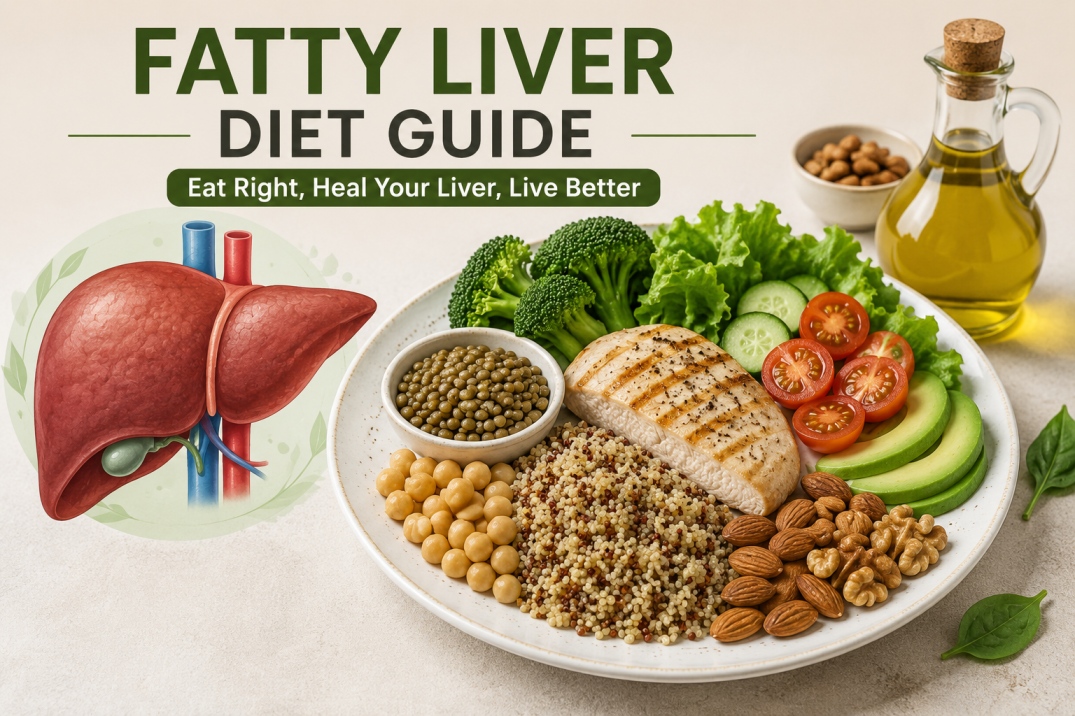
Fatty Liver Diet Guide: Complete Guide
Fatty Liver Diet Guide: Best Foods, Meal Plan, and Nutrition Tips for a Healthy Liver
Fatty liver disease has become one of the most common liver conditions worldwide, affecting millions of people across all age groups. It occurs when excess fat accumulates in the liver, reducing its ability to function efficiently. In its early stages, fatty liver often causes no noticeable symptoms, making it easy to overlook until routine blood tests or imaging reveal the condition.
The most common form is Non-Alcoholic Fatty Liver Disease (NAFLD), now increasingly referred to as Metabolic Dysfunction-Associated Steatotic Liver Disease (MASLD) in updated medical terminology. This condition is strongly linked to obesity, insulin resistance, type 2 diabetes, high cholesterol, and metabolic syndrome. Although fatty liver can progress to more serious liver disease in some individuals, early intervention through healthy lifestyle changes can often reduce liver fat and improve liver health.
One of the most effective treatments for fatty liver is nutrition. There is no single "fatty liver diet," but research consistently shows that eating a balanced diet rich in vegetables, fruits, whole grains, lean protein, healthy fats, and fiber while reducing added sugars and highly processed foods can significantly improve liver health. Even a modest weight loss of 5–10% of body weight has been associated with meaningful reductions in liver fat and improvements in liver function for many people with overweight or obesity.
Regular physical activity, adequate sleep, stress management, and avoiding excess alcohol are equally important in supporting liver recovery. Small, sustainable changes are generally more effective than extreme diets or unproven "liver detox" programs.
In this comprehensive guide, you'll learn what fatty liver disease is, why it develops, how diet affects liver health, the best foods to eat, foods to limit, practical meal-planning strategies, and lifestyle habits that support long-term liver wellness.https://www.who.int
What Is Fatty Liver Disease?
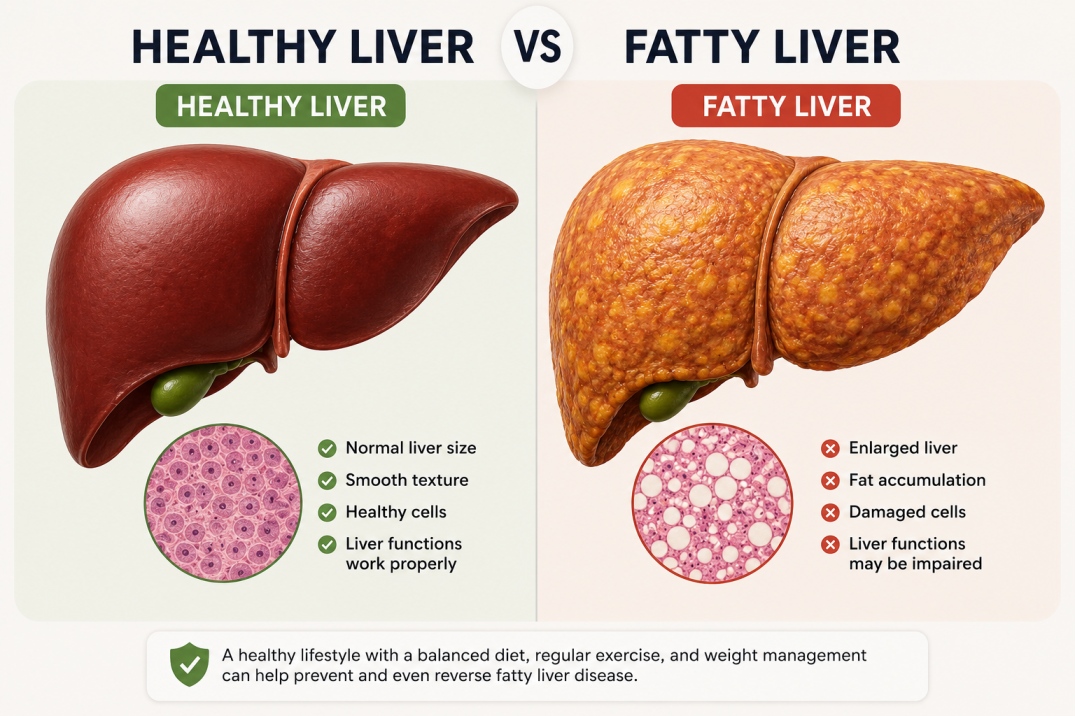
Fatty liver disease occurs when excess fat accumulates inside liver cells.
Normally, the liver contains a small amount of fat. However, when fat accounts for more than about 5% of the liver's weight, it is considered fatty liver.https://liverfoundation.org
There are two major types:
1. Non-Alcoholic Fatty Liver Disease (NAFLD/MASLD)
This type develops in people who drink little or no alcohol.
It is commonly associated with:
Overweight and obesity
Insulin resistance
Type 2 diabetes
High cholesterol
High triglycerides
Metabolic syndrome
NAFLD is now often referred to as Metabolic Dysfunction-Associated Steatotic Liver Disease (MASLD) in updated clinical terminology.
2. Alcohol-Related Liver Disease
This form develops due to excessive alcohol consumption.
Although the causes differ, healthy eating patterns support liver health in both conditions.
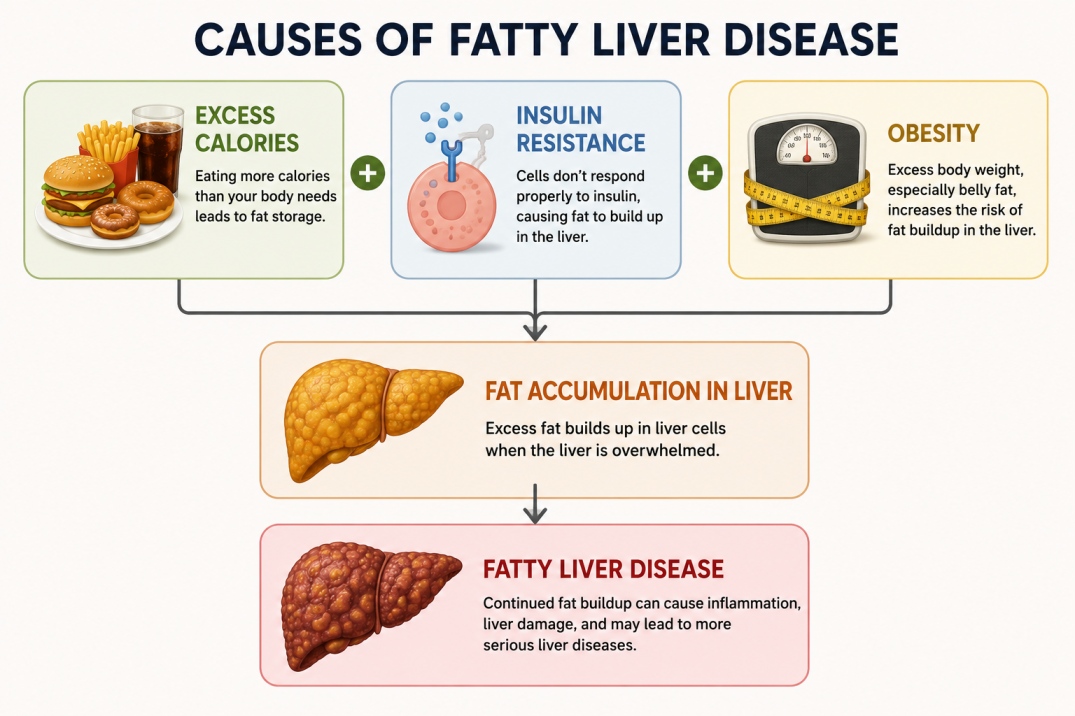
Why Does Fat Build Up in the Liver?
Fatty liver develops when the liver stores more fat than it can process and remove.
Several factors contribute to this imbalance.
Common risk factors include:
Excess calorie intake
Obesity
Insulin resistance
Type 2 diabetes
High triglycerides
Physical inactivity
Diets high in added sugars
Frequent intake of ultra-processed foods
Certain medications
Genetic factors
When these factors persist, fat gradually accumulates inside liver cells.
How Fatty Liver Affects Your Health
The liver performs more than 500 important functions, including:
Processing nutrients
Producing bile for digestion
Storing vitamins and minerals
Regulating blood sugar
Metabolizing fats
Removing toxins and waste products
Producing proteins involved in blood clotting
Excess fat may interfere with these functions over time.
Although many people remain symptom-free in the early stages, untreated fatty liver can increase the risk of:
Liver inflammation
Liver scarring (fibrosis)
Cirrhosis
Liver failure (advanced cases)
Cardiovascular disease
Type 2 diabetes
Early diagnosis and lifestyle changes greatly improve outcomes.
Can Fatty Liver Be Reversed?
For many people, yes.
The liver has a remarkable ability to heal itself.
In the early stages, reducing liver fat through healthy lifestyle changes can improve liver function and, in many cases, reverse fatty liver.
The most effective strategies include:
Achieving gradual weight loss if overweight
Eating a balanced, nutrient-rich diet
Increasing physical activity
Managing blood sugar and cholesterol
Limiting alcohol (or avoiding it entirely if advised by your healthcare provider)
Sleeping well
Managing stress
Rapid weight loss and crash diets are not recommended because they may worsen liver health in some cases.https://wellorafit.com/services/doctor-consultations/
Common Symptoms of Fatty Liver
Many people have no symptoms, especially in the early stages.
When symptoms do occur, they may include:
Persistent fatigue
Mild discomfort in the upper right abdomen
Feeling of fullness
Weakness
Difficulty concentrating
Because symptoms are often absent, fatty liver is frequently discovered during:
Routine blood tests
Liver enzyme testing
Ultrasound
CT scan
MRI
Who Is at Higher Risk?
You may have a higher risk of developing fatty liver if you:
Are overweight or obese
Have type 2 diabetes
Have insulin resistance
Have high triglycerides
Have high cholesterol
Have high blood pressure
Have PCOS
Have metabolic syndrome
Lead a sedentary lifestyle
Have a family history of fatty liver disease
Not everyone with these risk factors develops fatty liver, but they increase the likelihood of the condition.
How Does Diet Affect Fatty Liver?
Diet plays a central role in the development and management of fatty liver disease.https://wellorafit.com/services/nutrition-diet-planning/
A diet high in:
Added sugars
Sugar-sweetened beverages
Refined carbohydrates
Saturated fats
Trans fats
Ultra-processed foods
may contribute to increased liver fat.
In contrast, a diet rich in:
Vegetables
Fruits
Whole grains
Legumes
Lean protein
Healthy fats
Fiber
can support liver health and improve metabolic function.
Research consistently shows that overall dietary quality is more important than any single "superfood" or supplement.
Best Diet for Fatty Liver
There is no single "fatty liver diet," but research consistently shows that certain eating patterns can reduce liver fat, improve liver function, and support overall metabolic health.
The ideal diet should focus on:
Whole, minimally processed foods
High-fiber carbohydrates
Lean protein
Healthy fats
Plenty of fruits and vegetables
Limited added sugars and refined carbohydrates
The goal is not simply to lose weight, but to improve liver health while supporting sustainable lifestyle habits.
The Mediterranean Diet for Fatty Liver
Among all dietary patterns, the Mediterranean diet has the strongest evidence for improving fatty liver disease.
This eating pattern emphasizes:
Vegetables
Fruits
Whole grains
Legumes
Nuts
Seeds
Olive oil
Fish
Lean protein
Herbs and spices
Research suggests that the Mediterranean diet may:
Reduce liver fat
Improve insulin sensitivity
Lower inflammation
Improve cholesterol levels
Support healthy weight loss
Reduce cardiovascular disease risk
Even without significant weight loss, adopting Mediterranean-style eating may improve liver health.
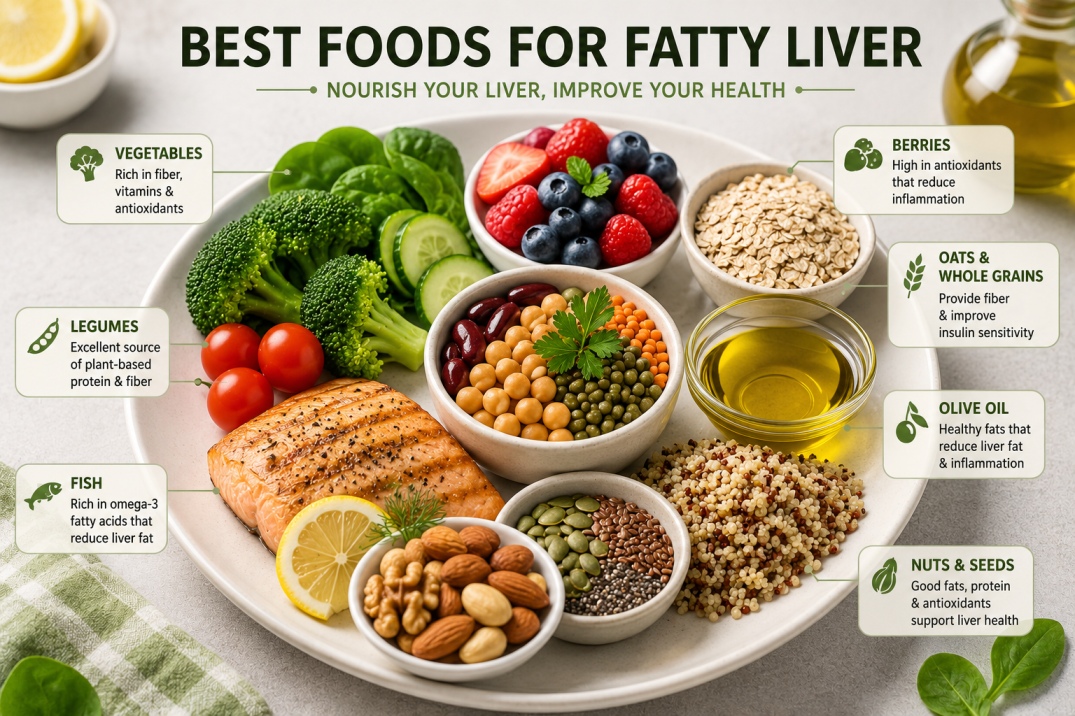
Best Foods for Fatty Liver
1. Vegetables
Vegetables are rich in fiber, antioxidants, vitamins, and minerals that support liver function.
Aim for at least 3–5 servings daily.
Excellent choices include:
Spinach
Broccoli
Cauliflower
Cabbage
Bell peppers
Tomatoes
Carrots
Pumpkin
Bottle gourd
Ridge gourd
Okra
Green beans
Fill half your plate with vegetables whenever possible.
2. Fruits
Whole fruits provide fiber and antioxidants.
Recommended fruits:
Apples
Berries
Oranges
Guava
Papaya
Pears
Kiwi
Pomegranate
Limit fruit juices because they contain less fiber and may contribute to higher sugar intake.
3. Whole Grains
Replace refined grains with whole grains.
Healthy options:
Brown rice
Oats
Quinoa
Barley
Whole wheat
Millets
Whole-grain bread
Whole grains improve satiety and help regulate blood sugar.
4. Lean Protein
Protein supports muscle maintenance and promotes fullness.
Vegetarian
Paneer (low fat)
Tofu
Soy chunks
Lentils
Chickpeas
Kidney beans
Greek yogurt
Low-fat milk
Non-Vegetarian
Chicken breast
Fish
Eggs
Turkey
Aim to include protein with every meal.
5. Healthy Fats
Healthy fats support heart health and may reduce inflammation.
Choose:
Olive oil
Almonds
Walnuts
Pistachios
Chia seeds
Flaxseeds
Pumpkin seeds
Avocados
Consume in moderation because they are calorie-dense.
The Importance of Dietary Fiber
Fiber is one of the most important nutrients for people with fatty liver.
Benefits include:
Improves gut health
Supports healthy blood sugar
Reduces hunger
Helps weight management
Improves cholesterol
Supports liver health
Good sources include:
Vegetables
Fruits
Whole grains
Lentils
Beans
Oats
Chia seeds
Flaxseeds
Aim for approximately 25–35 grams of fiber daily.
Protein and Fatty Liver
Adequate protein intake helps preserve muscle during weight loss.
Maintaining muscle is important because muscle tissue improves insulin sensitivity and supports healthy metabolism.
Protein-rich foods include:
Eggs
Fish
Chicken
Paneer
Tofu
Greek yogurt
Lentils
Chickpeas
Soy products
Include protein in every main meal.
Healthy Fats vs Unhealthy Fats
Not all fats affect liver health in the same way.
Choose More Often
Olive oil
Nuts
Seeds
Fatty fish
Avocados
These provide unsaturated fats that support heart and liver health.
Limit
Deep-fried foods
Butter
Processed meats
Commercial baked goods
Foods high in trans fats
Reducing saturated and trans fats may help improve liver health.
Can Coffee Help Fatty Liver?
Interestingly, research suggests that regular coffee consumption (without excessive sugar or cream) may be associated with better liver health in many adults.
Potential benefits include:
Lower liver enzyme levels
Reduced liver inflammation
Slower progression of liver disease in some individuals
Moderate coffee intake—typically 2–3 cups per day, if appropriate for your health—may be beneficial. However, coffee should not replace medical treatment or healthy eating.
If you are sensitive to caffeine or have other medical conditions, discuss your intake with your healthcare provider.
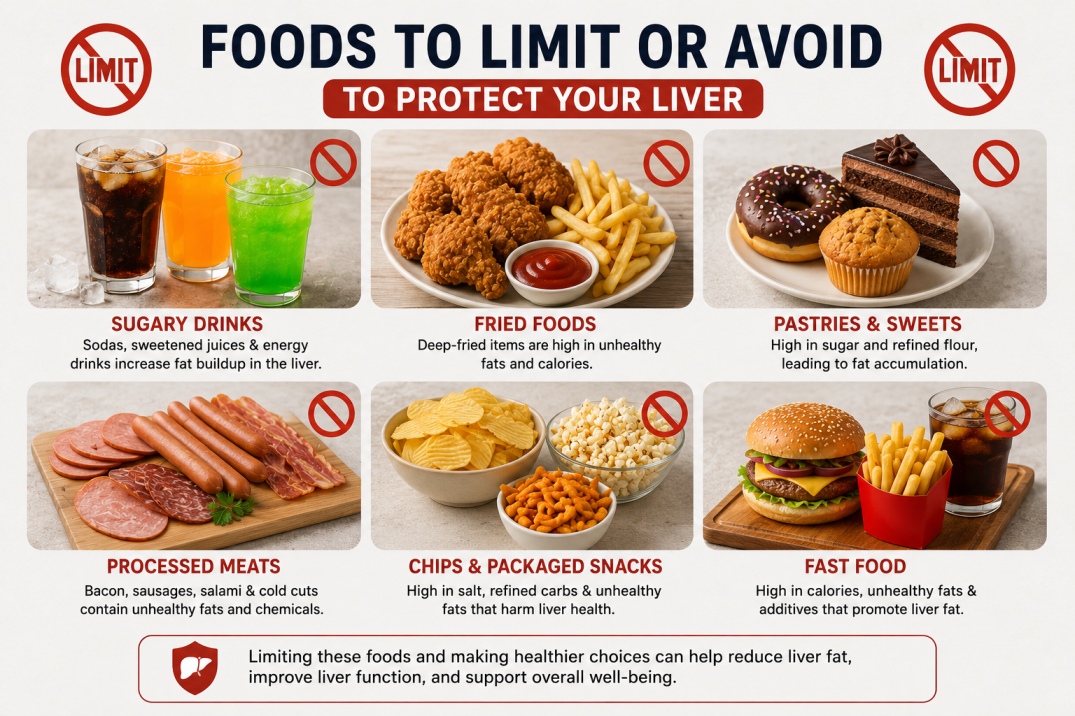
Foods to Limit or Avoid
Reducing certain foods can help decrease liver fat and improve metabolic health.
1. Sugary Beverages
Examples:
Soft drinks
Energy drinks
Sweetened iced tea
Packaged fruit juices
These are major sources of added sugars and may contribute to liver fat accumulation.
Choose:
Water
Lemon water (without added sugar)
Unsweetened tea
Sparkling water
2. Refined Carbohydrates
Limit:
White bread
White rice (large portions)
Pastries
Cookies
Cakes
Sugary breakfast cereals
Choose whole-grain alternatives whenever possible.
3. Deep-Fried Foods
Examples:
French fries
Fried chicken
Pakoras
Chips
Fried snacks
These foods are often high in calories and unhealthy fats.
4. Processed Foods
Limit:
Instant noodles
Packaged snacks
Fast food
Processed meats
Frozen fried foods
Choose freshly prepared meals whenever possible.
5. Excess Alcohol
Alcohol can worsen liver damage and should be limited or avoided based on your healthcare provider's recommendations, especially if you have liver disease.
Sample Fatty Liver Meal Plan
Breakfast
Vegetable oats cooked with milk
One boiled egg or tofu scramble
One apple
Mid-Morning Snack
Greek yogurt
Mixed berries
Lunch
Grilled chicken or paneer
Brown rice or millet
Mixed vegetables
Salad
Evening Snack
Roasted chana
OR
Apple with almonds
Dinner
Dal
Whole wheat chapati
Stir-fried vegetables
Low-fat curd
Optional Bedtime Snack
Warm low-fat milk
OR
Plain Greek yogurt
Common Nutrition Mistakes
1. Following Detox Diets
There is no scientific evidence that juice cleanses or detox diets remove fat from the liver.
Your liver naturally performs detoxification.
2. Losing Weight Too Quickly
Rapid weight loss may worsen fatty liver in some individuals.
Aim for gradual, sustainable weight loss under professional guidance.
3. Skipping Meals
Skipping meals often leads to overeating later.
Eat balanced meals at regular intervals.
4. Eating Too Much Fruit Juice
Whole fruit is healthier than fruit juice because it contains fiber and promotes better blood sugar control.
5. Ignoring Portion Sizes
Even healthy foods can contribute excess calories if eaten in very large portions.
Practice portion control using:
Smaller plates
Balanced meals
Mindful eating
6. Depending on Supplements Alone
Many supplements claim to "cleanse" or "repair" the liver, but most lack strong scientific evidence. Supplements should not replace a balanced diet, regular exercise, or medical care.
Exercise and Fatty Liver: Why Physical Activity Matters
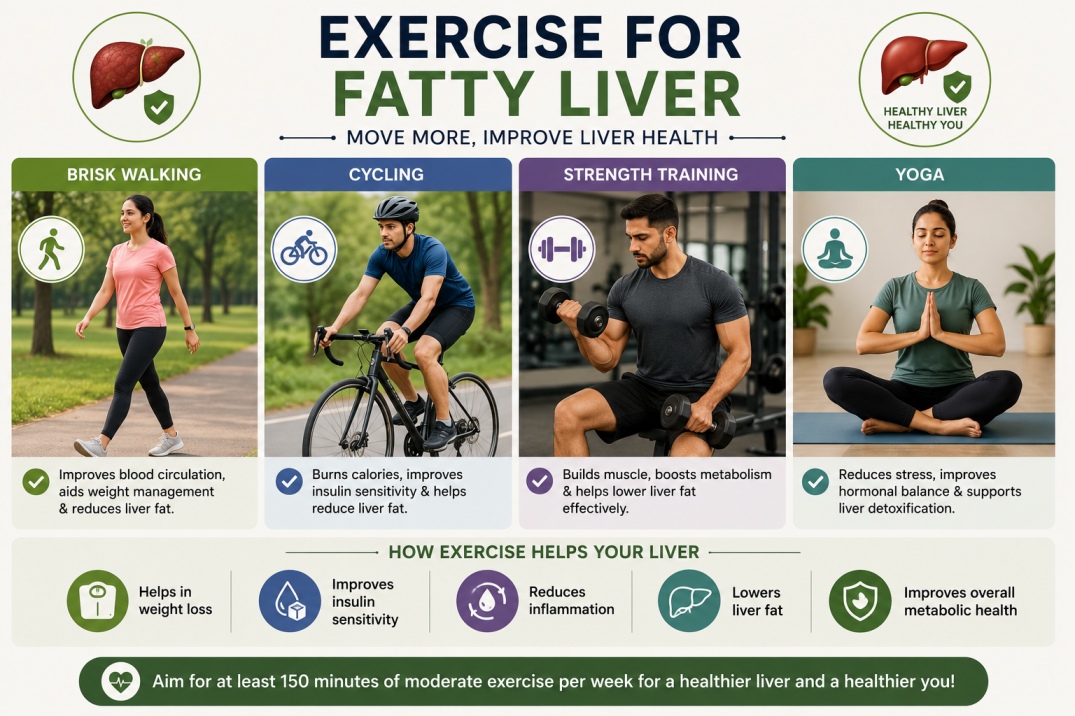
Regular physical activity is one of the most effective lifestyle interventions for managing fatty liver disease. Along with a balanced diet, exercise helps reduce liver fat, improve insulin sensitivity, support healthy weight loss, and enhance overall metabolic health.
The good news is that you don't need intense workouts to see benefits. Even moderate exercise performed consistently can improve liver health, even if significant weight loss hasn't yet occurred.
The key is to find activities you enjoy and can maintain long term.
Benefits of Exercise for Fatty Liver
Regular exercise may help:
Reduce fat stored in the liver
Improve insulin sensitivity
Lower blood sugar levels
Improve cholesterol and triglyceride levels
Support healthy weight loss
Preserve muscle mass
Reduce inflammation
Increase energy levels
Improve heart health
Lower the risk of type 2 diabetes
Combining aerobic exercise with strength training provides the greatest overall health benefits.
Best Types of Exercise for Fatty Liver
1. Brisk Walking
Walking is one of the safest and easiest exercises for people of all fitness levels.
Benefits include:
Burns calories
Improves circulation
Supports liver health
Reduces insulin resistance
Improves cardiovascular fitness
Aim for:
30–45 minutes on most days of the week or 7,000–10,000 steps daily.
2. Strength Training
Building muscle improves metabolism and helps the body use glucose more efficiently.
Examples include:
Squats
Lunges
Push-ups
Resistance bands
Dumbbell exercises
Bodyweight workouts
Benefits:
Preserves lean muscle
Improves insulin sensitivity
Supports healthy metabolism
Increases resting calorie expenditure
Aim for:
2–3 sessions per week
3. Moderate Cardio
Examples:
Cycling
Swimming
Dancing
Elliptical training
Jogging
Hiking
Aim for:
150–300 minutes of moderate-intensity aerobic exercise each week, following general physical activity recommendations.
4. Yoga
Yoga supports both physical and mental well-being.
Potential benefits include:
Stress reduction
Improved flexibility
Better balance
Improved sleep quality
Increased mindfulness
Although yoga alone is unlikely to reduce liver fat significantly, it complements other healthy lifestyle habits.
Weight Loss and Fatty Liver
For people who are overweight or have obesity, gradual weight loss is one of the most effective ways to improve fatty liver disease.
Research suggests:
3–5% weight loss may reduce liver fat.
7–10% weight loss may improve liver inflammation and liver function in many individuals.
Greater weight loss may provide additional benefits in selected cases under medical supervision.
Healthy weight loss should be gradual.
Aim for approximately:
0.5–1 kg per week
Avoid crash diets because rapid weight loss may worsen liver health in some individuals.
Fatty Liver and Insulin Resistance
Insulin resistance plays a major role in the development of Non-Alcoholic Fatty Liver Disease (NAFLD/MASLD).
When cells become less responsive to insulin:
Blood sugar levels increase.
The liver produces more fat.
Fat accumulates inside liver cells.
Weight gain becomes more likely.
Improving insulin sensitivity through healthy eating and regular physical activity can reduce liver fat and improve metabolic health.
Helpful strategies include:
Choosing high-fiber carbohydrates
Including protein with every meal
Exercising regularly
Achieving gradual weight loss if needed
Limiting sugary beverages and highly processed foods
Sleep and Liver Health
Poor sleep affects far more than energy levels—it can also influence metabolism and liver health.
Studies suggest that insufficient sleep may contribute to:
Insulin resistance
Weight gain
Increased appetite
Poor blood sugar control
Higher inflammation
Healthy sleep habits support overall metabolic health and may help with long-term liver management.
Sleep Tips
Aim for 7–9 hours each night.
Keep a consistent sleep schedule.
Avoid heavy meals just before bedtime.
Limit caffeine in the evening.
Reduce screen exposure before sleeping.
Stress and Fatty Liver
Chronic stress doesn't directly cause fatty liver, but it can contribute to behaviors that increase the risk of liver fat accumulation.
Stress may lead to:
Emotional eating
Increased intake of processed foods
Reduced physical activity
Poor sleep
Weight gain
Managing stress is an important part of a healthy lifestyle.
Healthy Ways to Reduce Stress
Try:
Meditation
Deep breathing exercises
Yoga
Walking outdoors
Reading
Journaling
Listening to music
Spending time with family and friends
Even 10–20 minutes daily of stress management can improve overall well-being.
Fatty Liver and Diabetes
Fatty liver and type 2 diabetes are closely linked.
People with diabetes have a higher risk of developing fatty liver, while people with fatty liver are also more likely to develop insulin resistance and type 2 diabetes.
Managing blood sugar is therefore an essential part of fatty liver treatment.
Strategies include:
Eating balanced meals
Limiting added sugars
Choosing whole grains
Exercising regularly
Maintaining a healthy body weight
Taking prescribed medications as directed
Common Myths About Fatty Liver
Myth 1: Fatty liver only affects people who drink alcohol.
Fact
Most cases are caused by metabolic conditions such as obesity, insulin resistance, and type 2 diabetes rather than alcohol.
Myth 2: Fatty liver cannot be reversed.
Fact
In many people, especially in the early stages, reducing liver fat through healthy lifestyle changes can improve liver function and even reverse fatty liver.
Myth 3: Liver detox drinks cure fatty liver.
Fact
There is no strong scientific evidence that detox drinks, cleanses, or herbal teas remove fat from the liver.
Your liver naturally detoxifies the body.
Myth 4: Only overweight people develop fatty liver.
Fact
Although obesity is a major risk factor, fatty liver can also occur in people with a healthy body weight, particularly those with insulin resistance, type 2 diabetes, or certain genetic factors.
Myth 5: Medication alone will cure fatty liver.
Fact
Lifestyle changes—including healthy eating, regular exercise, weight management, and controlling blood sugar—remain the cornerstone of fatty liver management.
Scientific Evidence on Diet and Fatty Liver
Research consistently supports lifestyle modification as the first-line treatment for NAFLD/MASLD.
Current evidence shows:
Gradual weight loss reduces liver fat and improves liver enzyme levels.
The Mediterranean diet is associated with improved liver health and reduced liver fat.
Regular aerobic and resistance exercise improves insulin sensitivity and liver function.
Reducing added sugars, especially sugar-sweetened beverages, helps decrease liver fat accumulation.
Fiber-rich diets improve metabolic health and support healthy gut bacteria, which may indirectly benefit liver health.
Rather than focusing on individual "superfoods," experts recommend improving the overall quality of the diet.
Daily Habits for a Healthy Liver
Morning
Drink water after waking.
Eat a balanced, protein-rich breakfast.
Take prescribed medications if applicable.
Go for a short walk if possible.
Throughout the Day
Fill half your plate with vegetables.
Include lean protein at every meal.
Choose whole grains instead of refined grains.
Stay hydrated.
Avoid sugary drinks.
Evening
Eat dinner at least 2–3 hours before bedtime.
Limit late-night snacking.
Take a short walk after dinner.
Practice stress-management techniques.
Healthy Liver Checklist
✔ Maintain a healthy body weight.
✔ Aim for 150–300 minutes of exercise weekly.
✔ Include protein with every meal.
✔ Eat 25–35 g of fiber daily.
✔ Choose whole grains over refined grains.
✔ Limit added sugars and sugary beverages.
✔ Avoid excessive alcohol.
✔ Sleep 7–9 hours every night.
✔ Stay hydrated.
✔ Have regular follow-ups with your healthcare provider and monitor liver health as recommended.
Key Takeaways
Fatty liver disease is commonly linked to obesity, insulin resistance, type 2 diabetes, and metabolic syndrome, but it can often be improved through healthy lifestyle changes.
A balanced diet rich in vegetables, fruits, whole grains, lean protein, healthy fats, and fiber supports liver health and reduces liver fat.
Gradual weight loss of 5–10% of body weight can significantly improve liver fat, liver inflammation, and overall liver function in many people with overweight or obesity.
Regular physical activity, including aerobic exercise and strength training, helps improve insulin sensitivity and supports healthy weight management.
Limiting added sugars, sugary drinks, refined carbohydrates, and ultra-processed foods is essential for managing fatty liver.
There is no scientific evidence that detox drinks or liver cleanse products reverse fatty liver.
Adequate sleep, stress management, hydration, and regular medical follow-up are important parts of long-term liver health.
Sustainable lifestyle changes are far more effective than crash diets or quick-fix supplements.
Conclusion
A diagnosis of fatty liver disease can feel overwhelming, but the good news is that the condition is often manageable—and in many cases, reversible—especially when identified early. Unlike many chronic liver diseases, fatty liver responds remarkably well to healthy lifestyle changes.
A balanced diet rich in vegetables, fruits, whole grains, lean protein, legumes, healthy fats, and fiber provides the nutrients your liver needs while helping reduce excess fat accumulation. Combined with regular physical activity, gradual weight loss (when appropriate), quality sleep, and stress management, these habits can significantly improve liver health and lower the risk of disease progression.
It is equally important to avoid relying on unproven detox programs or miracle supplements. Your liver already has a natural detoxification system, and there is no single food or drink that can "cleanse" it. Instead, consistent healthy eating, portion control, limiting added sugars, and staying physically active remain the most effective strategies supported by scientific evidence.
Remember that every small step counts. Choosing water instead of sugary drinks, adding more vegetables to your meals, walking regularly, and maintaining a healthy body weight can have a meaningful impact over time. If you have fatty liver along with conditions such as obesity, diabetes, high cholesterol, or high blood pressure, working closely with your healthcare provider and a registered dietitian can help you create a personalized plan for long-term success.
Your liver has an incredible ability to heal. By making sustainable lifestyle changes today, you're investing not only in better liver health but also in improved energy, metabolism, heart health, and overall well-being.
Frequently Asked Questions (FAQ Schema)
1. What is the best diet for fatty liver?
The best diet for fatty liver emphasizes whole, minimally processed foods such as vegetables, fruits, whole grains, legumes, lean protein, healthy fats, and fiber while limiting added sugars, refined carbohydrates, and ultra-processed foods. The Mediterranean diet has the strongest evidence for improving liver health.
2. Can fatty liver be reversed?
Yes. In many people, especially in the early stages, fatty liver can improve or even reverse through gradual weight loss, a balanced diet, regular exercise, and management of underlying conditions such as diabetes and high cholesterol.
3. Which foods help reduce fatty liver?
Foods that support liver health include:
Leafy green vegetables
Broccoli
Oats
Brown rice
Lentils
Beans
Fish
Chicken
Eggs
Olive oil
Nuts and seeds
Fruits such as apples, berries, and oranges
4. Which foods should I avoid if I have fatty liver?
Limit:
Sugary drinks
Added sugars
Refined carbohydrates
Deep-fried foods
Fast food
Processed meats
Ultra-processed snacks
Excess alcohol (or avoid it completely if advised by your healthcare provider)
5. Is coffee good for fatty liver?
Research suggests that moderate coffee consumption (without excessive sugar or cream) may be associated with better liver health and lower liver enzyme levels in many adults. However, coffee should complement—not replace—a healthy diet and medical care.
6. How much weight should I lose to improve fatty liver?
For people with overweight or obesity, losing 5–10% of body weight is associated with meaningful improvements in liver fat and liver function. Weight-loss goals should be individualized under healthcare guidance.
7. Can exercise improve fatty liver without weight loss?
Yes. Regular aerobic exercise and strength training can reduce liver fat and improve insulin sensitivity even before significant weight loss occurs.
8. Are liver detox drinks effective?
No. There is no strong scientific evidence that detox drinks, juice cleanses, or herbal detox products remove fat from the liver or cure fatty liver disease. Sustainable lifestyle changes remain the most effective approach.
9. Is fatty liver dangerous?
Fatty liver is often reversible in its early stages, but if left untreated it may progress to liver inflammation, fibrosis, cirrhosis, or increase the risk of cardiovascular disease and type 2 diabetes. Regular medical follow-up is important.
10. Can people with fatty liver eat carbohydrates?
Yes. Carbohydrates are part of a healthy diet, but choose high-fiber, whole-grain carbohydrates such as oats, brown rice, whole wheat, millets, and quinoa instead of refined carbohydrates and sugary foods.
Ready to Begin Your Health Journey?
Get a personalized, medically guided plan built around your unique biology.