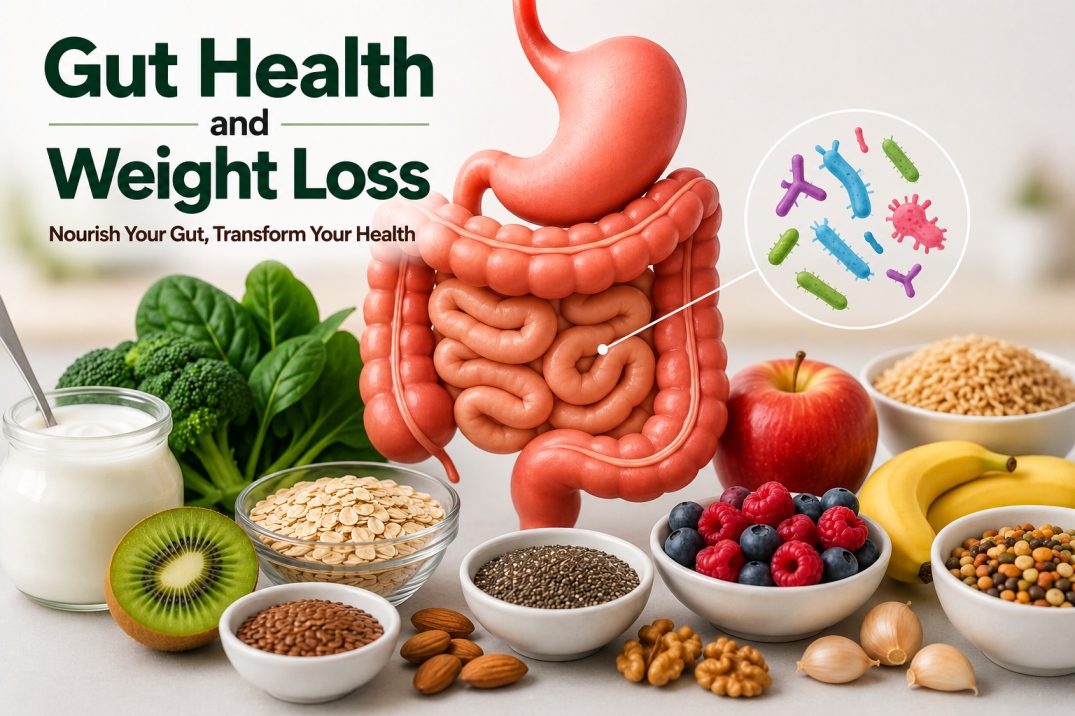
Gut Health and Weight Loss: Complete Guide
Gut Health and Weight Loss: How a Healthy Gut Helps You Lose Weight Naturally
Many people believe that weight loss depends only on eating fewer calories and exercising more. While these factors are important, research now shows that another major player influences your ability to lose weight—your gut health.
Your digestive system is home to trillions of microorganisms, including bacteria, fungi, viruses, and other microbes, collectively known as the gut microbiome. These tiny organisms help digest food, produce vitamins, regulate hormones, strengthen immunity, reduce inflammation, and even influence how your body stores fat and controls hunger.
When your gut microbiome is balanced and diverse, your body becomes more efficient at digesting food, absorbing nutrients, regulating blood sugar, and maintaining a healthy metabolism. On the other hand, an unhealthy gut can contribute to weight gain, increased cravings, poor digestion, chronic inflammation, insulin resistance, and difficulty losing weight.
Scientists have discovered that the composition of gut bacteria differs significantly between people with obesity and those with a healthy body weight. While gut health is not the only factor affecting weight, maintaining a healthy gut can make weight management easier and improve overall health.
The good news is that your gut microbiome is highly adaptable. Simple lifestyle changes such as eating more fiber-rich foods, including fermented foods, staying physically active, sleeping well, and managing stress can improve gut health and support sustainable weight loss.
In this comprehensive guide, you'll learn how the gut microbiome works, why gut health matters for weight loss, the best foods for a healthy gut, lifestyle habits that support beneficial bacteria, and practical tips to improve digestive health naturally.https://www.who.int
What Is Gut Health?
Gut health refers to the overall health and function of your digestive system, particularly the balance of microorganisms living inside your intestines.
Your gastrointestinal tract contains an estimated 100 trillion microorganisms, including beneficial and harmful bacteria. Together, these microorganisms form the gut microbiome, which plays a critical role in maintaining overall health.
A healthy gut is not simply about avoiding stomach problems. It influences almost every system in your body, including:
Digestion and nutrient absorption
Immune system function
Hormone regulation
Blood sugar control
Metabolism
Inflammation
Mental health
Energy production
Appetite regulation
Weight management
Scientists often describe the gut as the body's "second brain" because it communicates continuously with the brain through the gut-brain axis, affecting mood, stress levels, appetite, and food choices.
Maintaining a healthy gut means supporting the growth of beneficial bacteria while limiting harmful microbes through healthy lifestyle habits.
Understanding the Gut Microbiome
The gut microbiome is a vast ecosystem made up of different types of microorganisms living primarily in the large intestine.
These microbes are not harmful—in fact, many are essential for good health.
Beneficial gut bacteria help:
Break down complex carbohydrates
Digest dietary fiber
Produce short-chain fatty acids (SCFAs)
Synthesize certain vitamins (Vitamin K and some B vitamins)
Strengthen the intestinal barrier
Prevent harmful bacteria from growing
Reduce inflammation
Support immune function
Influence metabolism
Help regulate body weight
Every person's gut microbiome is unique, much like a fingerprint.
Its composition depends on several factors:
Birth method (vaginal delivery or cesarean section)
Breastfeeding
Diet
Age
Physical activity
Sleep quality
Stress levels
Medication use (especially antibiotics)
Genetics
Environment
The greater the diversity of beneficial bacteria, the healthier the gut tends to be.
Good Bacteria vs Harmful Bacteria
A healthy gut contains both beneficial and potentially harmful bacteria. Problems arise when harmful bacteria outnumber beneficial ones—a condition known as dysbiosis.
Beneficial Gut Bacteria
Common beneficial bacteria include:
Lactobacillus
Bifidobacterium
Akkermansia muciniphila
Faecalibacterium prausnitzii
These bacteria help:
Improve digestion
Produce beneficial fatty acids
Reduce inflammation
Strengthen immunity
Improve insulin sensitivity
Support healthy weight
Harmful Gut Bacteria
Certain harmful bacteria can increase when the diet is high in processed foods and low in fiber.
Excess harmful bacteria may contribute to:
Bloating
Gas
Constipation
Diarrhea
Increased inflammation
Poor metabolism
Weight gain
Insulin resistance
Increased appetite
The goal is not to eliminate all bacteria but to maintain a healthy balance between beneficial and harmful microbes.
How Gut Health Affects Weight Loss
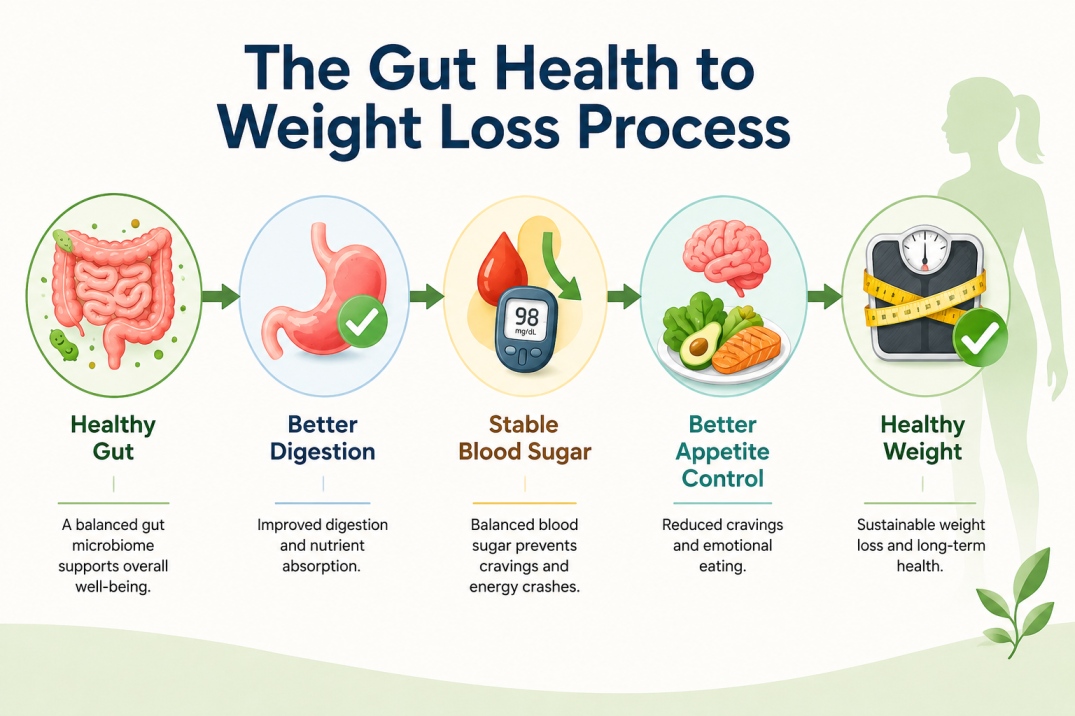
Scientists have identified several ways the gut microbiome influences body weight and metabolism. Although diet and physical activity remain the foundation of weight management, gut health may determine how effectively your body responds to these lifestyle changes.https://www.cdc.gov
1. Gut Bacteria Influence Calorie Extraction
Not all calories are processed equally.
Certain gut bacteria are better at breaking down food and extracting energy than others.
Some bacteria can harvest more calories from the same amount of food, which may contribute to weight gain over time.
Others produce compounds that help regulate metabolism and support fat burning.
This may explain why two people eating similar diets can experience different weight-loss results.
2. Gut Health Regulates Appetite
Your gut communicates directly with your brain through hormones and nerve signals.
Beneficial gut bacteria help regulate important hunger hormones such as:
Ghrelin (the hunger hormone)
Leptin (the fullness hormone)
GLP-1
Peptide YY (PYY)
When your gut microbiome is healthy, these hormones function more effectively, helping you:
Feel full sooner
Stay satisfied longer
Reduce unnecessary snacking
Control cravings
Eat appropriate portions
Poor gut health may disrupt these signals, leading to increased hunger and overeating.
3. Gut Bacteria Affect Blood Sugar Control
A healthy gut helps maintain stable blood sugar levels by improving insulin sensitivity.
Beneficial bacteria slow digestion and support the production of short-chain fatty acids that improve glucose metabolism.
Stable blood sugar means:
Fewer energy crashes
Less sugar cravings
Better appetite control
Reduced fat storage
Improved energy levels
Conversely, poor gut health can contribute to insulin resistance, making weight loss more difficult.
4. Gut Health Reduces Chronic Inflammation
Low-grade chronic inflammation is increasingly recognized as one of the underlying contributors to obesity and metabolic disorders.
When harmful bacteria dominate the gut, they can weaken the intestinal lining, allowing inflammatory compounds to enter the bloodstream.
This process, often called a "leaky gut," may contribute to:
Increased fat storage
Insulin resistance
Slower metabolism
Fatigue
Higher risk of chronic diseases
Beneficial gut bacteria help maintain the integrity of the gut lining and reduce inflammation throughout the body.
5. Gut Microbiome Influences Fat Storage
Research suggests that gut bacteria can affect genes involved in fat storage.
Certain bacterial species promote:
Better fat metabolism
Improved energy expenditure
Reduced abdominal fat accumulation
Others may encourage the body to store excess calories as body fat.
Although this area of research is still evolving, maintaining a diverse gut microbiome appears to support healthier body composition.
6. Production of Short-Chain Fatty Acids (SCFAs)
One of the most important jobs of beneficial gut bacteria is fermenting dietary fiber into compounds called short-chain fatty acids (SCFAs).
The three primary SCFAs are:
Acetate
Propionate
Butyrate
These compounds provide numerous health benefits, including:
Nourishing the cells lining the colon
Reducing inflammation
Improving insulin sensitivity
Supporting immune function
Enhancing gut barrier integrity
Regulating appetite hormones
Supporting healthy metabolism
Eating more fiber-rich foods encourages beneficial bacteria to produce these valuable compounds.
7. Gut-Brain Connection
The gut and brain communicate continuously through a network known as the gut-brain axis.
This two-way communication influences:
Mood
Stress response
Food cravings
Hunger
Emotional eating
Sleep quality
Approximately 90% of the body's serotonin, a neurotransmitter associated with mood and well-being, is produced in the digestive tract.
Poor gut health may contribute to anxiety, stress, and emotional eating behaviors that can interfere with weight-loss efforts.
Maintaining a healthy gut may therefore support both physical and mental well-being, making healthy lifestyle habits easier to sustain.
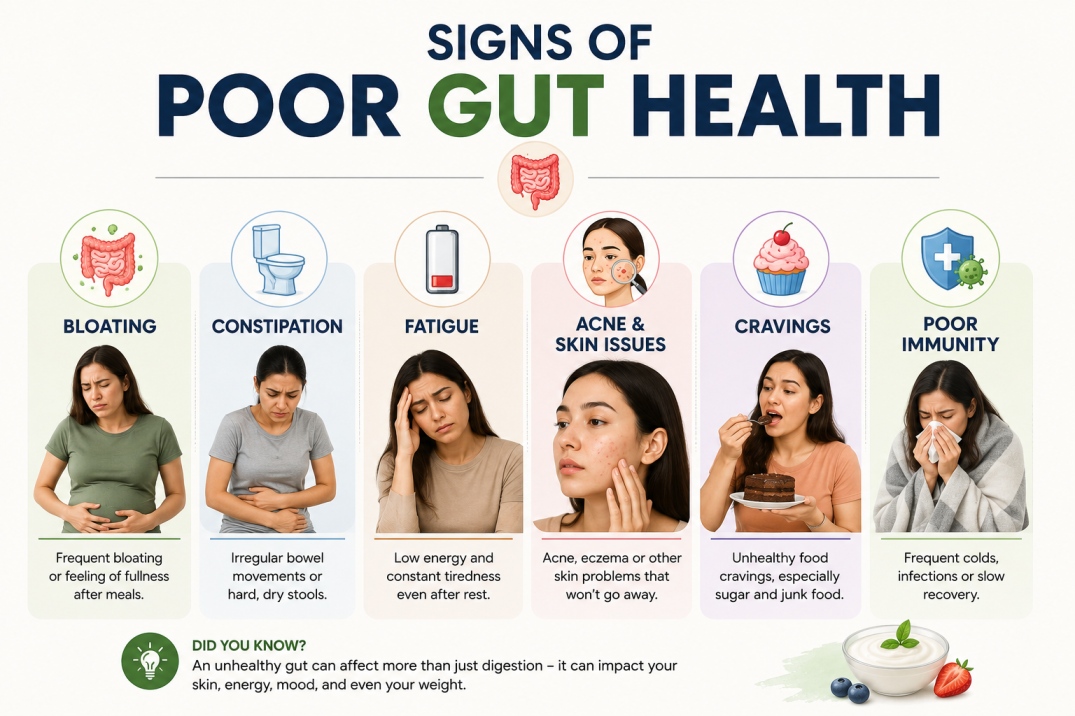
Signs of Poor Gut Health
An unhealthy gut doesn't always cause obvious digestive symptoms. In many cases, poor gut health develops gradually and may affect metabolism, immunity, and overall well-being long before digestive issues become noticeable.
Recognizing these early warning signs can help you take action before they contribute to long-term health problems.
Common Signs of an Unhealthy Gut
1. Frequent Bloating
Occasional bloating after a heavy meal is normal, but frequent bloating may indicate an imbalance in gut bacteria.
Excess gas-producing bacteria can ferment undigested food, leading to:
Abdominal fullness
Gas
Stomach discomfort
Burping
2. Constipation or Diarrhea
Regular bowel movements are one of the clearest signs of a healthy digestive system.
Persistent constipation, diarrhea, or alternating between the two may suggest:
Poor gut microbiome diversity
Low fiber intake
Digestive disorders
Food intolerances
3. Excessive Gas
While some gas is normal, excessive gas after most meals may indicate:
Poor digestion
Food intolerances
Gut bacterial imbalance
Excess processed food intake
4. Frequent Sugar Cravings
Certain harmful bacteria thrive on sugar and refined carbohydrates.
When these bacteria become dominant, they may influence appetite, making you crave:
Chocolates
Soft drinks
Cakes
Candy
Sweet snacks
Processed foods
This creates a cycle where unhealthy bacteria continue to flourish.
5. Difficulty Losing Weight
If you're eating well and exercising consistently but still struggling to lose weight, poor gut health may be one contributing factor.
Research suggests that an imbalanced gut microbiome can affect:
Appetite hormones
Fat storage
Blood sugar regulation
Metabolism
Energy extraction from food
6. Fatigue
A large portion of your immune system and nutrient absorption depends on your gut.
Poor gut health may reduce nutrient absorption, leading to:
Low energy
Brain fog
Reduced concentration
Persistent tiredness
7. Frequent Illness
Nearly 70% of the immune system is associated with the gut.
An unhealthy gut may weaken immune defenses, increasing susceptibility to:
Colds
Infections
Allergies
Inflammatory conditions
8. Skin Problems
The connection between gut health and skin is becoming increasingly recognized.
Poor gut health may contribute to:
Acne
Eczema
Rosacea
Dry skin
Inflammation
9. Mood Changes
The gut produces many chemicals that communicate with the brain.
Gut imbalance has been linked to:
Anxiety
Depression
Irritability
Stress
Mood swings
Maintaining a healthy gut may support better emotional well-being.
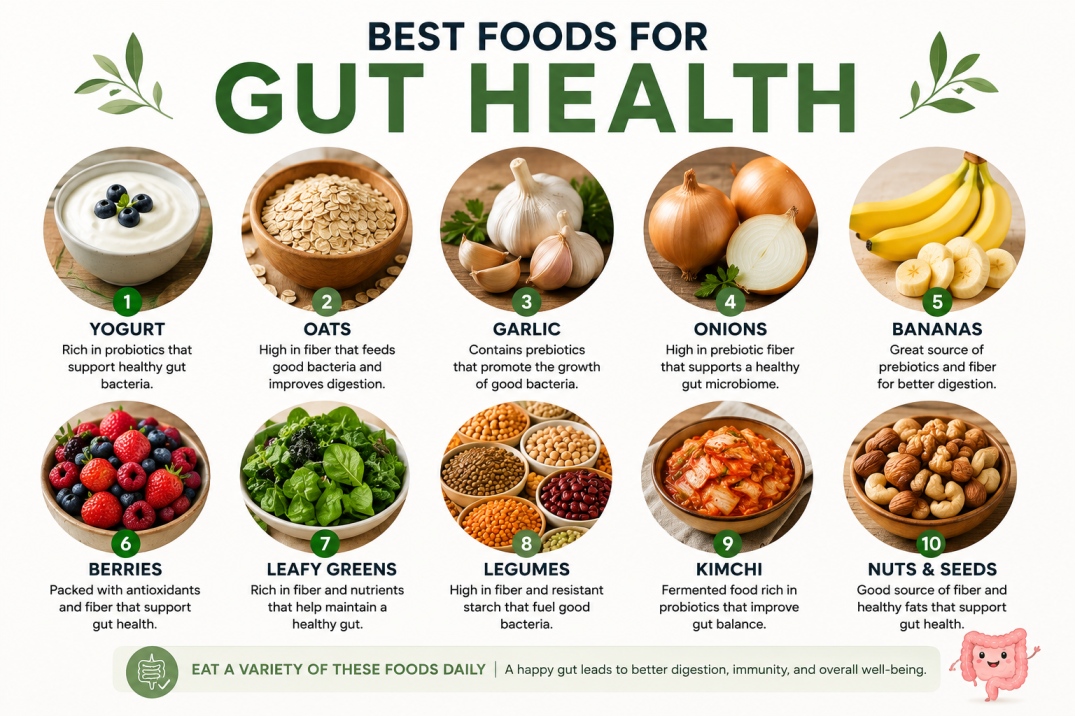
Best Foods for Gut Health and Weight Loss
Food is one of the most powerful tools for improving your gut microbiome.
Every meal either nourishes beneficial bacteria or encourages the growth of harmful microbes.
Eating a variety of plant-based, fiber-rich foods supports greater bacterial diversity, which is associated with better digestion, metabolism, and long-term health.https://wellorafit.com/services/nutrition-diet-planning/
1. High-Fiber Foods
Fiber is often called the "fuel" for beneficial gut bacteria.
Unlike most nutrients, fiber is not completely digested by humans. Instead, it reaches the large intestine, where beneficial bacteria ferment it into short-chain fatty acids (SCFAs), which promote gut health and reduce inflammation.
Excellent Sources of Fiber
Whole grains
Oats
Brown rice
Whole wheat
Quinoa
Millets
Vegetables
Broccoli
Spinach
Carrots
Beetroot
Cauliflower
Cabbage
Pumpkin
Fruits
Apples
Pears
Oranges
Berries
Guava
Papaya
Banana
Legumes
Lentils
Chickpeas
Kidney beans
Black beans
Green peas
Seeds
Chia seeds
Flaxseeds
Pumpkin seeds
Aim for 25–35 grams of fiber daily for optimal digestive health.
2. Probiotic Foods
Probiotics are live beneficial bacteria that help restore and maintain a healthy gut microbiome.
Regular consumption of probiotic foods may improve digestion, reduce bloating, strengthen immunity, and support weight management.
Best Natural Probiotic Foods
Yogurt with live cultures
Kefir
Buttermilk
Kimchi
Sauerkraut
Miso
Tempeh
Fermented pickles (naturally fermented)
Including one probiotic-rich food daily can help support beneficial gut bacteria.
What Are Probiotics?
Probiotics are living microorganisms that provide health benefits when consumed in adequate amounts.
Common probiotic strains include:
Lactobacillus
Bifidobacterium
Saccharomyces boulardii
Potential benefits include:
Better digestion
Reduced diarrhea
Improved bowel regularity
Enhanced immunity
Reduced bloating
Better nutrient absorption
Support for healthy body weight
While probiotic supplements may be useful in some situations, whole-food sources are generally recommended for long-term gut health.
3. Prebiotic Foods
While probiotics add beneficial bacteria, prebiotics feed those bacteria.
Prebiotics are specialized plant fibers that beneficial gut microbes use as food.
Without enough prebiotics, probiotics cannot thrive.
Best Prebiotic Foods
Garlic
Onion
Leeks
Asparagus
Bananas (slightly green)
Chicory root
Oats
Apples
Barley
Whole grains
Eating a combination of probiotics and prebiotics provides the greatest benefit for the gut microbiome.
Probiotics vs Prebiotics
Probiotics
Prebiotics
Live beneficial bacteria
Food for beneficial bacteria
Found in fermented foods
Found in fiber-rich plant foods
Improve gut bacteria directly
Help existing bacteria grow
Support digestion
Increase bacterial diversity
Enhance immunity
Promote SCFA production
Think of it this way:
Probiotics = Good bacteria
Prebiotics = Food for those bacteria
Both work together to improve gut health.
4. Fermented Foods
Fermentation is one of the oldest methods of food preservation and naturally increases beneficial bacteria.
Regular intake of fermented foods has been associated with:
Increased microbial diversity
Better digestion
Reduced inflammation
Improved immune health
Examples include:
Yogurt
Kefir
Kombucha
Kimchi
Sauerkraut
Miso
Fermented vegetables
Choose products with live cultures and minimal added sugar.
5. Polyphenol-Rich Foods
Polyphenols are plant compounds that beneficial gut bacteria convert into health-promoting substances.
Foods rich in polyphenols include:
Blueberries
Strawberries
Grapes
Green tea
Dark chocolate (70% cocoa or higher)
Olive oil
Turmeric
Cocoa
Coffee (in moderation)
These foods may reduce inflammation and encourage the growth of beneficial bacteria.
6. Healthy Fats
Healthy fats support both gut health and overall metabolic health.
Good sources include:
Avocados
Olive oil
Walnuts
Almonds
Chia seeds
Flaxseeds
Fatty fish (salmon, sardines, mackerel)
Omega-3 fatty acids may reduce inflammation and support a healthier gut microbiome.
Foods That Harm Gut Health
Just as some foods nourish beneficial bacteria, others encourage harmful microbes and increase inflammation.
Occasional treats are perfectly fine, but regularly eating these foods may negatively affect gut health.
1. Highly Processed Foods
Highly processed foods often contain:
Artificial additives
Preservatives
Refined starches
Excess sodium
Added sugars
Examples include:
Packaged snacks
Instant noodles
Frozen processed meals
Processed meats
2. Sugary Foods and Drinks
Excess sugar encourages the growth of harmful bacteria while reducing beneficial bacterial diversity.
Limit:
Soft drinks
Candy
Cakes
Pastries
Sweetened cereals
Energy drinks
3. Artificial Sweeteners
Some studies suggest that excessive intake of artificial sweeteners may alter the gut microbiome and affect glucose metabolism.
Use them in moderation and prioritize naturally sweet foods such as fruit whenever possible.
4. Excess Alcohol
Heavy alcohol intake may:
Damage the gut lining
Increase inflammation
Reduce beneficial bacteria
Increase intestinal permeability
Moderation is key.
5. Low-Fiber Diet
A diet lacking fiber can starve beneficial bacteria, reducing microbial diversity over time.
Increasing whole plant foods is one of the simplest ways to improve gut health.
Sample Gut-Friendly Plate
A balanced meal for both digestive health and weight management should include:
🥗 Half Plate
Colorful vegetables
Leafy greens
Salad
Seasonal vegetables
🍗 One-Quarter Plate
Lean protein
Dal
Paneer
Eggs
Fish
Chicken
Tofu
🌾 One-Quarter Plate
Brown rice
Whole wheat roti
Millets
Quinoa
🥜 Healthy Fat
A handful of nuts
Seeds
Olive oil dressing
🥣 Optional
A serving of yogurt or buttermilk containing live cultures
This balanced plate provides fiber, protein, healthy fats, and probiotics that nourish your gut while supporting sustainable weight loss.https://wellorafit.com/services/nutrition-diet-planning/
Hydration and Gut Health
Water is often overlooked when discussing digestive health, yet it plays a vital role in maintaining a healthy gut.
Adequate hydration helps:
Soften stool and prevent constipation
Support nutrient absorption
Promote healthy digestion
Maintain the protective mucus lining of the intestines
Support beneficial gut bacteria
Tips to Stay Hydrated
Drink 2–3 liters of water daily (more if physically active or in hot climates).
Start your morning with a glass of water.
Carry a reusable water bottle.
Replace sugary beverages with water, infused water, or unsweetened herbal teas.
Include water-rich foods such as cucumber, watermelon, oranges, and tomatoes in your diet.
Proper hydration, combined with a fiber-rich diet, is essential for smooth digestion and a healthy gut microbiome.
Gut Health and Exercise
Exercise is widely recognized for improving heart health, strengthening muscles, and supporting weight loss. However, research also shows that regular physical activity positively influences the gut microbiome.
People who exercise consistently tend to have greater microbial diversity, which is associated with better digestion, stronger immunity, and improved metabolic health.
Exercise also stimulates intestinal movement, reducing the risk of constipation and promoting regular bowel movements.
How Exercise Benefits Gut Health
Regular physical activity may:
Increase beneficial gut bacteria
Improve digestion
Reduce chronic inflammation
Enhance insulin sensitivity
Support healthy metabolism
Promote regular bowel movements
Lower stress levels
Improve gut barrier function
The best part is that you don't need intense workouts to experience these benefits.https://wellorafit.com/services/fitness-training/
Best Types of Exercise for Gut Health and Weight Loss
1. Walking
Walking is one of the simplest and most effective activities for improving digestive health.
Benefits include:
Improves bowel movements
Reduces bloating
Supports metabolism
Burns calories
Reduces stress
Aim for 8,000–10,000 steps daily.
2. Strength Training
Building muscle improves metabolism while supporting blood sugar control.
Benefits include:
Burns more calories at rest
Improves insulin sensitivity
Preserves lean muscle during weight loss
Supports healthy body composition
Aim for 2–4 sessions per week.
3. Moderate Cardio
Examples include:
Cycling
Swimming
Brisk walking
Dancing
Jogging
Aim for 150–300 minutes per week.
4. Yoga
Yoga offers unique digestive benefits by combining movement, breathing, and stress reduction.
Potential benefits:
Improves digestion
Reduces bloating
Lowers stress hormones
Enhances gut-brain communication
Improves flexibility
Sleep and Gut Health
Sleep and gut health are closely connected.
Poor sleep affects gut bacteria, while an unhealthy gut may also interfere with sleep quality.
Even a few nights of poor sleep can negatively influence the gut microbiome.
How Poor Sleep Affects the Gut
Lack of sleep may:
Reduce beneficial bacteria
Increase inflammation
Increase hunger hormones
Reduce insulin sensitivity
Increase cravings
Encourage overeating
Slow recovery
People sleeping fewer than six hours regularly often have lower microbial diversity than those sleeping seven to nine hours.
Tips for Better Sleep
Aim for 7–9 hours every night.
Maintain a regular sleep schedule.
Avoid heavy meals just before bedtime.
Limit caffeine in the evening.
Reduce screen time 30–60 minutes before sleep.
Keep your bedroom cool, dark, and quiet.
Good sleep supports both gut health and sustainable weight management.
Stress, Cortisol, and the Gut-Brain Axis
Stress affects far more than your mood—it also impacts your digestive system.
The gut and brain communicate continuously through the gut-brain axis, a two-way communication network involving nerves, hormones, and the immune system.
When stress becomes chronic, the body produces higher levels of cortisol, the primary stress hormone.
High cortisol levels may:
Slow digestion
Alter gut bacteria
Increase inflammation
Trigger emotional eating
Increase abdominal fat storage
Worsen irritable bowel symptoms
Many people notice digestive discomfort during periods of stress because of this close connection.
Ways to Reduce Stress Naturally
Daily stress-management practices can improve both mental health and gut health.
Helpful habits include:
Meditation
Deep breathing exercises
Yoga
Walking outdoors
Reading
Listening to music
Journaling
Spending time with family and friends
Even 10–15 minutes of relaxation each day can positively affect the gut microbiome over time.
Do You Need Probiotic Supplements?
With growing interest in gut health, probiotic supplements have become increasingly popular. However, supplements are not always necessary for everyone.
A balanced diet rich in probiotic and prebiotic foods can often support a healthy gut microbiome without supplementation.
Supplements May Be Helpful In Certain Situations
Your healthcare provider may recommend probiotics after:
Antibiotic treatment
Certain digestive infections
Some gastrointestinal disorders
Specific cases of antibiotic-associated diarrhea
The effectiveness of probiotic supplements depends on the strain, dosage, and individual health condition.
Rather than choosing products based on marketing claims, consult a healthcare professional if you're considering supplements.
Common Mistakes That Damage Gut Health
Many everyday habits unknowingly harm the gut microbiome.
Avoiding these common mistakes can significantly improve digestive and overall health.
1. Eating Too Few Plant Foods
A limited diet reduces microbial diversity.
Aim to eat a wide variety of:
Vegetables
Fruits
Whole grains
Legumes
Nuts
Seeds
The greater the variety, the healthier your gut bacteria tend to be.
2. Overusing Antibiotics
Antibiotics save lives when needed, but unnecessary use may also destroy beneficial gut bacteria.
Only take antibiotics when prescribed by a qualified healthcare provider.
3. Eating Excess Ultra-Processed Foods
Highly processed foods often lack fiber and contain additives that may negatively affect gut bacteria.
Replace packaged snacks with:
Fresh fruit
Yogurt
Nuts
Roasted chickpeas
Homemade snacks
4. Chronic Stress
Long-term stress continuously alters gut bacteria.
Managing stress is just as important as eating healthy foods.
5. Poor Sleep
Consistently sleeping less than seven hours can negatively affect both metabolism and the gut microbiome.
Prioritize sleep as part of your wellness routine.
6. Low Water Intake
Without enough water, digestion slows, increasing the risk of constipation and digestive discomfort.
Stay hydrated throughout the day.
7. Following Crash Diets
Very restrictive diets reduce dietary variety and may deprive beneficial bacteria of the nutrients they need.
Instead of eliminating entire food groups unnecessarily, focus on balanced, sustainable eating patterns.
Scientific Evidence Linking Gut Health and Weight Loss
Research into the gut microbiome has expanded rapidly over the past decade, revealing strong connections between digestive health and body weight.
Key findings include:
Individuals with obesity often have lower microbial diversity compared with those of healthy weight.
Diets rich in dietary fiber increase beneficial bacteria and support the production of short-chain fatty acids (SCFAs), which play a role in appetite regulation and metabolic health.
Fermented foods may improve microbial diversity and reduce markers of inflammation.
A diverse gut microbiome is associated with improved insulin sensitivity and healthier body composition.
Long-term dietary habits have a greater impact on gut health than short-term "detox" diets or quick fixes.
Although research is ongoing, experts agree that improving gut health should be viewed as part of a comprehensive lifestyle approach—including nutritious eating, regular exercise, adequate sleep, and stress management—rather than as a standalone solution for weight loss.
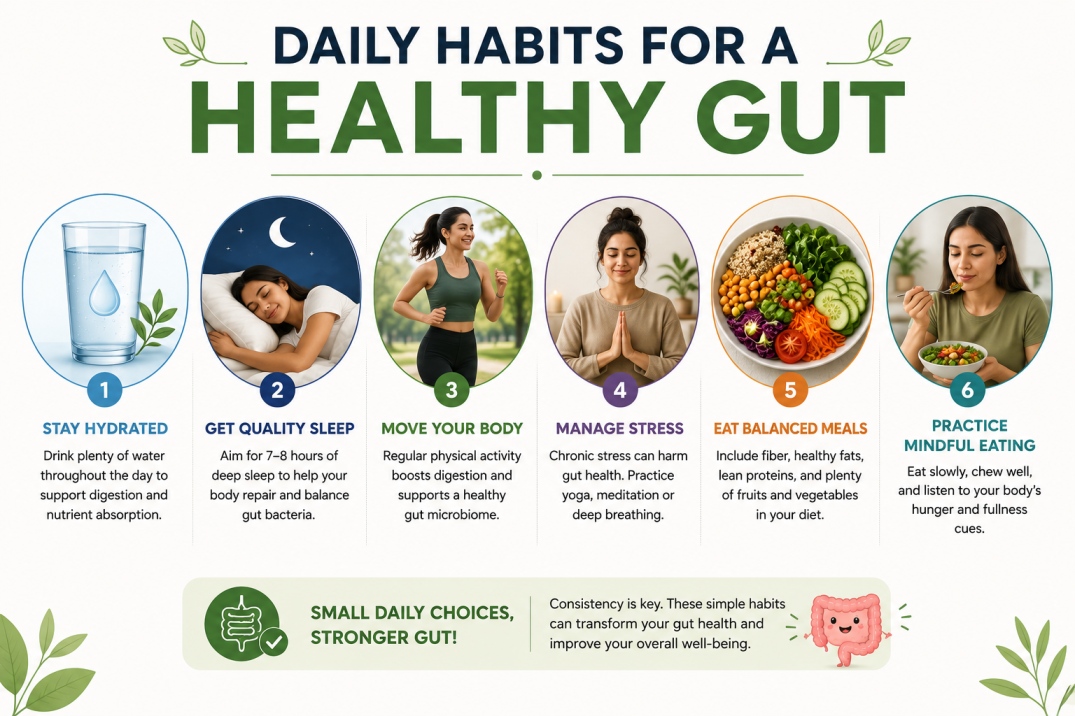
Daily Habits for a Healthy Gut
Improving gut health doesn't require drastic changes. Small, consistent habits practiced every day can make a meaningful difference.
Morning
Drink a glass of water after waking up.
Eat a protein-rich, fiber-filled breakfast.
Include a serving of fruit.
Throughout the Day
Eat vegetables with every meal.
Include whole grains instead of refined grains.
Snack on nuts or seeds.
Stay hydrated.
Move your body regularly.
Evening
Eat dinner at least 2–3 hours before bedtime.
Limit heavy, high-sugar late-night snacks.
Practice a relaxing bedtime routine.
Aim for 7–9 hours of sleep.
Healthy Gut Checklist
✔ Eat at least 25–35 g of fiber daily.
✔ Include fermented foods regularly.
✔ Eat a variety of colorful fruits and vegetables.
✔ Choose whole grains over refined grains.
✔ Stay physically active.
✔ Drink enough water.
✔ Sleep 7–9 hours.
✔ Manage daily stress.
✔ Avoid unnecessary antibiotics.
✔ Limit highly processed foods and sugary beverages.
✔ Eat slowly and chew food thoroughly.
✔ Maintain a consistent meal schedule.
Can Improving Gut Health Help You Lose Weight?
A healthier gut alone will not cause weight loss, but it can make healthy weight management easier by supporting better digestion, appetite regulation, blood sugar control, and metabolism.
When combined with:
Balanced nutrition
Portion control
Regular physical activity
Quality sleep
Stress management
…a healthy gut can become a valuable part of a sustainable weight-loss journey.
Rather than focusing on quick fixes or expensive supplements, prioritize everyday habits that nourish your gut microbiome. Over time, these habits can improve not only your digestive health but also your energy, immunity, and overall well-being.
Key Takeaways
Gut health plays an important role in digestion, metabolism, immunity, and weight management.
A diverse gut microbiome supports healthy digestion, appetite regulation, and better blood sugar control.
Fiber-rich foods nourish beneficial gut bacteria and promote the production of short-chain fatty acids (SCFAs), which help reduce inflammation and support metabolic health.
Probiotics and prebiotics work together to maintain a balanced gut microbiome.
Highly processed foods, excessive sugar, chronic stress, poor sleep, and unnecessary antibiotic use can negatively affect gut health.
Regular physical activity, adequate hydration, quality sleep, and stress management are just as important as healthy eating for maintaining a healthy gut.
Improving gut health is not a quick fix for weight loss, but it can make sustainable weight management easier when combined with balanced nutrition and an active lifestyle.
Conclusion
Your gut is much more than a digestive organ—it is a complex ecosystem that influences nearly every aspect of your health, from metabolism and immunity to mood and body weight.
A healthy gut microbiome supports efficient digestion, helps regulate appetite, improves blood sugar control, reduces inflammation, and contributes to better overall metabolic health. While gut health alone won't cause weight loss, it creates a healthier internal environment that makes it easier to maintain healthy habits and achieve long-term results.
Instead of relying on restrictive diets or expensive supplements, focus on simple daily habits that nourish your gut. Eating a wide variety of fiber-rich foods, including fermented foods, staying physically active, drinking enough water, sleeping well, and managing stress can all contribute to a healthier microbiome.
Remember that building a healthy gut takes time. Small, consistent lifestyle changes practiced every day are far more effective than short-term solutions. By caring for your gut, you're not only supporting weight loss but also investing in your long-term digestive health, immune function, and overall well-being.
A healthier gut truly lays the foundation for a healthier body—and every positive choice you make today can help your microbiome thrive for years to come.
Frequently Asked Questions (FAQ Schema)
1. What is the gut microbiome?
The gut microbiome is a community of trillions of microorganisms, including bacteria, fungi, and other microbes, that live in your digestive tract. These microbes help digest food, produce vitamins, regulate immunity, and influence metabolism and overall health.
2. Can improving gut health help with weight loss?
Yes. While gut health alone doesn't directly cause weight loss, a balanced gut microbiome can support healthy digestion, regulate appetite, improve insulin sensitivity, reduce inflammation, and make sustainable weight management easier.
3. What foods are best for gut health?
Some of the best gut-friendly foods include:
Yogurt with live cultures
Kefir
Oats
Apples
Bananas
Garlic
Onion
Lentils
Beans
Leafy green vegetables
Whole grains
Nuts and seeds
4. What are probiotics?
Probiotics are live beneficial microorganisms found in fermented foods and some supplements. They help maintain a healthy balance of gut bacteria, improve digestion, and support immune health.
5. What are prebiotics?
Prebiotics are types of dietary fiber that feed beneficial gut bacteria. Foods such as garlic, onions, bananas, oats, asparagus, and whole grains are excellent sources of prebiotics.
6. How much fiber should I eat each day?
Most adults should aim for 25–35 grams of dietary fiber daily, depending on age, sex, and individual health needs.
7. Can stress affect gut health?
Yes. Chronic stress can alter the gut microbiome, slow digestion, increase inflammation, and contribute to digestive symptoms such as bloating and abdominal discomfort.
8. Do I need probiotic supplements?
Not necessarily. Many people can support their gut health through a balanced diet rich in fermented foods and fiber. Probiotic supplements may be recommended in certain situations, such as after antibiotic treatment or for specific digestive conditions, under medical guidance.
9. Which foods should I avoid for better gut health?
Limit foods that may negatively affect the gut microbiome, including:
Sugary beverages
Ultra-processed foods
Excess alcohol
Deep-fried foods
Highly refined carbohydrates
Excessive artificial sweeteners
10. How long does it take to improve gut health?
Some people notice improvements in digestion within a few weeks of making dietary changes, while significant improvements in the gut microbiome may take several months. Consistency is the key to long-term gut health.
Ready to Begin Your Health Journey?
Get a personalized, medically guided plan built around your unique biology.