Healthy Eating on a Budget: An Indian Grocery Guide
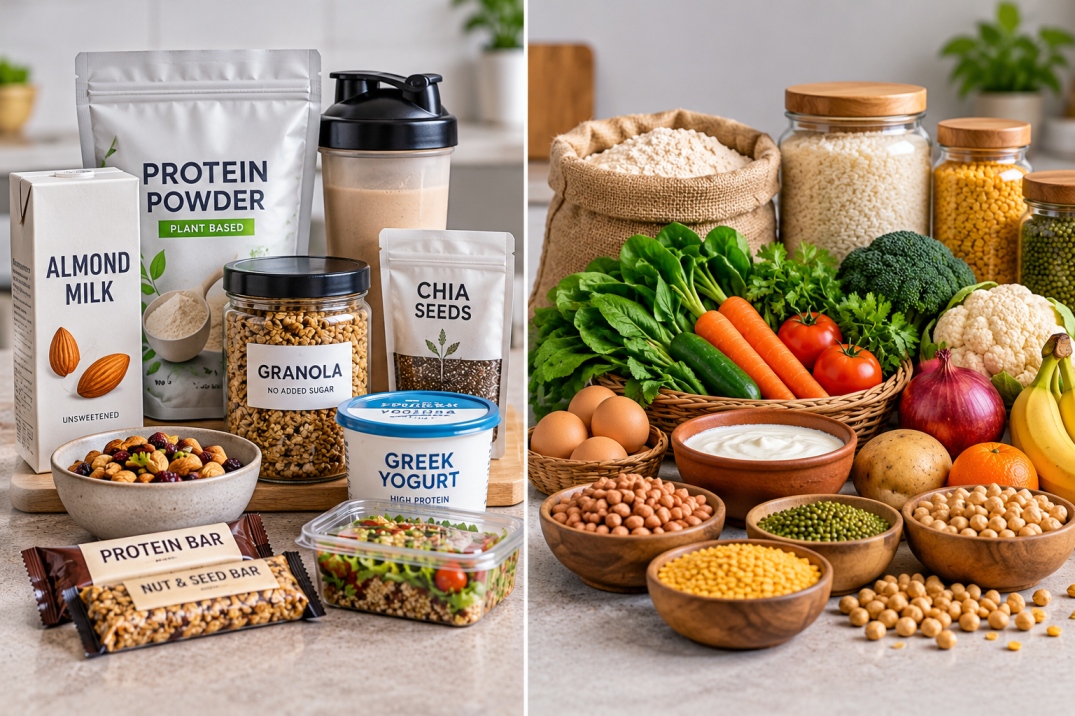
Eating healthy does not have to mean buying expensive "health foods."
You do not need:
Imported superfoods
Expensive protein bars
Organic products for every meal
Fancy cereals
Premium packaged snacks
Expensive supplements
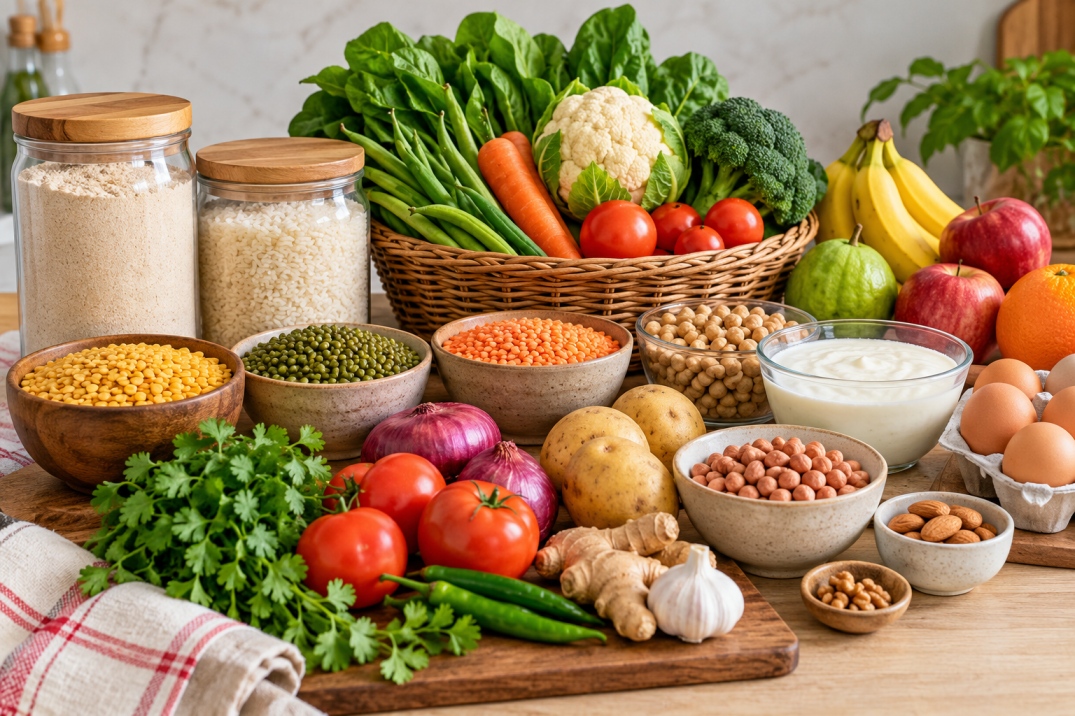
A nutritious Indian diet can be built around many affordable everyday foods.
Think about:
Dal.
Chana.
Rajma.
Seasonal vegetables.
Local fruits.
Rice.
Atta.
Millets when affordable and preferred.
Curd.
Eggs.
Peanuts.
Roasted chana.
These foods can provide protein, carbohydrates, fiber, vitamins and minerals without requiring a premium grocery budget.
The key is not simply finding the cheapest food.
It is learning how to spend your grocery budget on foods that provide good nutritional value, flexibility and satiety.https://www.who.int/health-topics/healthy-diet
Is Healthy Eating Really More Expensive?
It can be—but it doesn't have to be.
Some foods marketed as "healthy" are expensive because they are:
Imported
Highly processed
Individually packaged
Marketed as specialty products
Sold as convenience foods
But many nutrient-dense foods are relatively affordable.
For example:
Dal can provide protein and fiber.
Chana can provide protein, fiber and carbohydrates.
Seasonal vegetables can provide vitamins, minerals and fiber.
Peanuts provide protein and unsaturated fats.
Curd provides protein and calcium.
Eggs can be a practical source of high-quality protein for people who eat them.
The biggest difference often comes from how you shop and plan, not how much money you spend. https://www.nin.res.in/dietaryguidelines/dietaryguidelines.html
The Foundation of a Budget-Friendly Healthy Indian Diet
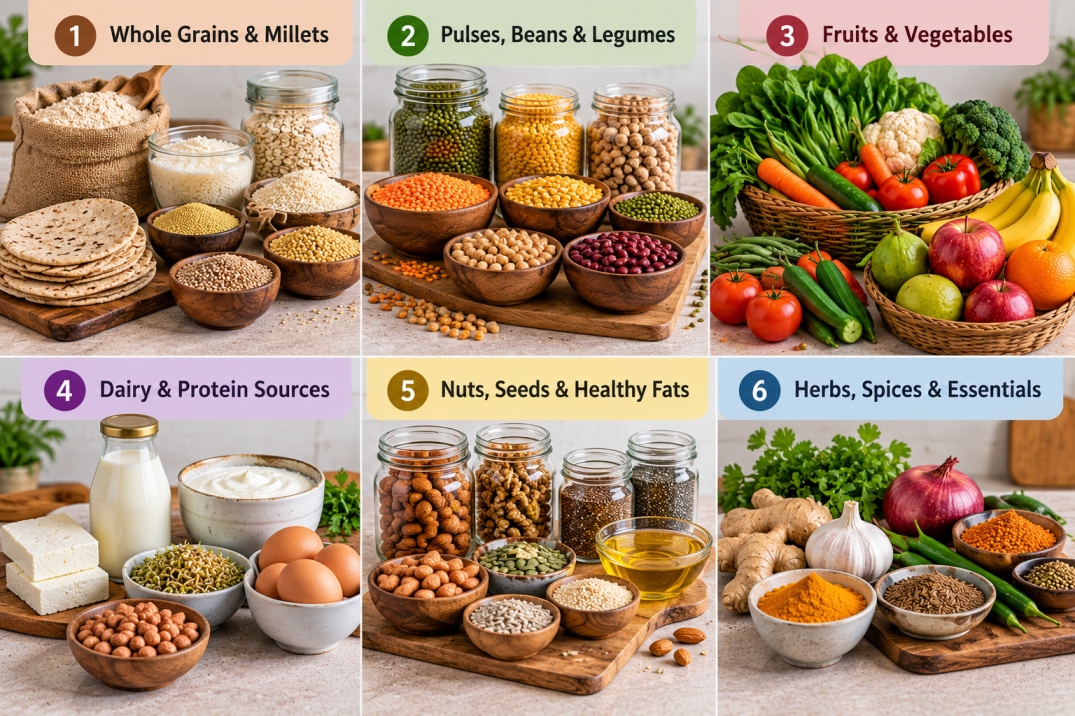
A simple grocery basket can be built around six categories:
1. Grains and staple carbohydrates
Atta
Rice
Dalia
Oats
Poha
Millets
Other locally available grains
2. Pulses and legumes
Moong
Masoor
Chana dal
Toor dal
Urad dal
Rajma
Kabuli chana
Kala chana
Lobia
3. Vegetables
Seasonal vegetables
Leafy vegetables
Root vegetables
Frozen vegetables when economical
4. Fruits
Seasonal local fruits
Bananas
Guava
Papaya
Oranges when in season
Other affordable local choices
5. Protein-rich foods
Dal
Beans
Chana
Curd
Milk
Eggs
Soy
Tofu where affordable
Paneer in appropriate amounts
Fish or chicken according to budget and dietary preference
6. Healthy fats
Peanuts
Sesame
Flaxseeds
Sunflower seeds when affordable
Appropriate cooking oils
You do not need to buy everything every week.
Build around what your household actually eats.
https://wellorafit.com/services/nutrition-diet-planning/
1. Make Dal Your Budget Protein Staple
Dal is one of the most useful foods in an Indian kitchen.
It can be:
Affordable
Versatile
Easy to store
Used across many meals
Combined with grains and vegetables
Rotate between:
Moong dal
Masoor dal
Toor dal
Chana dal
Urad dal
Different dals provide slightly different nutrient profiles and help keep meals interesting.
Use dal for:
Dal tadka
Dal palak
Dal khichdi
Sambar
Dal soup
Dal with rice
Dal with roti
Instead of buying expensive protein products, make pulses a regular part of the weekly grocery basket.
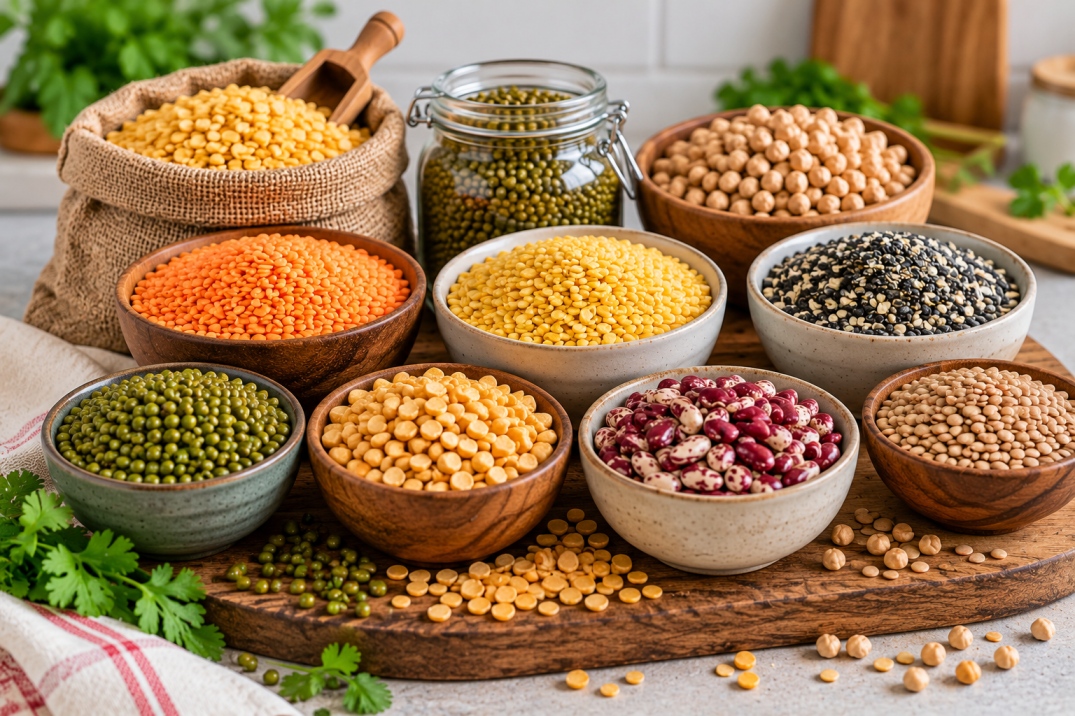
2. Buy Chana and Beans in Larger Quantities When Practical
Dry legumes can be economical when purchased in suitable quantities and stored properly.
Good options include:
Kala chana
Kabuli chana
Rajma
Lobia
Whole moong
They can be used for:
Chana curry
Chana chaat
Rajma
Lobia curry
Sprouts
Mixed-legume salads
Khichdi
Time-saving tip
Soak and cook larger batches when practical.
Portion and refrigerate or freeze what you will not use immediately.
This can reduce cooking time and make home-cooked meals easier during busy days.
3. Don't Underestimate Peanuts
Peanuts are often one of the most practical budget-friendly foods.
They provide:
Protein
Unsaturated fats
Fiber
Energy
Several micronutrients
Use them in:
Poha
Chutney
Chaat
Snacks
Homemade mixes
Vegetable preparations
Budget snack:
Roasted peanuts + seasonal fruit
instead of:
Packaged snack + sugary beverage
Remember that peanuts are energy-dense, so portions still matter.
https://wellorafit.com/services/nutrition-diet-planning/
4. Roasted Chana: A Practical Budget Snack
Roasted chana is convenient and shelf-stable.
It can be:
Carried to work
Stored at home
Added to snack boxes
Combined with fruit
Used in chaat
Simple combinations:
Roasted chana + banana
Roasted chana + guava
Roasted chana + buttermilk
Roasted chana + tea
This can be much more economical than buying packaged snacks every day.
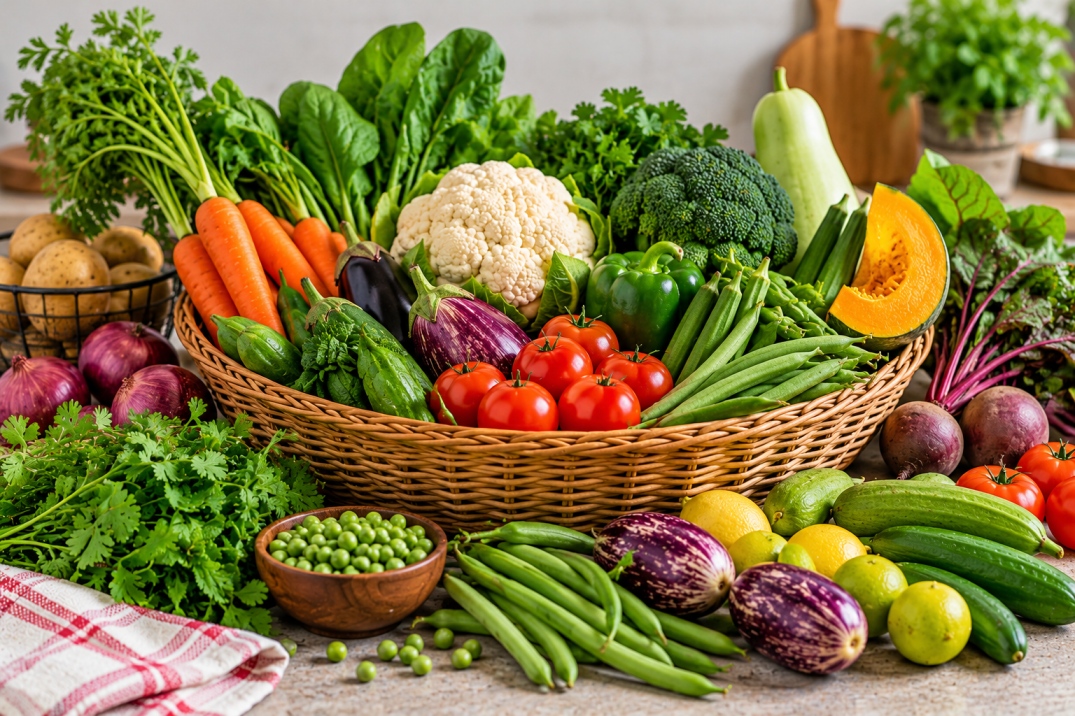
5. Choose Seasonal Vegetables
One of the easiest ways to reduce grocery costs is to buy vegetables that are in season and locally available.
Instead of deciding:
"I must buy broccoli, avocado and imported vegetables."
look at what is reasonably priced and available locally.
Examples may include:
Lauki
Tori
Bhindi
Cabbage
Cauliflower
Carrot
Pumpkin
Brinjal
Beans
Methi
Spinach
Radish
Peas when in season
The exact cheapest choices will vary by region and season.
The rule:
Let the market season guide part of your menu.
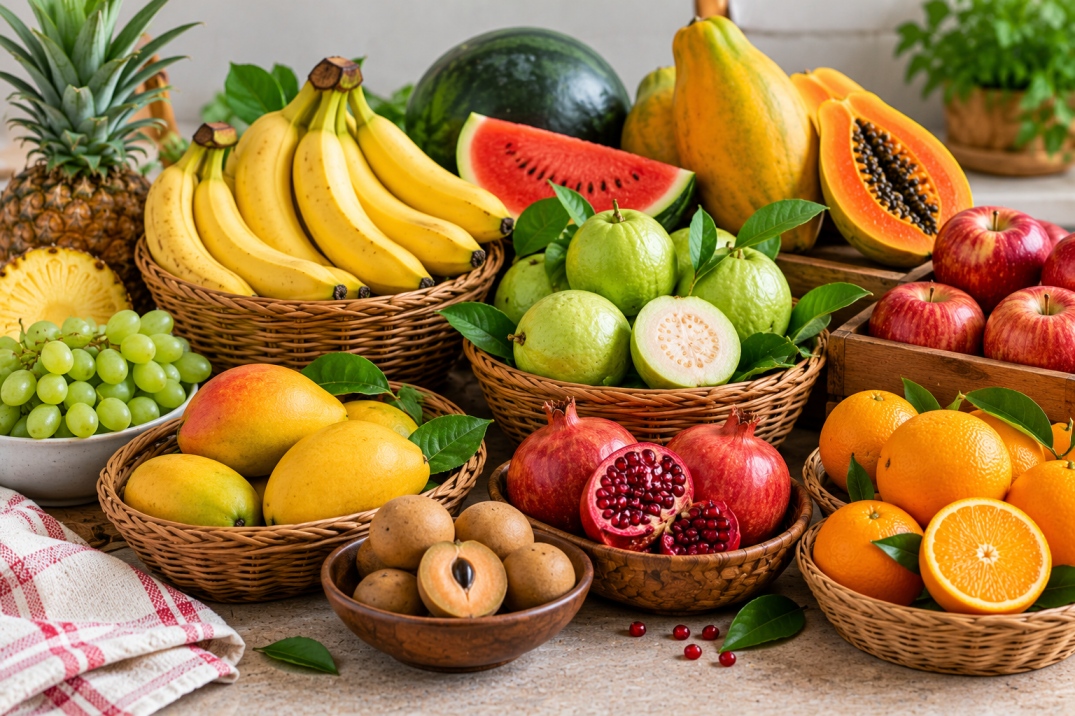
6. Buy Local Fruits in Season
Fruit does not have to be expensive.
Affordable choices often include:
Banana
Guava
Papaya
Watermelon in season
Muskmelon in season
Oranges in season
Local seasonal fruits
Instead of buying one expensive fruit repeatedly, rotate between whatever is nutritious, fresh and reasonably priced.
Example:
Banana + roasted chana
can be a simple, economical snack.
7. Don't Assume Imported Foods Are More Nutritious
A common misconception is:
Imported = healthier.
Nutrition does not work that way.
A local seasonal fruit can be an excellent food.
A bowl of dal can be highly nutritious.
Peanuts can be useful.
Indian whole grains can fit into a balanced diet.
You do not need expensive imported ingredients to eat well.
8. Choose Whole Grains According to Your Budget
Whole grains can be valuable sources of fiber and nutrients.
Affordable options may include:
Whole-wheat atta
Dalia
Oats
Barley
Millets when locally available at a reasonable price
Hand-pounded rice where affordable
You do not need to replace every grain with a specialty product.
Practical approach:
Use the whole grains you can afford, enjoy and prepare regularly.
9. Rice Can Still Be Part of a Budget Diet
You do not need to buy expensive rice varieties to eat healthily.
Regular rice can be part of a balanced meal.
The key is what you serve with it.
Instead of:
Large plate of plain rice
try:
Moderate rice + dal + vegetables + curd
This adds protein, fiber and micronutrients.
The overall dietary pattern matters more than turning every staple into a premium product.
10. Eggs Can Be a Practical Protein Option
For people who eat eggs, they can be a convenient protein source.
Simple meals:
Egg bhurji + roti
Boiled eggs + vegetable poha
Egg + whole-wheat toast + vegetables
Egg curry + rice + vegetables
Egg prices vary by location and time, so compare them with other protein options available to your household.
The goal is to use the protein sources that fit your:
Budget
Preferences
Dietary pattern
Health needs
11. Curd: One Food, Many Uses
Curd can be a practical addition to the grocery basket.
It can be used as:
A meal accompaniment
Raita
Chaas
Snack
Breakfast component
Marinade
Examples:
Roti + sabzi + curd
Rice + dal + curd
Fruit + curd
Vegetable paratha + curd
This makes one ingredient useful across multiple meals.
12. Paneer Is Useful—But It Doesn't Have to Be Your Main Protein
Paneer is nutritious, but it can be relatively expensive compared with pulses and legumes and can also contribute significant fat and calories.
Use it strategically.
Instead of:
Paneer at every meal.
Rotate:
Dal
Chana
Rajma
Soy
Eggs
Curd
Paneer
This provides dietary variety while keeping the grocery budget manageable.
13. Soy Can Be a Budget-Friendly Protein
Soy-based foods can be useful for people following vegetarian diets.
Options include:
Soy chunks
Soy granules
Tofu
Soy milk where affordable and appropriate
Soy chunks in particular can be incorporated into:
Pulao
Sabzi
Curry
Keema-style preparations
Stuffed paratha
Choose products based on affordability and preference.
14. Buy Frozen Vegetables When They Reduce Waste
Fresh vegetables are excellent, but frozen vegetables can sometimes be useful.
They may help when:
Fresh produce is expensive
You live alone
Vegetables spoil before use
You have limited cooking time
Certain vegetables are out of season
Frozen peas and mixed vegetables can be convenient examples.
The important thing is to check the product.
Prefer options without unnecessary added sauces, sugar or excessive sodium.
15. Don't Buy Vegetables Just Because They Look Healthy
One of the biggest grocery mistakes is buying too much produce and allowing it to spoil.
A vegetable that gets thrown away is not a budget-friendly purchase.
Before buying, ask:
Will I actually cook this?
How many meals can I make from it?
Will it spoil before I use it?
Buy according to your household's actual consumption.
16. Plan Meals Before Shopping
One of the easiest ways to reduce grocery spending is to decide your meals before entering the store.
You don't need a complicated meal plan.
Just decide:
Breakfasts
Poha
Upma
Chilla
Eggs
Dalia
Lunches
Dal + roti + sabzi
Rajma + rice
Chole + roti
Khichdi + curd
Dinners
Vegetable dalia
Roti + dal + sabzi
Rice + dal + vegetables
Chilla + curd
Once meals are roughly planned, you can create a grocery list around them.
17. Shop With a Grocery List
Going grocery shopping without a list makes it easier to buy:
Extra snacks
Duplicate ingredients
Convenience foods
Foods you don't actually need
Make three sections:
Must buy
If affordable
Already at home
This simple system can reduce unnecessary purchases.
18. Compare Price Per Kilogram, Not Just Package Price
A larger packet is not always cheaper.
Compare:
Price per kg
or
price per litre
rather than simply looking at the printed package price.
This is especially useful for:
Grains
Pulses
Cooking oils
Nuts
Seeds
Packaged staples
But only buy larger quantities if you can use them before they deteriorate.
19. Buy in Bulk—But Only When It Makes Sense
Bulk buying can reduce the per-unit cost.
It works particularly well for foods with a reasonable shelf life:
Rice
Atta
Dal
Chana
Rajma
Oats
But bulk buying can backfire with:
Fresh vegetables
Fresh fruit
Dairy
Foods your household rarely eats
The rule:
Bulk-buy staples you actually use.
20. Use Your Freezer Strategically
A freezer can help reduce food waste.
You can freeze:
Cooked beans
Cooked rajma
Cooked chana
Some vegetables
Homemade gravies
Leftover portions
Chapati dough in appropriate portions
This can help turn leftovers into future meals rather than waste.
21. Use Leftovers Instead of Throwing Them Away
Healthy eating on a budget also means using what you already purchased.
Leftover dal
→ Dal paratha filling
→ Dal khichdi
→ Dal-based soup
Leftover vegetables
→ Stuffed paratha
→ Sandwich filling
→ Mixed sabzi
Leftover rice
→ Vegetable rice
→ Lemon rice
→ Curd rice
→ Rice-based chilla preparations where appropriate
Leftover roti
→ Roti rolls
→ Roti upma
→ Roti chaat-style meal
Food safety still matters. Refrigerate leftovers promptly and reheat them appropriately.
22. Cook More, Buy Less
Convenience foods can become expensive when purchased frequently.
Compare:
Daily packaged snack
versus
Homemade roasted chana/peanuts
Daily restaurant lunch
versus
Homemade dal + roti + sabzi
Packaged breakfast
versus
Poha/upma/chilla
Cooking at home is not always cheaper for every food, but for many basic Indian meals it can reduce the cost per serving.
23. Build Meals Around Affordable Staples
A budget-friendly meal does not need to be complicated.
Meal 1
Roti + dal + seasonal sabzi
Meal 2
Rice + rajma + vegetable
Meal 3
Khichdi + curd + vegetable
Meal 4
Chana chaat + curd
Meal 5
Egg bhurji + roti + vegetables
Meal 6
Vegetable poha + curd
Meal 7
Moong chilla + chutney + curd
These meals can be adapted based on local food prices.
24. Build a Budget-Friendly Protein Rotation
You don't need one expensive protein source every day.
Try rotating:
Day
Protein Source
Monday
Dal
Tuesday
Chana
Wednesday
Curd + dal
Thursday
Rajma
Friday
Eggs
Saturday
Soy
Sunday
Dal/paneer/fish/chicken according to preference and budget
The exact rotation can change based on your household.
The principle:
Variety without relying on expensive foods.
25. Buy Whole Foods More Often Than Packaged "Health Foods"
A simple grocery basket can often include:
Dal
Rice
Atta
Vegetables
Fruit
Curd
Eggs
Chana
Peanuts
Spices
Cooking oil
You may not need:
Protein cookies
Granola bars
Detox powders
Premium cereals
Expensive snack mixes
Packaged foods can sometimes be convenient, but convenience and nutrition are not always the same thing.
26. Be Careful With "Healthy" Marketing
Words such as:
Multigrain
Natural
No added preservatives
High protein
Fitness
Lite
Organic
Sugar-free
do not automatically mean a product is nutritionally superior or necessary.
Check:
Ingredients
Protein
Fiber
Added sugar
Sodium
Total fat
Serving size
Price per serving
A basic food may be both cheaper and more nutritious.
27. Don't Spend Your Grocery Budget on Drinks
Beverages can quietly increase spending.
Regular purchases of:
Soft drinks
Packaged juices
Sweetened coffee
Flavored drinks
Energy drinks
can add both cost and excess sugar.
Budget-friendly drinks:
Water
Homemade chaas
Unsweetened tea
Unsweetened coffee
Lemon water without added sugar
Hydration does not need to be expensive.
28. Make Snacks at Home
Some simple homemade snacks include:
Roasted chana
Roasted peanuts
Makhana
Chana chaat
Sprouts chaat
Fruit + curd
Boiled eggs
Homemade poha
Moong chilla
Sweet potato
Make larger batches when practical and store them safely.
29. Use Seasonal Produce to Change Your Menu
Instead of planning the same vegetables throughout the year, let seasonal availability influence your meals.
This can:
Increase variety
Reduce monotony
Potentially reduce cost
Make meal planning easier
Example:
When one vegetable becomes expensive, don't force yourself to buy it.
Choose another local seasonal vegetable.
Healthy eating is about dietary variety over time—not eating the same "superfood" every week.
30. A Budget-Friendly Grocery List
Here is a practical starting list.
Grains & Staples
Whole-wheat atta
Rice
Dalia
Poha
Oats
Millet according to budget/preference
Pulses & Legumes
Moong dal
Masoor dal
Toor dal
Chana dal
Kala chana
Kabuli chana
Rajma
Lobia
Protein Foods
Curd
Milk
Eggs, if consumed
Soy chunks
Tofu/paneer according to budget
Vegetables
Choose approximately 5–8 seasonal vegetables based on price and household preference.
Include a mix of:
Leafy vegetables
Root vegetables
Other seasonal vegetables
Fruits
Choose 2–4 affordable seasonal fruits.
Nuts & Seeds
Peanuts
Flaxseeds
Sesame
Other affordable nuts/seeds
Flavor
Coriander
Lemon
Ginger
Garlic
Cumin
Turmeric
Other spices
31. Sample Budget-Friendly Weekly Meal Pattern
This is an example—not a fixed diet plan.
Meal
Budget-Friendly Options
Breakfast
Poha + peanuts + curd
Breakfast
Vegetable upma + curd
Breakfast
Moong chilla + chutney
Lunch
Roti + dal + seasonal sabzi
Lunch
Rice + rajma + vegetables
Lunch
Chole + roti + salad
Snack
Roasted chana + fruit
Snack
Peanuts + fruit
Snack
Buttermilk + roasted chana
Dinner
Vegetable khichdi + curd
Dinner
Roti + dal + sabzi
Dinner
Egg bhurji + roti + vegetables
The exact portions should be adjusted according to individual energy needs.
32. The ₹100 Grocery Challenge Mindset
Rather than treating a specific amount as a universal budget, use this principle:
Every time you spend money on food, ask:
"What nutritional value am I getting for this money?"
For example:
Would you rather spend money on:
A packaged snack + sugary drink
or
Dal + vegetables + fruit?
The second option may provide ingredients for multiple meals rather than one snack.
Actual prices vary substantially by city, season, brand and market, so a fixed "healthy diet costs ₹X per day" claim would not apply universally.
33. What to Buy More Often
Build your grocery basket around foods such as:
Often
Dal
Beans
Seasonal vegetables
Seasonal fruits
Whole grains
Curd
Eggs if consumed
Peanuts
Roasted chana
According to budget and preference
Paneer
Tofu
Fish
Chicken
Nuts
Seeds
Millets
Less frequently
Sugary beverages
Highly processed snacks
Packaged sweets
Frequent deep-fried foods
Premium "health" products that don't add meaningful nutritional value
34. The Most Expensive Food May Be the Food You Waste
Food waste is one of the easiest places to lose money.
Before buying something, consider:
Will I use it?
How many meals will it make?
Can I store it safely?
Can I freeze it?
Can I use leftovers?
A grocery basket that looks cheap but ends up in the bin is not actually economical.
35. Healthy Eating on a Budget Does Not Mean Eating Less
This is important.
Budget-conscious eating should not mean:
Skipping meals
Eating only rice
Avoiding protein
Living on tea and biscuits
Buying the cheapest packaged food
The goal is:
Adequate nutrition + appropriate portions + minimal waste + sensible spending.
You can eat enough while still shopping intelligently.
36. Five Rules for a Budget-Friendly Indian Grocery Basket
If you remember only five things, remember these:
1. Plan before you shop.
2. Buy seasonal and local produce.
3. Make pulses and legumes regular staples.
4. Use leftovers and reduce food waste.
5. Spend more of your budget on basic foods and less on highly processed convenience foods.
The Bottom Line
Healthy eating does not have to be expensive.
A nutritious Indian grocery basket can be built around simple foods:
Dal + grains + vegetables + fruits + curd + legumes + affordable protein sources + nuts/seeds in appropriate portions.
You don't need a pantry full of expensive "superfoods."
You need:
Planning.
Variety.
Portion awareness.
Seasonal shopping.
Less food waste.
And a willingness to cook simple meals regularly.
The healthiest grocery cart is not necessarily the most expensive one.
It is the one that gives you nutritious foods you will actually cook, eat and enjoy.
Key Takeaways
Healthy eating can be affordable.
Dal, chana, rajma, seasonal vegetables, fruits, curd, peanuts and whole grains can form the foundation of a budget-friendly Indian diet.
Buy seasonal and locally available produce when practical.
Compare prices per kilogram rather than package price alone.
Plan meals before grocery shopping.
Make a shopping list and avoid unnecessary impulse purchases.
Buy staples in bulk only when you can use them.
Use leftovers safely instead of wasting food.
Rotate affordable protein sources rather than relying on expensive foods.
Don't assume packaged "health foods" are necessary.
Read labels instead of relying on marketing claims.
Reduce spending on sugary beverages and frequent packaged snacks.
Healthy eating on a budget should still provide adequate food and nutrition.
Frequently Asked Questions
1. Can I eat healthy on a low budget in India?
Yes. A nutritious diet can be built around affordable foods such as dal, chana, rajma, seasonal vegetables, local fruits, rice, atta, curd, peanuts and eggs where appropriate.
2. What are the cheapest healthy foods in India?
Prices vary by location, but staples such as dal, legumes, seasonal vegetables, bananas, local fruits, peanuts, roasted chana, rice and whole-wheat atta can be economical choices.
3. How can I save money while grocery shopping?
Plan meals, make a list, compare prices, buy seasonal produce, purchase shelf-stable staples in appropriate quantities and reduce food waste.
4. Is eating healthy more expensive?
It can be if you rely heavily on specialty products, imported foods, packaged "health foods" or convenience foods. But a diet based on basic Indian staples can be quite economical.
5. What are affordable protein sources in India?
Dal, chana, rajma, lobia, soy chunks, peanuts, curd and eggs are practical options. Paneer, tofu, fish and chicken can also be included according to budget and dietary preference.
6. Are vegetables expensive?
Some vegetables can be expensive at certain times of year, but seasonal and locally available vegetables are often more economical. The cheapest options vary by location and season.
7. Are frozen vegetables healthy?
Frozen vegetables can be a practical option, especially when they help reduce food waste. Choose products without unnecessary added sauces, sugar or excessive sodium.
8. Do I need expensive fruits to eat healthy?
No. Seasonal and locally available fruits can provide valuable nutrients. You do not need imported fruits to have a nutritious diet.
9. Is brown rice necessary for healthy eating?
No. Brown rice can provide more fiber than polished white rice, but regular rice can also fit into a balanced diet when combined with dal, vegetables and other nutritious foods.
10. Is paneer necessary for a vegetarian diet?
No. Paneer is one protein source among many. Dal, beans, chana, rajma, soy, tofu, curd and other foods can also contribute protein.
11. How can I eat healthy if I don't have much time to cook?
Use simple meals such as dal-rice, khichdi, poha, chilla, curd-based meals and pre-cooked legumes. Batch cooking and safe storage of leftovers can also save time.
12. How can I reduce grocery waste?
Plan meals, buy realistic quantities, store food properly, use leftovers and freeze suitable foods before they spoil.
13. Are packaged healthy foods worth buying?
Some can be useful, but they are not automatically better than basic foods. Compare ingredients, protein, fiber, sugar, sodium, portion size and price.
14. Can I eat healthy without buying organic food?
Yes. Organic food is not a requirement for a nutritious diet. Focus on variety, food quality, safe handling and an overall balanced dietary pattern.
15. What is the simplest budget-friendly healthy diet rule?
Build most meals around basic foods you can afford, cook and enjoy—and spend less on highly processed foods and unnecessary specialty products.
Ready to Begin Your Health Journey?
Get a personalized, medically guided plan built around your unique biology.