Good Habits to Keep Your Body Healthy: Tips That Last
Introduction
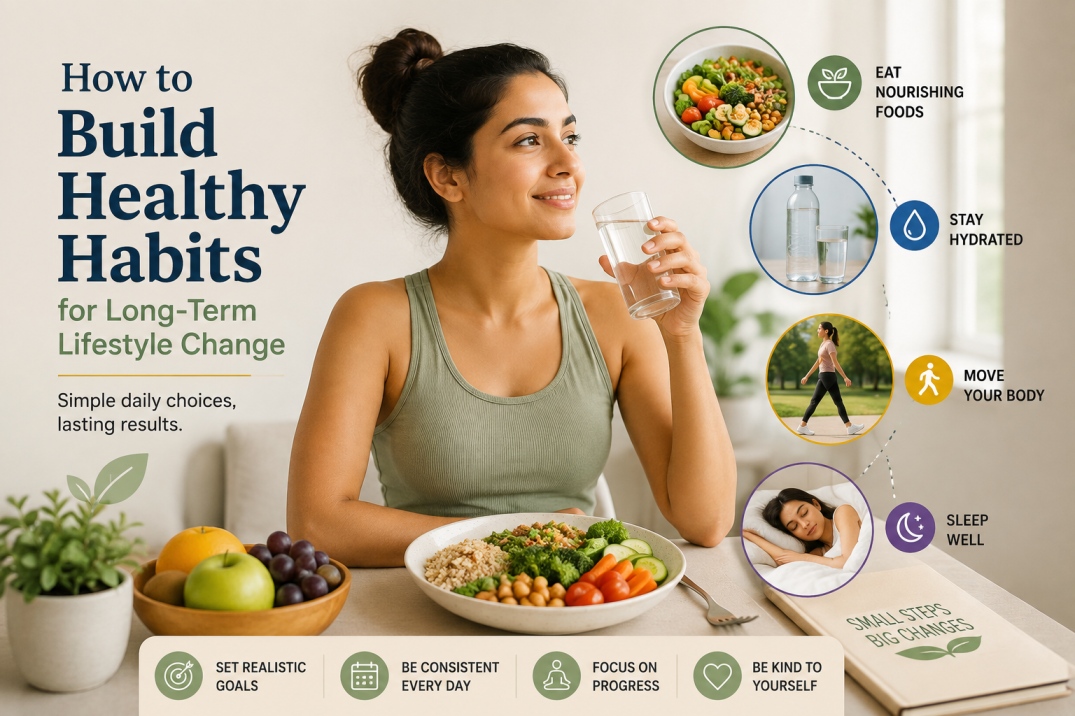
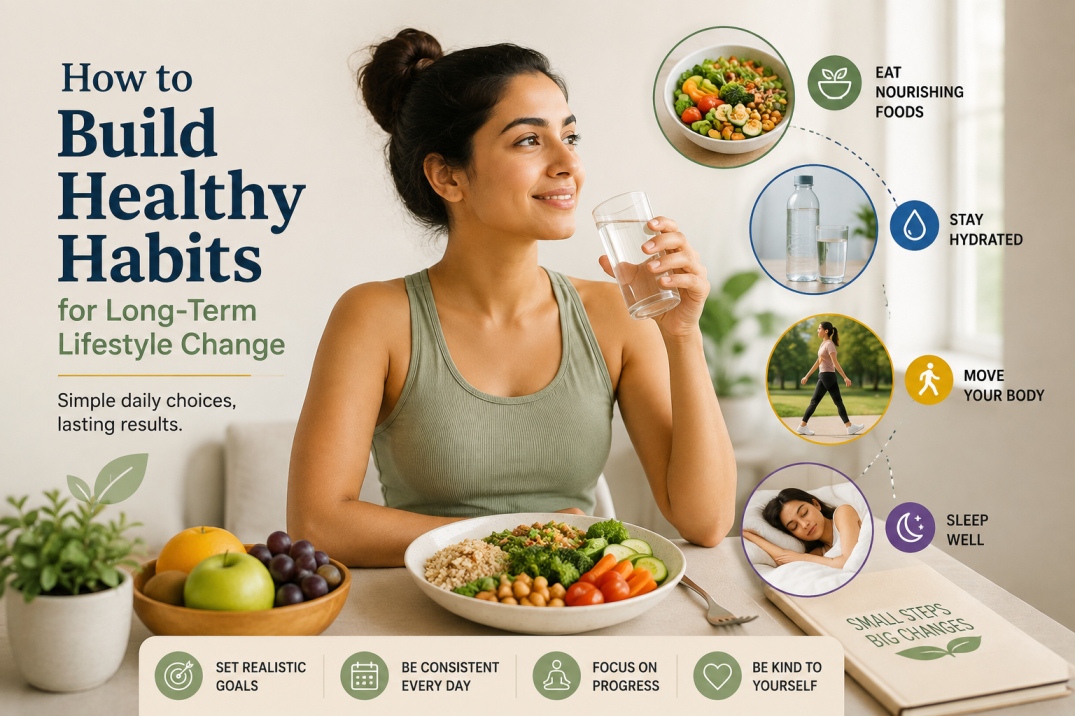
Building healthy habits is one of the most important steps toward improving your health and maintaining long-term results. Whether your goal is weight loss, better nutrition, regular exercise, improved sleep, or simply feeling more energetic, lasting change depends on what you do consistently—not just what you do occasionally.
Many people start a new health routine with enthusiasm. They may follow a strict diet, begin exercising every day, or make several lifestyle changes at once. However, after a few weeks, motivation may decrease and old routines can return.
This is why sustainable health improvement is not about making perfect choices every day. It is about developing small, realistic behaviors that can become a natural part of your daily routine.
Healthy habits can influence eating patterns, physical activity, sleep, stress management, hydration, and weight management. When these behaviors are repeated consistently, they can support healthier lifestyle choices over the long term. https://www.who.int/
What Are Healthy Habits?
Healthy habits are regular behaviors that support your physical and mental well-being.
Some common examples include:
Eating balanced meals
Including vegetables and fruits regularly
Choosing adequate protein
Drinking enough water
Being physically active
Getting adequate sleep
Managing stress
Practicing mindful eating
Limiting highly processed foods
Maintaining regular meal and sleep routines
A single healthy action is beneficial, but repeating that action regularly is what turns it into a habit.
For example, eating vegetables once does not create a healthy eating habit. Adding vegetables to your meals regularly makes it part of your normal routine.
The same principle applies to exercise, hydration, sleep, and other lifestyle behaviors.https://www.cdc.gov/
Healthy habits are built through repeated actions, not occasional efforts.
Why Is It Difficult to Build Healthy Habits?
Knowing what is healthy doesn't always make it easy to change your behavior.
Several factors can make habit formation challenging.https://www.cdc.gov
1. Trying to Change Too Much at Once
People often try to completely change their lifestyle overnight.
They may decide to:
Start exercising every day
Follow a strict diet
Stop eating sweets
Drink more water
Sleep early
Wake up early
Meditate
Lose weight quickly
Trying to maintain too many new behaviors simultaneously can become overwhelming.
Starting with one or two manageable changes may be more realistic.
2. Depending Only on Motivation
Motivation can help you begin, but it naturally changes from day to day.
You may feel highly motivated on Monday and have very little motivation by Friday.
If your entire routine depends on feeling motivated, maintaining it becomes difficult.
Instead, habits should gradually become part of your routine so that you don't have to make the same decision every day.
3. Expecting Immediate Results
Many people stop because they don't see results quickly.
For example, someone may exercise for two weeks and become frustrated because their weight hasn't changed significantly.
But healthy lifestyle changes involve more than short-term results.
Changes in energy, fitness, eating patterns, strength, sleep, and consistency may occur before noticeable changes on the weighing scale.
Building sustainable habits requires patience.
Habits vs. Goals
Goals and habits are related, but they are not the same.
A goal is an outcome you want to achieve.
A habit is a behavior you repeatedly perform to move toward that outcome.
For example:
Goal: Lose 5 kg.
Habits:
Eat balanced meals.
Include protein regularly.
Walk most days.
Control portions.
Sleep consistently.
Another example:
Goal: Improve fitness.
Habits:
Walk regularly.
Strength train several times a week.
Take active breaks during the workday.
Follow a consistent exercise schedule.
Goals provide direction, but habits create the daily actions that move you toward them.
Instead of focusing only on “What do I want to achieve?”, ask:
“What behaviors will help me get there?”
Why Motivation Is Not Enough
Motivation is useful when starting something new, but it is not always reliable.
Consider exercise.
On a day when you feel energetic, going for a workout may be easy. But on a busy or stressful day, motivation may disappear.
This is where routines become important.
If exercise is scheduled at a specific time and prepared in advance, you don't have to spend as much time deciding whether to do it.
The same applies to nutrition.
If healthy foods are available at home and meals are planned ahead, making a balanced choice becomes easier.
The goal is to create an environment and routine that support your habits even when motivation is low.
The Science Behind Habit Formation
Habits develop through repeated patterns of behavior.
A simple way to understand this process is:
Cue → Routine → Reward
Cue
A cue is something that reminds or encourages you to perform a behavior.
Examples:
Finishing breakfast
Coming home from work
Setting an alarm
Feeling thirsty
Changing into workout clothes
Routine
The routine is the behavior itself.
For example:
Going for a walk
Drinking water
Preparing a healthy meal
Doing a workout
Going to bed
Reward
The reward is the positive outcome you experience afterward.
For example:
Feeling refreshed after a walk
Feeling satisfied after a balanced meal
Feeling relaxed after meditation
Feeling accomplished after completing a workout
Repeating this pattern can make the behavior easier to remember and perform over time.
How Long Does It Take to Build a Habit?
There is no single number of days that guarantees a habit will become automatic.
The time required can vary depending on:
The type of habit
How often you repeat it
How difficult it is
Your existing routine
Your environment
Your level of consistency
A simple habit, such as drinking water after waking up, may become easier relatively quickly.
A more complex behavior, such as maintaining a consistent exercise routine, may require more time and adjustment.
Instead of focusing on an exact number of days, focus on repeated practice.
The important question isn't:
“How quickly can I build this habit?”
It is:
“How can I make this behavior easy enough to continue?”
Why Small Habits Matter
Small habits can create a foundation for larger lifestyle changes.
For example:
10-minute daily walk → Regular physical activity
Adding vegetables to one meal → Improved eating pattern
Drinking water regularly → Better hydration routine
Going to bed at a consistent time → Better sleep routine
These actions may appear small, but they can create momentum.
Once a behavior becomes easier, you can gradually increase it.
This approach is often more sustainable than making dramatic changes that are difficult to maintain.
Healthy Habits and Sustainable Weight Loss
Weight management isn't only about short-term calorie restriction.
Long-term results depend on behaviors that can realistically be maintained.
Useful habits may include:
Eating balanced meals
Practicing portion awareness
Including protein and fiber
Choosing minimally processed foods more often
Staying physically active
Getting adequate sleep
Managing stress
Drinking enough water
Maintaining consistency
The objective is to develop a lifestyle that supports your health rather than following a temporary routine that becomes difficult to maintain.
Start Small
One of the biggest mistakes people make when trying to improve their lifestyle is attempting to change everything at once.
For example, someone may decide to completely change their diet, exercise every day, drink more water, sleep early, meditate, and stop eating processed foods—all from the same day.
Although these goals may be positive, making too many changes at once can feel overwhelming.
A better approach is to start with one small, manageable habit.
For example:
Walk for 10 minutes after dinner.
Drink a glass of water after waking up.
Add vegetables to one meal each day.
Include a protein-rich food at breakfast.
Go to bed 20–30 minutes earlier.
Replace one sugary drink with water.
Small actions may seem insignificant at first, but repeating them regularly helps create consistency.
Once the habit becomes easier, you can gradually increase it.
Small habits are easier to repeat—and repeated actions are what create lasting change. https://wellorafit.com/services/doctor-consultations/
Choose One Habit at a Time
Trying to build several new habits simultaneously can make it difficult to maintain any of them.
Instead, identify the habit that can make the biggest difference to your current lifestyle.
For example, if you rarely exercise, starting with a daily walk may be more useful than immediately following an intense workout routine.
Once regular walking becomes part of your routine, you can introduce another habit, such as strength training or improving your meals.
A simple progression could look like:
Walking regularly → Balanced meals → Better sleep → Strength training → Stress management
Building habits gradually gives your routine time to become more natural.
Make Your Habit Specific
A goal such as “I want to exercise more” is difficult to follow because it doesn't tell you exactly what to do.
Instead, make the habit specific.
Instead of:
“I will exercise more.”
Try:
“I will walk for 20 minutes after dinner, five days a week.”
A specific habit answers three important questions:
What will I do?
When will I do it?
How often will I do it?
Examples:
General: Drink more water.
Specific: Drink one glass of water after waking up and keep a bottle at my desk.
General: Eat healthier.
Specific: Add vegetables to lunch and dinner.
General: Sleep better.
Specific: Start my bedtime routine at 10:30 PM every night.
The more clearly you define a habit, the easier it becomes to follow.
Use Habit Stacking
Habit stacking means connecting a new habit to something you already do regularly.
Your existing routine becomes a reminder for the new behavior.
For example:
After brushing my teeth → I will drink a glass of water.
After lunch → I will walk for 10 minutes.
After making my morning tea → I will prepare my healthy breakfast.
After changing into workout clothes → I will begin my workout.
This approach can be particularly useful for busy people because it doesn't require creating an entirely new routine.
Instead, you simply add a small healthy behavior to something that is already automatic.
Make Healthy Habits Easy
The easier a habit is to start, the more likely you are to repeat it.
If you want to exercise in the morning, keep your workout clothes ready the night before.
If you want to drink more water, keep a water bottle beside you.
If you want to eat more fruit, keep whole fruits somewhere visible and convenient.
If you want to prepare healthier meals, plan a few simple meals before the week begins.
The goal is to reduce the number of steps between you and the healthy behavior.
You don't always need more willpower. Sometimes you simply need a better system.
Design Your Environment
Your surroundings can strongly influence your everyday choices.
If unhealthy foods are easily available and healthy foods require preparation, you may naturally choose the more convenient option.
You can change this by making healthy choices more visible and accessible.
For example:
To eat more fruit:
Keep fruit on the kitchen counter.
To drink more water:
Keep a filled bottle nearby.
To reduce mindless snacking:
Avoid keeping large quantities of snack foods beside your workspace.
To exercise regularly:
Keep your workout equipment somewhere easily accessible.
Your environment should support the behavior you want to repeat.
Track Your Progress
Tracking your habits can help you understand whether you're actually being consistent.
You don't need a complicated system.
A simple checklist can be enough.
Habit
Daily Target
Water
6–8 glasses
Walking
20–30 minutes
Vegetables
2–3 meals
Protein
Every main meal
Sleep
7–9 hours
Exercise
As planned
You can use a notebook, calendar, habit tracker, or digital app.
Tracking isn't about being perfect.
It's about becoming more aware of your behavior and identifying patterns that may be helping or preventing progress.
Focus on Consistency, Not Perfection
One of the most important principles of habit building is understanding that missing one day does not mean you've failed.
You may:
Miss a workout.
Eat an unbalanced meal.
Sleep late.
Drink less water than planned.
Skip your usual walk.
These things happen.
The problem isn't one imperfect day. The problem is allowing one missed day to become a long-term pattern.
For example:
Missed Monday workout → Exercise Tuesday.
Unhealthy lunch → Return to your normal eating pattern at dinner.
Late night → Resume your regular bedtime the next night.
Think about progress over weeks and months rather than judging yourself based on one day.
Consistency doesn't mean doing everything perfectly. It means returning to your habits again and again.
Build Habits Around Your Real Lifestyle
A habit is more likely to last when it fits your actual schedule.
If you have a busy workday, a two-hour workout may not be realistic.
Instead, try:
A 15–20 minute home workout
Walking during your lunch break
Taking the stairs
A short walk after dinner
Strength training a few days a week
Similarly, healthy eating doesn't have to mean preparing complicated meals every day.
Simple options such as dal, roti, sabzi, curd, eggs, paneer, fruits, vegetables, oats, or other familiar foods can make healthy eating easier to maintain.
The best habit isn't the most extreme one. It's the one you can realistically continue.
Give Yourself Time
Healthy habits don't become automatic overnight.
At first, you may need reminders and conscious effort.
Over time, repeated behaviors can become more familiar and easier to perform.
Instead of asking:
“Why haven't I completely changed yet?”
Ask:
Am I doing better than before?
Is this habit becoming easier?
What is making consistency difficult?
What can I simplify?
What small improvement can I make next?
Habit building is a process.
The objective is not to transform your lifestyle in a few days, but to create behaviors that can continue for months and years.
Healthy Eating Habits
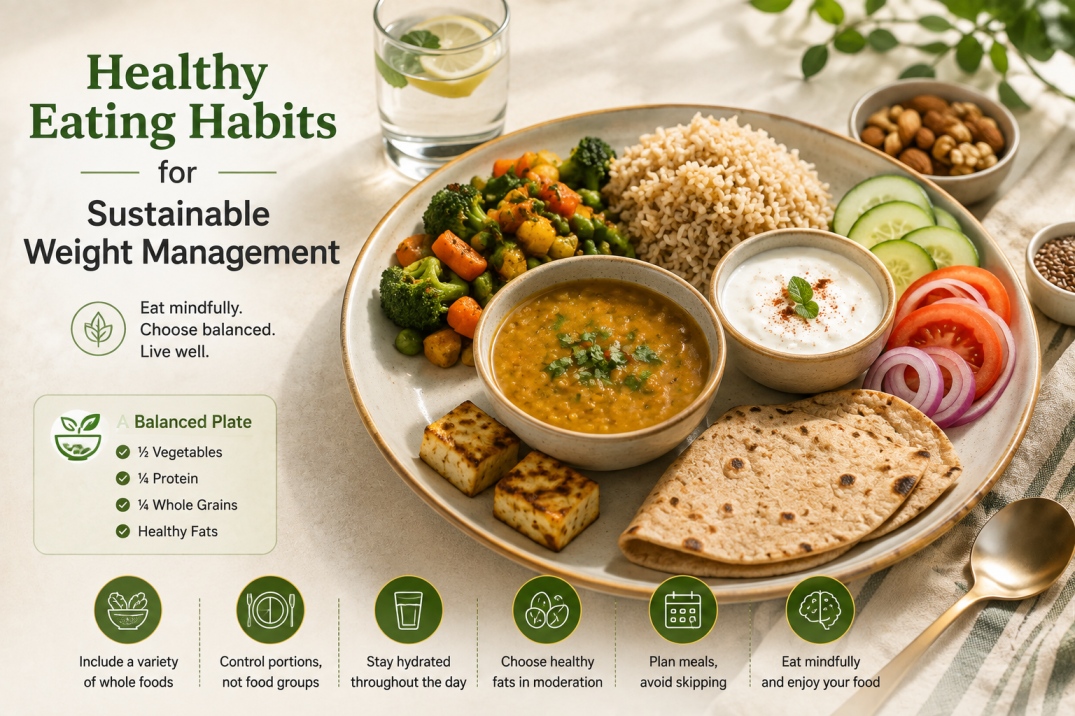
Healthy eating is one of the most important foundations of a healthy lifestyle. However, building a healthy eating habit does not mean following a strict diet or completely avoiding your favorite foods.
Instead, focus on creating simple eating patterns that you can maintain over time.
Helpful habits include:
Include vegetables in your main meals.
Add a protein source to meals.
Choose whole grains more often.
Include whole fruits instead of relying on fruit juices.
Practice portion awareness.
Drink water regularly.
Limit highly processed foods and sugary drinks.
Eat meals mindfully and avoid frequent distracted eating.
The goal is to create a balanced eating pattern rather than a temporary diet.https://wellorafit.com/services/doctor-consultations/
Include Protein Regularly
Protein is an important part of a balanced diet and can help support fullness and muscle maintenance.
Depending on your dietary preference, protein can come from foods such as:
Eggs
Milk and curd
Paneer
Greek yogurt
Dal
Chickpeas
Kidney beans
Soy products
Fish
Chicken
Including an appropriate protein source in meals can make meals more satisfying and support a balanced diet.
Increase Your Fiber Intake
Fiber is naturally found in plant foods and can support digestive health and fullness.
Good sources include:
Vegetables
Whole fruits
Oats
Whole grains
Millets
Dal and beans
Nuts and seeds
Rather than suddenly making major changes, gradually include more fiber-rich foods in your regular meals.
For example, you could add vegetables to lunch and dinner, choose whole fruit as a snack, or include oats or whole grains more regularly.
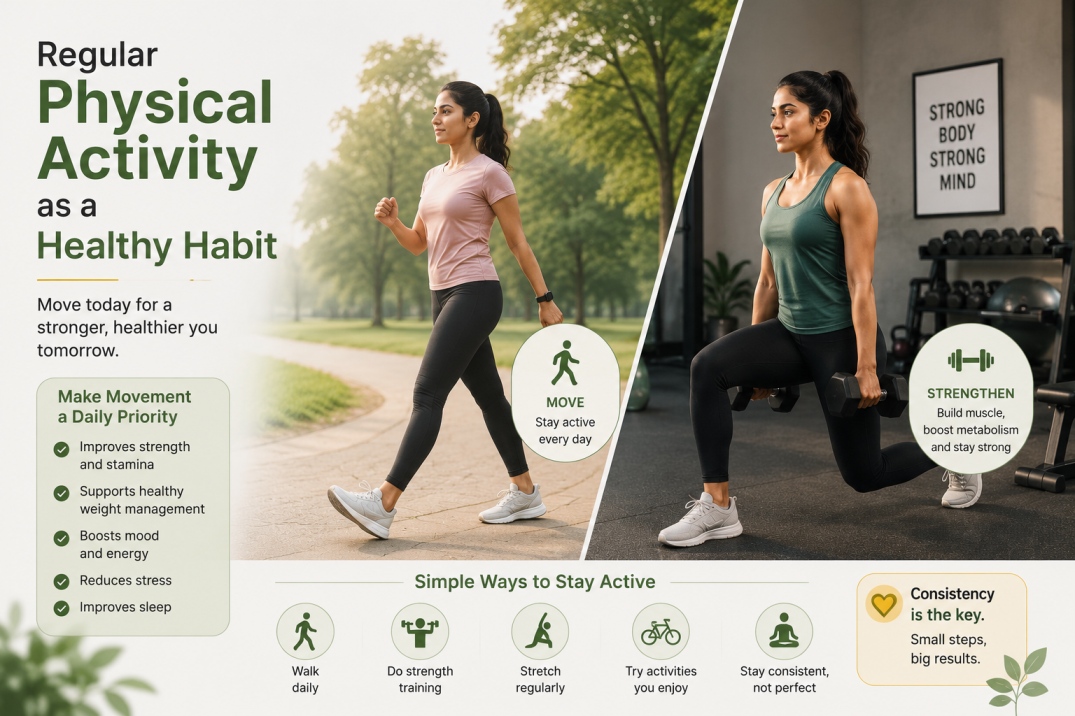
Exercise Habits
Regular physical activity is another important habit for overall health and sustainable weight management.
Exercise doesn't always have to mean spending an hour at the gym.
You can build activity into your everyday routine through:
Walking
Strength training
Cycling
Swimming
Yoga
Dancing
Active household activities
Taking stairs instead of elevators
The best activity is one that you enjoy and can continue regularly.
Start With Manageable Activity
If you're currently inactive, don't feel that you need to begin with intense workouts.
Start with something manageable, such as a 10–20 minute walk.
Once that becomes comfortable, gradually increase the duration, frequency, or intensity.
This can make physical activity feel less overwhelming and easier to maintain.
Include Strength Training
Strength training can be particularly useful for maintaining and building muscle while working toward better body composition.
Simple exercises can include:
Squats
Lunges
Push-ups
Rows
Resistance-band exercises
Weight training
The frequency and intensity should be appropriate for your fitness level and individual needs.
Sleep Habits for Better Health
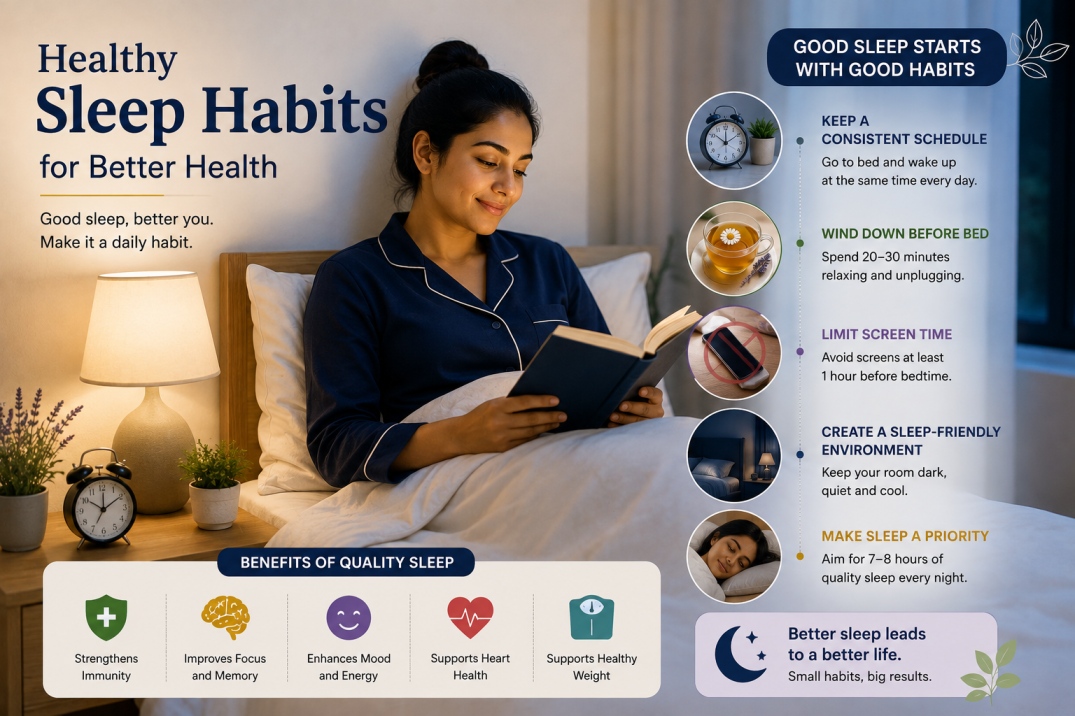
Sleep is often overlooked when people focus on weight loss and nutrition.
However, maintaining a consistent sleep routine can support overall health, energy, appetite regulation, and recovery.
Helpful sleep habits include:
Maintain a consistent bedtime.
Wake up around the same time each day.
Create a relaxing bedtime routine.
Reduce screen exposure before sleeping.
Limit caffeine late in the day.
Keep your sleeping environment comfortable.
Aim for adequate sleep each night.
Instead of trying to completely change your sleep schedule overnight, make gradual adjustments.
For example, going to bed 15–30 minutes earlier may be easier to maintain than suddenly changing your bedtime by several hours.
Hydration Habits
Drinking enough fluids is another simple habit that supports normal body functions.
Many people forget to drink water during busy workdays.
You can make hydration easier by:
Keeping a water bottle nearby.
Drinking water with meals.
Drinking water after waking up.
Carrying water when travelling.
Setting reminders if you frequently forget.
Water should generally be your primary beverage.
Sugary beverages can add significant amounts of sugar and calories to the diet, so limiting them can be a useful habit for people working toward better nutrition and weight management.
Stress-Management Habits
Stress can affect eating patterns, sleep, motivation, and daily routines.
During stressful periods, some people may:
Eat more frequently.
Crave highly palatable foods.
Skip exercise.
Sleep poorly.
Rely more on convenience foods.
Building a simple stress-management routine can help support healthier behaviors.
You can try:
Deep breathing
Meditation
Walking
Yoga
Journaling
Reading
Listening to music
Spending time with family or friends
You don't need to spend a large amount of time on stress management.
Even a few minutes of intentional relaxation can become a useful part of your daily routine.
Healthy Habits for Sustainable Weight Loss
Sustainable weight loss is not based on one single habit.
It usually involves several behaviors working together over time.
Some useful habits include:
1. Build Balanced Meals
Aim to include a combination of vegetables, protein, whole grains or other carbohydrate sources, and healthy fats as appropriate.
2. Practice Portion Awareness
Healthy foods can still contribute excess calories when portions are consistently larger than your needs.
Pay attention to portion sizes without making your meals unnecessarily restrictive.
3. Stay Physically Active
Regular movement helps support energy expenditure, fitness, muscle health, and overall well-being.
4. Prioritize Sleep
A consistent sleep routine can support energy, appetite regulation, and recovery.
5. Manage Stress
Finding healthier ways to manage stress may help reduce emotional or stress-related eating.
6. Focus on Consistency
You don't need to follow your routine perfectly every day.
What matters more is maintaining healthy behaviors over the long term.
Common Mistakes When Building Healthy Habits
1. Trying to Be Perfect
Expecting yourself to follow every habit perfectly can create unnecessary pressure.
Healthy living allows flexibility.
2. Making Habits Too Difficult
If a habit requires too much time, effort, or preparation, it may become difficult to maintain.
Simplify it whenever possible.
3. Starting Too Many Habits
Changing several behaviors at once can make it difficult to identify what works for you.
Start with a few priorities.
4. Choosing Short-Term Restrictions
Extreme diets may produce short-term changes but can be difficult to maintain.
Focus on eating patterns that fit your lifestyle.
5. Ignoring Sleep and Stress
Nutrition and exercise are important, but they are not the only components of a healthy lifestyle.
Sleep and stress management also deserve attention.
6. Expecting Fast Results
Healthy changes may take time.
Don't abandon a useful habit simply because you haven't seen immediate changes.
What to Do When You Miss a Day
Missing a day is normal.
You may become busy, travel, feel tired, attend a social event, or simply have a difficult day.
Instead of thinking:
“I ruined my progress.”
Think:
“I can return to my routine with my next choice.”
For example:
Missed your workout? Take a walk tomorrow.
Ate more than planned? Return to your normal meals at the next meal.
Slept late? Resume your regular sleep schedule.
Didn't drink enough water? Focus on hydration the next day.
A setback becomes more problematic when it turns into a reason to stop completely.
Don't aim for a perfect routine. Aim for a routine you can return to.
How to Stay Consistent When Motivation Drops
Motivation will naturally fluctuate.
When it decreases, make the habit smaller rather than stopping completely.
For example:
Full workout: 45 minutes
Low-motivation version: 10-minute walk
Full meal preparation: Complete meal prep
Low-motivation version: Prepare one simple balanced meal
Full stress-management routine: 20 minutes
Low-motivation version: 5 minutes of deep breathing
This approach keeps the behavior alive even on difficult days.
Over time, consistency becomes less dependent on motivation.
30-Day Healthy Habit-Building Approach
Building a lasting habit takes time and repeated practice. Instead of trying to completely change your lifestyle in a few days, use a gradual approach that allows healthy behaviors to become part of your routine.
A simple 30-day approach can help you get started.
Week 1: Choose One Habit
Start with one small behavior that is realistic for your lifestyle.
Examples:
Drink water regularly.
Walk for 10–15 minutes.
Add vegetables to one meal.
Eat breakfast consistently.
Go to bed at a regular time.
Focus on repeating the habit rather than making it perfect.
Week 2: Improve Consistency
Once you have started the habit, focus on doing it more consistently.
Identify what makes the habit difficult.
For example:
Is your schedule too busy?
Do you forget?
Is the habit taking too much time?
Is your environment making it difficult?
Make adjustments that reduce these barriers.
Week 3: Build on the Habit
Once the first habit feels easier, you can gradually increase it.
For example:
10-minute walk → 20-minute walk
One serving of vegetables → Vegetables with two meals
One glass of water → Regular hydration throughout the day
The goal is gradual improvement rather than sudden change.
Week 4: Review and Maintain
At the end of the month, review your progress.
Ask yourself:
Which habit became easier?
What helped me stay consistent?
What challenges did I face?
What can I improve?
Which habit do I want to continue?
The purpose of a 30-day approach isn't to finish the month and stop.
It is to create a routine that can continue beyond the 30 days.
Daily Healthy Habit Checklist
A simple checklist can help you stay aware of your daily behaviors.
Healthy Habit
Daily Check
Drink enough water
☐
Eat balanced meals
☐
Include protein
☐
Eat vegetables/fruits
☐
Stay physically active
☐
Get adequate sleep
☐
Manage stress
☐
Practice mindful eating
☐
You don't need to complete every item perfectly every day.
Use the checklist to identify patterns and gradually improve your routine.
How to Make Healthy Habits Permanent
A habit becomes more sustainable when it fits naturally into your lifestyle.
1. Keep It Simple
Avoid unnecessary complexity.
A simple meal, short walk, or consistent bedtime may be easier to maintain than a complicated routine.
2. Keep Your Routine Flexible
Life doesn't always follow a perfect schedule.
Travel, work, social events, family responsibilities, and unexpected situations can interrupt your routine.
Having a flexible approach allows you to continue making healthy choices without feeling like you've failed.
3. Keep Practicing
Don't stop simply because you've reached a short-term goal.
If your goal was weight loss, continue the healthy behaviors that helped you achieve it.
If your goal was improved fitness, continue exercising.
Long-term health depends on maintaining beneficial behaviors over time.
4. Adjust When Necessary
A habit that worked six months ago may not fit your current lifestyle.
If your schedule changes, modify the habit rather than abandoning it.
For example:
Old routine: Morning gym workout
New routine: Evening walk or home workout
The behavior can change while the overall goal remains the same.
Don't Let One Setback Become a Pattern
Setbacks are a normal part of building habits.
You may have a day when you:
Eat more than planned.
Skip exercise.
Sleep late.
Drink less water.
Choose convenience foods.
Lose motivation.
This doesn't erase your previous progress.
Instead of waiting for Monday or the beginning of a new month, return to your routine with the next available opportunity.
One unhealthy meal doesn't require an unhealthy week.
One missed workout doesn't require stopping exercise.
One difficult day doesn't define your overall lifestyle.
Progress comes from returning to healthy behaviors repeatedly.
How to Measure Progress Beyond the Scale
When building healthy habits, don't evaluate progress only through body weight.
Other improvements may include:
Better energy levels
Improved strength
Better fitness
More consistent sleep
Improved digestion
Better meal consistency
Reduced cravings
Improved confidence
Better concentration
More regular physical activity
These are valuable signs that your lifestyle is changing.
Weight may also fluctuate naturally because of factors such as hydration, food intake, digestion, and other short-term changes.
Looking at multiple measures can provide a more complete picture of progress.
When to Add a New Habit
You don't need to build your entire lifestyle at once.
Once a habit feels reasonably comfortable and consistent, consider adding another small behavior.
For example:
Habit 1: Drink water regularly
↓
Habit 2: Add vegetables to meals
↓
Habit 3: Walk after dinner
↓
Habit 4: Improve sleep routine
↓
Habit 5: Add strength training
This gradual approach can make lifestyle change feel more manageable.
Building a Lifestyle, Not Following a Temporary Plan
The biggest difference between a temporary diet and a sustainable lifestyle is how long you can realistically maintain it.
A temporary plan may focus on:
Rapid weight loss
Strict food restrictions
Extreme exercise
Short-term targets
A sustainable lifestyle focuses on:
Balanced nutrition
Regular physical activity
Adequate sleep
Stress management
Flexibility
Consistency
Long-term health
The objective isn't to follow a perfect routine for a few weeks.
It's to create a way of living that supports your health for years.
Key Takeaways
Start with one manageable habit.
Give yourself time to build consistency.
Gradually increase the habit as it becomes easier.
Use a simple checklist to track progress.
Keep your habits flexible enough to fit real life.
Setbacks are normal and don't erase your progress.
Return to your routine as soon as possible.
Measure progress using more than just body weight.
Add new habits gradually instead of changing everything at once.
Focus on creating a sustainable lifestyle rather than following temporary restrictions.
Conclusion
Building habits that last is not about changing your entire lifestyle overnight.
It is about making small, realistic improvements and repeating them consistently.
A healthier breakfast, a short daily walk, better hydration, regular sleep, balanced meals, and simple stress-management practices may seem like small actions individually. But when these behaviors become part of your everyday routine, they can support meaningful long-term changes.
You will have busy days, missed workouts, social occasions, and times when motivation is low. That is normal.
What matters is what you do next.
Instead of aiming for perfection, focus on consistency, flexibility, and progress.
The most sustainable habits are those that fit your lifestyle, support your health, and can continue long after a short-term goal has been achieved.
Healthy living isn't built in one day. It is built through the small choices you repeat every day.
FAQ Schema
1. What is a healthy habit?
A healthy habit is a repeated behavior that supports physical or mental well-being, such as eating balanced meals, exercising regularly, drinking enough water, getting adequate sleep, and managing stress.
2. How long does it take to build a healthy habit?
There is no fixed number of days that works for everyone. The time required depends on the habit, how often it is repeated, and individual circumstances. Consistent practice is more important than focusing on a specific number of days.
3. How can I build habits that last?
Start with one small and specific habit, connect it to an existing routine, make it easy to follow, track your progress, and focus on consistency rather than perfection.
4. Why do healthy habits fail?
Healthy habits may become difficult to maintain when people try to change too much at once, set unrealistic expectations, depend entirely on motivation, or choose routines that don't fit their lifestyle.
5. Can healthy habits help with weight loss?
Yes. Consistent habits such as balanced eating, portion awareness, regular physical activity, adequate sleep, and stress management can support sustainable weight management.
6. Is motivation necessary to maintain healthy habits?
Motivation can help you start, but it naturally changes over time. Creating routines, preparing your environment, and making habits easier can help you stay consistent even when motivation is low.
7. What is habit stacking?
Habit stacking involves connecting a new behavior to an existing routine. For example, you could drink water after brushing your teeth or take a short walk after lunch.
8. What should I do if I miss a day?
Don't consider it a failure. Return to the habit as soon as possible. One missed day does not erase your previous progress.
9. How many healthy habits should I start at once?
Starting with one or two manageable habits can make it easier to build consistency. Once they become comfortable, additional habits can be introduced gradually.
10. How can I make healthy habits permanent?
Choose habits that fit your lifestyle, keep them simple, remain flexible when circumstances change, and continue practicing them even after reaching a short-term goal.
Ready to Begin Your Health Journey?
Get a personalized, medically guided plan built around your unique biology.