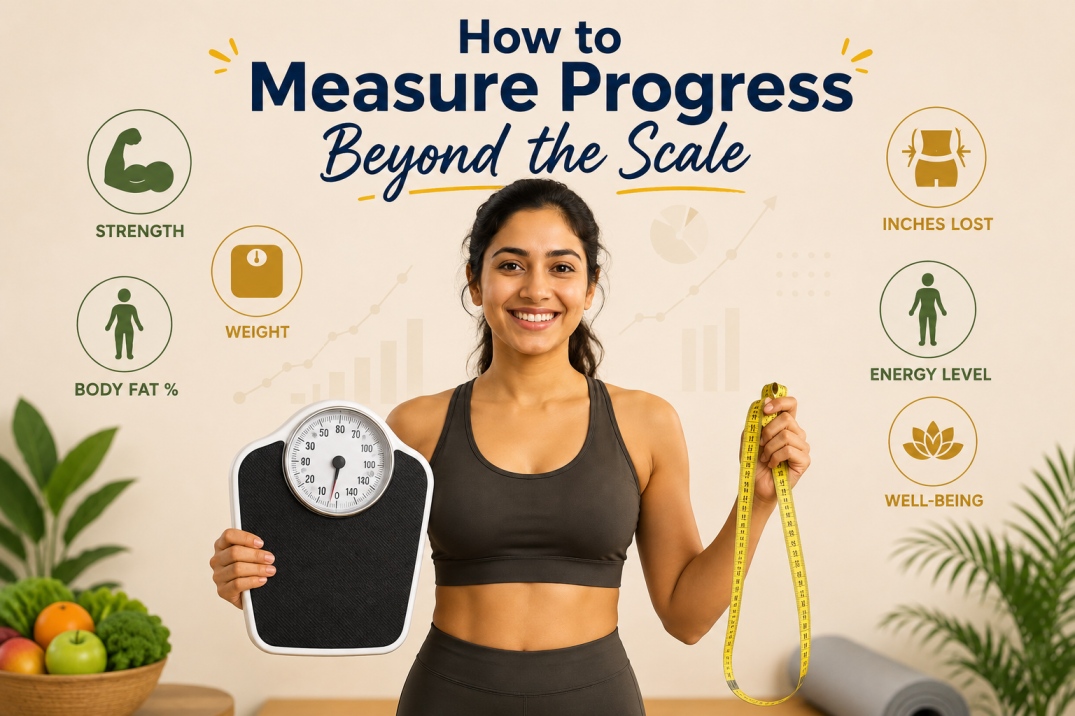
How to Measure Progress Beyond the Scale
How to Measure Progress Beyond the Scale: Smarter Ways to Track Your Weight Loss
Starting a weight loss journey often begins with one simple habit—stepping on the weighing scale. For many people, the number displayed becomes the ultimate measure of success. A lower number feels like progress, while a higher or unchanged number can feel discouraging.
However, the truth is that the weighing scale tells only a small part of your health story.
Your body is constantly changing. You may be losing body fat, building muscle, improving your fitness, sleeping better, or feeling more energetic—all without seeing a significant change in your weight. If you rely only on the scale, you may overlook these meaningful improvements and lose motivation, even though you're making excellent progress.
Healthy weight loss is about much more than reducing kilograms. It's about improving your body composition, enhancing physical fitness, supporting metabolic health, and building sustainable habits that benefit your long-term well-being.
This is why healthcare professionals and dietitians encourage people to look beyond the scale when evaluating their progress. Tracking multiple health indicators provides a more complete picture of how your body is responding to healthy lifestyle changes.
In this guide, you'll learn why the scale doesn't tell the whole story, explore better ways to measure your progress, and discover how to stay motivated throughout your weight loss journey.https://www.who.int/news-room/fact-sheets/detail/healthy-diet
Why the Scale Doesn't Tell the Whole Story
A weighing scale measures only one thing—your total body weight.
It cannot tell you:
How much body fat you've lost.
Whether you've gained muscle.
If your body water has changed.
Whether your fitness has improved.
How your metabolism is responding.
Whether your health markers are improving.
Imagine two people who both weigh 70 kg. One may have a higher percentage of muscle and lower body fat, while the other may have less muscle and more body fat. Although the scale shows the same number, their health, strength, and fitness levels can be very different.
Similarly, if you begin strength training, you may gain lean muscle while losing body fat. Since muscle is denser than fat, your weight may remain almost unchanged even though your body becomes leaner and healthier.
This is why focusing only on the scale can give a misleading picture of your progress.https://www.nin.res.in/
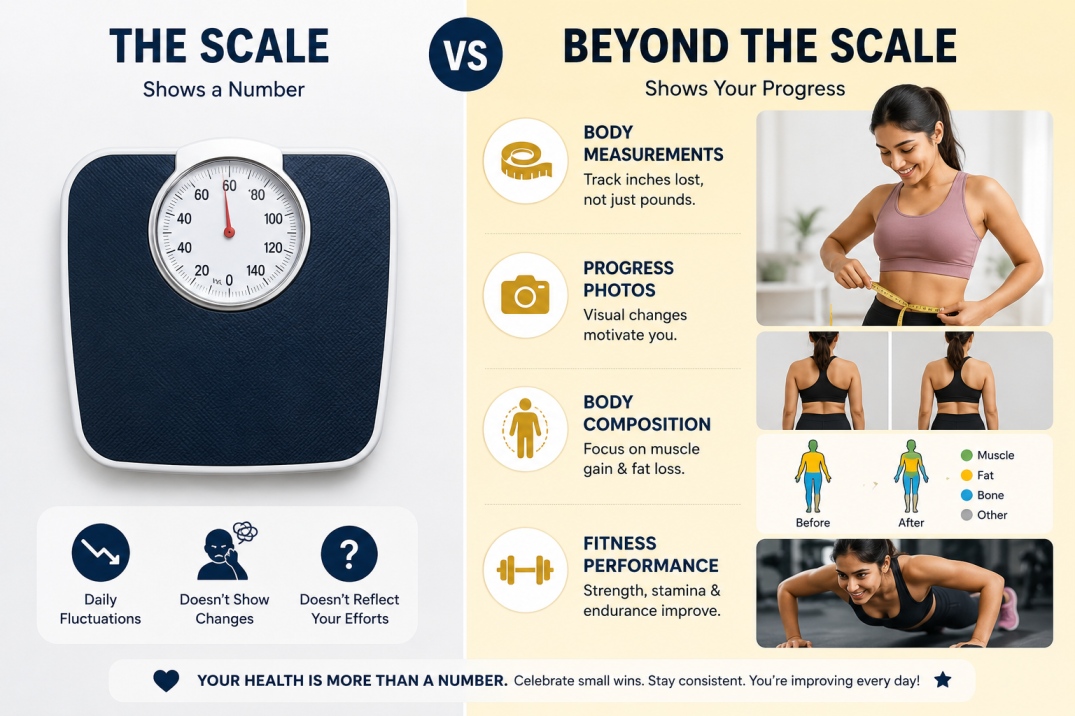
Why Your Weight Fluctuates Every Day
Many people become frustrated when their weight increases overnight despite eating well and exercising consistently. In most cases, these short-term changes are completely normal and do not reflect actual fat gain.
Several factors can influence your daily weight, including:
Water Retention
Your body naturally retains and releases water throughout the day. Factors such as sodium intake, carbohydrate consumption, hydration status, weather, and hormonal changes can temporarily increase body weight.
Food and Fluid Intake
Everything you eat and drink has weight. A larger meal or increased fluid intake may cause the scale to show a higher number, even though your body fat has not changed.
Digestive Changes
The contents of your stomach and intestines can affect your weight. Changes in bowel habits or meal timing may lead to temporary fluctuations.
Hormonal Changes
Hormonal shifts, especially during the menstrual cycle, can lead to temporary water retention and weight changes. These fluctuations are common and usually resolve naturally.
Physical Activity
After intense exercise, muscles may temporarily retain water as part of the recovery process. This is a normal response and should not be mistaken for fat gain.
Because of these natural variations, daily weight changes of 0.5–2 kg can occur without reflecting any meaningful change in body fat.
Instead of focusing on day-to-day fluctuations, it's more helpful to observe long-term trends over several weeks.
The Problem with Scale Obsession
Constantly checking the scale can create unnecessary stress and make healthy lifestyle changes feel discouraging.
When progress is measured only by body weight, people may:
Become frustrated by normal fluctuations.
Lose motivation despite making healthy choices.
Try extreme diets to see quicker results.
Skip strength training because they fear gaining weight.
Develop an unhealthy relationship with food and exercise.
Over time, this mindset can make weight management more difficult and less enjoyable.
A healthier approach is to recognize that weight is only one indicator of progress.
Celebrating improvements in energy, fitness, confidence, strength, and overall well-being can help maintain motivation and encourage long-term success.
Focus on Health, Not Just Weight
The ultimate goal of a healthy lifestyle is not simply to weigh less—it's to become healthier.
True progress may include:
Lower body fat percentage.
Increased muscle mass.
Better cardiovascular fitness.
Improved blood sugar and cholesterol levels.
Better sleep quality.
Increased energy throughout the day.
Reduced stress.
Greater confidence and improved quality of life.
When you shift your focus from the scale to overall health, weight loss becomes more sustainable and rewarding.
Better Ways to Measure Progress Beyond the Scale
While the weighing scale can be one useful tool, it shouldn't be the only way you measure success. Healthy weight loss involves many positive changes that may not immediately appear on the scale.
Tracking different indicators gives you a more accurate understanding of your progress and helps you stay motivated during your journey.
Here are some of the best ways to measure progress beyond the scale.
1. Track Your Body Measurements
One of the simplest and most reliable ways to monitor fat loss is by measuring different parts of your body.
As you lose body fat, your measurements often decrease even if your body weight changes very little.
Areas to measure include:
Waist
Hips
Chest
Upper arms
Thighs
Calves
The waist measurement is especially important because excess abdominal fat is associated with an increased risk of conditions such as type 2 diabetes, heart disease, and metabolic syndrome.
Tips for Accurate Measurements
Use a flexible measuring tape.
Measure at the same time of day.
Wear similar clothing each time.
Stand in the same posture.
Record your measurements every 3–4 weeks.
Even a reduction of a few centimeters can indicate meaningful fat loss.
2. Monitor Your Body Fat Percentage
Losing body fat is often a more meaningful goal than simply losing weight.
Body fat percentage shows how much of your body weight comes from fat tissue.
For example:
Person A
Weight: 70 kg
Body Fat: 35%
After three months:
Weight: 69 kg
Body Fat: 29%
Although the scale changed by only 1 kg, the reduction in body fat represents a significant improvement in health.
Monitoring body fat percentage helps you understand whether your weight loss is coming from fat rather than muscle.
3. Get a Body Composition Analysis
Body composition analysis provides a much clearer picture of your progress than weight alone.
Many clinics and fitness centers use Bioelectrical Impedance Analysis (BIA) or similar technologies to measure:
Body fat percentage
Skeletal muscle mass
Lean body mass
Visceral fat
Total body water
Basal Metabolic Rate (BMR)
If your body fat decreases while your muscle mass increases, you're making excellent progress—even if your body weight changes very little.
Body composition assessments are particularly useful for people following structured nutrition or fitness programs.
4. Take Progress Photos
Sometimes the mirror shows improvements before the scale does.
Taking photos every few weeks allows you to notice gradual physical changes that are difficult to observe on a daily basis.
Photographs can highlight:
Reduced waist size
Improved posture
Better muscle definition
Changes in body shape
Improved confidence
Tips for Consistent Progress Photos
Take photos every 4 weeks.
Wear similar clothing.
Use the same lighting.
Stand in the same position.
Capture front, side, and back views.
Looking back over several months often reveals significant progress that the scale never reflected.
5. Notice How Your Clothes Fit
Your wardrobe can become an excellent progress tracker.
As body fat decreases, you may notice:
Jeans fitting more comfortably.
Shirts feeling looser around the waist.
Better-fitting dresses or formal wear.
Reduced tightness around the hips or thighs.
These changes often occur before significant changes appear on the scale because fat loss changes your body shape.
Many people experience the satisfaction of wearing clothes they haven't comfortably worn in years—a meaningful milestone that no number on the scale can capture.
6. Measure Your Fitness Performance
Improving physical fitness is one of the biggest indicators that your body is becoming healthier.
Ask yourself:
Can you walk longer without getting tired?
Are you lifting heavier weights?
Can you complete more repetitions?
Is climbing stairs becoming easier?
Are you recovering faster after workouts?
Improved endurance, strength, and mobility indicate positive changes in your cardiovascular health and muscle function.
Even if your weight stays the same, becoming stronger is a major achievement.
7. Pay Attention to Your Energy Levels
Many people notice increased energy long before dramatic changes in body weight.
You may experience:
Less afternoon fatigue.
Better concentration.
Improved productivity.
Reduced feelings of sluggishness.
Greater motivation to stay active.
A balanced diet, regular physical activity, and improved sleep all contribute to better energy levels.
Feeling healthier throughout the day is a valuable sign that your lifestyle changes are working.
8. Evaluate Your Sleep Quality
Quality sleep plays an essential role in weight management and overall health.
As your habits improve, you may notice:
Falling asleep more easily.
Sleeping for longer periods.
Feeling refreshed upon waking.
Reduced daytime tiredness.
Better recovery after exercise.
Improved sleep also supports hormone regulation, appetite control, and muscle recovery.
Tracking your sleep quality alongside your nutrition and exercise routine can provide additional insights into your progress.
9. Notice Changes in Hunger and Appetite
Healthy eating isn't just about eating less—it's about developing a better relationship with food.
Positive signs include:
Feeling satisfied after balanced meals.
Fewer cravings for sugary or ultra-processed foods.
Better portion control.
Less emotional eating.
More consistent meal timings.
As your nutrition improves, your appetite often becomes more balanced, making healthy eating easier to maintain.
10. Monitor Your Mood and Confidence
Weight loss is not only a physical journey but also an emotional one.
Many people experience improvements such as:
Greater self-confidence.
Better mood.
Reduced stress.
Increased motivation.
Improved body image.
Greater willingness to participate in social and physical activities.
These emotional improvements are important indicators of overall well-being and should be celebrated alongside physical changes.
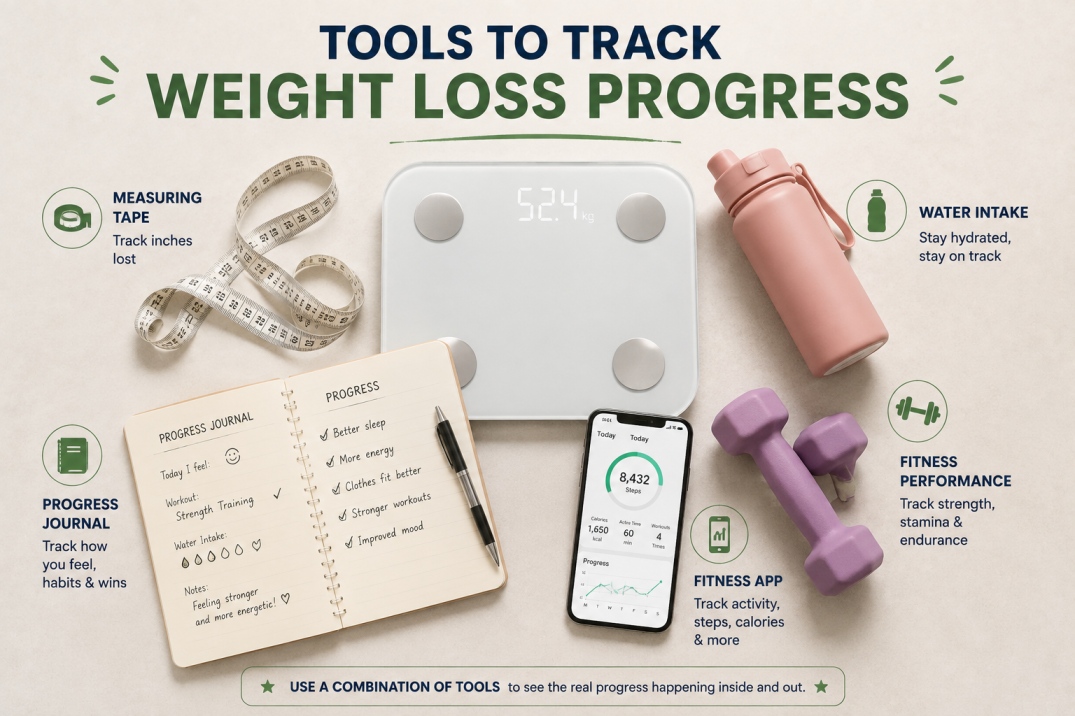
Why Combining Multiple Progress Measures Works Best
No single measurement tells the complete story of your health.
For the most accurate picture of your progress, combine several tracking methods, such as:
Weekly body weight
Monthly body measurements
Progress photos
Body composition analysis
Fitness performance
Energy levels
Sleep quality
Overall well-being
Together, these measurements provide a comprehensive view of your weight loss journey and help you recognize meaningful progress that the scale alone cannot show.
Celebrate Non-Scale Victories (NSVs) and Build Long-Term Success
Weight loss is about much more than seeing a smaller number on the scale. Some of the most meaningful improvements happen in ways that aren't measured in kilograms.
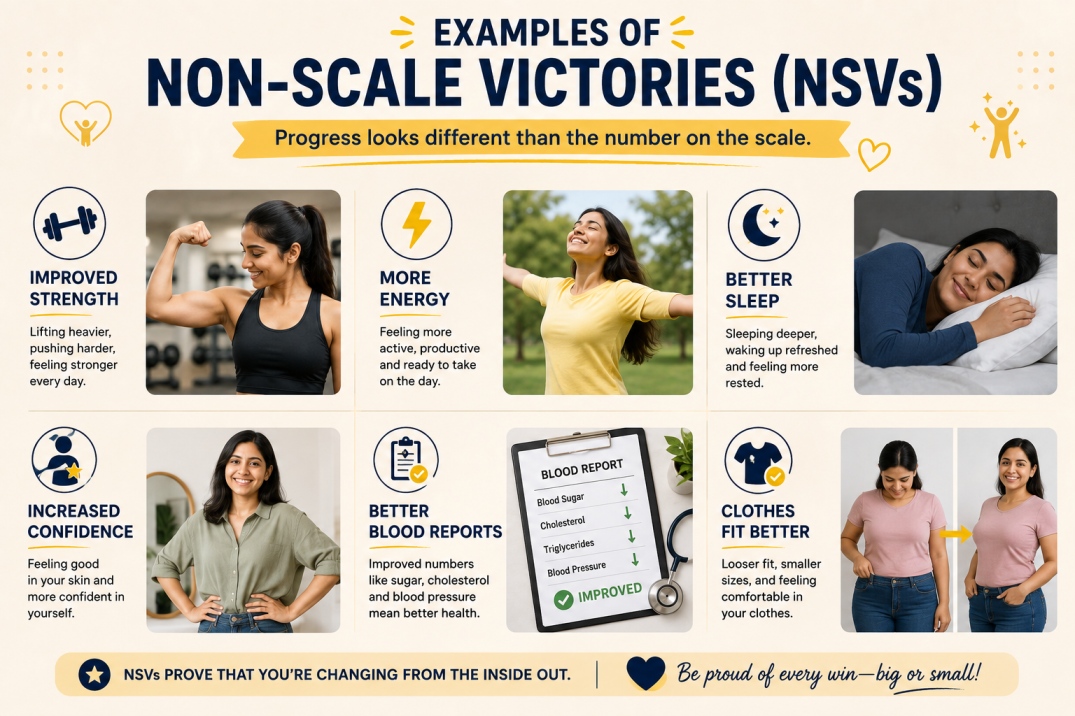
These positive changes are known as Non-Scale Victories (NSVs)—the physical, mental, and lifestyle improvements that reflect better health and sustainable progress.
Recognizing these victories can help you stay motivated, especially during periods when your weight remains stable. In many cases, these improvements are stronger indicators of success than the scale itself.
What Are Non-Scale Victories?
Non-Scale Victories (NSVs) are the positive changes you experience during your health and fitness journey that aren't reflected by body weight.
These improvements often indicate that your body is becoming stronger, healthier, and more resilient, even if the scale hasn't moved.
Examples include:
Feeling stronger during workouts.
Having more energy throughout the day.
Sleeping better.
Wearing smaller clothing sizes.
Improving blood test results.
Feeling more confident.
Reducing body fat while maintaining muscle.
Focusing on these milestones helps create a healthier relationship with your progress and encourages long-term consistency.
1. You're Getting Stronger
Strength is one of the clearest signs that your body is adapting positively.
You may notice that you can:
Lift heavier weights.
Perform more repetitions.
Complete workouts with less fatigue.
Carry groceries more easily.
Climb stairs without getting tired.
These improvements show that your muscles, bones, and cardiovascular system are becoming stronger.
Remember, gaining muscle is a positive change—even if it slows the number on the scale.
2. Your Endurance Has Improved
Improved endurance means your heart, lungs, and muscles are working more efficiently.
Signs include:
Walking longer distances.
Jogging without stopping.
Cycling farther.
Recovering faster after exercise.
Feeling less breathless during daily activities.
Better endurance supports heart health and makes everyday tasks feel easier.
3. Your Body Feels More Flexible and Mobile
Improved flexibility and mobility are often overlooked but are important indicators of better physical health.
You may notice:
Easier bending and stretching.
Reduced stiffness.
Better posture.
Improved balance.
Less joint discomfort during movement.
Regular stretching, yoga, and strength training all contribute to better mobility.
4. Your Blood Test Results Are Improving
One of the biggest health victories often happens where you can't see it—inside your body.
Healthy lifestyle changes may improve important health markers such as:
Blood sugar (HbA1c)
Fasting glucose
Cholesterol levels
Triglycerides
Blood pressure
Liver function
Inflammatory markers
Even if weight loss is gradual, improvements in these markers significantly reduce the risk of chronic diseases.
If you're working with a healthcare provider, regular blood tests can help track these changes over time.
5. Your Waistline Is Getting Smaller
Fat loss doesn't always show up immediately on the scale.
As body fat decreases, especially around the abdomen, you may notice:
Smaller waist circumference.
Looser clothing.
Better-fitting belts.
Reduced belly fat.
A more defined body shape.
Reducing abdominal fat is particularly beneficial because it is associated with improved metabolic health and a lower risk of heart disease and type 2 diabetes.
6. You Feel More Confident
Confidence often grows alongside healthy habits.
You may feel more comfortable:
Wearing different styles of clothing.
Taking photographs.
Participating in social activities.
Speaking in public.
Exercising in a gym.
These emotional improvements are just as valuable as physical changes.
A healthier lifestyle isn't only about changing your appearance—it's about improving how you feel about yourself.
7. Your Mental Health Has Improved
Regular physical activity and balanced nutrition can positively influence emotional well-being.
Many people report:
Reduced stress.
Improved mood.
Better focus.
Increased productivity.
Lower anxiety levels.
Greater emotional resilience.
These benefits contribute to overall quality of life and support long-term healthy habits.
8. Healthy Habits Feel Easier
One of the biggest milestones is when healthy choices become part of your routine rather than something you force yourself to do.
You may notice that:
Meal planning becomes easier.
You naturally choose healthier foods.
Regular exercise becomes enjoyable.
Drinking enough water becomes a habit.
You crave nutritious foods more often.
These lifestyle changes create lasting success because they're sustainable.
Consistency Matters More Than Perfection
Many people believe they need to eat perfectly or exercise every day to achieve their goals.
In reality, consistency is far more important than perfection.
Healthy progress comes from repeatedly making good choices—not from following extreme diets or unrealistic routines.
Remember:
One unhealthy meal doesn't ruin your progress.
Missing one workout doesn't erase your efforts.
Long-term habits matter more than short-term perfection.
The people who achieve lasting results are usually those who stay consistent rather than those who try to be perfect.
How Often Should You Track Your Progress?
Tracking too frequently can become discouraging, while tracking too rarely may make it difficult to notice improvements.
A balanced schedule includes:
Weight
Once a week under similar conditions.
Use weekly averages instead of focusing on daily fluctuations.
Body Measurements
Every 3–4 weeks.
Progress Photos
Once every 4 weeks.
Body Composition Analysis
Every 6–8 weeks during an active weight-loss or fitness program.
Every 3–6 months for routine monitoring.
Fitness Performance
Track improvements after each workout by recording:
Weight lifted.
Number of repetitions.
Distance walked or run.
Workout duration.
Recovery time.https://wellorafit.com/services/fitness-training/
Best Tools to Track Your Progress
You don't need expensive equipment to monitor your health journey.
Some practical tools include:
Measuring Tape
Ideal for tracking changes in waist, hips, chest, arms, and thighs.
Progress Journal
Record:
Weekly weight
Measurements
Exercise sessions
Water intake
Sleep quality
Mood
Energy levels
Writing down your progress helps identify positive trends over time.
Body Composition Analyzer
These devices estimate:
Body fat percentage
Muscle mass
Visceral fat
Body water
Basal Metabolic Rate (BMR)
They're useful for understanding changes beyond body weight.
Fitness Apps
Many apps allow you to track:
Daily steps
Calories
Exercise
Nutrition
Water intake
Weight trends
Seeing your progress visually can boost motivation and accountability.
Smartwatches and Fitness Trackers
Wearable devices can monitor:
Daily activity
Heart rate
Sleep
Calories burned
Exercise sessions
While not perfectly accurate, they provide useful trends that support healthier habits.
Common Mistakes, FAQs, Conclusion & Resources
Tracking your progress beyond the scale helps you appreciate the many ways your body and health improve during a weight loss journey. However, even with multiple tracking methods, it's easy to make mistakes that can affect your motivation or lead to unrealistic expectations.
The key is to stay patient, focus on long-term trends, and celebrate every step toward a healthier lifestyle.
Common Mistakes When Tracking Weight Loss Progress
1. Weighing Yourself Every Day
Daily weight naturally fluctuates due to hydration, food intake, hormones, and digestion. These short-term changes do not reflect actual fat loss or gain.
Better approach: Weigh yourself once a week under similar conditions, such as in the morning after using the restroom and before eating.
2. Ignoring Body Composition
Many people celebrate losing weight without considering whether they're losing fat or muscle.
Rapid weight loss can sometimes lead to muscle loss, which may slow your metabolism and affect long-term results.
Better approach: Monitor body fat percentage, muscle mass, or body measurements whenever possible.
3. Comparing Yourself to Others
Every person's body responds differently to nutrition and exercise.
Progress depends on several factors, including:
Age
Gender
Genetics
Medical conditions
Activity level
Sleep
Stress
Hormones
Comparing your journey with someone else's often leads to unnecessary disappointment.
Better approach: Compare yourself only with your previous progress.
4. Expecting Immediate Results
Healthy fat loss takes time.
It's normal to experience:
Weight plateaus
Temporary fluctuations
Slower progress after the initial weeks
These phases are a natural part of sustainable weight management.
5. Focusing Only on Appearance
Weight loss isn't just about looking different—it's about becoming healthier.
Positive changes include:
Better blood sugar control
Lower cholesterol
Improved blood pressure
Better mobility
Increased strength
Improved energy
Better mental well-being
Health improvements are often more important than cosmetic changes.
6. Letting One Bad Day Define Your Journey
Everyone has days when they overeat, skip workouts, or miss healthy habits.
One meal, one weekend, or one missed workout won't erase weeks of consistent effort.
The goal is progress—not perfection.
Tips to Stay Motivated During Your Weight Loss Journey
Maintaining motivation over the long term is often more challenging than starting.
Here are practical strategies to help you stay consistent.
Set Realistic Goals
Instead of focusing only on weight loss, set goals such as:
Walking 8,000–10,000 steps daily.
Strength training three times a week.
Eating vegetables at every meal.
Drinking enough water.
Sleeping 7–9 hours each night.
Healthy habits lead to sustainable results.https://wellorafit.com/services/fitness-training/
Celebrate Small Wins
Every improvement deserves recognition.
Celebrate milestones like:
Losing a few centimeters from your waist.
Completing your first 5 km walk.
Choosing home-cooked meals more often.
Feeling stronger during workouts.
Sleeping better.
Improving blood test results.
These achievements build confidence and reinforce healthy habits.
Track Habits, Not Just Outcomes
Rather than asking:
"Did I lose weight this week?"
Ask yourself:
Did I eat balanced meals?
Did I exercise regularly?
Did I drink enough water?
Did I sleep well?
Did I manage stress effectively?
Good habits consistently practiced will eventually produce positive results.
Be Patient
Healthy weight loss is a gradual process.
Aim to build habits that you can maintain for years—not just a few weeks.
Remember that lasting success comes from consistency rather than quick fixes.
Frequently Asked Questions (FAQs)
1. Is weighing myself enough to measure weight loss progress?
No. The scale measures only total body weight and does not show changes in body fat, muscle mass, or overall health.
2. What is the best way to measure fat loss?
A combination of body measurements, body fat percentage, body composition analysis, progress photos, and clothing fit provides a more accurate picture of fat loss.
3. How often should I weigh myself?
For most people, weighing yourself once a week under consistent conditions is sufficient to monitor long-term trends.
4. Why hasn't my weight changed even though I'm exercising?
You may be gaining muscle while losing body fat. This is common, especially when starting strength training, and is a positive sign of improved body composition.
5. What are Non-Scale Victories (NSVs)?
NSVs are improvements that occur during your health journey without necessarily changing your weight, such as increased strength, better sleep, improved energy, healthier blood test results, or clothes fitting better.
6. Are body measurements more useful than body weight?
They complement each other. Body measurements often reflect fat loss even when body weight changes very little.
7. How often should I take progress photos?
Taking photos every 4 weeks under similar lighting, clothing, and posture allows you to notice gradual physical changes.
8. Can I lose inches without losing weight?
Yes. If you lose body fat while gaining muscle, your measurements may decrease even if your body weight remains stable.
9. Should I use a body composition analyzer?
If available, body composition analysis can provide useful information about body fat, muscle mass, visceral fat, and hydration, making it a valuable tool alongside other tracking methods.
10. What's the most important measure of progress?
The best approach is to combine several indicators, including body measurements, body composition, fitness performance, healthy habits, energy levels, and overall well-being rather than relying solely on the scale.
Conclusion
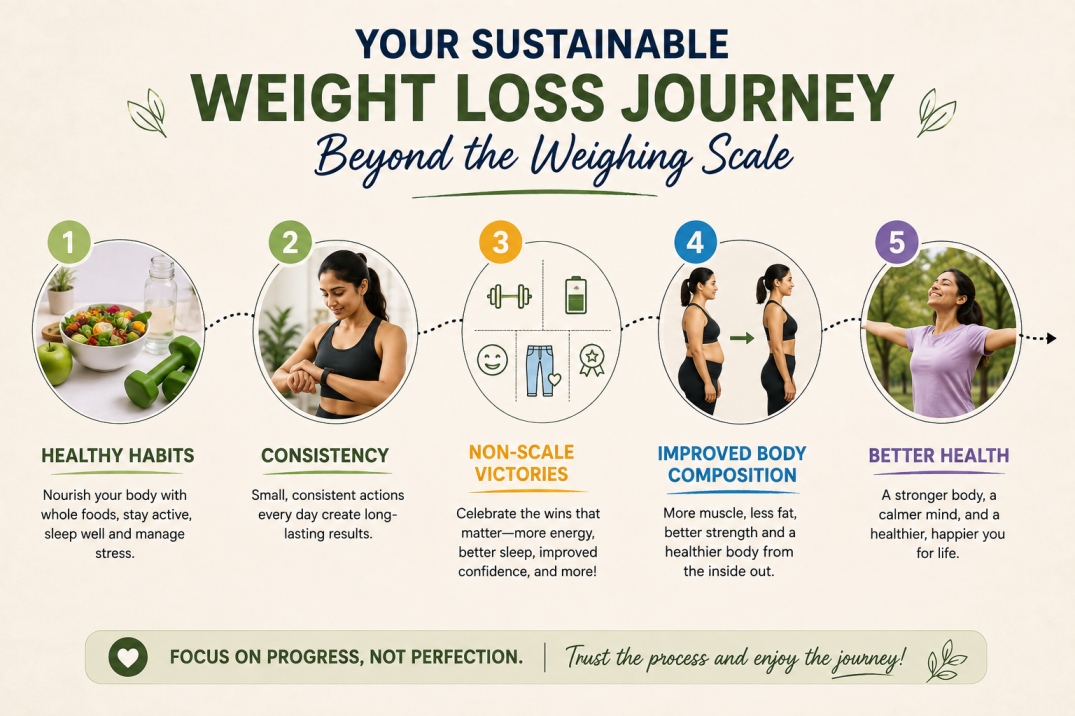
The number on the scale is only one piece of your weight loss journey—it doesn't define your health or determine your success. True progress goes far beyond body weight and includes improvements in body composition, physical fitness, energy levels, sleep quality, confidence, and overall well-being.
By tracking body measurements, progress photos, body fat percentage, fitness performance, and Non-Scale Victories (NSVs), you'll gain a more complete understanding of how your body is changing. These indicators often reveal meaningful progress long before the scale reflects it.
Remember that healthy weight loss is not about achieving perfection or chasing rapid results. It's about building sustainable habits that improve your quality of life for years to come.
Celebrate every step forward, stay consistent with your nutrition and physical activity, and focus on becoming healthier—not just lighter. When you measure success beyond the scale, you'll discover that the journey is about much more than a number—it's about creating a stronger, healthier, and more confident version of yourself.
Ready to Begin Your Health Journey?
Get a personalized, medically guided plan built around your unique biology.