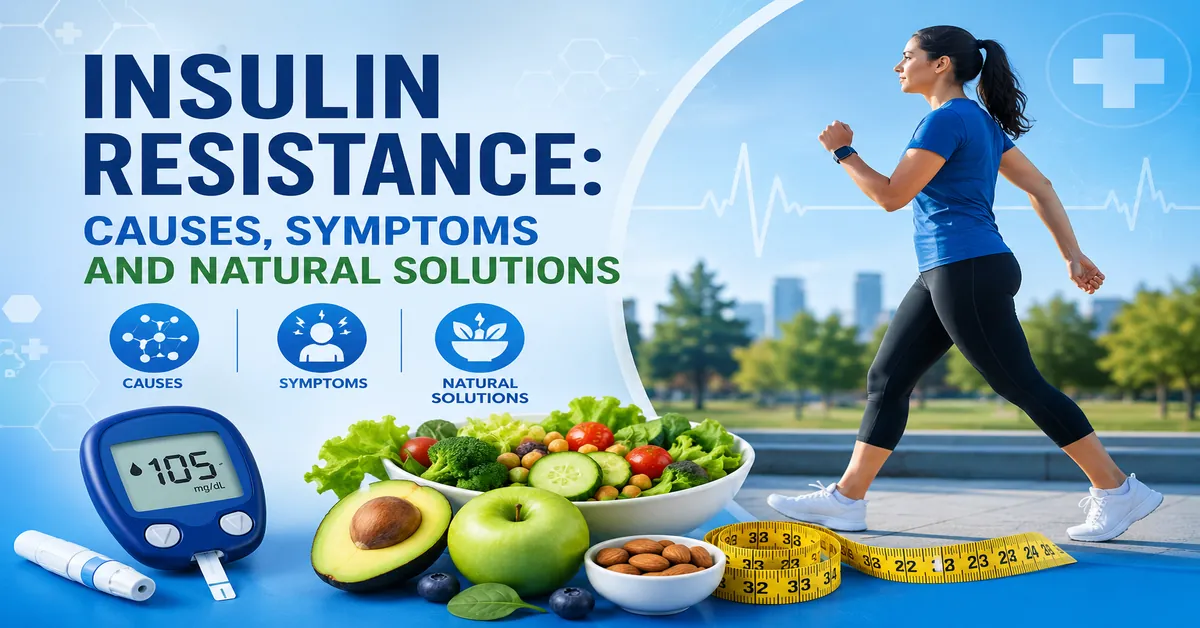
Insulin Resistance: Causes, Symptoms & Natural Reversal
What Is Insulin Resistance?
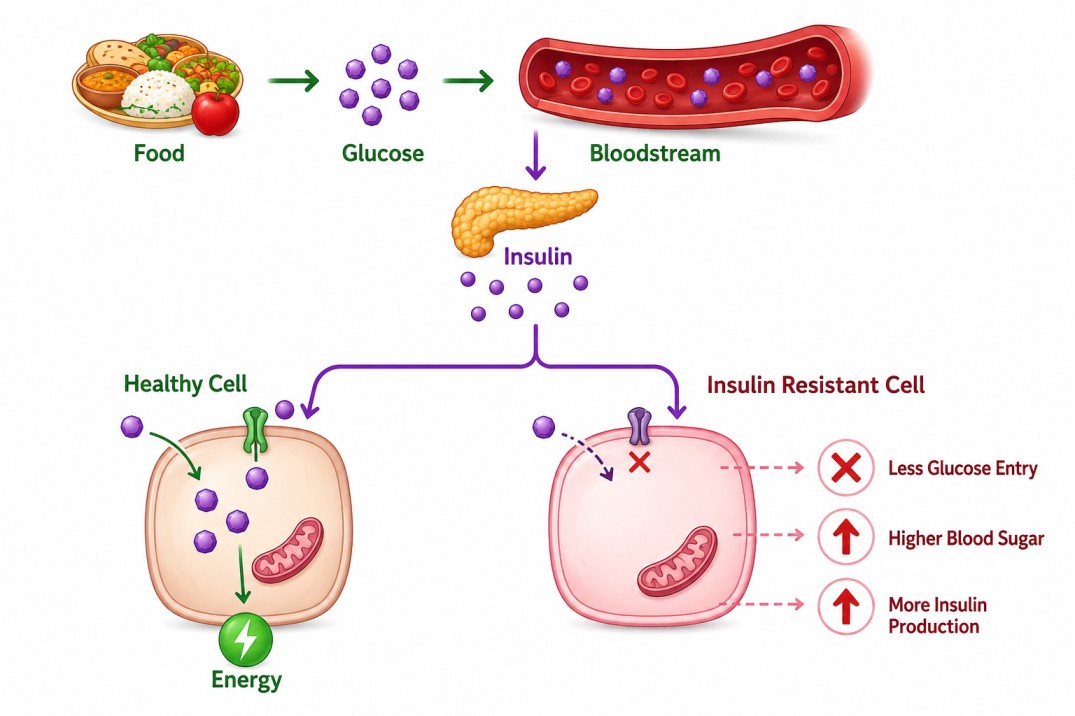
Insulin resistance is a metabolic condition in which the body's cells become less responsive to insulin, a hormone produced by the pancreas. Insulin helps move glucose (sugar) from the bloodstream into cells where it is used for energy.
When cells stop responding efficiently, the pancreas produces more insulin to compensate. Over time, this can lead to elevated insulin levels, higher blood sugar levels, prediabetes, and eventually Type 2 diabetes.
Insulin resistance is increasingly common due to sedentary lifestyles, poor dietary habits, chronic stress, inadequate sleep, and excess body fat, especially around the abdomen.
How Insulin Works in the Body
After you eat carbohydrates:
Food is broken down into glucose.
Glucose enters the bloodstream.
The pancreas releases insulin.
Insulin helps glucose enter cells.
Cells use glucose for energy.
In insulin resistance, cells become less sensitive to insulin, causing glucose to remain in the bloodstream. As a result, the pancreas works harder and releases more insulin.
Common Symptoms of Insulin Resistance
Many people experience no symptoms initially. However, common signs include:
Physical Symptoms
Increased hunger
Frequent cravings for sugary foods
Fatigue after meals
Difficulty losing weight
Increased belly fat
Brain fog
Low energy levels
Frequent hunger despite eating
Skin Changes
Darkened skin patches around the neck, armpits, or groin (Acanthosis Nigricans)
Skin tags
Women May Experience
Irregular periods
Polycystic Ovary Syndrome (PCOS)
Fertility issues
Major Causes of Insulin Resistance
1. Excess Body Fat
Carrying excess weight, especially around the abdomen, is strongly associated with reduced insulin sensitivity.
2. Physical Inactivity
Muscles are major users of glucose. Lack of exercise reduces glucose uptake and increases insulin resistance.
3. Excess Refined Carbohydrates
Frequent consumption of sugary drinks, sweets, bakery products, and ultra-processed foods may worsen insulin sensitivity.
4. Poor Sleep
Sleep deprivation affects hormone balance and glucose regulation.
5. Chronic Stress
Long-term stress increases cortisol levels, which can interfere with insulin function.
6. Genetics
Family history can increase susceptibility to insulin resistance.
Risk Factors
You may be at higher risk if you have:
Overweight or obesity
Sedentary lifestyle
Family history of Type 2 diabetes
PCOS
High blood pressure
High triglycerides
Low HDL cholesterol
Fatty liver disease
Sleep apnea
Health Risks of Untreated Insulin Resistance
If left unmanaged, insulin resistance may contribute to:
Prediabetes
Blood sugar levels become higher than normal but not yet diabetic.
Type 2 Diabetes
Long-term insulin resistance can eventually exhaust the pancreas.
Heart Disease
Insulin resistance is linked with inflammation, high blood pressure, and abnormal cholesterol levels.
Fatty Liver Disease
Excess insulin promotes fat storage in the liver.
PCOS
Women with insulin resistance have a higher risk of developing PCOS.
Metabolic Syndrome
A cluster of conditions that increase the risk of cardiovascular disease. https://wellorafit.com/services/doctor-consultations/
How Is Insulin Resistance Diagnosed?
Healthcare professionals may use:
Blood Tests
Fasting Blood Sugar
HbA1c
Fasting Insulin Levels
Oral Glucose Tolerance Test
Clinical Indicators
Increased waist circumference
High triglycerides
Low HDL cholesterol
Elevated blood pressure
Best Diet for Insulin Resistance
According to https://www.nin.res.in dietary guidelines, balanced nutrition and regular physical activity are essential for metabolic health.Nutrition plays a crucial role in improving insulin sensitivity. https://wellorafit.com/services/nutrition-diet-planning/
Foods to Include
Protein Sources
Lentils
Beans
Chickpeas
Paneer
Greek yogurt
Eggs
Fish
Chicken breast
Tofu
High-Fiber Foods
Oats
Whole grains
Vegetables
Fruits
Chia seeds
Flaxseeds
Healthy Fats
Nuts
Seeds
Avocado
Olive oil
Fatty fish
Low Glycemic Carbohydrates
Brown rice
Millets
Quinoa
Whole wheat
Sweet potato
Foods to Limit
Sugary beverages
White bread
Pastries
Cakes
Cookies
Candy
Deep-fried foods
Highly processed snacks
Excess alcohol
Exercise for Improving Insulin Sensitivity
Regular exercise helps muscles absorb glucose more effectively. https://wellorafit.com/blog/why-belly-fat-is-harder-to-lose-after-30
Recommended Activities
Strength Training
2–4 sessions per week
Walking
8,000–10,000 steps daily
Cardio Exercise
150 minutes per week
HIIT Workouts
1–2 sessions weekly
Even a 10–15 minute walk after meals can help improve blood sugar control.
Lifestyle Changes That Help
Research published by the https://www.nih.gov NIH suggests that lifestyle modification remains the first-line strategy for improving insulin sensitivity.
Improve Sleep Quality
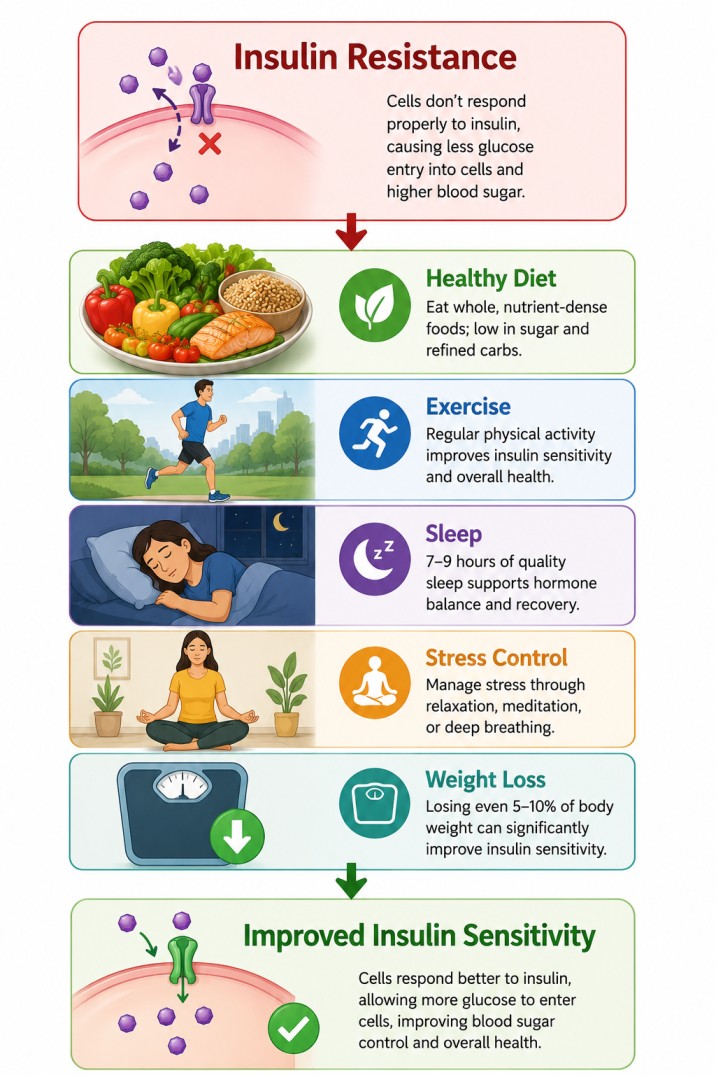
Aim for 7–9 hours of sleep every night.
Manage Stress
Try:
Meditation
Yoga
Deep breathing exercises
Mindfulness practices
Stay Hydrated
Proper hydration supports overall metabolic health.
Maintain Healthy Body Weight
Even a modest weight loss of 5–10% can significantly improve insulin sensitivity.
Can Insulin Resistance Be Reversed?
In many cases, yes.
Early insulin resistance often improves through:
Weight management
Regular physical activity
Balanced nutrition
Improved sleep
Stress reduction
Consistency is more important than perfection. Small sustainable lifestyle changes can lead to substantial improvements in insulin sensitivity and overall health.
Key Takeaways
Insulin resistance occurs when cells stop responding efficiently to insulin.
It increases the risk of prediabetes, Type 2 diabetes, heart disease, and fatty liver disease.
Excess body fat, inactivity, poor diet, stress, and inadequate sleep are major contributors.
A high-protein, high-fiber diet combined with regular exercise can improve insulin sensitivity.
Early intervention can help prevent long-term complications and support better metabolic health.
Conclusion
Insulin resistance is a warning sign that the body is struggling to manage blood sugar effectively. The good news is that lifestyle changes such as healthy eating, regular exercise, adequate sleep, and stress management can significantly improve insulin sensitivity. Taking action early can reduce the risk of diabetes and promote long-term health and wellbeing. https://wellorafit.com
check out out wellorafit weightloss program. https://wellorafit.com/weight-loss
FAQ Schema Questions
What are the first signs of insulin resistance?
Common signs include increased hunger, fatigue, sugar cravings, difficulty losing weight, and increased belly fat.
Can insulin resistance be reversed naturally?
Yes, many people can improve insulin sensitivity through weight management, exercise, healthy eating, and better sleep.
Which foods help reduce insulin resistance?
High-fiber foods, lean proteins, healthy fats, vegetables, legumes, and whole grains may help improve insulin sensitivity.
Is insulin resistance the same as diabetes?
No. Insulin resistance is a condition that can lead to prediabetes and eventually Type 2 diabetes if not managed.
How long does it take to improve insulin resistance?
Many people notice improvements within a few weeks to months of consistent lifestyle changes, depending on individual factors.
These internal links, external authority links, and FAQ schema can significantly improve your chances of ranking for "Insulin Resistance", "Insulin Resistance Symptoms", and "How to Reverse Insulin Resistance Naturally."
For an SEO blog like Insulin Resistance, adding 6–8 relevant images can significantly improve engagement, time on page, and Google rankings.
Ready to Begin Your Health Journey?
Get a personalized, medically guided plan built around your unique biology.