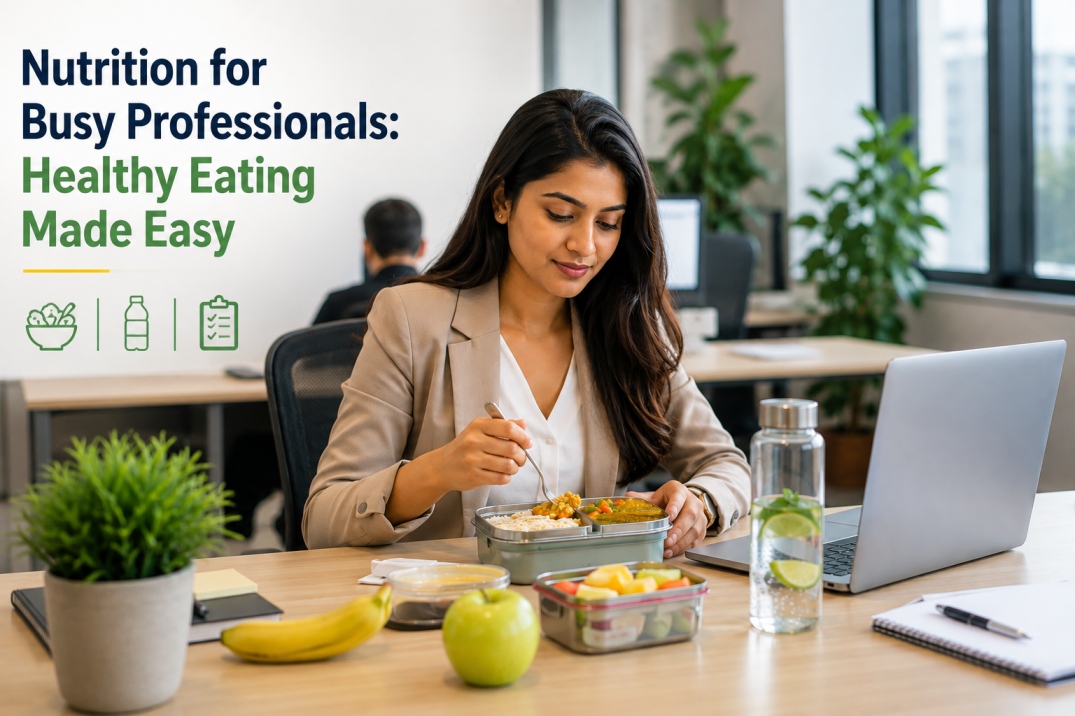
Nutrition for Busy Professionals: Healthy Eating Made Easy
Introduction
Modern work life is fast-paced, demanding, and often unpredictable. Between early morning meetings, long commutes, deadlines, business travel, and balancing personal responsibilities, healthy eating frequently takes a back seat. Many professionals rely on convenience foods, skip meals, or consume excessive caffeine just to get through the day.
While these habits may seem harmless in the short term, poor nutrition can gradually affect energy levels, concentration, productivity, mood, sleep quality, and long-term health. Inadequate nutrition has also been linked to an increased risk of obesity, type 2 diabetes, heart disease, hypertension, and other lifestyle-related conditions.
The good news is that eating healthy doesn't require hours in the kitchen or following restrictive diets. With proper planning and practical strategies, busy professionals can enjoy nutritious meals that fit even the busiest schedules.
This guide explores why professionals often struggle with healthy eating, how a hectic lifestyle impacts nutrition, common dietary mistakes to avoid, and why prioritizing good nutrition can improve both career performance and overall well-being.https://www.eatright.org/
Why Busy Professionals Struggle to Eat Healthy
For many working professionals, healthy eating isn't limited by knowledge—it's limited by time, convenience, and consistency.
A demanding work schedule often means meals are planned around meetings instead of hunger, and convenience often outweighs nutrition. As a result, many professionals unintentionally develop eating habits that fail to meet their body's nutritional needs.· https://www.who.int/news-room/fact-sheets/detail/healthy-diet
Some of the biggest challenges include:
· Long working hours
· Back-to-back meetings
· Frequent travel
· Irregular meal timings
· High stress levels
· Limited healthy food options near the workplace
· Lack of meal planning
· Dependence on food delivery apps
These factors make it easier to choose processed foods over balanced meals.
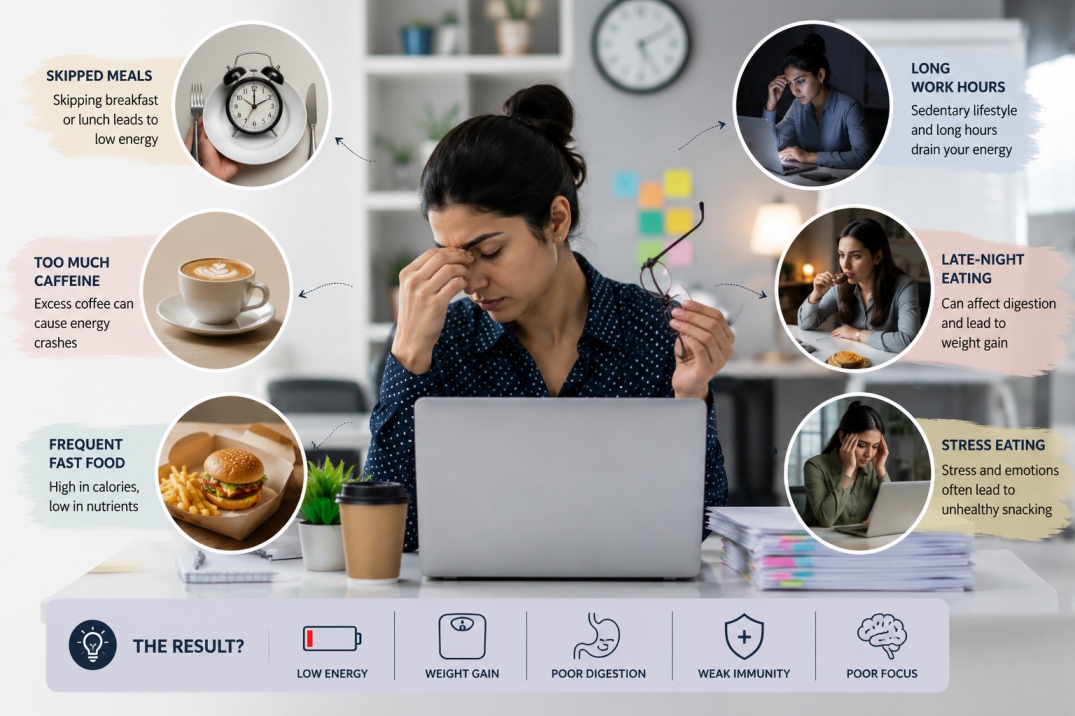
Lack of Time
One of the most common reasons professionals skip healthy eating is a busy schedule.
Preparing balanced meals requires planning, shopping, and cooking—all of which can feel overwhelming after a long workday.
As a result, many people:
· Skip breakfast.
· Delay lunch until late afternoon.
· Grab packaged snacks between meetings.
· Order fast food for dinner.
Although convenient, these habits often provide excess calories while lacking essential nutrients like protein, fiber, vitamins, and minerals.
High Workplace Stress
Stress has a powerful influence on eating behavior.
Deadlines, presentations, financial pressure, and long work hours can increase cravings for foods high in sugar, refined carbohydrates, and unhealthy fats.
Stress may also lead to:
· Emotional eating
· Frequent snacking
· Larger portion sizes
· Increased caffeine intake
· Poor hydration
Without mindful eating habits, stress can gradually contribute to unwanted weight gain and poor metabolic health.
Easy Access to Unhealthy Foods
Most workplaces offer easy access to foods that are convenient but not necessarily nutritious.
Examples include:
· Sugary beverages
· Biscuits and cookies
· Chips
· Chocolates
· Pizza during meetings
· Fried snacks
· Instant noodles
When healthy alternatives aren't readily available, convenience often wins.https://wellorafit.com/services/nutrition-diet-planning/
Irregular Eating Patterns
Busy schedules often lead to inconsistent meal timings.
Some professionals may skip breakfast and overeat at dinner, while others snack continuously throughout the day without eating balanced meals.
Irregular eating can affect:
· Blood sugar regulation
· Appetite control
· Energy levels
· Digestion
· Overall diet quality
Developing a predictable eating routine helps maintain consistent energy and supports healthier food choices.
How a Busy Lifestyle Affects Nutrition
A hectic work schedule doesn't just change when you eat—it can also affect what you eat, how much you eat, and how efficiently your body uses nutrients.
Over time, poor dietary habits may contribute to nutritional deficiencies and increase the risk of chronic health conditions.
Reduced Intake of Nutrient-Dense Foods
Busy professionals often consume fewer:
· Fruits
· Vegetables
· Whole grains
· Lean proteins
· Dairy or calcium-rich foods
· Nuts and seeds
Instead, convenience foods high in refined carbohydrates, sodium, sugar, and saturated fat become a larger part of the diet.
This imbalance can reduce overall diet quality and limit the intake of essential vitamins, minerals, and antioxidants.
Increased Reliance on Processed Foods
Ultra-processed foods are designed for convenience but are often high in:
· Calories
· Added sugars
· Sodium
· Saturated fats
· Artificial additives
Regular consumption may contribute to:
· Weight gain
· High blood pressure
· Elevated cholesterol
· Poor blood sugar control
· Increased inflammation
Choosing minimally processed foods more often supports better long-term health.
Inadequate Protein Intake
Many professionals consume meals that are rich in refined carbohydrates but low in protein.
Examples include:
· Tea with biscuits
· Bread with jam
· Instant noodles
· Plain pasta
· White rice without adequate protein
Protein plays an important role in:
· Muscle maintenance
· Satiety
· Blood sugar control
· Recovery
· Immune function
Including a protein source in every meal helps improve fullness and sustain energy throughout the day.https://wellorafit.com/services/nutrition-diet-planning/
Poor Hydration
Many professionals spend hours at their desks without drinking enough water.
Others replace water with:
· Coffee
· Tea
· Soft drinks
· Energy drinks
Even mild dehydration can affect:
· Concentration
· Memory
· Mood
· Physical performance
· Productivity
Keeping a reusable water bottle nearby is a simple strategy to encourage regular hydration.
Excess Caffeine Consumption
Coffee and tea are popular among professionals, especially during long workdays.
While moderate caffeine intake can improve alertness, excessive consumption may lead to:
· Sleep disturbances
· Anxiety
· Increased heart rate
· Digestive discomfort
· Dependence on caffeine for energy
Balancing caffeine intake with adequate sleep, hydration, and nutritious meals is essential.
Common Nutrition Mistakes Working Professionals Make
Many professionals unknowingly develop habits that reduce diet quality and increase the risk of lifestyle-related diseases.
Here are some of the most common mistakes.
Skipping Breakfast
Skipping breakfast may seem like a time-saving strategy, but it often leads to:
· Increased hunger later in the day
· Overeating at lunch or dinner
· Reduced concentration
· Lower energy levels
A balanced breakfast containing protein, fiber, and healthy carbohydrates can improve satiety and mental performance.
Eating Lunch at the Desk
Many professionals continue working while eating.
This habit may encourage:
· Mindless eating
· Larger portion sizes
· Poor digestion
· Reduced meal satisfaction
Taking even 15–20 minutes away from the screen for meals can promote mindful eating and improve digestion.
Relying on Food Delivery Every Day
Ordering food is convenient, but restaurant meals are often higher in:
· Calories
· Sodium
· Saturated fat
· Added sugars
Preparing meals at home—even a few times per week—can significantly improve overall diet quality.
Choosing Convenience Over Nutrition
Quick foods aren't always nutritious.
Common examples include:
· Chips
· Instant noodles
· Sugary cereals
· Processed sandwiches
· Fried snacks
Replacing these with healthier options such as fruit, yogurt, roasted chickpeas, nuts, or homemade sandwiches can improve nutrient intake without requiring much preparation.
Eating Too Late at Night
Long working hours often delay dinner until late evening.
Late-night eating is frequently associated with:
· Larger meal portions
· Poor food choices
· Reduced sleep quality
· Increased calorie intake
Planning balanced meals earlier in the day can help reduce excessive hunger at night.
Why Good Nutrition Improves Productivity and Performance
Healthy eating isn't just about preventing disease—it also supports better workplace performance.
The brain requires a continuous supply of nutrients to function efficiently. Balanced meals help maintain stable blood sugar levels, reducing energy crashes and improving focus throughout the day.
Professionals who consistently consume nutritious meals often experience improvements in both physical and mental performance.
Better Energy Levels
Balanced meals containing protein, complex carbohydrates, healthy fats, and fiber provide sustained energy rather than short-lived spikes followed by fatigue.
Improved Concentration
Key nutrients such as omega-3 fatty acids, B vitamins, iron, and adequate hydration support cognitive function, helping improve focus, memory, and decision-making during demanding workdays.
Better Stress Management
A nutrient-rich diet supports healthy hormone function and may help the body respond more effectively to daily stress. Regular meals can also reduce stress-related overeating and stabilize mood.
Stronger Immunity
Adequate intake of vitamins, minerals, antioxidants, and protein helps maintain a healthy immune system, potentially reducing the frequency of illness and missed workdays.
Better Long-Term Health
Consistently choosing balanced meals can help lower the risk of obesity, type 2 diabetes, cardiovascular disease, hypertension, and other chronic conditions, supporting a healthier and more productive career.
Smart Nutrition Strategies for Busy Professionals
Healthy eating doesn't have to be complicated or time-consuming. By making small, practical changes to your daily routine, you can improve your nutrition without sacrificing productivity.
The goal isn't to prepare elaborate meals every day—it's to build simple habits that fit your schedule and provide your body with the nutrients it needs to perform at its best.
Here are practical nutrition strategies every busy professional can follow.
1. Never Skip Breakfast
Breakfast is often the first meal professionals sacrifice when mornings are hectic. However, skipping breakfast can lead to increased hunger later in the day, reduced concentration, and unhealthy snacking.
A balanced breakfast should include:
· Protein
· Complex carbohydrates
· Healthy fats
· Fiber
Quick Healthy Breakfast Ideas
· Vegetable oats with boiled eggs or paneer
· Moong dal chilla with curd
· Greek yogurt with fruits and nuts
· Overnight oats with chia seeds
· Vegetable poha with roasted peanuts
· Besan chilla with mint chutney
· Whole wheat toast with peanut butter and banana
· Vegetable omelette with multigrain toast
· Smoothie made with milk, oats, fruits, and seeds
A nutritious breakfast helps maintain stable blood sugar levels and supports better focus throughout the morning.
2. Build a Balanced Plate
Every main meal should include the right balance of macronutrients to provide sustained energy and keep you feeling satisfied.
An easy way to structure your plate is:
· ½ Plate: Non-starchy vegetables (salad, spinach, broccoli, carrots, cucumber, beans)
· ¼ Plate: Lean protein (dal, paneer, tofu, eggs, chicken, fish, sprouts)
· ¼ Plate: Whole grains or complex carbohydrates (brown rice, quinoa, millet, whole wheat roti, oats)
Include a serving of healthy fat, such as nuts, seeds, avocado, or olive oil, to enhance satiety and nutrient absorption.
A balanced plate provides a combination of fiber, protein, and healthy carbohydrates, helping to prevent energy crashes during busy workdays.
3. Prioritize Protein at Every Meal
Protein is essential for maintaining muscle mass, supporting immunity, and promoting fullness.
Including protein in every meal can also reduce unnecessary snacking and improve blood sugar control.
Healthy Protein Sources
Vegetarian
· Paneer
· Tofu
· Lentils
· Chickpeas
· Rajma
· Soy chunks
· Greek yogurt
· Milk
· Sprouts
Non-Vegetarian
· Eggs
· Chicken breast
· Fish
· Turkey
· Lean meat
Aim to include a protein source with breakfast, lunch, dinner, and even snacks whenever possible.
4. Choose Smart Carbohydrates
Carbohydrates provide energy, but the type of carbohydrate matters.
Choose complex carbohydrates that are naturally rich in fiber and digest more slowly.
Better Choices
· Brown rice
· Millets
· Oats
· Quinoa
· Whole wheat roti
· Sweet potato
· Whole fruits
· Beans and legumes
Limit
· Sugary drinks
· White bread
· Pastries
· Candy
· Refined cereals
· Sweetened desserts
Complex carbohydrates help maintain steady energy and reduce sudden spikes and crashes in blood sugar.
5. Include Healthy Fats
Healthy fats support heart health, brain function, hormone production, and the absorption of fat-soluble vitamins.
Good sources include:
· Almonds
· Walnuts
· Pistachios
· Peanuts
· Chia seeds
· Flaxseeds
· Pumpkin seeds
· Avocados
· Olive oil
Since fats are calorie-dense, moderation is important.
6. Stay Hydrated Throughout the Day
Busy professionals often forget to drink water while working.
Even mild dehydration can lead to:
· Fatigue
· Headaches
· Poor concentration
· Reduced productivity
Practical Hydration Tips
· Keep a reusable water bottle on your desk.
· Drink a glass of water before each meal.
· Set reminders on your phone or smartwatch.
· Choose water over sugary beverages.
· Include coconut water or buttermilk occasionally for variety.
Most adults should aim to drink enough fluids throughout the day, with individual needs varying based on activity level, climate, and overall health.
7. Keep Healthy Office Snacks
Having nutritious snacks readily available reduces the temptation to reach for vending machine foods or sugary treats.
Healthy Office Snack Ideas
· Roasted chana
· Unsalted mixed nuts
· Fresh fruit
· Greek yogurt
· Roasted makhana
· Trail mix
· Peanut butter with apple slices
· Boiled eggs
· Cottage cheese cubes
· Vegetable sticks with hummus
· Homemade protein laddoos
· Sprout chaat
These snacks provide protein, fiber, and healthy fats to help keep you full between meals.
8. Pack a Healthy Lunch
Bringing lunch from home gives you greater control over ingredients, portion sizes, and overall nutrition.
Healthy Lunch Ideas
· Dal, brown rice, and mixed vegetables
· Grilled chicken with quinoa and salad
· Paneer bhurji with whole wheat roti
· Rajma with brown rice
· Chickpea salad with vegetables
· Vegetable khichdi with curd
· Millet pulao with tofu
· Whole wheat wraps with grilled vegetables and paneer
Preparing lunch the night before can save valuable time during busy mornings.
9. Prepare Quick and Nutritious Dinners
After a long workday, cooking elaborate meals can feel exhausting.
Keep dinner simple, balanced, and easy to prepare.
Quick Dinner Options
· Vegetable stir-fry with tofu
· Grilled fish with sautéed vegetables
· Moong dal khichdi with curd
· Vegetable soup with paneer
· Egg bhurji with whole wheat chapati
· Chickpea salad
· Paneer and vegetable wraps
· Mixed dal with roti and salad
Simple meals are easier to prepare and more sustainable over the long term.
10. Eat Smart During Business Travel
Travel often disrupts healthy eating routines.
Planning ahead can help you make better choices.
Travel Nutrition Tips
· Carry healthy snacks such as nuts, roasted chana, or protein bars.
· Stay hydrated throughout the journey.
· Avoid skipping meals.
· Choose grilled, baked, or steamed dishes instead of fried foods.
· Include vegetables whenever possible.
· Limit sugary drinks and excessive alcohol.
· Maintain regular meal timings as much as possible.
Even small healthy choices can make a big difference during frequent travel.
11. Make Healthier Choices When Dining Out
Eating at restaurants doesn't have to derail your nutrition goals.
Smart Restaurant Tips
Choose:
· Grilled or baked dishes
· Whole-grain options when available
· Salads with dressing on the side
· Dal, grilled paneer, or lean protein-based meals
· Fresh fruit for dessert
Limit:
· Fried appetizers
· Cream-based gravies
· Sugary beverages
· Oversized portions
· Unlimited buffet meals
Eating slowly and stopping when comfortably full can also help prevent overeating.
Sample One-Day Meal Plan for a Busy Professional
Meal
Example
Breakfast
Moong dal chilla with curd and a fruit
Mid-Morning Snack
Apple with a handful of almonds
Lunch
Brown rice, dal, mixed vegetable sabzi, and salad
Evening Snack
Roasted makhana with green tea
Dinner
Grilled paneer or chicken with vegetables and whole wheat roti
Hydration
Water throughout the day, with buttermilk or coconut water as needed
This type of meal plan is balanced, easy to prepare, and suitable for maintaining energy during demanding workdays.
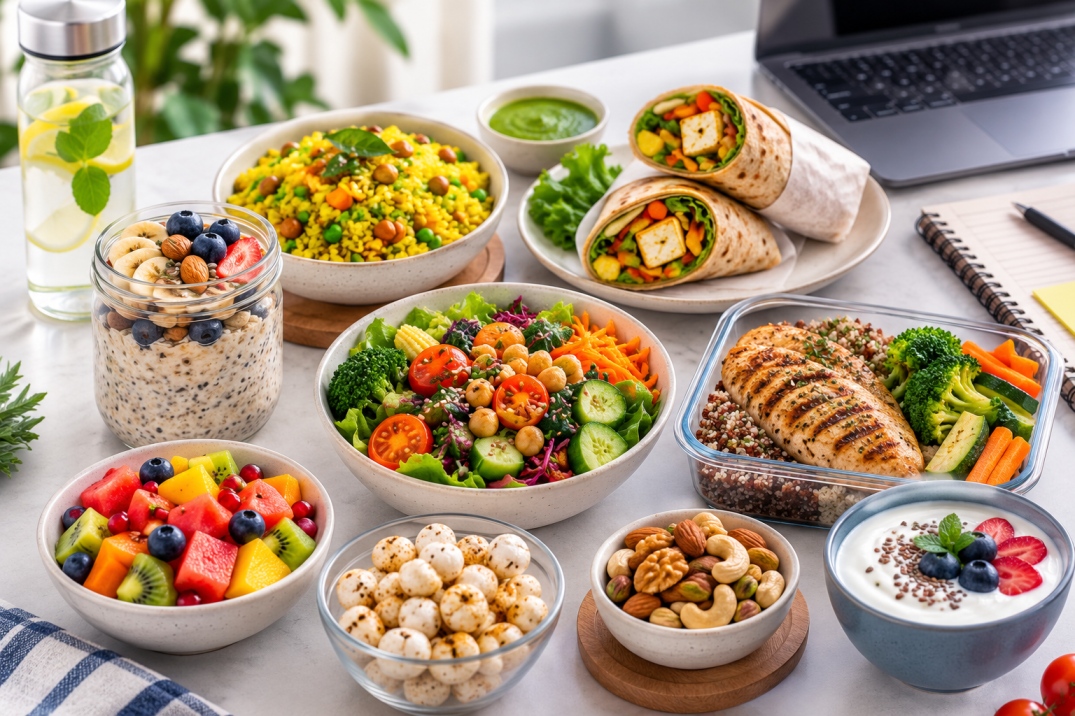
Meal Planning and Time-Saving Nutrition Tips for Busy Professionals
Healthy eating becomes much easier when you have a plan. For busy professionals, meal planning doesn't mean spending hours in the kitchen—it means making smart decisions ahead of time so healthy choices become the easiest choices.
Even a few hours of preparation each week can save time, reduce stress, and prevent reliance on unhealthy convenience foods.
Here are practical strategies to help you eat well, even on your busiest days.
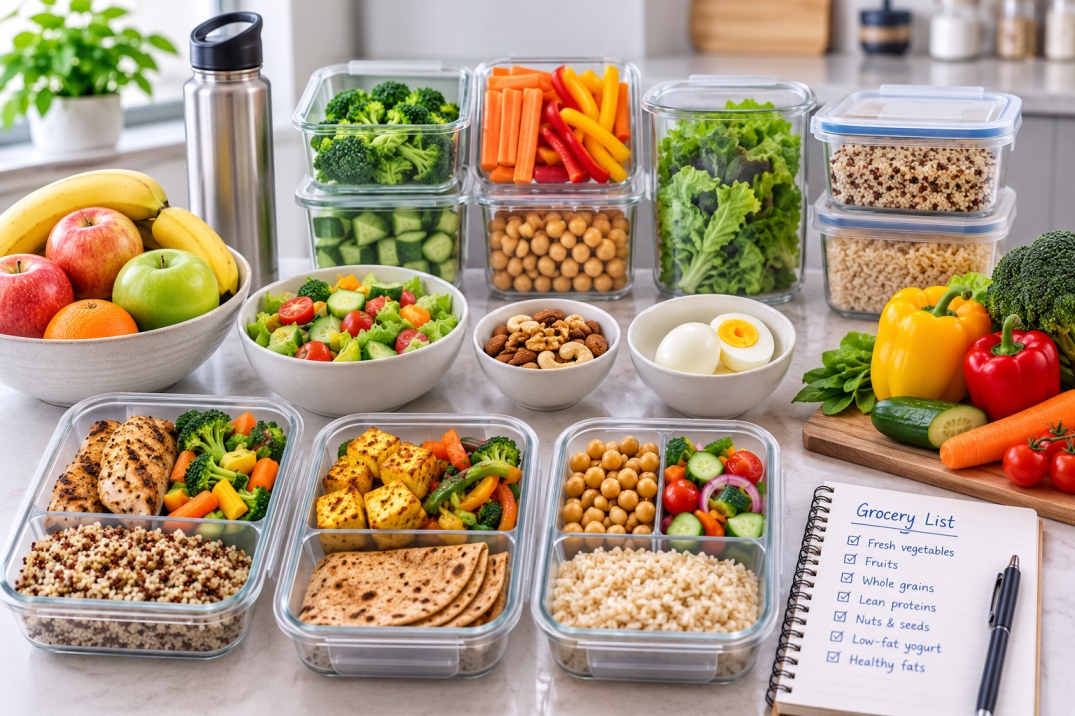
1. Master Weekend Meal Prep
Weekend meal preparation is one of the most effective ways to maintain healthy eating throughout the week.
Preparing ingredients in advance reduces cooking time on busy weekdays and minimizes the temptation to order unhealthy takeout.
Foods You Can Prepare Ahead
· Cooked brown rice or quinoa
· Whole wheat chapatis
· Boiled eggs
· Grilled chicken
· Paneer cubes
· Cooked lentils and beans
· Chopped vegetables
· Homemade salad dressings
· Overnight oats
· Fresh fruit portions
Store prepared foods in airtight containers to make assembling meals quick and convenient.
2. Plan Your Weekly Meals
Many unhealthy food choices happen simply because there's no plan.
Creating a weekly meal schedule helps you:
· Save time
· Reduce food waste
· Control portions
· Stick to your nutrition goals
· Avoid last-minute fast food
A simple meal plan can include:
· Breakfast options
· Packed lunches
· Healthy snacks
· Quick dinners
· Grocery shopping list
Even planning three to four days in advance can make a significant difference.
3. Shop Smart for Healthy Foods
A healthy diet starts at the grocery store.
If your kitchen is stocked with nutritious ingredients, you're more likely to prepare balanced meals.
Keep These Foods at Home
Whole Grains
· Oats
· Brown rice
· Whole wheat flour
· Millets
· Quinoa
Protein Sources
· Eggs
· Paneer
· Tofu
· Greek yogurt
· Lentils
· Chickpeas
· Rajma
· Chicken
· Fish
Fruits
· Apples
· Bananas
· Oranges
· Berries
· Seasonal fruits
Vegetables
· Spinach
· Carrots
· Tomatoes
· Cucumbers
· Broccoli
· Bell peppers
· Beans
Healthy Snacks
· Mixed nuts
· Roasted chana
· Makhana
· Seeds
· Peanut butter
Shopping with a list helps reduce impulse purchases and ensures you always have healthy options available.
4. Keep Healthy Foods at Your Workplace
Your office environment has a major influence on your eating habits.
Keeping nutritious snacks within reach reduces the temptation to choose vending machine foods or sugary treats.
Healthy Foods to Keep at Work
· Unsalted nuts
· Roasted makhana
· Roasted chana
· Protein bars (low in added sugar)
· Fresh fruit
· Peanut butter sachets
· Whole-grain crackers
· Herbal tea
· Green tea
· Instant plain oats
· Seeds mix
These options are portable, easy to store, and ideal for busy workdays.
5. Manage Office Cravings the Healthy Way
Office environments often expose professionals to frequent temptations such as birthday cakes, sweets, fried snacks, and sugary beverages.
Completely avoiding these foods isn't always realistic, but learning to manage cravings can help maintain a balanced diet.
Tips to Control Cravings
· Never arrive at work hungry.
· Eat balanced meals with enough protein.
· Stay hydrated.
· Choose fruit when craving sweets.
· Practice mindful eating.
· Avoid eating directly from large packets.
· Keep healthy snacks nearby.
Remember that occasional treats can fit into a healthy eating pattern when enjoyed in moderation.
6. Nutrition Tips for Night Shift Workers
Night shifts can disrupt normal eating patterns, sleep cycles, and metabolism.
To maintain energy and support overall health:
Before Your Shift
Eat a balanced meal containing:
· Lean protein
· Whole grains
· Vegetables
· Healthy fats
During the Shift
Choose lighter meals and healthy snacks such as:
· Fruit
· Yogurt
· Roasted chana
· Nuts
· Vegetable sandwiches
· Boiled eggs
After the Shift
Have a light, balanced meal before sleeping and avoid large, heavy meals that may interfere with sleep quality.
Maintaining regular meal timing—even during night shifts—can help stabilize energy levels and reduce digestive discomfort.
7. Nutrition Tips for Work-from-Home Professionals
Working from home offers flexibility, but it can also lead to frequent snacking, irregular meals, and reduced physical activity.
Healthy Habits for Remote Workers
· Follow fixed meal timings.
· Avoid eating while working.
· Prepare balanced lunches instead of relying on packaged foods.
· Keep healthy snacks visible.
· Limit sugary beverages.
· Take movement breaks every hour.
· Stay hydrated throughout the day.
Creating boundaries between work and meal times can help prevent mindless eating.
8. Read Food Labels Before Buying Packaged Foods
Busy professionals often rely on packaged foods for convenience. Learning to read nutrition labels can help you make healthier choices.
When comparing products, check:
· Protein content
· Fiber content
· Added sugars
· Sodium
· Saturated fat
· Serving size
· Ingredient list
Choose foods with:
· Higher protein
· Higher fiber
· Lower added sugar
· Lower sodium
· Shorter ingredient lists
Making informed choices can improve your overall diet without adding extra preparation time.
9. Use Technology to Support Healthy Eating
Technology can simplify healthy eating and help you stay accountable.
Useful tools include:
· Meal planning apps
· Grocery delivery services
· Nutrition tracking apps
· Water reminder apps
· Smartwatches for activity tracking
· Calendar reminders for meals
These tools can help you maintain consistency even during hectic work schedules.
10. What Happens During a Dietitian Consultation for Busy Professionals?
A personalized nutrition consultation focuses on creating a practical meal plan that fits your work schedule rather than expecting you to completely change your lifestyle.
A registered dietitian may evaluate:
· Work schedule
· Meal timings
· Travel frequency
· Medical history
· Food preferences
· Exercise habits
· Sleep quality
· Stress levels
· Current eating patterns
· Health goals
Based on this assessment, you'll receive a personalized nutrition plan that is realistic, sustainable, and tailored to your daily routine.
Benefits of Personalized Nutrition for Professionals
Generic meal plans often fail because they don't consider individual lifestyles and work demands.
A personalized nutrition plan offers several advantages.
Saves Time
Simple meal strategies and quick recipes reduce the time spent deciding what to eat each day.
Supports Healthy Weight Management
A tailored nutrition plan helps create a sustainable calorie balance while ensuring adequate nutrition.
Improves Energy and Productivity
Balanced meals help maintain steady energy levels, reducing afternoon fatigue and improving concentration throughout the workday.
Reduces Reliance on Fast Food
Planning meals in advance makes it easier to avoid unhealthy convenience foods during busy periods.
Fits Your Lifestyle
Whether you work in an office, travel frequently, work night shifts, or work from home, a personalized plan can adapt to your schedule instead of expecting your schedule to adapt to the plan.
Helps Prevent Lifestyle Diseases
Healthy eating habits can lower the risk of obesity, type 2 diabetes, hypertension, heart disease, and other chronic conditions associated with sedentary work and poor dietary habits.
One-Day Meal Prep Timeline
A little preparation can make healthy eating effortless throughout the week.
Time
Task
Saturday/Sunday (1–2 hours)
Prepare grains, cook proteins, chop vegetables, portion snacks, and plan meals for the week.
Night Before Work
Pack lunch, refill your water bottle, prepare overnight oats or breakfast ingredients, and keep healthy snacks ready.
Morning
Grab your prepared meals and snacks before leaving for work.
During Work
Eat meals at regular intervals, stay hydrated, and choose healthy snacks when needed.
Evening
Prepare ingredients for the next day and review your meal plan if necessary.
Following a simple routine reduces decision fatigue and makes healthy eating more consistent.
Common Mistakes, FAQs, Conclusion & Resources
Developing healthy eating habits while managing a demanding career isn't about perfection—it's about consistency. Small, sustainable changes in your daily routine can have a significant impact on your energy, productivity, and long-term health.
Avoiding common nutrition mistakes, planning ahead, and making informed food choices can help busy professionals maintain a balanced diet without adding stress to an already hectic schedule.
Common Mistakes Busy Professionals Should Avoid
1. Skipping Meals to Save Time
Many professionals believe skipping meals helps them stay productive or lose weight.
In reality, skipping meals often leads to:
· Low energy
· Reduced concentration
· Overeating later
· Increased cravings
· Poor food choices
Eating balanced meals at regular intervals supports stable energy throughout the day.
2. Depending on Coffee for Energy
Coffee can temporarily improve alertness, but it shouldn't replace nutritious meals or adequate sleep.
Excess caffeine may cause:
· Poor sleep quality
· Anxiety
· Dehydration
· Digestive discomfort
· Energy crashes later in the day
Enjoy coffee in moderation and pair it with balanced meals and proper hydration.
3. Ordering Fast Food Every Day
Food delivery apps make meals convenient, but frequent consumption of restaurant food often increases intake of:
· Calories
· Sodium
· Saturated fat
· Added sugar
Cooking even two or three meals at home each week can improve overall diet quality and reduce unnecessary calorie intake.
4. Ignoring Portion Sizes
Even healthy foods can contribute to excess calorie intake when eaten in very large portions.
Practice portion awareness by:
· Using smaller plates
· Eating slowly
· Checking serving sizes
· Stopping when comfortably full
Mindful eating helps prevent overeating without eliminating favorite foods.
5. Eating While Working
Working through lunch or eating during meetings often leads to distracted eating.
This habit may result in:
· Poor digestion
· Reduced meal satisfaction
· Larger portions
· Missing hunger and fullness cues
Taking a short break to eat mindfully can improve both digestion and productivity.
6. Neglecting Sleep and Stress
Nutrition is only one part of a healthy lifestyle.
Poor sleep and chronic stress can increase cravings, affect appetite-regulating hormones, and make healthy eating more challenging.
Aim to:
· Sleep 7–9 hours per night.
· Practice stress management techniques.
· Stay physically active.
· Maintain consistent meal timings.
Practical Tips for Staying Consistent
Healthy eating doesn't require perfection. Building simple routines makes it easier to maintain good nutrition even during busy weeks.
Daily Habits That Make a Difference
· Plan meals before the workweek begins.
· Carry healthy snacks when traveling.
· Drink water regularly.
· Include vegetables in lunch and dinner.
· Eat protein with every meal.
· Keep healthy foods visible at home and work.
· Limit sugary drinks.
· Avoid grocery shopping when hungry.
· Prepare extra portions for the next day's lunch.
· Focus on consistency rather than perfection.
Small habits repeated daily often lead to the greatest long-term improvements.
Frequently Asked Questions (FAQs)
1. What is the best diet for busy professionals?
The best diet is one that is balanced, practical, and sustainable. It should include lean protein, whole grains, vegetables, fruits, healthy fats, and adequate hydration while fitting your daily schedule.
2. How can I eat healthy when I don't have time to cook?
Meal prepping on weekends, choosing simple recipes, using frozen vegetables, and preparing overnight breakfasts can make healthy eating much more convenient.
3. Should I skip breakfast if I'm busy?
No. Skipping breakfast may reduce concentration and increase hunger later in the day. A quick breakfast containing protein and fiber can support better energy and productivity.
4. What are the healthiest office snacks?
Good options include roasted chana, makhana, mixed nuts, fresh fruit, Greek yogurt, boiled eggs, vegetable sticks with hummus, sprouts, and homemade trail mix.
5. Is eating at restaurants every day unhealthy?
Not necessarily, but restaurant meals are often higher in calories, sodium, and unhealthy fats. Choosing grilled dishes, vegetables, whole grains, and appropriate portions can make dining out healthier.
6. How much water should busy professionals drink?
Hydration needs vary based on age, activity level, climate, and health status. Drinking water regularly throughout the day and monitoring urine color are practical ways to stay hydrated.
7. Can meal prep help with weight loss?
Yes. Meal preparation improves portion control, reduces reliance on fast food, and makes it easier to follow a balanced eating plan consistently.
8. What should I eat during business travel?
Carry healthy snacks, stay hydrated, choose grilled or steamed meals, include fruits and vegetables whenever possible, and avoid skipping meals.
9. Is coffee bad for health?
Moderate coffee consumption can be part of a healthy diet. However, excessive intake or replacing meals with coffee may negatively affect sleep, hydration, and overall nutrition.
10. Should busy professionals consult a dietitian?
Yes. A registered dietitian can create a personalized nutrition plan that fits your work schedule, health goals, food preferences, and lifestyle, making healthy eating more realistic and sustainable.
Conclusion
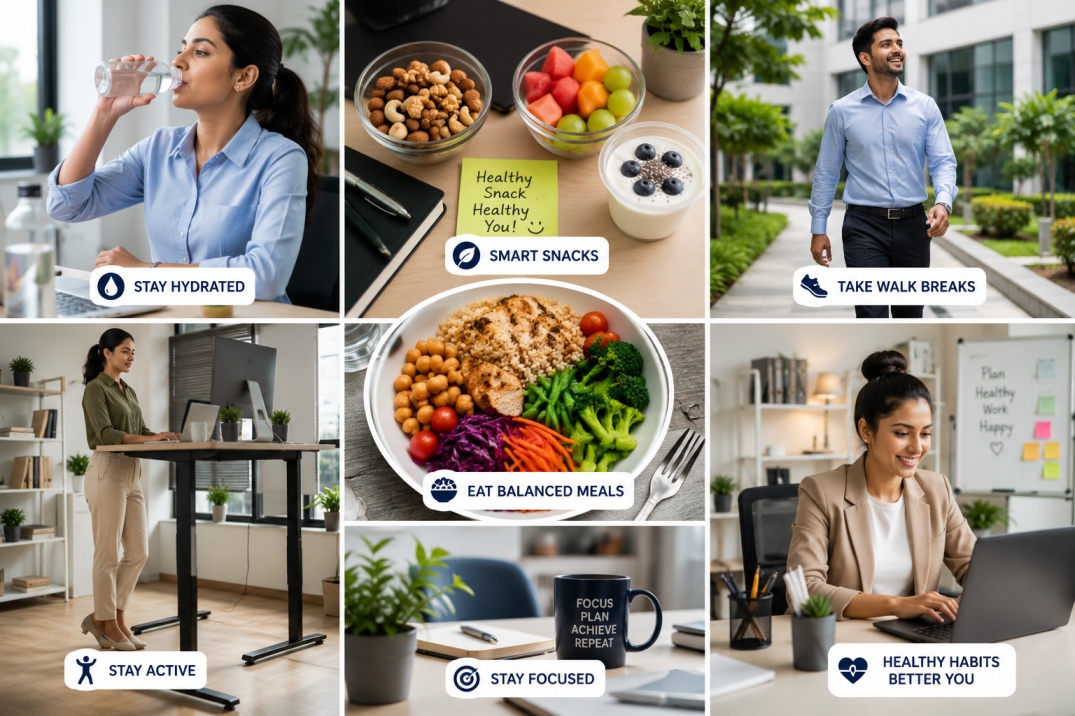
Maintaining good nutrition while balancing a demanding career may seem challenging, but it is entirely achievable with the right strategies. Healthy eating doesn't require complicated recipes or hours of meal preparation—it begins with thoughtful planning, balanced food choices, and consistent daily habits.
Simple practices such as eating a nutritious breakfast, preparing meals in advance, carrying healthy snacks, staying hydrated, and making smarter restaurant choices can significantly improve energy levels, focus, and overall productivity. Over time, these habits also reduce the risk of obesity, diabetes, heart disease, and other lifestyle-related conditions.
Remember that nutrition is an investment in both your health and your career. When your body receives the nutrients it needs, you're better equipped to think clearly, manage stress, stay productive, and perform at your best.
Rather than striving for perfection, focus on making small, sustainable improvements that fit your routine. Consistency—not perfection—is the key to long-term success.
Ready to Begin Your Health Journey?
Get a personalized, medically guided plan built around your unique biology.