PCOS Weight Loss: Diet, Exercise & Lifestyle Guide
PCOS Weight Loss: A Complete Guide to Losing Weight Naturally
Losing weight can be challenging for anyone, but for women with Polycystic Ovary Syndrome (PCOS), it often feels much harder despite eating healthy and exercising regularly. Many women with PCOS struggle with stubborn weight gain, especially around the abdomen, and find that traditional weight-loss advice doesn't always work.
The reason is that PCOS is more than a reproductive condition—it is a complex hormonal and metabolic disorder that affects how the body processes insulin, stores fat, regulates appetite, and burns calories. These changes can make losing weight slower and more frustrating.
The encouraging news is that weight loss with PCOS is absolutely possible. The key is understanding how PCOS affects your body and adopting a sustainable approach that addresses hormonal balance, insulin resistance, nutrition, physical activity, sleep, and stress management.
Research shows that losing even 5–10% of body weight can significantly improve PCOS symptoms, restore ovulation, regulate menstrual cycles, improve fertility, reduce insulin resistance, and lower the risk of developing Type 2 diabetes and heart disease.
In this comprehensive guide, you'll learn what PCOS is, why it affects weight loss, common symptoms, health risks, and the first steps toward achieving healthy and sustainable weight loss. https://www.who.int
What Is PCOS?
Polycystic Ovary Syndrome (PCOS) is one of the most common hormonal disorders affecting women of reproductive age. It affects an estimated 8–13% of women worldwide, although many cases remain undiagnosed. https://www.womenshealth.gov
PCOS occurs when the ovaries produce higher-than-normal levels of androgens (male hormones). These hormonal imbalances interfere with normal ovulation and can affect metabolism, insulin sensitivity, and body weight.
Despite its name, not every woman with PCOS has ovarian cysts. A diagnosis is usually based on a combination of symptoms, hormone levels, and ultrasound findings.
Common Features of PCOS
Women with PCOS may experience:
Irregular or absent menstrual periods
Difficulty becoming pregnant
Weight gain or difficulty losing weight
Increased facial or body hair
Acne or oily skin
Hair thinning on the scalp
Darkened skin patches
Mood changes
Insulin resistance
PCOS is considered a lifelong condition, but with proper lifestyle management and medical guidance, its symptoms can often be controlled effectively.
How Does PCOS Affect Weight Loss?
Many women with PCOS wonder why they seem to gain weight more easily than others. The answer lies in the hormonal and metabolic changes caused by the condition.
Unlike simple weight gain caused by overeating, PCOS affects several systems in the body simultaneously, making fat loss more challenging.
1. Insulin Resistance
One of the most important factors contributing to weight gain in PCOS is insulin resistance.
Insulin is a hormone produced by the pancreas that helps move glucose (sugar) from the bloodstream into cells, where it is used for energy.
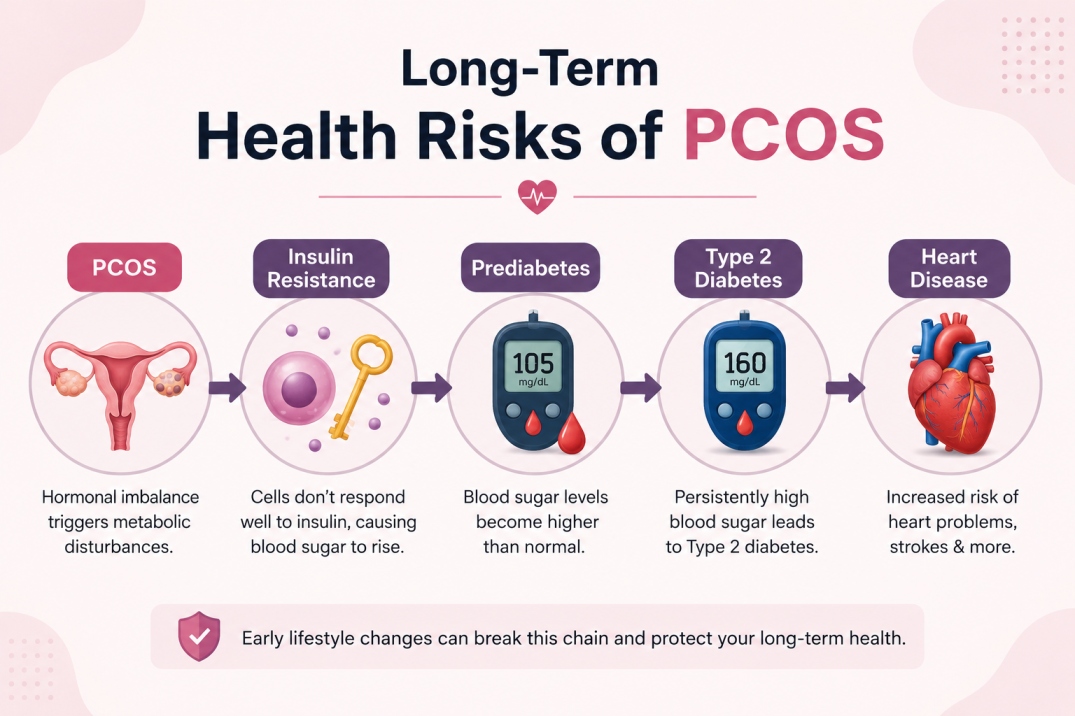
When cells become resistant to insulin, the body produces more insulin to compensate. High insulin levels encourage the body to store more fat, particularly around the abdomen, while making it more difficult to burn stored fat for energy.
This also increases cravings for sugary and refined carbohydrate-rich foods, creating a cycle that can lead to further weight gain.
Approximately 50–70% of women with PCOS have some degree of insulin resistance, even if they are not overweight.
2. Hormonal Imbalances
Women with PCOS often have elevated androgen levels.
Higher androgen levels may contribute to:
Increased abdominal fat
Reduced muscle mass
Difficulty losing weight
Increased appetite
Acne
Excess facial hair
Hair thinning
These hormonal changes alter the body's ability to regulate fat storage and energy balance.
3. Chronic Inflammation
Studies suggest that many women with PCOS experience low-grade chronic inflammation.
Inflammation can:
Worsen insulin resistance
Increase fatigue
Affect hormone regulation
Promote fat storage
Increase the risk of cardiovascular disease
Eating an anti-inflammatory diet rich in vegetables, fruits, healthy fats, and whole grains may help reduce inflammation over time.
4. Slower Metabolic Function
Some women with PCOS may have a slightly lower resting metabolic rate, meaning their bodies burn fewer calories at rest compared to women without PCOS.
This does not mean weight loss is impossible, but it may require a more personalized approach that includes strength training, adequate protein intake, and long-term consistency.
5. Increased Hunger and Food Cravings
Hormonal changes and insulin resistance can make women with PCOS feel hungry more frequently.
Common cravings include:
Sugary foods
Chocolate
Bread
Pasta
Sweet beverages
Processed snacks
These cravings are often driven by fluctuations in blood sugar and insulin levels rather than a lack of willpower.
Choosing meals rich in protein and fiber can help stabilize blood sugar and reduce cravings.
6. Stress and Cortisol
Living with PCOS can be emotionally challenging. Concerns about weight, fertility, skin changes, and irregular periods may increase stress levels.
Chronic stress raises cortisol, a hormone that can encourage fat storage—especially around the waist—and increase appetite for calorie-dense foods.
Managing stress through mindfulness, yoga, meditation, and regular exercise can support both mental well-being and weight management.
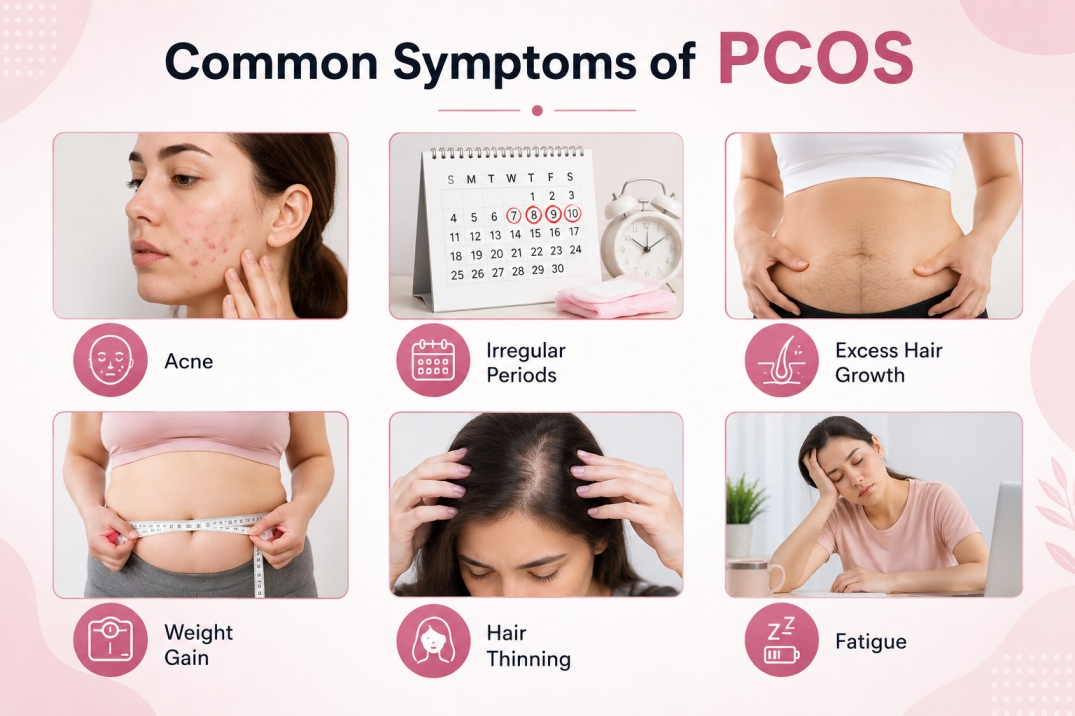
Common Symptoms of PCOS
PCOS symptoms vary from person to person. Some women experience only mild symptoms, while others may have multiple hormonal and metabolic complications.
Reproductive Symptoms
Irregular menstrual periods
Missed periods
Heavy menstrual bleeding
Difficulty ovulating
Infertility
Reduced fertility
Physical Symptoms
Weight gain
Difficulty losing weight
Increased belly fat
Acne
Oily skin
Darkened skin around the neck or underarms
Skin tags
Hair thinning
Excess facial or body hair
Metabolic Symptoms
Insulin resistance
Increased hunger
Sugar cravings
Fatigue after meals
Prediabetes
Elevated blood sugar
High cholesterol
High triglycerides
Emotional Symptoms
Many women with PCOS also experience:
Anxiety
Depression
Mood swings
Low self-esteem
Poor body image
Reduced confidence
Seeking support from healthcare professionals, family, or support groups can play an important role in managing both the physical and emotional aspects of PCOS.
What Causes PCOS?
The exact cause of PCOS remains unknown, but researchers believe that several factors contribute to its development.
Genetics
PCOS often runs in families. If your mother or sister has PCOS, your risk may be higher.
Insulin Resistance
High insulin levels stimulate the ovaries to produce more androgens, worsening hormonal imbalance and promoting weight gain.
Hormonal Imbalances
Elevated androgen levels interfere with ovulation and normal menstrual cycles.
Chronic Inflammation
Inflammation may contribute to increased androgen production and worsen insulin resistance.
Lifestyle Factors
Although lifestyle does not directly cause PCOS, factors such as physical inactivity, poor diet, inadequate sleep, and chronic stress can worsen symptoms.
Why Losing Even a Small Amount of Weight Matters
Many women believe they need to lose large amounts of weight to improve PCOS symptoms. Fortunately, research suggests otherwise.
Losing just 5–10% of your body weight can lead to meaningful health benefits, including:
Improved insulin sensitivity
More regular menstrual cycles
Better ovulation
Increased fertility
Reduced androgen levels
Lower blood sugar
Reduced inflammation
Lower cholesterol
Reduced risk of Type 2 diabetes
Improved energy and confidence
Even modest, gradual weight loss can have a significant positive impact on hormonal health and overall well-being.
Best Diet for PCOS Weight Loss
Nutrition plays one of the biggest roles in managing PCOS and achieving healthy weight loss. Unlike restrictive fad diets, women with PCOS benefit most from a balanced eating pattern that improves insulin sensitivity, reduces inflammation, balances hormones, and supports gradual fat loss.
There is no single "PCOS diet," but research consistently shows that eating whole, minimally processed foods rich in protein, fiber, and healthy fats can help improve symptoms and support sustainable weight management.
The goal is to create a moderate calorie deficit while nourishing your body with foods that stabilize blood sugar and reduce cravings. https://wellorafit.com/services/nutrition-diet-planning/
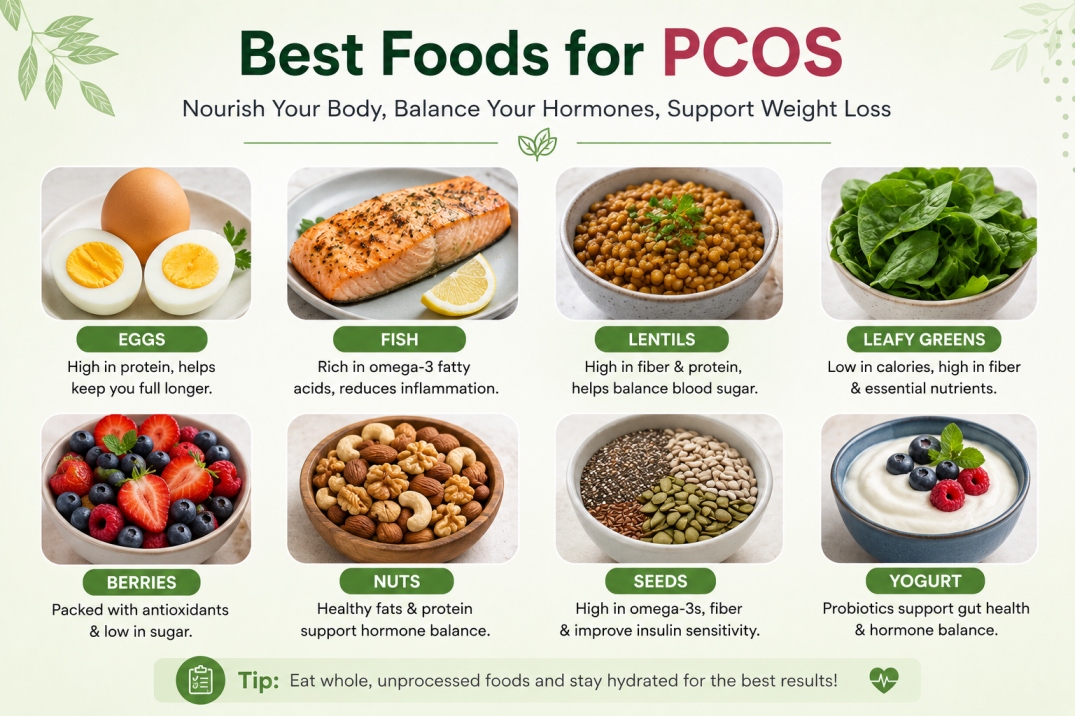
Foods to Include
1. Lean Protein Sources
Protein helps preserve muscle mass during weight loss, keeps you feeling full, and reduces frequent hunger.
Excellent protein sources include:
Eggs
Chicken breast
Fish (salmon, tuna, sardines)
Turkey
Paneer
Greek yogurt
Tofu
Tempeh
Lentils
Chickpeas
Kidney beans
Low-fat milk
Aim to include a source of protein in every meal and snack.
2. High-Fiber Foods
Fiber slows digestion and helps stabilize blood sugar, making it especially beneficial for women with PCOS.
Choose:
Oats
Brown rice
Millets
Quinoa
Whole wheat
Broccoli
Spinach
Cauliflower
Carrots
Cucumber
Apples
Berries
Pears
Beans
Chia seeds
Flaxseeds
Women should aim for approximately 25–35 grams of fiber daily.
3. Healthy Fats
Healthy fats support hormone production, reduce inflammation, and improve satiety.
Include:
Almonds
Walnuts
Pistachios
Pumpkin seeds
Sunflower seeds
Olive oil
Avocados
Fatty fish
Peanut butter (unsweetened)
Consume healthy fats in moderation because they are calorie-dense.
4. Low Glycemic Index (GI) Foods
Low-GI foods release glucose more slowly into the bloodstream, helping reduce insulin spikes.
Examples include:
Oats
Quinoa
Brown rice
Whole wheat chapati
Sweet potatoes
Lentils
Chickpeas
Apples
Oranges
Berries
Most vegetables
5. Anti-Inflammatory Foods
Since chronic inflammation is common in PCOS, include foods rich in antioxidants and omega-3 fatty acids.
Examples:
Turmeric
Ginger
Garlic
Tomatoes
Green leafy vegetables
Berries
Green tea
Fatty fish
Olive oil
Foods to Limit
While no food needs to be completely eliminated, limiting highly processed foods can help improve insulin sensitivity and weight management.
Reduce:
Sugary drinks
Soft drinks
Fruit juices with added sugar
Cakes
Cookies
Pastries
Candy
White bread
White rice (large portions)
Sugary breakfast cereals
Fast food
Deep-fried foods
Chips
Instant noodles
Processed meats
Excess alcohol
Occasional treats are acceptable. Sustainable eating is about consistency, not perfection.
Portion Control for PCOS
Even healthy foods can contribute to weight gain when portions are excessive.
Tips:
Fill half your plate with vegetables.
Reserve one-quarter for lean protein.
Fill one-quarter with whole grains.
Eat slowly and mindfully.
Stop eating when comfortably satisfied.
Avoid eating directly from packets.
Plan meals instead of skipping them.
Portion control helps maintain a calorie deficit without feeling deprived.
Why Protein Is Essential for PCOS
Protein plays an important role in hormone regulation and weight management.
Benefits include:
Keeps you full longer
Reduces cravings
Supports muscle growth
Preserves lean body mass
Stabilizes blood sugar
Helps recovery after exercise
Aim for approximately 20–30 grams of protein per meal, depending on your individual needs and activity level.
The Importance of Fiber
Fiber improves digestion and helps regulate blood sugar.
Benefits include:
Better gut health
Reduced hunger
Improved insulin sensitivity
Lower cholesterol
Better bowel regularity
Reduced calorie intake
Increasing vegetables, legumes, fruits, and whole grains is one of the easiest ways to boost fiber intake.
Hydration and PCOS
Proper hydration supports metabolism, digestion, and overall health.
Tips:
Drink 2–3 liters of water daily.
Carry a reusable water bottle.
Replace sugary beverages with water or unsweetened herbal tea.
Drink water before meals.
Eat water-rich fruits and vegetables.
Even mild dehydration can affect energy levels and exercise performance.
Meal Timing: Does It Matter?
Many women with PCOS wonder whether eating at certain times improves weight loss.
Current evidence suggests that food quality, total calorie intake, and consistency are more important than meal timing alone.
Helpful habits include:
Avoid skipping meals.
Eat protein at breakfast.
Space meals evenly throughout the day.
Limit late-night overeating.
Choose balanced meals containing protein, fiber, and healthy fats.
Best Exercise for PCOS Weight Loss
Exercise improves insulin sensitivity, burns calories, reduces stress, and supports hormone balance.
A combination of strength training, cardio, and daily movement produces the best long-term results. https://wellorafit.com/services/fitness-training/
Strength Training
Strength training is one of the most effective exercises for women with PCOS.
Benefits:
Builds lean muscle
Improves metabolism
Reduces body fat
Improves insulin sensitivity
Increases bone strength
Examples:
Squats
Lunges
Deadlifts
Dumbbell rows
Push-ups
Shoulder press
Resistance band exercises
Aim for 2–4 sessions per week.
Walking
Walking is simple, sustainable, and highly effective.
Benefits:
Burns calories
Improves heart health
Reduces stress
Improves insulin sensitivity
Aim for 8,000–10,000 steps daily.
Cardiovascular Exercise
Moderate-intensity cardio supports heart health and calorie expenditure.
Examples:
Brisk walking
Cycling
Swimming
Dancing
Jogging
Elliptical training
Aim for 150–300 minutes per week.
HIIT (High-Intensity Interval Training)
HIIT alternates short bursts of intense activity with recovery periods.
It may help:
Improve insulin sensitivity
Burn calories efficiently
Increase cardiovascular fitness
Beginners should start gradually with guidance if needed.
Yoga and Pilates
These activities help reduce stress, improve flexibility, and support mental well-being.
They may also lower cortisol levels, which can indirectly support weight management.
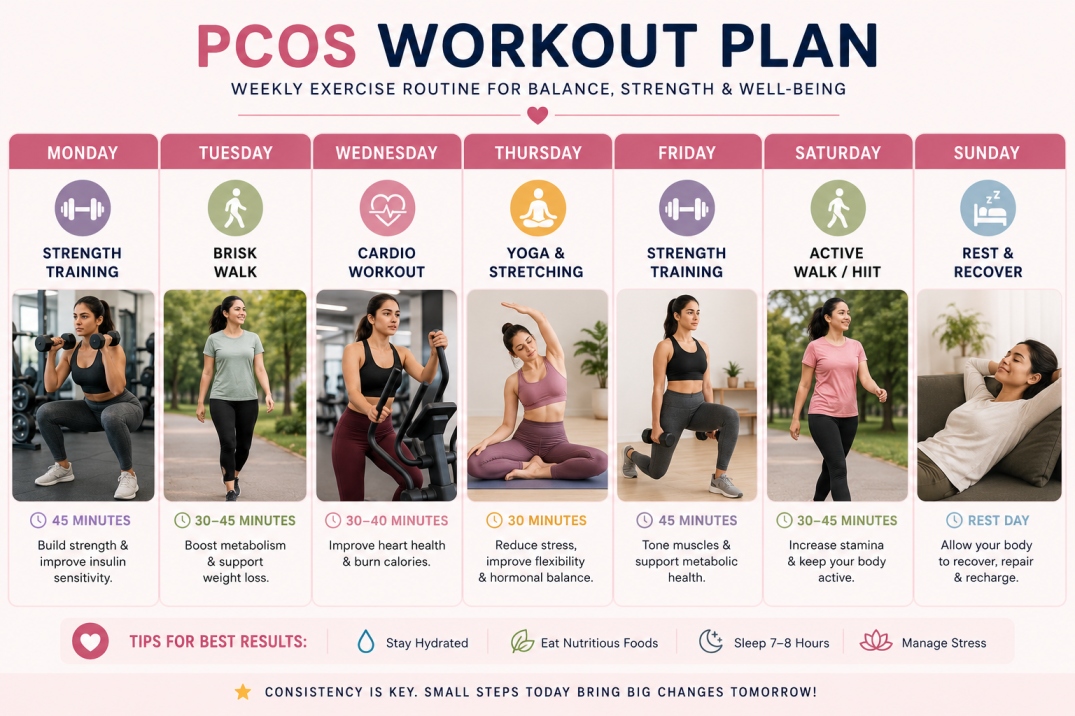
Sample Weekly Workout Plan
Monday
Strength Training (Full Body)
Tuesday
30–45 Minute Walk
Wednesday
Strength Training
Thursday
Yoga or Stretching
Friday
Strength Training
Saturday
Cycling, Swimming, or Brisk Walk
Sunday
Active Recovery or Rest
This combination supports fat loss while allowing adequate recovery.
Lifestyle Changes That Help PCOS Weight Loss
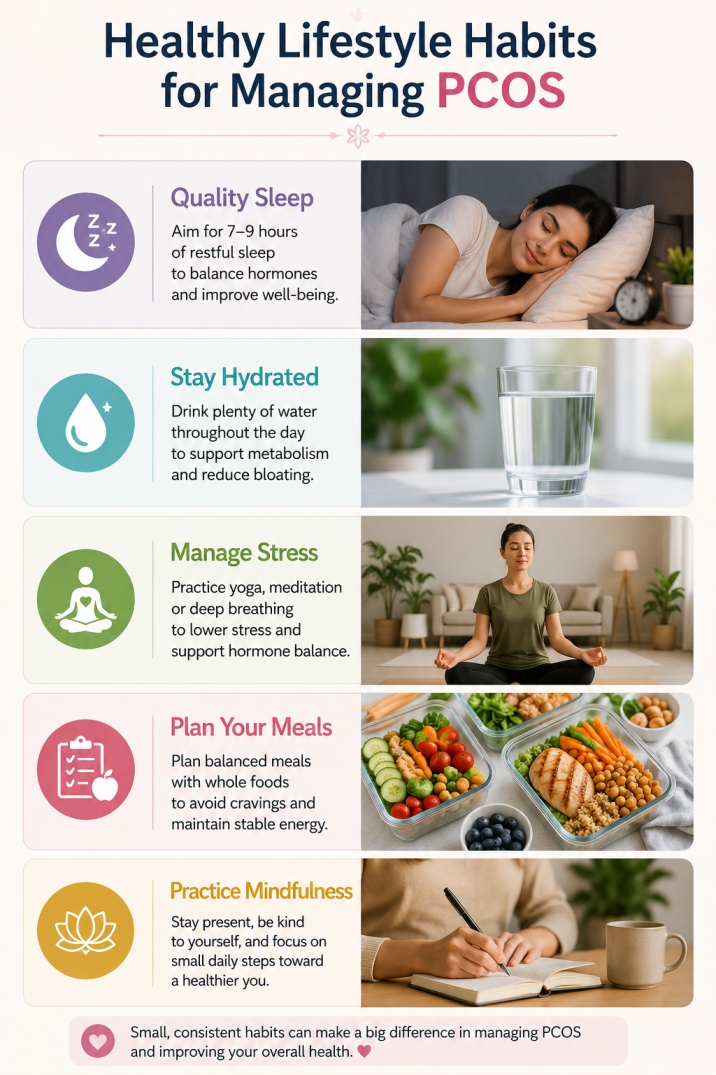
Weight loss with PCOS isn't only about food and exercise. Daily habits also influence hormone balance and metabolism.
Sleep
Aim for 7–9 hours of quality sleep each night.
Poor sleep can:
Increase hunger hormones
Worsen insulin resistance
Increase cravings
Reduce exercise performance
Manage Stress
Chronic stress increases cortisol, which may contribute to abdominal fat storage and emotional eating.
Helpful strategies include:
Meditation
Yoga
Journaling
Deep breathing
Spending time outdoors
Talking with supportive friends or family
Stay Consistent
Healthy habits practiced consistently over months are far more effective than extreme diets followed by periods of overeating.
Progress may be slower with PCOS, but consistency produces lasting results.
Practical Weight Loss Tips for Women with PCOS
Prioritize protein at every meal.
Eat more vegetables and fiber-rich foods.
Choose whole grains over refined carbohydrates.
Stay physically active every day.
Lift weights 2–4 times weekly.
Drink enough water.
Sleep 7–9 hours nightly.
Manage stress regularly.
Avoid crash diets.
Track progress beyond the scale by measuring waist circumference, energy levels, and strength gains.
Remember that every woman's journey with PCOS is unique. Sustainable lifestyle changes—not quick fixes—are the foundation of lasting weight loss and improved hormonal health.
Can Losing Weight Improve PCOS?
One of the most encouraging aspects of PCOS management is that even modest weight loss can significantly improve symptoms. Research shows that losing 5–10% of your body weight can lead to meaningful improvements in hormone balance, insulin sensitivity, menstrual regularity, fertility, and overall metabolic health.
For example, if a woman weighs 80 kg, losing just 4–8 kg may provide noticeable health benefits.
Weight loss is not a cure for PCOS, but it can reduce many of its symptoms and lower the risk of long-term complications.
Benefits of Healthy Weight Loss in PCOS
1. Improves Insulin Sensitivity
Insulin resistance is one of the main drivers of PCOS.
Weight loss helps the body use insulin more effectively, reducing blood sugar levels and decreasing the amount of insulin the pancreas needs to produce.
Improved insulin sensitivity can also reduce food cravings and make further weight loss easier.
2. Restores Hormonal Balance
Healthy weight loss may help reduce excess androgen (male hormone) levels.
Lower androgen levels may improve:
Acne
Oily skin
Excess facial hair
Hair thinning
Menstrual irregularities
3. Improves Menstrual Cycles
Many women notice that their menstrual cycles become more regular after losing weight.
More regular ovulation also increases the chances of natural conception.
4. Supports Fertility
Weight loss combined with a healthy lifestyle may improve ovulation and fertility outcomes for women planning pregnancy.
Women should always discuss pregnancy planning with their healthcare provider, especially if medications are involved.
5. Reduces Long-Term Health Risks
Maintaining a healthy weight lowers the risk of:
Type 2 diabetes
Prediabetes
High blood pressure
High cholesterol
Fatty liver disease
Heart disease
Metabolic syndrome
6. Improves Energy and Confidence
Many women report:
Increased energy
Better sleep
Improved mood
Reduced fatigue
Higher self-confidence
Better quality of life
Healthy weight loss is about much more than appearance—it supports physical and emotional well-being.
Common Mistakes Women with PCOS Make
Managing PCOS can be frustrating, and many women try extreme methods in hopes of seeing faster results. Unfortunately, these approaches often backfire.
1. Following Crash Diets
Very low-calorie diets may lead to temporary weight loss but are difficult to maintain. They can increase hunger, reduce muscle mass, slow metabolism, and contribute to weight regain.
Instead, focus on balanced meals that provide adequate nutrients and support long-term habits.
2. Skipping Meals
Skipping breakfast or lunch may seem like a way to reduce calories, but it often leads to intense hunger later in the day and increases the likelihood of overeating.
Regular, balanced meals can help stabilize blood sugar and appetite.
3. Doing Only Cardio
Cardio is beneficial, but relying on it alone may not provide the best results for PCOS.
Strength training helps preserve lean muscle, supports metabolism, and improves insulin sensitivity. A combination of resistance training and cardio is generally more effective.
4. Eating Too Little Protein
Protein supports muscle maintenance, helps control hunger, and promotes satiety.
Including a protein source with every meal can make it easier to stay satisfied and maintain a healthy eating pattern.
5. Ignoring Sleep
Poor sleep can increase hunger hormones, reduce insulin sensitivity, and make healthy food choices more difficult.
Aim for 7–9 hours of quality sleep each night.
6. Chronic Stress
Long-term stress raises cortisol levels, which may contribute to increased abdominal fat and emotional eating.
Practices such as meditation, yoga, deep breathing, and spending time outdoors can help manage stress.
7. Expecting Quick Results
Weight loss with PCOS often happens more slowly than expected.
Comparing your progress to others can be discouraging. Focus on sustainable improvements in energy, strength, and overall health rather than rapid changes on the scale.
How to Maintain Weight Loss with PCOS
Reaching your goal weight is an achievement, but maintaining it requires ongoing healthy habits.
Continue Eating Balanced Meals
Choose meals rich in lean protein, vegetables, whole grains, healthy fats, and high-fiber foods.
Stay Physically Active
Aim for:
150–300 minutes of moderate physical activity each week
Strength training at least 2–3 times weekly
Monitor Progress
Track:
Waist circumference
Energy levels
Strength improvements
Clothing fit
Menstrual regularity
These indicators often reflect progress better than body weight alone.
Plan Ahead
Meal planning, grocery shopping with a list, and preparing healthy snacks can help prevent impulsive food choices.
Be Flexible
No one eats perfectly all the time. Enjoying occasional treats is part of a balanced lifestyle. One meal does not determine your success.
Key Takeaways
PCOS is a hormonal and metabolic disorder that can make weight loss more challenging.
Insulin resistance, hormonal imbalances, chronic inflammation, and lifestyle factors all contribute to weight gain.
Losing 5–10% of body weight can significantly improve PCOS symptoms.
A diet rich in lean protein, fiber, whole grains, vegetables, and healthy fats supports hormone balance.
Strength training, walking, and regular physical activity improve insulin sensitivity and aid fat loss.
Good sleep, stress management, and consistency are essential for long-term success.
Avoid crash diets and unrealistic expectations. Sustainable habits produce lasting results.
Conclusion
Living with PCOS can make weight management more difficult, but it does not make success impossible. Understanding how hormones, insulin resistance, and lifestyle factors influence your body allows you to make informed choices that support both weight loss and overall health.
Rather than chasing quick fixes, focus on gradual, realistic changes that you can maintain over time. Balanced nutrition, regular exercise, quality sleep, stress management, and consistency form the foundation of effective PCOS management.
Remember that progress is not measured only by the number on the scale. Improved energy, regular menstrual cycles, better blood sugar control, increased strength, and enhanced confidence are all meaningful signs that your body is becoming healthier.
With patience, persistence, and the right support, women with PCOS can achieve sustainable weight loss and enjoy a healthier, more active life.
FAQ Schema
1. Can women with PCOS lose weight?
Yes. Although PCOS can make weight loss more challenging, healthy eating, regular exercise, stress management, and good sleep can help women lose weight safely and sustainably.
2. Why is weight loss harder with PCOS?
Hormonal imbalances, insulin resistance, chronic inflammation, and changes in appetite regulation can make it more difficult to lose weight.
3. What is the best diet for PCOS weight loss?
A balanced diet rich in lean protein, high-fiber foods, healthy fats, vegetables, fruits, and whole grains is recommended.
4. Which foods should I avoid if I have PCOS?
Limit sugary drinks, processed snacks, refined carbohydrates, deep-fried foods, and foods high in added sugars.
5. Is strength training good for PCOS?
Yes. Strength training improves insulin sensitivity, preserves muscle, supports metabolism, and promotes healthy fat loss.
6. Can losing weight improve fertility in PCOS?
For many women, losing 5–10% of body weight can improve ovulation and increase the chances of pregnancy.
7. How much exercise should women with PCOS do?
Aim for at least 150 minutes of moderate-intensity exercise per week along with strength training two to four times weekly.
8. Can PCOS be cured naturally?
There is currently no cure for PCOS, but lifestyle changes and appropriate medical care can effectively manage symptoms.
9. How long does it take to lose weight with PCOS?
Weight loss varies from person to person. Consistent healthy habits over several months often lead to meaningful improvements.
10. Is walking enough for PCOS weight loss?
Walking is an excellent form of exercise. Combining walking with strength training and a balanced diet provides even greater benefits.
Ready to Begin Your Health Journey?
Get a personalized, medically guided plan built around your unique biology.