Protein for Weight Loss: Complete Guide
Protein for Weight Loss: Complete Guide to Building Muscle and Burning Fat
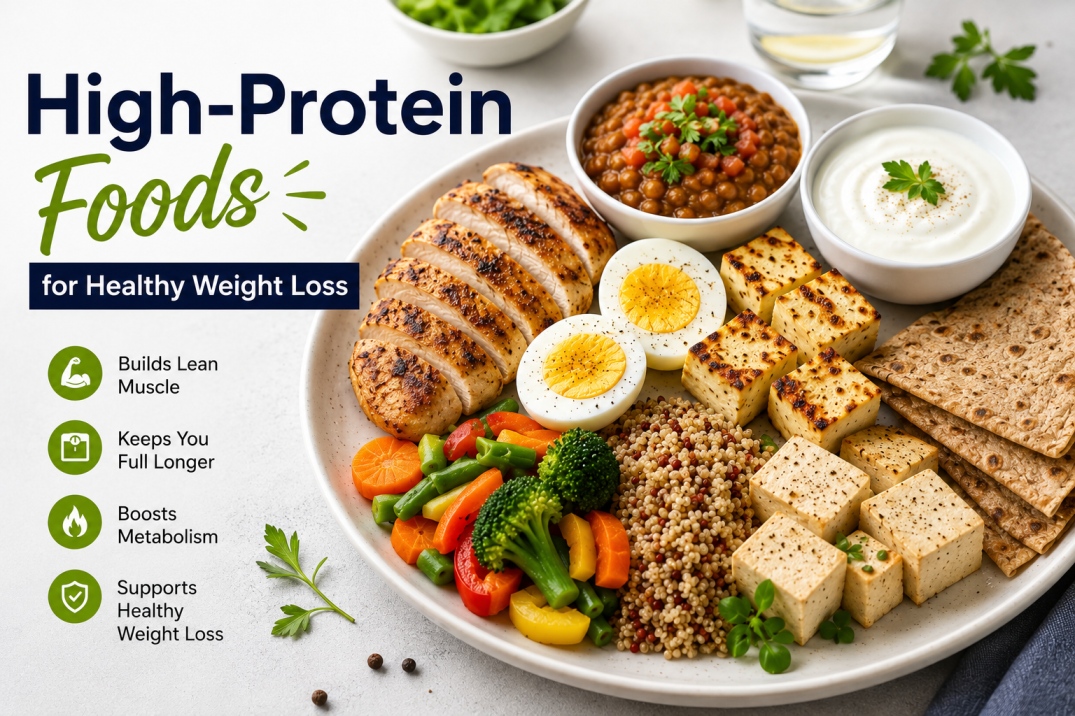
When people think about weight loss, they often focus on reducing carbohydrates or cutting calories. While maintaining a calorie deficit is essential, one nutrient deserves special attention because of its powerful role in supporting healthy and sustainable weight loss—protein.
Protein is much more than a nutrient for athletes and bodybuilders. It is an essential building block of the human body, required for maintaining muscles, repairing tissues, producing enzymes and hormones, supporting immunity, and keeping you feeling full after meals.
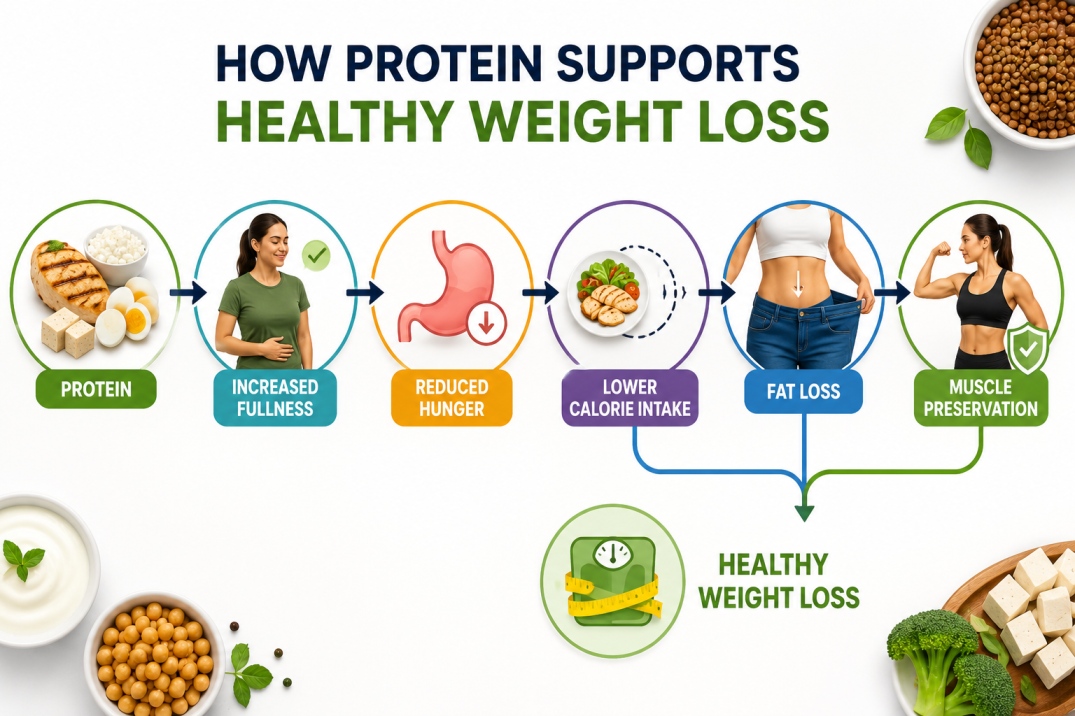
Research consistently shows that increasing protein intake can make weight loss easier by reducing hunger, boosting satiety, preserving lean muscle mass, and slightly increasing the number of calories your body burns during digestion. Unlike restrictive diets that often leave people feeling hungry and fatigued, a balanced, protein-rich eating pattern can help you stay satisfied while achieving a calorie deficit.
Protein also plays a vital role in maintaining muscle during weight loss. Without adequate protein, the body may lose muscle along with fat, which can slow metabolism and make it harder to maintain weight loss over time.
Whether you're vegetarian, vegan, or non-vegetarian, there are plenty of healthy protein-rich foods that can help you reach your goals. The key is understanding how much protein you need, choosing quality protein sources, and distributing protein intake throughout the day.
In this comprehensive guide, you'll learn how protein supports weight loss, the science behind its benefits, recommended daily intake, the best protein-rich foods, common myths, meal planning strategies, and practical tips for incorporating more protein into your diet.https://www.who.int
What Is Protein?
Protein is one of the three major macronutrients, alongside carbohydrates and fats.
It is made up of smaller units called amino acids, which serve as the building blocks for nearly every cell in the body.
Your body uses protein to:
Build and repair muscles
Produce enzymes
Make hormones
Support immune function
Maintain healthy skin, hair, and nails
Transport nutrients
Promote wound healing
Support healthy metabolism
Unlike carbohydrates and fats, the body does not store large amounts of protein for future use. This means it is important to consume adequate protein regularly through your diet.
Why Is Protein Important for Weight Loss?
Protein has unique properties that make it one of the most effective nutrients for healthy weight management.
Compared with carbohydrates and fats, protein has a greater impact on hunger, metabolism, and muscle preservation.
Here are the main reasons protein supports weight loss.https://www.nih.gov
1. Protein Helps You Feel Full Longer
One of protein's greatest advantages is its ability to increase satiety, or the feeling of fullness after eating.
Protein influences several appetite-regulating hormones, including:
Ghrelin (the hunger hormone)
GLP-1
Peptide YY (PYY)
Cholecystokinin (CCK)
These hormones work together to reduce hunger and increase feelings of satisfaction after meals.
As a result, people who consume adequate protein often:
Eat fewer calories throughout the day
Experience fewer cravings
Snack less frequently
Stay full between meals
This makes maintaining a calorie deficit easier without feeling deprived.
2. Protein Preserves Lean Muscle During Weight Loss
When losing weight, the goal is to lose body fat—not muscle.
Without sufficient protein, especially during calorie restriction, the body may break down muscle tissue for energy.
Maintaining muscle mass is important because muscle:
Supports metabolism
Improves strength
Enhances physical function
Helps maintain healthy body composition
Combining adequate protein intake with resistance training is one of the best ways to preserve muscle while losing fat.
3. Protein Boosts Metabolism
Your body burns calories digesting every meal, a process known as the Thermic Effect of Food (TEF).
Different macronutrients require different amounts of energy for digestion.
Approximate TEF values:
Protein: 20–30%
Carbohydrates: 5–10%
Fats: 0–3%
This means protein requires more energy to digest, absorb, and metabolize than carbohydrates or fats.
Although the increase is modest, it contributes to overall daily energy expenditure.
4. Protein Helps Control Blood Sugar
Protein slows the digestion of carbohydrates, helping to stabilize blood sugar levels.
Stable blood sugar reduces:
Sudden hunger
Energy crashes
Sugar cravings
Excess fat storage
Pairing protein with carbohydrates at meals can improve overall appetite control and support sustained energy levels.
5. Protein Supports Long-Term Weight Maintenance
Many people successfully lose weight but struggle to keep it off.
Higher-protein diets have been associated with:
Better appetite regulation
Reduced overeating
Improved muscle preservation
Greater long-term weight maintenance
This makes protein an important part of both weight loss and weight maintenance strategies.
How Protein Helps Burn Fat
Protein does not directly "burn fat," but it creates conditions that support fat loss.
It helps by:
Increasing fullness
Reducing overall calorie intake
Preserving muscle mass
Supporting a healthy metabolism
Increasing the thermic effect of food
Improving recovery after exercise
When combined with a balanced calorie-controlled diet and regular physical activity, adequate protein intake can significantly improve body composition by promoting fat loss while maintaining lean muscle.https://wellorafit.com/services/nutrition-diet-planning/
What Are Amino Acids?
Proteins are made from 20 different amino acids.
These amino acids are classified into three categories:
Essential Amino Acids
These cannot be produced by the body and must come from food.
There are 9 essential amino acids.
Non-Essential Amino Acids
The body can produce these amino acids on its own.
Conditionally Essential Amino Acids
These are usually produced by the body but may become essential during illness, injury, or periods of rapid growth.
A balanced diet that includes a variety of protein sources helps ensure an adequate intake of all essential amino acids.
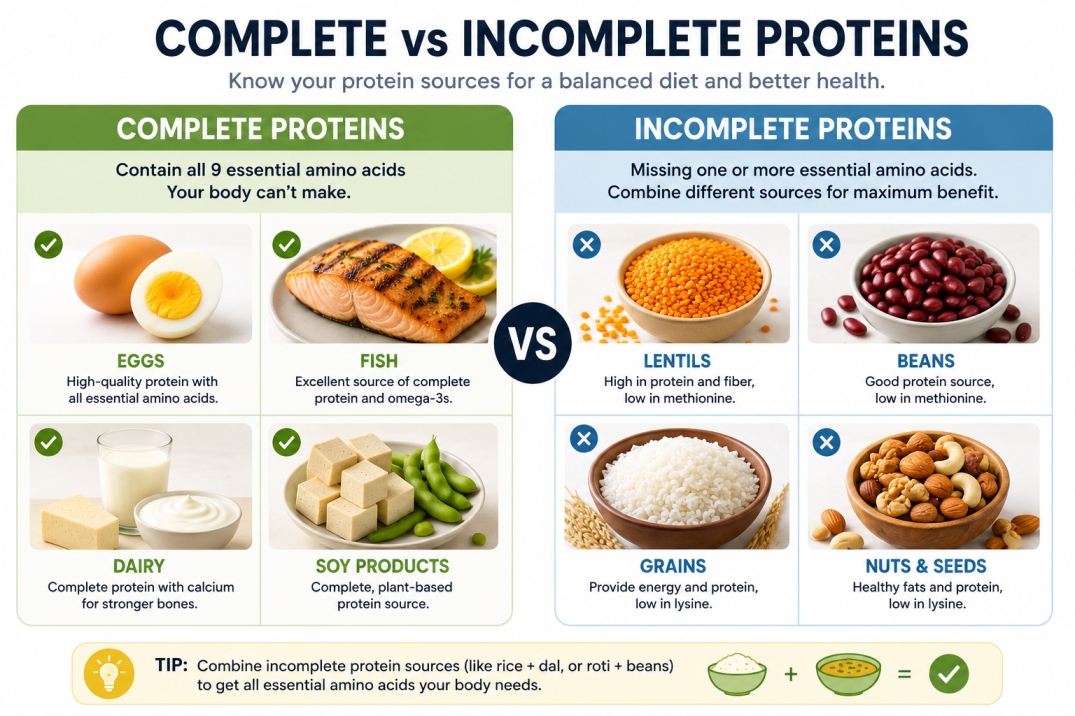
Complete vs Incomplete Proteins
Not all protein sources contain the same amino acid profile.
Complete Proteins
Complete proteins provide all nine essential amino acids in adequate amounts.
Examples include:
Eggs
Chicken
Fish
Lean meat
Milk
Yogurt
Paneer
Soy
Tofu
Quinoa
Incomplete Proteins
Most plant-based proteins lack one or more essential amino acids.
Examples include:
Lentils
Beans
Chickpeas
Peanuts
Rice
Wheat
However, combining different plant proteins throughout the day—such as rice with lentils or whole wheat roti with dal—provides a complete amino acid profile.
Animal Protein vs Plant Protein
Both animal and plant proteins can support weight loss.
Animal Protein
Examples:
Chicken
Fish
Eggs
Milk
Greek yogurt
Paneer
Benefits
Complete protein
High biological value
Rich in vitamin B12
Easily digested
Plant Protein
Examples:
Lentils
Chickpeas
Kidney beans
Soybeans
Tofu
Tempeh
Quinoa
Nuts
Seeds
Benefits
High in fiber
Rich in antioxidants
Lower in saturated fat
Supports gut health
Environmentally sustainable
Both sources can be included as part of a healthy, balanced diet based on individual preferences and dietary patterns.
How Much Protein Do You Need for Weight Loss?
One of the most common questions people ask is, "How much protein should I eat to lose weight?"
The answer depends on several factors, including your age, body weight, physical activity level, muscle mass, and overall health.
While the Recommended Dietary Allowance (RDA) for healthy adults is 0.8 grams of protein per kilogram of body weight per day, this amount is designed to prevent deficiency—not necessarily to support weight loss or preserve muscle during a calorie deficit.
People trying to lose weight generally benefit from a higher protein intake because it helps control hunger and maintain lean muscle mass.
General Protein Recommendations
Goal
Protein Intake
Healthy adult (minimum RDA)
0.8 g/kg/day
Weight loss
1.2–1.6 g/kg/day
Active individuals
1.4–1.8 g/kg/day
Strength training
1.6–2.2 g/kg/day
Older adults
1.0–1.2 g/kg/day
Example
A person weighing 70 kg aiming to lose weight may benefit from approximately:
70 × 1.2–1.6 = 84–112 grams of protein per day
Protein needs vary between individuals. Those with kidney disease or certain medical conditions should consult a healthcare professional before significantly increasing protein intake.
Should You Eat Protein at Every Meal?
Yes. Instead of consuming most of your protein at dinner, it's beneficial to spread protein intake evenly throughout the day.
Research suggests that distributing protein across meals supports:
Better muscle protein synthesis
Greater fullness
Stable energy levels
Reduced cravings
Improved recovery after exercise
Ideal Distribution
Meal
Protein Target
Breakfast
20–30 g
Lunch
25–35 g
Evening Snack
10–20 g
Dinner
25–35 g
This approach keeps you satisfied for longer and supports healthy metabolism throughout the day.
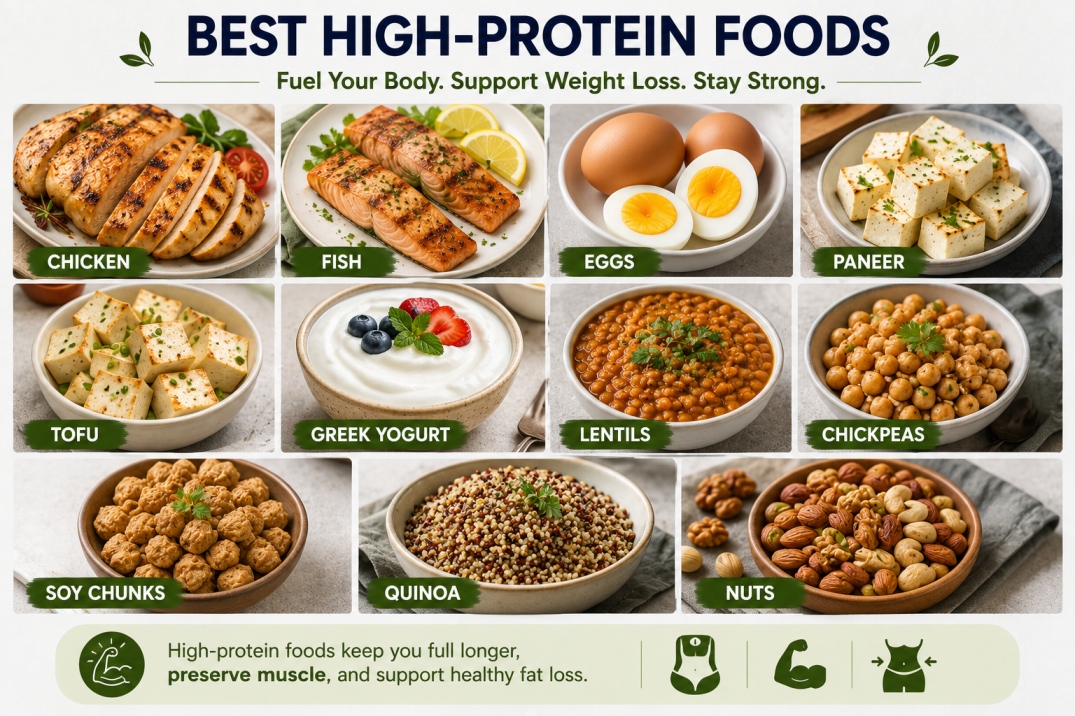
Best High-Protein Foods for Weight Loss
Choosing nutrient-dense protein sources helps maximize nutrition while keeping calories under control.
Best Vegetarian Protein Sources
Food
Protein (Approx.)
Paneer (100 g)
18–20 g
Tofu (100 g)
10–12 g
Greek yogurt (200 g)
18–20 g
Soy chunks (50 g dry)
25–27 g
Lentils (1 cup cooked)
18 g
Chickpeas (1 cup cooked)
15 g
Kidney beans (1 cup cooked)
15 g
Green peas (1 cup)
8–9 g
Milk (250 ml)
8 g
Quinoa (1 cup cooked)
8 g
Best Non-Vegetarian Protein Sources
Food
Protein (Approx.)
Chicken breast (100 g)
30–31 g
Fish (100 g)
22–25 g
Eggs (1 large)
6–7 g
Egg whites (1)
3–4 g
Turkey (100 g)
29 g
Prawns (100 g)
24 g
Lean beef (100 g)
26 g
Choose grilled, baked, steamed, or lightly sautéed preparations instead of deep-fried options.
High-Protein Indian Foods
Indian cuisine offers many excellent protein-rich foods suitable for weight loss.
Vegetarian Options
Moong dal
Masoor dal
Urad dal
Chana dal
Rajma
Chole
Soy chunks
Paneer
Tofu
Sprouts
Greek yogurt
Low-fat curd
Besan
Sattu
Non-Vegetarian Options
Eggs
Chicken breast
Fish
Prawns
Lean mutton (occasionally)
Turkey (if available)
Combining cereals and pulses—such as dal with rice or roti with chana—improves the overall amino acid profile of plant-based meals.
High-Protein Breakfast Ideas
Breakfast is often the lowest-protein meal of the day. Increasing protein at breakfast can reduce hunger throughout the day.
Healthy ideas include:
Vegetable omelet with whole wheat toast
Greek yogurt with berries and chia seeds
Moong dal chilla with curd
Besan chilla stuffed with paneer
Oats cooked with milk and nuts
Paneer bhurji with whole wheat roti
Vegetable tofu scramble
Sprouts chaat
Protein smoothie (without added sugar)
Aim for 20–30 grams of protein at breakfast.
Healthy High-Protein Snacks
Protein-rich snacks help control hunger between meals.
Examples include:
Greek yogurt
Roasted chana
Boiled eggs
Cottage cheese cubes
Sprouts salad
Mixed nuts (small handful)
Roasted soy nuts
Peanut butter with apple slices
Hummus with vegetable sticks
Protein smoothie
Pair protein with fiber-rich foods for greater satiety.
Best Time to Eat Protein
Many people wonder whether eating protein immediately after exercise is essential.
Current evidence suggests that total daily protein intake is more important than precise timing.
However, spreading protein throughout the day offers additional benefits.
Good Times to Include Protein
Breakfast
Lunch
Evening snack
Dinner
Within a couple of hours after exercise
Consuming protein after resistance training may support muscle recovery and growth, especially when combined with adequate total daily intake.
Protein and Exercise
Protein and exercise work together to support healthy body composition.
Resistance Training + Protein
Combining strength training with adequate protein helps:
Preserve muscle during weight loss
Build lean muscle
Improve metabolism
Increase strength
Support long-term fat loss
Examples of strength exercises:
Squats
Push-ups
Lunges
Deadlifts
Resistance bands
Dumbbell exercises
Aim for 2–4 resistance-training sessions per week.
Protein Supplements: Do You Need Them?
Most people can meet their protein needs through food alone.
However, protein supplements may be convenient for:
Athletes
Busy professionals
Older adults with low appetite
People struggling to meet daily protein requirements through food
Supplements should complement—not replace—a balanced diet.https://wellorafit.com/services/doctor-consultations/
Whey Protein
Whey protein is a high-quality protein derived from milk.
Benefits
Complete protein
Rich in leucine
Rapidly absorbed
Supports muscle recovery
Convenient after workouts
Plant-Based Protein Powders
Common sources include:
Pea protein
Soy protein
Brown rice protein
Hemp protein
These are suitable for vegetarians, vegans, and individuals with dairy intolerance.
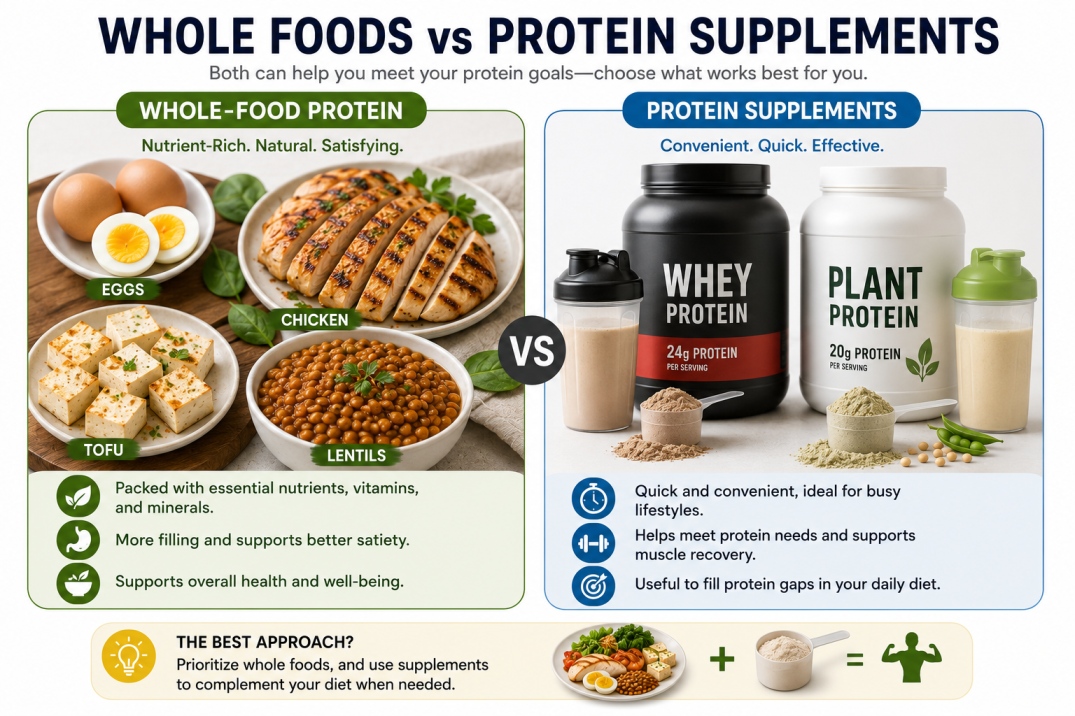
Whole Foods vs Protein Supplements
Whole Foods
Protein Supplements
Provide vitamins and minerals
Convenient and portable
Contain fiber (plant foods)
Easy after workouts
More filling
Useful when protein intake is low
Support long-term healthy eating habits
Should supplement—not replace—whole foods
Whole foods should remain the primary source of protein whenever possible.
Common Protein Mistakes
Avoid these common errors when increasing protein intake.
1. Eating Too Little Protein
Many people, especially at breakfast, consume less protein than recommended.
Include a protein source at every meal.
2. Depending Only on Supplements
Protein powders are convenient but shouldn't replace balanced meals rich in whole foods.
3. Ignoring Fiber
A high-protein diet without enough fiber may contribute to constipation and reduced gut health.
Balance protein with:
Vegetables
Fruits
Whole grains
Legumes
Seeds
4. Choosing Highly Processed Protein Foods
Not all high-protein products are healthy.
Limit:
Processed meats
Sugary protein bars
Deep-fried protein snacks
Choose minimally processed foods whenever possible.
5. Eating All Your Protein at Dinner
Distributing protein throughout the day supports satiety, muscle maintenance, and metabolic health more effectively than consuming most of it in one meal.
Key Takeaways
Protein is one of the most important nutrients for healthy and sustainable weight loss.
A higher-protein diet helps reduce hunger, increase fullness, and naturally lower calorie intake.
Protein preserves lean muscle mass during weight loss, helping maintain a healthy metabolism.
Both vegetarian and non-vegetarian foods can provide high-quality protein.
Spreading protein intake evenly across meals is more beneficial than eating most of it at dinner.
Whole-food protein sources should be prioritized, while protein supplements can be used when dietary intake is insufficient.
Combining adequate protein intake with regular strength training produces the best results for fat loss and muscle preservation.
A balanced diet, regular exercise, quality sleep, and consistency remain the foundation of long-term weight management.
Conclusion
Protein is far more than a nutrient for athletes—it is an essential part of a healthy diet that supports weight loss, muscle maintenance, metabolism, and overall well-being. Whether your goal is to lose body fat, maintain lean muscle, or improve your eating habits, including enough protein in your daily meals can make a meaningful difference.
One of protein's greatest advantages is its ability to help you feel fuller for longer. This natural appetite control can make it easier to maintain a calorie deficit without feeling constantly hungry. At the same time, adequate protein intake helps preserve muscle mass during weight loss, which supports a healthier metabolism and improves long-term weight maintenance.
Fortunately, meeting your protein needs doesn't require expensive supplements or restrictive diets. Lean meats, fish, eggs, dairy products, legumes, soy foods, nuts, seeds, and whole grains can all contribute to a balanced, protein-rich eating pattern. By combining these foods with plenty of vegetables, whole grains, healthy fats, regular physical activity, and adequate sleep, you can build a sustainable lifestyle that supports both weight loss and overall health.
Remember, there is no single "superfood" for weight loss. Consistency, balance, and healthy habits matter far more than any one nutrient. When protein becomes part of a well-rounded lifestyle, it can help you lose fat, preserve muscle, improve energy levels, and achieve lasting results.
Frequently Asked Questions (FAQ Schema)
1. Is protein good for weight loss?
Yes. Protein supports weight loss by increasing satiety, reducing hunger, preserving lean muscle mass, and slightly increasing calorie expenditure through digestion. It also helps maintain muscle during a calorie deficit.
2. How much protein should I eat for weight loss?
Most adults aiming to lose weight benefit from 1.2–1.6 grams of protein per kilogram of body weight per day, depending on activity level, age, and individual health needs.
3. What are the best protein-rich foods for weight loss?
Healthy protein sources include:
Chicken breast
Fish
Eggs
Greek yogurt
Paneer
Tofu
Lentils
Chickpeas
Kidney beans
Soy chunks
Milk
Nuts and seeds (in moderation)
4. Can vegetarians get enough protein?
Yes. A well-planned vegetarian diet can provide sufficient protein through foods such as paneer, tofu, Greek yogurt, milk, lentils, chickpeas, beans, soy products, quinoa, sprouts, and nuts.
5. Should I drink protein shakes to lose weight?
Protein shakes can be convenient if you struggle to meet your daily protein needs through food. However, whole foods should remain the primary source of protein because they also provide fiber, vitamins, minerals, and other beneficial nutrients.
6. When is the best time to eat protein?
The total amount of protein consumed throughout the day is more important than exact timing. However, spreading protein evenly across meals and including some protein after exercise may support muscle recovery and appetite control.
7. Does eating more protein increase metabolism?
Yes. Protein has the highest thermic effect of all macronutrients, meaning your body uses more energy to digest and metabolize it compared with carbohydrates and fats. While the increase is modest, it contributes to overall daily energy expenditure.
8. Can eating too much protein be harmful?
For most healthy adults, consuming protein within recommended ranges is safe. Individuals with chronic kidney disease or other specific medical conditions should seek personalized advice from their healthcare provider before significantly increasing protein intake.
9. Are plant proteins as good as animal proteins?
Yes. Animal proteins are complete proteins, while many plant proteins are lower in one or more essential amino acids. Eating a variety of plant protein sources throughout the day can provide all the essential amino acids your body needs.
10. Can I lose weight without eating enough protein?
Weight loss is possible with a calorie deficit, but inadequate protein intake may increase hunger and lead to greater loss of lean muscle mass. Including enough protein supports healthier, more sustainable weight loss.
Ready to Begin Your Health Journey?
Get a personalized, medically guided plan built around your unique biology.