Sleep and Weight Loss: Complete Guide
Sleep and Weight Loss: A Complete Guide to How Better Sleep Helps You Lose Weight
When people think about weight loss, they usually focus on eating healthy and exercising regularly. While these are essential, one powerful factor is often overlooked—sleep.
Getting enough quality sleep is just as important as following a balanced diet and staying physically active. In fact, poor sleep can affect hormones that control hunger, appetite, metabolism, blood sugar, and fat storage, making it much harder to lose weight even if you're eating well.
Research has consistently shown that people who regularly sleep too little are more likely to gain weight, experience stronger cravings for unhealthy foods, and have a higher risk of obesity, diabetes, and heart disease.
The good news is that improving your sleep habits can support healthy weight management, boost energy levels, improve exercise performance, and make sustainable weight loss easier.
In this comprehensive guide, you'll learn:
· Why sleep is essential for weight loss
· How sleep affects metabolism
· The connection between sleep and appetite hormones
· Why lack of sleep leads to weight gain
· Healthy sleep habits for better weight management
· Foods that improve sleep quality
· Exercise and sleep recommendations
· Common sleep mistakes to avoid
· Practical strategies for better sleep and long-term health
What Is Healthy Sleep?
Healthy sleep means getting enough high-quality sleep every night so that your body and brain can recover properly.
Sleep is not simply a period of rest. During sleep, your body performs hundreds of important functions that support overall health, including:
· Repairing muscles and tissues
· Producing important hormones
· Strengthening the immune system
· Consolidating memories
· Regulating metabolism
· Balancing hunger hormones
· Burning and storing energy efficiently
Adults generally need 7–9 hours of quality sleep each night.
Both the duration and quality of sleep matter. Sleeping for eight hours but waking frequently throughout the night may not provide the same benefits as uninterrupted, restorative sleep.
Why Is Sleep Important?
Sleep affects nearly every system in the body.
Good sleep helps:
· Maintain a healthy body weight
· Improve metabolism
· Support muscle recovery
· Regulate appetite
· Improve blood sugar control
· Enhance concentration and memory
· Strengthen immunity
· Improve mood
· Increase physical performance
· Reduce the risk of chronic diseases
Poor sleep, on the other hand, can increase the risk of:
· Weight gain
· Obesity
· Type 2 diabetes
· High blood pressure
· Heart disease
· Depression
· Anxiety
· Reduced productivity
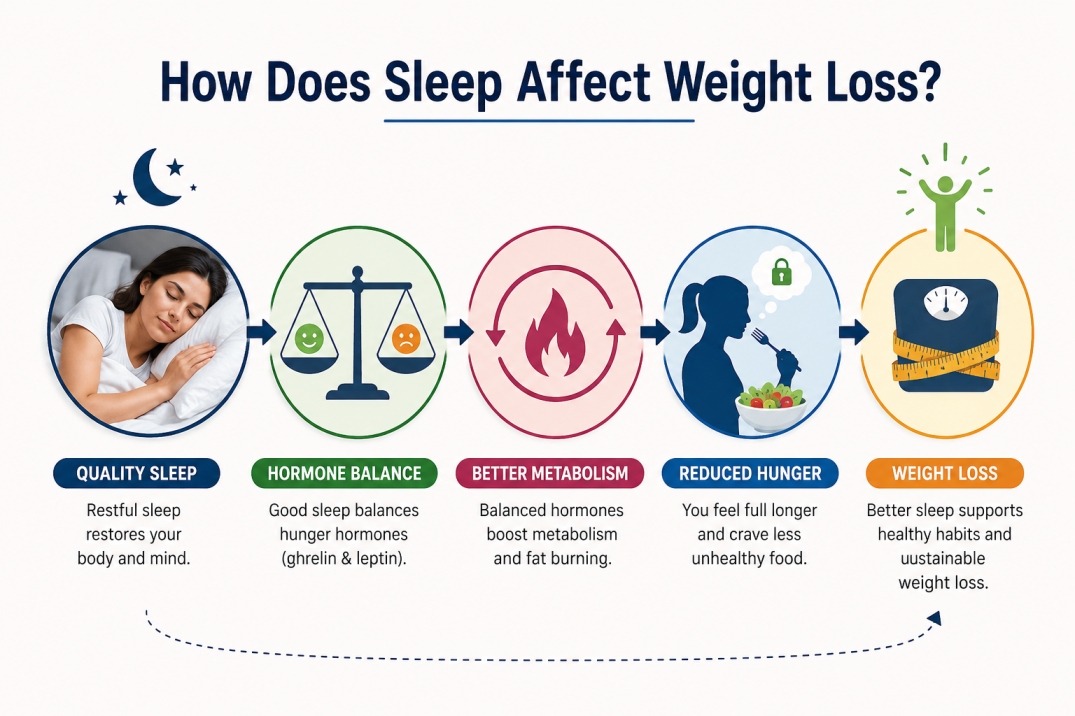
How Does Sleep Affect Weight Loss?
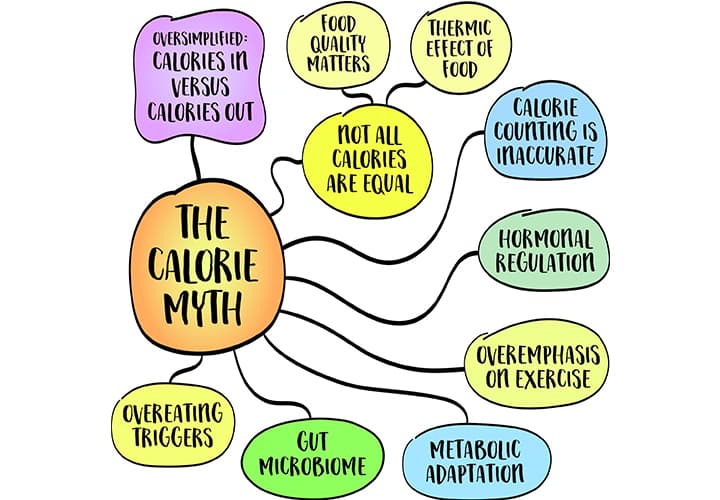
Many people assume weight loss depends only on calories consumed and calories burned.
While calorie balance is important, sleep strongly influences the hormones and behaviors that affect food intake, energy expenditure, and fat storage.
Poor sleep may lead to:
· Increased appetite
· Stronger cravings for sugary foods
· Increased calorie intake
· Reduced metabolism
· Higher stress hormone levels
· Reduced motivation to exercise
· Slower muscle recovery
· Increased fat storage, particularly around the abdomen
In contrast, getting enough quality sleep supports healthy hormone function and makes it easier to maintain healthy eating habits.
Understanding Sleep Cycles
Sleep occurs in several stages that repeat throughout the night.
These stages are divided into two main categories:
Non-REM Sleep
This stage includes light and deep sleep.
During Non-REM sleep:
· Muscles repair themselves.
· Cells regenerate.
· The immune system strengthens.
· Growth hormone is released.
· Energy stores are replenished.
Deep sleep is especially important for physical recovery and metabolism.
REM Sleep
REM (Rapid Eye Movement) sleep is the stage during which most dreaming occurs.
During REM sleep:
· The brain processes memories.
· Learning improves.
· Emotional health is supported.
· Brain function is restored.
Both REM and deep sleep are essential for overall health and healthy weight management.
Hormones That Influence Weight Loss
Sleep directly affects several hormones responsible for hunger, fullness, metabolism, and fat storage.
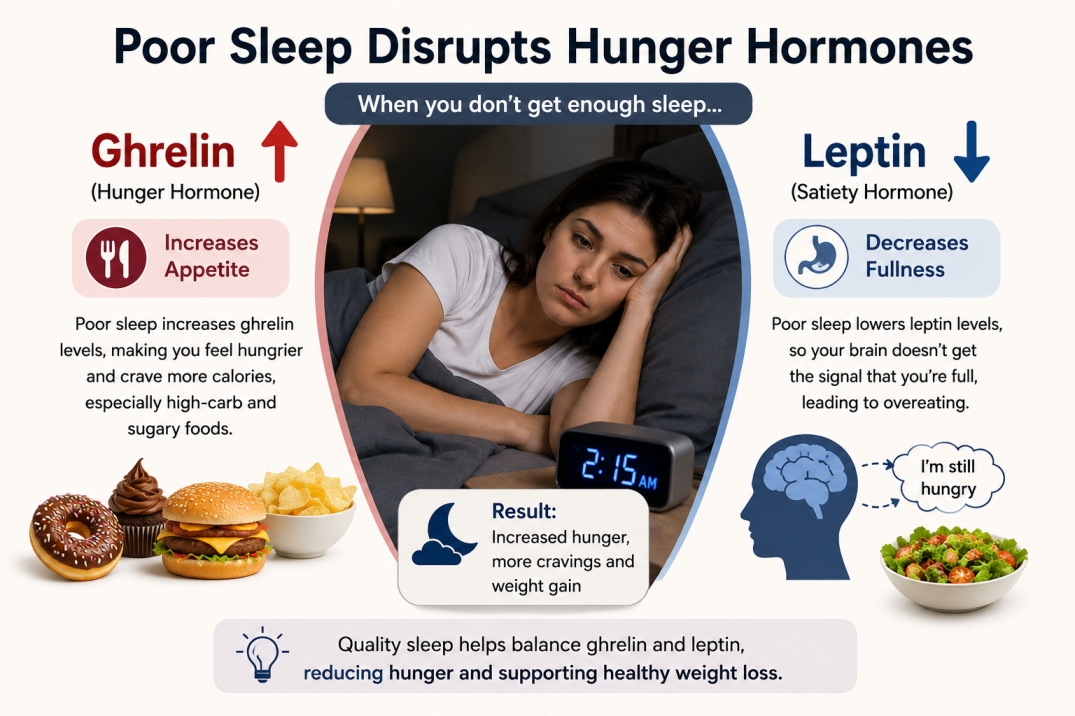
1. Ghrelin – The Hunger Hormone
Ghrelin signals your brain that it's time to eat.
When you don't get enough sleep:
· Ghrelin levels increase.
· Hunger becomes stronger.
· You may eat larger portions.
· Snacking becomes more frequent.
This often leads to increased calorie intake throughout the day.
2. Leptin – The Fullness Hormone
Leptin tells your brain when you've eaten enough.
Poor sleep causes leptin levels to decrease, making it harder to feel satisfied after meals.
As a result, people often continue eating even after consuming enough calories.
3. Cortisol – The Stress Hormone
Cortisol naturally rises in response to stress.
Sleep deprivation increases cortisol production.
High cortisol levels may:
· Increase belly fat
· Increase appetite
· Trigger emotional eating
· Raise blood sugar
· Slow fat loss
Managing both stress and sleep is important for maintaining healthy cortisol levels.
4. Insulin
Insulin helps move glucose from the bloodstream into cells for energy.
Poor sleep reduces insulin sensitivity, meaning the body requires more insulin to regulate blood sugar.
Over time, this can lead to:
· Increased fat storage
· Higher blood sugar
· Prediabetes
· Type 2 diabetes
· Difficulty losing weight
Improving sleep quality supports better insulin function.
5. Growth Hormone
Growth hormone is released primarily during deep sleep.
This hormone plays an important role in:
· Muscle repair
· Fat metabolism
· Tissue growth
· Recovery after exercise
Poor sleep reduces growth hormone release, which may slow recovery and reduce fat-burning efficiency.
Why Poor Sleep Causes Weight Gain
Lack of sleep affects both the body and behavior, creating a cycle that promotes weight gain.
Common reasons include:
Increased Hunger
Poor sleep raises ghrelin and lowers leptin, making you feel hungrier throughout the day.
More Food Cravings
Sleep deprivation increases cravings for:
· Chocolate
· Cakes
· Cookies
· Chips
· Sugary drinks
· Fast food
· Refined carbohydrates
These foods are high in calories and often low in nutrients.
Larger Portion Sizes
People who are sleep deprived tend to consume larger meals and snack more frequently.
Reduced Physical Activity
Poor sleep often causes:
· Fatigue
· Low motivation
· Reduced exercise performance
· Less daily movement
Lower activity levels reduce total calorie expenditure.
Slower Metabolism
Sleep loss may slightly reduce resting metabolic rate and interfere with efficient energy use.
Combined with increased calorie intake, this contributes to gradual weight gain over time.
Increased Belly Fat
Chronic sleep deprivation raises cortisol levels, which encourages fat storage around the abdomen.
Visceral (abdominal) fat is associated with a higher risk of:
· Type 2 diabetes
· Heart disease
· High blood pressure
· Metabolic syndrome
Improving sleep quality is one of the simplest lifestyle changes that can support both weight loss and long-term health.
Signs You're Not Getting Enough Sleep
Many people believe they are getting enough sleep because they spend several hours in bed. However, sleep quality is just as important as sleep duration.
If your sleep is poor, your body may not complete the restorative processes needed for healthy metabolism and weight management.
Common signs of insufficient sleep include:
· Feeling tired even after waking up
· Difficulty concentrating
· Brain fog
· Frequent yawning during the day
· Low energy
· Increased hunger
· Frequent sugar cravings
· Mood swings
· Irritability
· Reduced motivation to exercise
· Falling asleep during the day
· Poor work or academic performance
· Difficulty remembering things
If these symptoms occur regularly, improving sleep habits should become a priority.
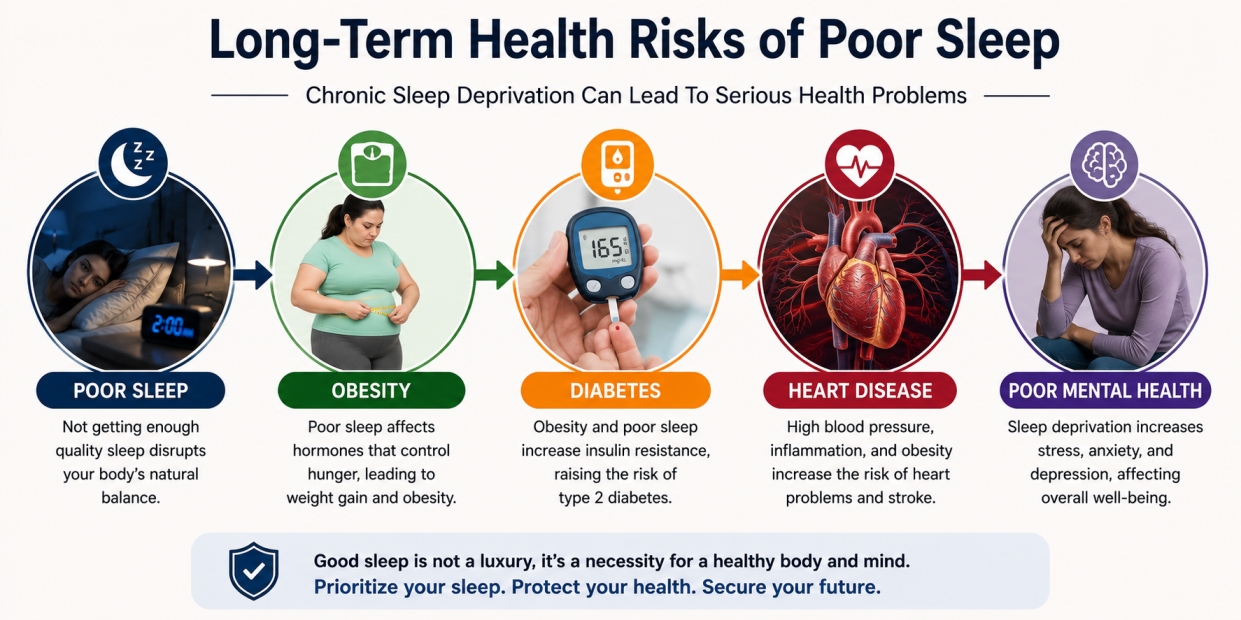
Health Risks of Poor Sleep
Consistently sleeping less than the recommended amount doesn't only affect weight—it can increase the risk of several serious health conditions.
1. Obesity
Research has consistently found that people who regularly sleep too little are more likely to become overweight or obese. https://www.cdc.gov
Reasons include:
· Increased calorie intake
· Poor appetite regulation
· Reduced physical activity
· Hormonal imbalance
· Increased fat storage
2. Type 2 Diabetes
Sleep deprivation reduces insulin sensitivity, making it harder for the body to regulate blood sugar.
Long-term poor sleep increases the risk of:
· Prediabetes
· Type 2 diabetes
· Metabolic syndrome
3. Heart Disease
Poor sleep contributes to several cardiovascular risk factors, including:
· High blood pressure
· Elevated cholesterol
· Increased inflammation
· Obesity
· Insulin resistance
Healthy sleep supports overall heart health.
4. Weakened Immune System
Most immune repair occurs during sleep.
Poor sleep may:
· Increase susceptibility to infections
· Slow recovery from illness
· Increase inflammation
· Reduce vaccine effectiveness
5. Mental Health Problems
Sleep and mental health are closely connected.
Chronic sleep deprivation may contribute to:
· Anxiety
· Depression
· Mood swings
· Irritability
· Emotional eating
· Difficulty managing stress
6. Reduced Physical Performance
Poor sleep affects:
· Strength
· Endurance
· Balance
· Coordination
· Muscle recovery
· Exercise motivation
Athletes and physically active individuals often perform better after adequate sleep.
Best Sleep Habits for Weight Loss
Developing healthy sleep habits—also known as good sleep hygiene—can improve sleep quality and support sustainable weight loss.
1. Maintain a Consistent Sleep Schedule
Go to bed and wake up at approximately the same time every day, including weekends.
A consistent sleep routine helps regulate your body's internal clock (circadian rhythm), making it easier to fall asleep and wake up naturally.
2. Aim for 7–9 Hours of Sleep
Most healthy adults need between 7 and 9 hours of sleep each night.
Sleeping too little or too much may negatively affect metabolism and overall health.
3. Create a Relaxing Bedtime Routine
Preparing your body for sleep can improve sleep quality.
Healthy bedtime habits include:
· Reading a book
· Gentle stretching
· Meditation
· Deep breathing exercises
· Listening to calming music
· Taking a warm shower
Avoid stimulating activities immediately before bed.
4. Reduce Screen Time Before Bed
Electronic devices emit blue light, which suppresses melatonin—the hormone responsible for promoting sleep.
Reduce exposure to:
· Mobile phones
· Tablets
· Laptops
· Television
Try to avoid screens for 30–60 minutes before bedtime.
5. Keep Your Bedroom Comfortable
A sleep-friendly environment promotes deeper, more restful sleep.
Consider:
· A cool room temperature
· Comfortable mattress and pillows
· Minimal noise
· Dark curtains or blackout blinds
· Good ventilation
A comfortable sleep environment can significantly improve sleep quality.
6. Limit Caffeine Late in the Day
Caffeine is a stimulant that can remain in the body for several hours.
Avoid caffeinated beverages in the late afternoon and evening, including:
· Coffee
· Tea
· Energy drinks
· Cola
· Chocolate in large amounts
Switching to herbal tea or warm milk in the evening may be helpful.
7. Avoid Heavy Meals Before Bed
Large meals close to bedtime may cause:
· Indigestion
· Acid reflux
· Discomfort
· Poor sleep quality
Try to finish dinner 2–3 hours before sleeping.
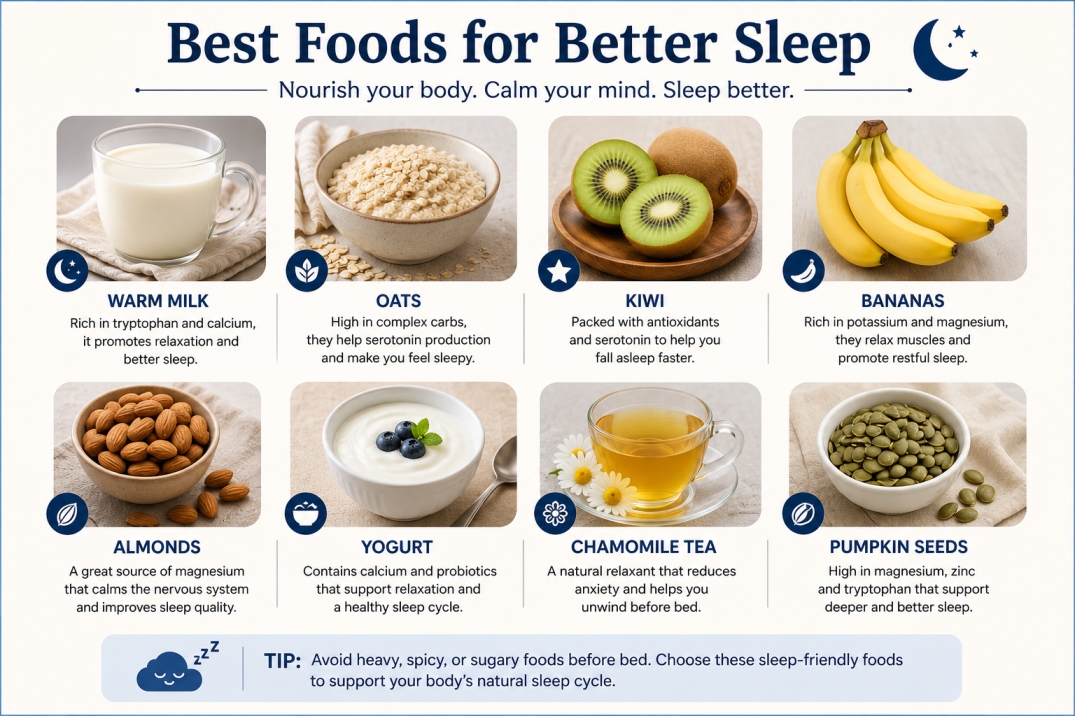
Foods That Improve Sleep
Certain nutrients support melatonin production, muscle relaxation, and better sleep quality. https://www.nin.res.in
Magnesium-Rich Foods
Magnesium helps relax muscles and supports healthy sleep.
Examples:
· Spinach
· Pumpkin seeds
· Almonds
· Cashews
· Black beans
· Avocados
Tryptophan-Rich Foods
Tryptophan is an amino acid used to produce serotonin and melatonin.
Good sources include:
· Milk
· Yogurt
· Eggs
· Turkey
· Chicken
· Fish
· Soy products
· Tofu
· Pumpkin seeds
Complex Carbohydrates
Whole grains may help support healthy sleep by promoting a steady release of energy.
Choose:
· Oats
· Brown rice
· Whole wheat bread
· Quinoa
· Millets
Fruits That May Support Sleep
Some fruits naturally contain nutrients that promote relaxation.
Examples include:
· Kiwi
· Cherries
· Bananas
· Oranges
These fruits also provide vitamins, minerals, and fiber.
Herbal Teas
Caffeine-free herbal teas may promote relaxation before bedtime.
Popular options include:
· Chamomile tea
· Peppermint tea
· Lemon balm tea
· Lavender tea
Avoid adding excess sugar.
Foods That Can Disrupt Sleep
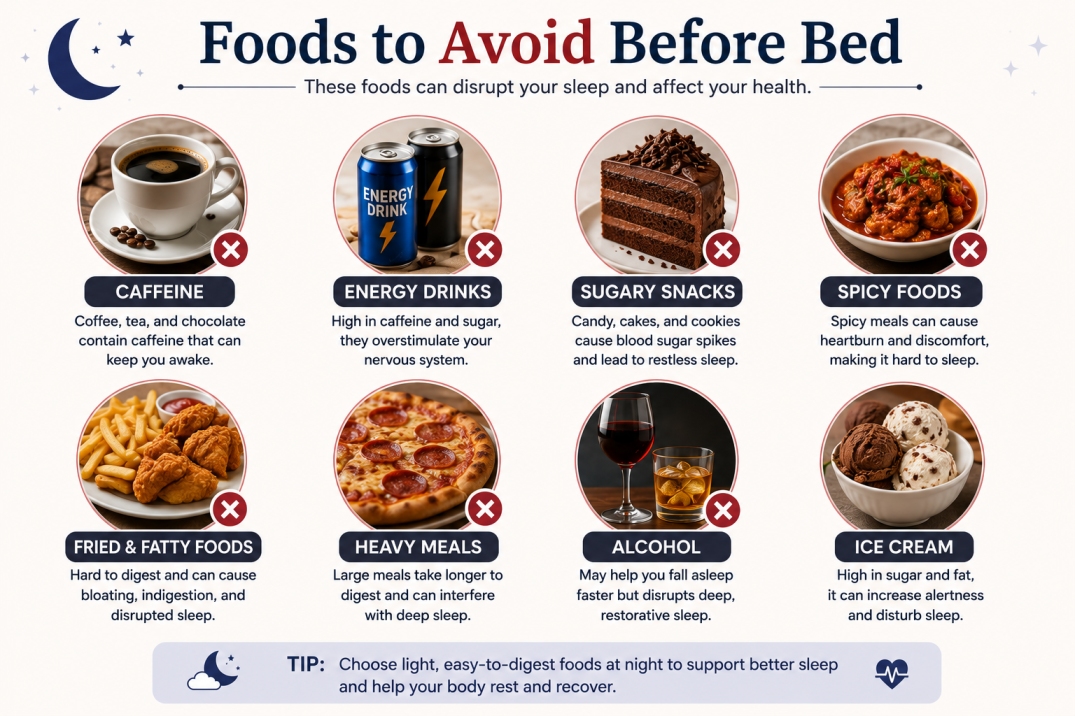
Some foods and beverages can make it harder to fall asleep or reduce sleep quality.
Limit:
· Coffee
· Energy drinks
· Strong tea
· Cola
· Alcohol
· Spicy foods
· Deep-fried foods
· Heavy desserts
· Sugary beverages
· Highly processed snacks
These foods may increase indigestion, acid reflux, or nighttime awakenings.
Does Meal Timing Affect Sleep?
Meal timing can influence both sleep quality and weight management.
Healthy habits include:
· Eat meals at regular times.
· Avoid skipping meals.
· Finish dinner 2–3 hours before bedtime.
· Avoid large late-night snacks.
· If hungry before bed, choose a light snack such as yogurt, milk, or a small handful of nuts.
Maintaining a regular eating schedule also supports healthy metabolism.
Hydration and Sleep
Staying hydrated throughout the day supports overall health, but drinking excessive amounts of water immediately before bed may lead to frequent nighttime urination.
Tips for Better Hydration
· Drink 2–3 liters of water daily, depending on individual needs.
· Stay hydrated during the day rather than consuming large amounts at night.
· Reduce sugary beverages.
· Choose water or herbal tea in the evening.
· Limit alcohol, as it can disrupt normal sleep cycles.
Proper hydration supports metabolism, digestion, exercise performance, and overall well-being while helping maintain healthy sleep patterns.
Exercise and Sleep: A Powerful Combination for Weight Loss
Exercise and sleep have a two-way relationship. Regular physical activity improves sleep quality, while good sleep helps you perform better during exercise.
Together, they create a positive cycle that supports healthy weight management.
Regular exercise helps:
· Fall asleep faster
· Improve sleep quality
· Increase deep sleep
· Reduce stress
· Improve metabolism
· Burn more calories
· Preserve muscle mass
· Improve insulin sensitivity
Likewise, getting enough sleep helps you recover from workouts, maintain motivation, and perform better physically.
Best Time to Exercise for Better Sleep
Many people wonder whether exercising in the morning or evening is better for weight loss and sleep.
The answer depends on personal preference, schedule, and exercise intensity.
The most important factor is exercising consistently.
Morning Exercise
Morning workouts offer several benefits.
Benefits
· Boost metabolism early in the day
· Increase energy levels
· Improve mood
· Support healthy circadian rhythm
· Encourage better sleep at night
· Reduce the chance of skipping workouts
Examples include:
· Brisk walking
· Jogging
· Cycling
· Yoga
· Strength training
Morning sunlight exposure also helps regulate the body's biological clock.
Afternoon Exercise
Many people perform best during the afternoon because body temperature and muscle function are naturally higher.
Benefits include:
· Greater strength
· Better endurance
· Improved flexibility
· Lower injury risk
· Higher workout performance
This can be a great time for resistance training or more intense workouts.
Evening Exercise
Evening workouts can also support weight loss.
Examples include:
· Walking
· Yoga
· Pilates
· Moderate strength training
· Light cycling
However, very intense exercise immediately before bedtime may make it difficult for some people to fall asleep.
If exercising at night affects your sleep, try finishing workouts at least 2–3 hours before bedtime.
Morning vs Evening Workouts
Both options provide health benefits.
Morning Workouts
Evening Workouts
Improve circadian rhythm
Convenient after work
Boost energy
Better physical performance
Increase daily activity
Relieve stress
Improve consistency
Suitable for strength training
May improve nighttime sleep
Good if completed a few hours before bed
Choose the time that best fits your schedule and allows you to stay consistent.
Lifestyle Habits That Improve Sleep
Healthy sleep depends on more than simply spending enough time in bed.
Daily habits strongly influence sleep quality.
Follow a Regular Sleep Schedule
Go to bed and wake up at the same time every day.
A consistent schedule helps regulate your internal body clock and improves sleep quality.
Get Morning Sunlight
Natural sunlight helps regulate melatonin production and reinforces your circadian rhythm.
Aim for 15–30 minutes of sunlight exposure in the morning whenever possible.
Stay Physically Active
In addition to planned workouts, increase movement throughout the day. https://wellorafit.com/services/fitness-training/
Simple ways include:
· Walking after meals
· Taking the stairs
· Stretching every hour
· Standing while working
· Household activities
· Gardening
Daily movement supports both sleep quality and calorie expenditure.
Maintain a Healthy Weight
Excess body weight increases the risk of sleep disorders such as obstructive sleep apnea.
Losing weight may improve breathing during sleep and enhance overall sleep quality. https://wellorafit.com/services/nutrition-diet-planning/
Stress Management for Better Sleep
Stress is one of the most common causes of poor sleep.
When stress levels rise, the body produces more cortisol, making it difficult to relax and fall asleep.
Long-term stress may contribute to:
· Insomnia
· Emotional eating
· Increased appetite
· Weight gain
· Fatigue
· Reduced motivation to exercise
Healthy Stress-Relief Techniques
Practice one or more of the following daily:
· Meditation
· Deep breathing exercises
· Yoga
· Journaling
· Reading
· Listening to calming music
· Spending time in nature
· Talking with supportive friends or family
Even 10–15 minutes of relaxation before bed can improve sleep quality.
Screen Time and Blue Light
Electronic devices emit blue light that suppresses melatonin production.
Reduced melatonin delays sleep and makes it harder to fall asleep naturally.
Common sources include:
· Smartphones
· Tablets
· Laptops
· Television
· Gaming devices
Healthy Screen Habits
· Stop using electronic devices 30–60 minutes before bedtime.
· Enable night mode or blue light filters in the evening.
· Read a printed book instead of scrolling through your phone.
· Keep mobile phones away from the bed when possible.
Create a Sleep-Friendly Bedroom
Your sleeping environment plays an important role in sleep quality.
Ideal Bedroom Conditions
· Quiet
· Dark
· Cool temperature
· Comfortable mattress
· Supportive pillows
· Minimal distractions
· Good ventilation
A relaxing bedroom encourages deeper, uninterrupted sleep.
Sleep Hygiene Checklist
Good sleep hygiene refers to healthy habits that promote consistent, restful sleep.
Daily Checklist
✔ Sleep 7–9 hours every night.
✔ Go to bed at the same time each day.
✔ Wake up at the same time each morning.
✔ Get morning sunlight.
✔ Exercise regularly.
✔ Avoid caffeine late in the day.
✔ Finish dinner 2–3 hours before bedtime.
✔ Limit alcohol before sleep.
✔ Reduce screen time before bed.
✔ Keep your bedroom cool, dark, and quiet.
✔ Practice relaxation before sleeping.
✔ Avoid long daytime naps (limit naps to 20–30 minutes if needed).
Following these habits consistently can significantly improve sleep quality.
Practical Tips for Better Sleep and Weight Loss
Small daily changes often lead to meaningful long-term improvements.
Healthy Sleep Tips
· Develop a relaxing bedtime routine.
· Avoid checking work emails before bed.
· Keep a consistent sleep schedule, even on weekends.
· Drink enough water during the day.
· Limit sugary drinks and excess caffeine.
· Include regular physical activity.
· Eat balanced meals with adequate protein and fiber.
· Manage stress proactively.
· Avoid smoking.
· Maintain a healthy body weight.
· Track your sleep habits if needed using a journal or sleep tracker.
Remember that improving sleep is a gradual process. Consistency is more important than perfection.
Over time, better sleep can improve energy, reduce cravings, support metabolism, enhance workout performance, and make sustainable weight loss easier.
Can Better Sleep Help You Lose Weight?
The answer is yes. While sleep alone won't cause weight loss, getting enough quality sleep makes it much easier to maintain healthy eating habits, stay active, and regulate the hormones involved in weight management.
Studies show that adults who consistently sleep 7–9 hours per night are more likely to maintain a healthy weight than those who are chronically sleep deprived.
Improving sleep can support weight loss by:
· Reducing hunger hormones
· Increasing feelings of fullness
· Lowering cravings for sugary and processed foods
· Improving insulin sensitivity
· Supporting fat metabolism
· Increasing energy for exercise
· Improving workout recovery
· Reducing stress-related eating
Sleep should be considered one of the three pillars of healthy weight management, alongside nutrition and physical activity.
Benefits of Quality Sleep for Weight Loss
1. Better Appetite Control
Adequate sleep helps regulate ghrelin (the hunger hormone) and leptin (the fullness hormone), making it easier to control portion sizes and reduce overeating.
2. Reduced Cravings
People who sleep well generally experience fewer cravings for:
· Chocolate
· Ice cream
· Sugary drinks
· Fast food
· Chips
· Pastries
This naturally helps reduce calorie intake.
3. Improved Fat Burning
Quality sleep supports healthy hormone production and metabolism, allowing the body to use stored fat more efficiently.
4. Better Exercise Performance
After a good night's sleep, most people experience:
· Higher energy
· Improved strength
· Better endurance
· Faster reaction times
· Greater motivation to exercise
Regular exercise then further improves sleep quality, creating a positive cycle.
5. Better Blood Sugar Control
Healthy sleep improves insulin sensitivity and glucose regulation, reducing the risk of:
· Prediabetes
· Type 2 diabetes
· Excess fat storage
6. Improved Mood
Good sleep helps regulate emotions and reduces the likelihood of emotional eating triggered by stress, anxiety, or fatigue.
Common Sleep Mistakes That Can Affect Weight Loss
Many people unknowingly develop habits that interfere with both sleep quality and healthy weight management.
1. Sleeping Too Little
Consistently getting less than 7 hours of sleep increases hunger, cravings, and fatigue while making weight loss more difficult.
2. Inconsistent Sleep Schedule
Going to bed and waking up at different times each day disrupts the body's natural circadian rhythm.
A regular sleep schedule supports better hormone balance and improved sleep quality.
3. Using Electronic Devices Before Bed
Phones, tablets, laptops, and televisions emit blue light that suppresses melatonin production.
Reducing screen exposure before bedtime can help you fall asleep more easily.
4. Drinking Too Much Caffeine
Caffeine consumed late in the day can delay sleep onset and reduce sleep quality.
Limit coffee, tea, energy drinks, and cola in the evening.
5. Eating Heavy Meals Late at Night
Large, high-fat, or spicy meals close to bedtime may cause:
· Acid reflux
· Indigestion
· Poor sleep
· Nighttime awakenings
Aim to finish dinner 2–3 hours before bedtime.
6. Skipping Exercise
A sedentary lifestyle can contribute to poor sleep and slower metabolism.
Regular physical activity supports both better sleep and healthier body weight.
7. Ignoring Stress
Chronic stress increases cortisol levels, making it harder to relax and increasing the likelihood of emotional eating and poor sleep.
Practicing relaxation techniques can improve both sleep and weight management.
How to Maintain Healthy Sleep Long-Term
Healthy sleep habits should become part of your daily routine rather than a short-term goal.
Build a Consistent Routine
· Go to bed at the same time every night.
· Wake up at the same time every morning.
· Follow the routine even on weekends whenever possible.
Stay Active
Regular exercise improves sleep quality, but remember to:
· Exercise most days of the week.
· Include strength training.
· Walk daily.
· Avoid vigorous exercise immediately before bedtime if it affects your sleep.
Eat a Balanced Diet
A healthy diet supports both sleep and metabolism.
Choose:
· Lean protein
· Whole grains
· Vegetables
· Fruits
· Healthy fats
· High-fiber foods
Limit excess sugar, alcohol, and processed foods.
Manage Stress Daily
Stress management should become a regular habit.
Helpful strategies include:
· Meditation
· Yoga
· Deep breathing
· Journaling
· Reading
· Spending time outdoors
· Listening to calming music
Monitor Your Sleep
If you continue experiencing poor sleep despite healthy habits, consider discussing your symptoms with a healthcare professional.
Sleep disorders such as insomnia or obstructive sleep apnea may require medical evaluation.
Key Takeaways
· Sleep plays a major role in healthy weight management.
· Adults should aim for 7–9 hours of quality sleep each night.
· Poor sleep disrupts hormones that regulate hunger, fullness, metabolism, and blood sugar.
· Good sleep reduces cravings, improves energy, and supports fat loss.
· Regular exercise and a healthy diet work best when combined with adequate sleep.
· Healthy sleep habits include a consistent schedule, limiting screen time, avoiding late caffeine, and creating a relaxing bedtime routine.
· Sustainable lifestyle changes are more effective than quick fixes.
Conclusion
Sleep is often the missing piece of a successful weight loss plan. While healthy eating and regular exercise are essential, they become far more effective when combined with adequate, high-quality sleep.
Getting enough sleep supports hormone balance, improves appetite regulation, enhances exercise performance, and helps your body recover and burn fat more efficiently.
Rather than viewing sleep as optional, think of it as an essential investment in your overall health. By prioritizing restful sleep alongside nutritious eating and regular physical activity, you can improve your energy levels, support sustainable weight loss, and reduce your risk of chronic diseases.
Remember, healthy weight management is not about perfection—it is about building consistent habits that support your body for the long term.
FAQ Schema
1. Does sleep really affect weight loss?
Yes. Poor sleep affects hunger hormones, metabolism, insulin sensitivity, and food cravings, making weight loss more difficult.
2. How many hours of sleep are best for weight loss?
Most adults should aim for 7–9 hours of quality sleep each night.
3. Can lack of sleep cause weight gain?
Yes. Sleep deprivation can increase appetite, cravings, calorie intake, and fat storage while reducing energy for physical activity.
4. Is it better to sleep more when trying to lose weight?
Sleeping the recommended 7–9 hours is beneficial. Both insufficient and excessive sleep may negatively affect health.
5. Which hormone increases when you don't sleep enough?
Ghrelin (the hunger hormone) tends to increase, while leptin (the fullness hormone) decreases.
6. Does poor sleep slow metabolism?
Chronic sleep deprivation can reduce insulin sensitivity and negatively affect metabolic health, making weight management more challenging.
7. Can exercise improve sleep?
Yes. Regular physical activity helps improve sleep quality, reduce stress, and support healthy weight management.
8. Should I eat before bed?
Avoid heavy meals close to bedtime. If you're hungry, choose a light snack such as yogurt, milk, or a handful of nuts.
9. Can sleep reduce belly fat?
Good sleep helps regulate cortisol and appetite hormones, supporting overall fat loss, including abdominal fat when combined with a healthy lifestyle.
10. What is the best bedtime for adults?
A bedtime that allows 7–9 hours of sleep while maintaining a consistent sleep schedule is ideal.
Ready to Begin Your Health Journey?
Get a personalized, medically guided plan built around your unique biology.