Thyroid and Weight Loss: Complete Guide
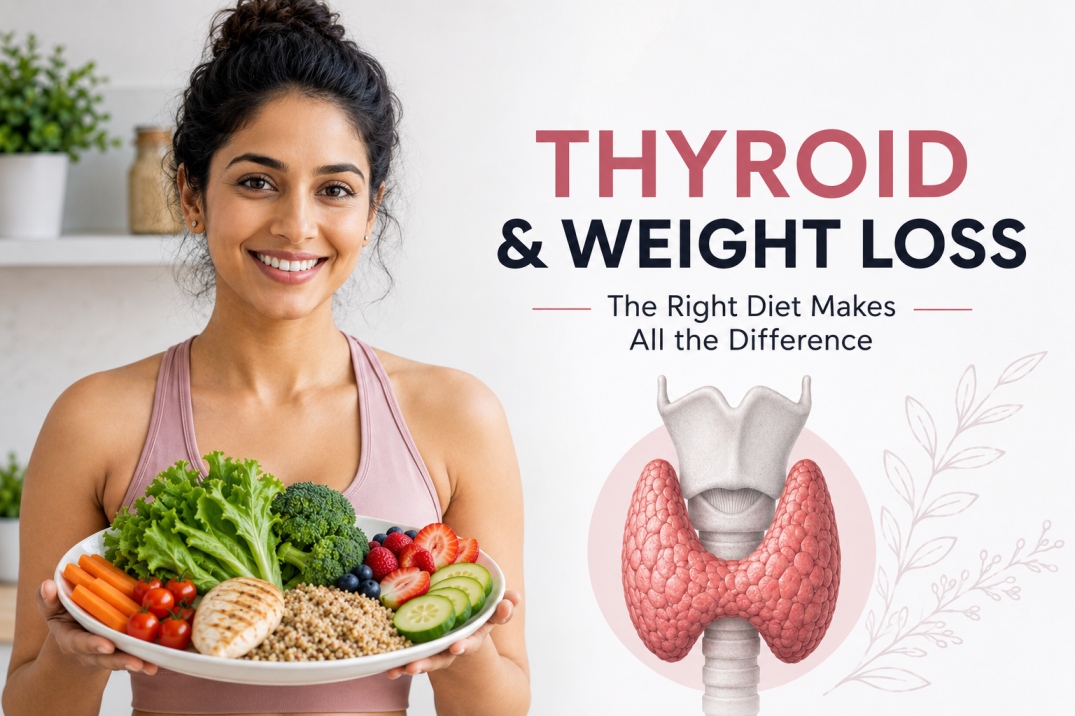
Thyroid and Weight Loss: Complete Guide to Managing Weight with Hypothyroidism
Many people struggling to lose weight wonder whether their thyroid could be the reason. Despite following a healthy diet and exercising regularly, some individuals continue to experience stubborn weight gain, fatigue, and difficulty achieving their weight-loss goals. In many cases, an underactive thyroid—known as hypothyroidism—may contribute to these challenges.
The thyroid is a small butterfly-shaped gland located at the front of your neck, but it has a major influence on your overall health. It produces hormones that regulate metabolism, energy production, body temperature, heart rate, digestion, and many other essential functions. When the thyroid does not produce enough hormones, the body's metabolic processes slow down, which can make weight management more difficult.
Although hypothyroidism can contribute to weight gain, it is important to understand that thyroid disorders are not the sole cause of obesity, and treating the thyroid alone does not automatically lead to significant weight loss. Successful weight management usually requires a combination of appropriate medical treatment, balanced nutrition, regular physical activity, quality sleep, stress management, and long-term healthy habits.
The encouraging news is that people with thyroid disorders can lose weight successfully. With proper diagnosis, appropriate treatment, and sustainable lifestyle changes, healthy weight loss is achievable.
In this comprehensive guide, you'll learn how the thyroid affects metabolism, why hypothyroidism may lead to weight gain, common symptoms, diagnosis, treatment options, the best diet for thyroid health, exercise recommendations, and practical strategies to support healthy and sustainable weight loss.https://www.who.int
What Is the Thyroid Gland?
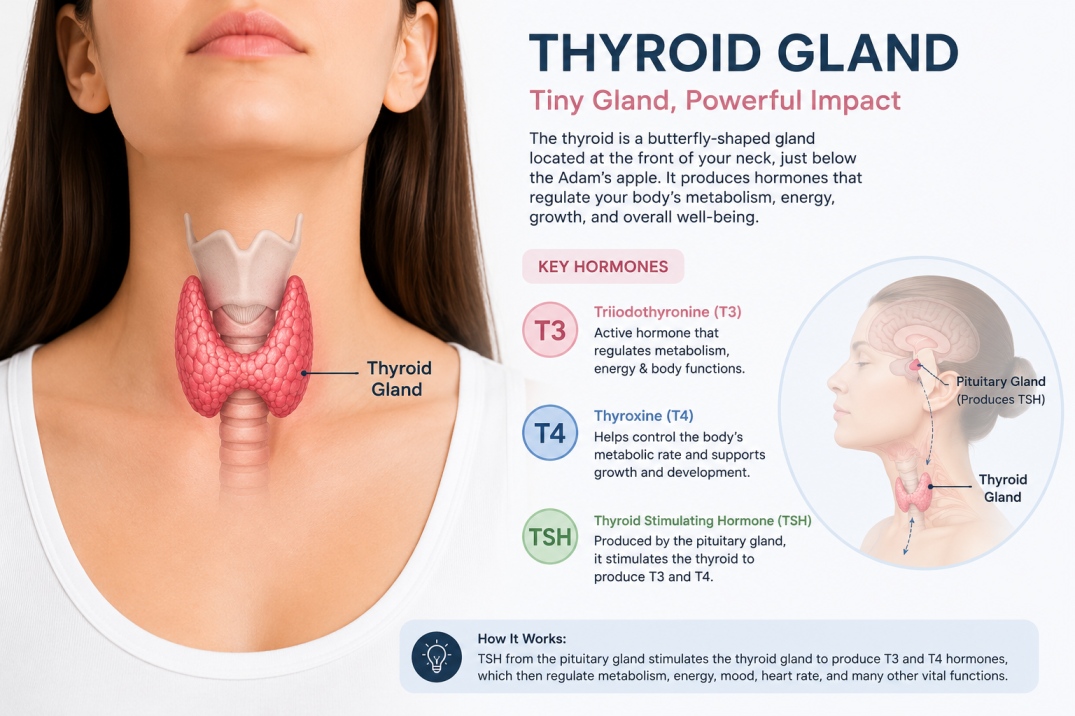
The thyroid is a small endocrine gland located at the front of the neck, just below the Adam's apple.
Although small in size, it plays a vital role in regulating many of the body's functions.
The thyroid produces two primary hormones:
Triiodothyronine (T3)
Thyroxine (T4)
These hormones influence:
Metabolism
Energy production
Heart rate
Body temperature
Digestion
Brain function
Muscle function
Cholesterol metabolism
Growth and development
The production of thyroid hormones is regulated by Thyroid Stimulating Hormone (TSH), which is released by the pituitary gland in the brain.
When thyroid hormone levels fall, the pituitary gland releases more TSH to stimulate the thyroid. When hormone levels are adequate, TSH production decreases.
Maintaining this balance is essential for overall health.https://www.thyroid.org
How Does the Thyroid Affect Weight?
The thyroid helps regulate your basal metabolic rate (BMR)—the number of calories your body burns while at rest.
When thyroid hormone levels are normal:
Calories are burned efficiently.
Energy production remains balanced.
Body temperature is regulated.
Nutrient metabolism functions normally.
When thyroid hormone production decreases:
Metabolism slows.
Fewer calories are burned.
Energy expenditure decreases.
Fatigue increases.
Physical activity often decreases.
Mild fluid retention may occur.
These factors can contribute to gradual weight gain and make weight loss more challenging.
However, thyroid disorders usually account for only a modest amount of weight gain, and other factors such as diet, activity level, sleep, stress, age, and genetics also play important roles.
What Is Hypothyroidism?
Hypothyroidism occurs when the thyroid gland does not produce enough thyroid hormones to meet the body's needs.
It is one of the most common thyroid disorders worldwide and is more common in women than men.
Common causes include:
Hashimoto's thyroiditis (an autoimmune condition)
Iodine deficiency
Thyroid surgery
Radioactive iodine treatment
Certain medications
Congenital thyroid disorders
Pituitary disorders (less common)
Because thyroid hormones regulate metabolism, insufficient hormone production can affect many body systems.
How Hypothyroidism Contributes to Weight Gain
Many people assume hypothyroidism directly causes severe obesity.
In reality, the relationship is more complex.
Weight gain associated with hypothyroidism usually results from several factors working together.
1. Slower Metabolism
Lower thyroid hormone levels reduce resting energy expenditure.
This means the body burns fewer calories throughout the day.
2. Reduced Physical Activity
Fatigue and muscle weakness often reduce daily movement and exercise participation.
Lower activity further decreases calorie expenditure.
3. Fluid Retention
Hypothyroidism may cause the body to retain more water and sodium.
Some weight gain is therefore related to fluid rather than increased body fat.
4. Increased Fatigue
Low energy levels can make meal preparation, exercise, and healthy lifestyle habits more difficult to maintain.
5. Hormonal Changes
Thyroid hormones interact with several other hormones involved in metabolism and appetite regulation.
Disruptions in these interactions may indirectly influence body weight.
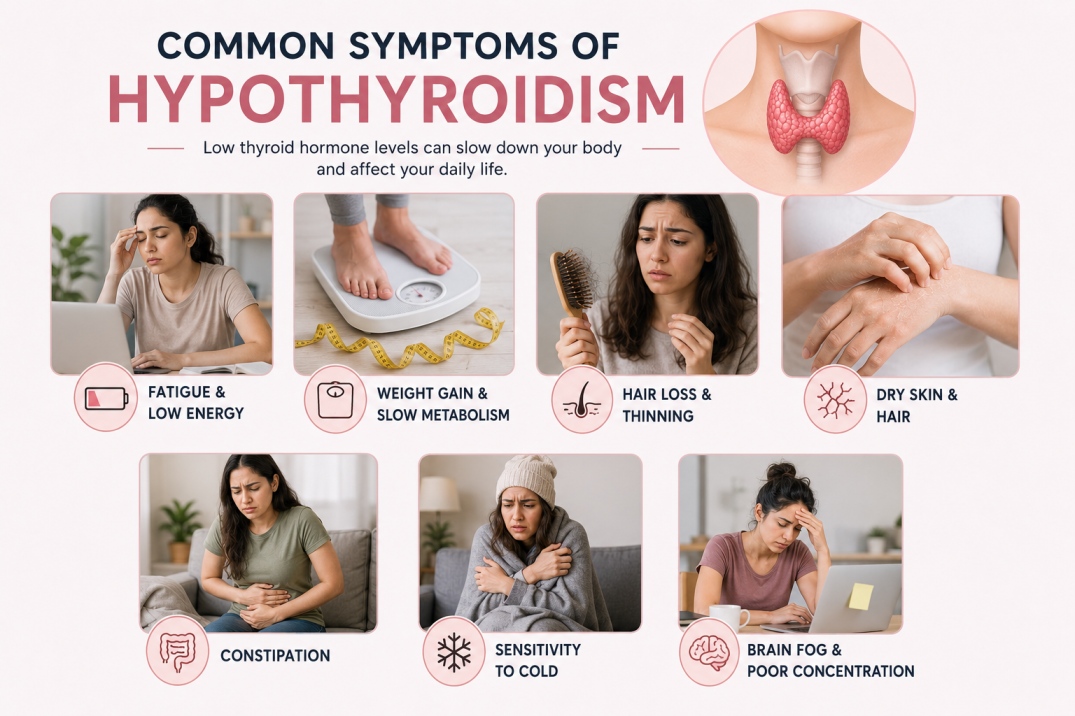
Common Symptoms of Hypothyroidism
Symptoms often develop gradually and may be mistaken for normal aging or everyday stress.
Common symptoms include:
Metabolic Symptoms
Unexplained weight gain
Difficulty losing weight
Slower metabolism
Increased sensitivity to cold
Elevated cholesterol
Energy Symptoms
Fatigue
Low energy
Weakness
Reduced exercise tolerance
Skin and Hair
Dry skin
Hair thinning
Hair loss
Brittle nails
Digestive Symptoms
Constipation
Slower digestion
Bloating
Mental and Emotional Symptoms
Depression
Brain fog
Poor concentration
Memory difficulties
Mood changes
Reproductive Symptoms
Women may experience:
Irregular menstrual cycles
Heavy periods
Fertility challenges
When Should You See a Doctor?
You should consult a healthcare professional if you experience persistent symptoms such as:
Unexplained weight gain
Constant fatigue
Feeling unusually cold
Hair loss
Dry skin
Constipation
Swelling in the neck
Irregular menstrual cycles
Difficulty losing weight despite healthy habits
A healthcare provider may recommend blood tests to evaluate thyroid function and determine whether treatment is needed.
Diagnosis of Thyroid Disorders
If you have symptoms such as unexplained weight gain, fatigue, hair loss, constipation, or difficulty losing weight despite healthy lifestyle habits, your healthcare provider may recommend thyroid function tests.
Diagnosing thyroid disorders involves a combination of:
Medical history
Physical examination
Blood tests
Sometimes thyroid imaging (if required)
Early diagnosis allows timely treatment and can help improve symptoms while supporting healthy weight management.
Understanding TSH, T3, and T4
Thyroid function is primarily evaluated using three hormones.
1. Thyroid Stimulating Hormone (TSH)
TSH is produced by the pituitary gland and signals the thyroid to produce hormones.
Generally:
High TSH → Often suggests hypothyroidism (underactive thyroid)
Low TSH → May suggest hyperthyroidism (overactive thyroid)
TSH is usually the first test ordered to assess thyroid function.
2. Thyroxine (T4)
T4 is the primary hormone produced by the thyroid gland.
Most T4 is converted into T3 within body tissues.
Low Free T4 together with elevated TSH commonly indicates primary hypothyroidism.
3. Triiodothyronine (T3)
T3 is the active thyroid hormone that directly influences metabolism.
Although T3 testing is useful in certain situations, TSH and Free T4 are generally more important for diagnosing hypothyroidism.
Additional Tests That May Be Recommended
Depending on your symptoms, your healthcare provider may also recommend:
Thyroid Antibody Tests
These help diagnose autoimmune thyroid disorders such as Hashimoto's thyroiditis, the most common cause of hypothyroidism.
Examples include:
Anti-TPO antibodies
Anti-thyroglobulin antibodies
Thyroid Ultrasound
An ultrasound may be performed if:
A thyroid lump is detected
The thyroid gland appears enlarged
Nodules are suspected
Can Treating Hypothyroidism Help with Weight Loss?
Treating hypothyroidism with prescribed thyroid hormone replacement helps restore normal thyroid hormone levels.
As thyroid function improves, many people notice:
Better energy
Improved metabolism
Reduced fatigue
Better exercise tolerance
Less fluid retention
However, treatment alone is unlikely to produce significant weight loss.
Successful weight management still depends on:
Balanced nutrition
Portion control
Physical activity
Quality sleep
Stress management
Consistency
Think of thyroid treatment as creating the right foundation for healthy weight management—not as a standalone weight-loss solution.
Best Diet for Thyroid and Weight Loss
There is no single "thyroid diet" that cures hypothyroidism. The best eating pattern is one that provides adequate nutrients, supports thyroid function, and promotes a healthy body weight.https://wellorafit.com/services/nutrition-diet-planning/
A thyroid-friendly diet should include:
Lean protein
High-fiber foods
Whole grains
Healthy fats
Fruits
Vegetables
Adequate hydration
The goal is to reduce inflammation, support overall health, and maintain a sustainable calorie intake if weight loss is desired.
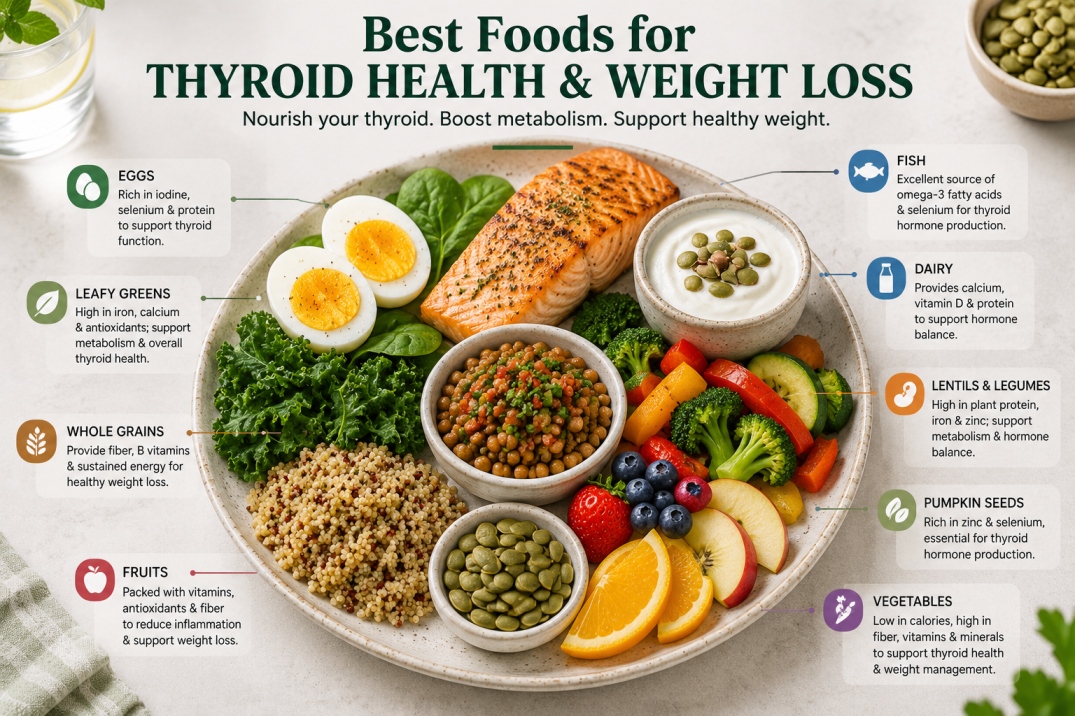
Best Foods for Thyroid Health
1. Lean Protein
Protein helps preserve muscle mass, supports satiety, and assists healthy metabolism.
Good choices include:
Vegetarian
Paneer
Tofu
Greek yogurt
Low-fat milk
Lentils
Chickpeas
Soy chunks
Kidney beans
Non-Vegetarian
Eggs
Chicken breast
Fish
Turkey
Aim to include protein with every meal.
2. Whole Grains
Whole grains provide fiber, vitamins, and minerals.
Healthy options include:
Oats
Brown rice
Whole wheat
Millets
Quinoa
Barley
These foods support digestive health and improve satiety.
3. Fruits and Vegetables
Eat a wide variety of colorful produce.
Examples include:
Apples
Berries
Citrus fruits
Papaya
Leafy greens
Broccoli
Carrots
Bell peppers
Pumpkin
Tomatoes
These foods provide antioxidants that support overall health.
4. Healthy Fats
Include moderate amounts of:
Almonds
Walnuts
Flaxseeds
Chia seeds
Olive oil
Avocado
Healthy fats support hormone production and heart health.
Important Nutrients for Thyroid Health
Certain nutrients play essential roles in normal thyroid function.
Iodine
Iodine is required to produce thyroid hormones.
Good sources include:
Iodized salt
Dairy products
Seafood
Eggs
However, more iodine is not always better. Excess iodine intake may worsen some thyroid conditions, especially autoimmune thyroid disease. Avoid taking iodine supplements unless recommended by your healthcare provider.
Selenium
Selenium helps convert T4 into the active hormone T3 and supports antioxidant defenses.
Food sources:
Brazil nuts (very small amounts)
Eggs
Fish
Chicken
Whole grains
Sunflower seeds
Zinc
Zinc supports thyroid hormone production and immune function.
Sources include:
Pumpkin seeds
Chickpeas
Lentils
Meat
Dairy
Cashews
Iron
Iron deficiency can affect thyroid hormone production and is common in women with heavy menstrual bleeding.
Iron-rich foods:
Spinach
Lentils
Beans
Lean meat
Pumpkin seeds
Pair plant-based iron sources with vitamin C-rich foods to improve absorption.
Vitamin D
Many individuals with autoimmune thyroid disorders have low vitamin D levels.
Sources include:
Sunlight exposure
Fortified dairy
Eggs
Fatty fish
Supplements should only be taken if recommended after testing.
Foods to Eat in Moderation
Some foods are often labeled as "bad" for thyroid health, but for most people they do not need to be completely avoided.
Cruciferous Vegetables
Examples:
Broccoli
Cabbage
Cauliflower
Kale
Brussels sprouts
These vegetables are highly nutritious and safe for most people when eaten in normal amounts, particularly when cooked. Cooking reduces compounds that may interfere with iodine uptake.
Soy Foods
Examples:
Tofu
Soy milk
Edamame
Soy chunks
Soy does not cause hypothyroidism in people with adequate iodine intake.
However, soy may reduce the absorption of thyroid medication if consumed too close to the dose.
Take thyroid medication on an empty stomach and wait at least 30–60 minutes before eating. If you consume large amounts of soy, discuss timing with your healthcare provider.
Foods to Limit
For overall health and weight management, limit:
Sugary drinks
Deep-fried foods
Processed snacks
Refined sweets
Highly processed meats
Excess alcohol
Excess added sugars
These foods do not directly cause hypothyroidism but may contribute to excess calorie intake and poorer cardiometabolic health.
Sample Thyroid-Friendly Meal Plan
Breakfast
Vegetable oats cooked in milk
One boiled egg or tofu scramble
One fruit
Mid-Morning Snack
Greek yogurt
Mixed berries
Chia seeds
Lunch
Grilled chicken or paneer
Brown rice or millet
Mixed vegetables
Salad
Evening Snack
Roasted chana
OR
Apple with a handful of almonds
Dinner
Dal
Whole wheat chapati
Seasonal vegetables
Low-fat curd
Bedtime (Optional)
Warm milk
OR
Plain Greek yogurt
Common Nutrition Mistakes in Hypothyroidism
1. Following Crash Diets
Extremely low-calorie diets can reduce energy levels and make long-term weight management more difficult.
Choose sustainable eating habits instead.
2. Eliminating Entire Food Groups
Many people unnecessarily eliminate:
Carbohydrates
Dairy
Gluten
Fruits
Unless medically indicated (such as diagnosed celiac disease), these restrictions are usually unnecessary.
3. Ignoring Protein
Protein helps preserve muscle mass and supports fullness.
Include protein at every meal.
4. Taking Supplements Without Medical Advice
Avoid taking iodine, selenium, or herbal thyroid supplements unless recommended by a healthcare professional, as excessive intake may be harmful.
5. Skipping Thyroid Medication
Thyroid medication works best when taken consistently as prescribed. Do not stop or adjust your medication without consulting your healthcare provider.
Exercise and Thyroid: Why Physical Activity Matters
Exercise is one of the most effective lifestyle strategies for managing weight with hypothyroidism. While exercise cannot cure thyroid disease, it can improve energy levels, preserve muscle mass, increase calorie expenditure, and support overall physical and mental well-being.
Many people with hypothyroidism feel too tired to exercise, especially before their thyroid hormone levels are well controlled. The key is to start gradually and increase activity as your energy improves.
When combined with appropriate thyroid treatment and balanced nutrition, regular exercise can make weight management more achievable.
Benefits of Exercise for People with Hypothyroidism
Regular physical activity may help:
Increase daily calorie expenditure
Preserve lean muscle mass
Improve metabolism
Reduce fatigue over time
Improve insulin sensitivity
Support heart health
Strengthen bones
Improve mood
Reduce stress
Enhance sleep quality
Consistency is more important than intensity.
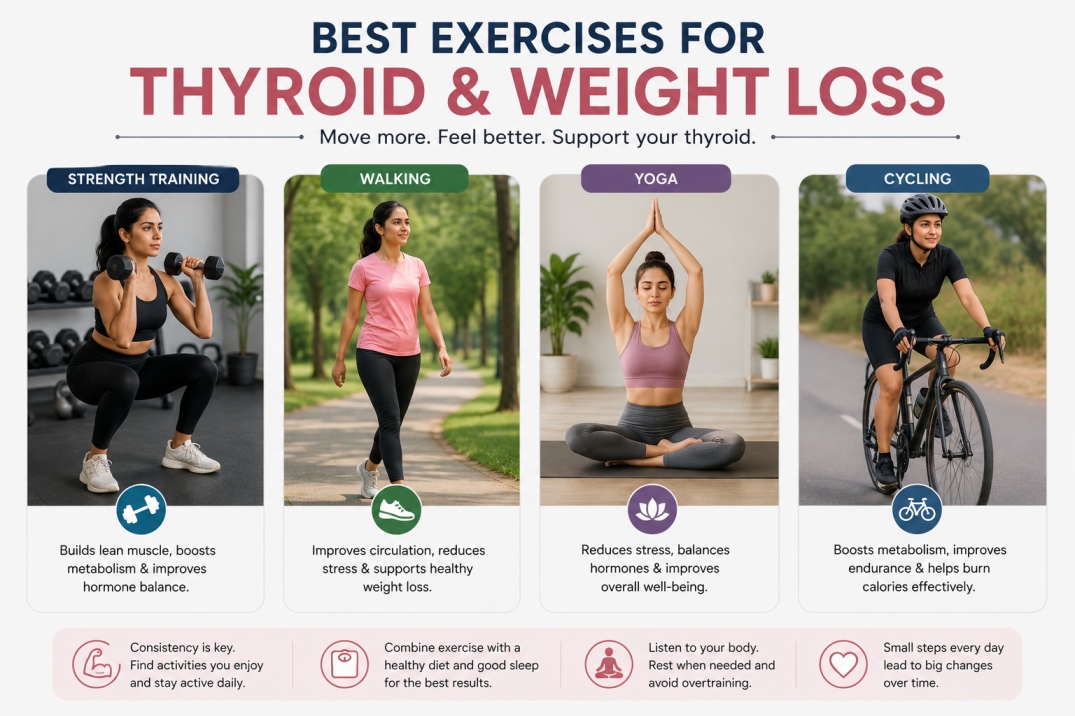
Best Types of Exercise for Thyroid and Weight Loss
A combination of strength training, cardiovascular exercise, and flexibility training provides the greatest health benefits.https://wellorafit.com/services/fitness-training/
1. Strength Training
Strength training is especially valuable because it helps preserve and build muscle.
More muscle means:
Higher resting metabolic rate
Better body composition
Improved strength
Easier daily activities
Examples include:
Squats
Lunges
Push-ups
Resistance bands
Dumbbell exercises
Bodyweight workouts
Machine exercises
Aim for:
2–3 sessions per week
2. Walking
Walking is one of the safest and most accessible forms of exercise.
Benefits include:
Burns calories
Improves circulation
Supports heart health
Reduces stress
Improves energy levels
Aim for:
7,000–10,000 steps daily, depending on your fitness level.
3. Moderate Cardio
Cardiovascular exercise supports calorie expenditure and cardiovascular health.
Examples:
Cycling
Swimming
Brisk walking
Dancing
Elliptical training
Light jogging (if tolerated)
Aim for:
150–300 minutes per week of moderate-intensity aerobic activity.
4. Yoga
Yoga may not burn many calories, but it offers several important benefits.
Potential benefits:
Reduces stress
Improves flexibility
Supports mobility
Improves balance
Promotes relaxation
May reduce fatigue in some individuals
5. Stretching and Mobility Exercises
These help:
Improve joint movement
Reduce stiffness
Improve posture
Support recovery
Even 10–15 minutes daily can improve flexibility and movement.
Can Hypothyroidism Cause Belly Fat?
Many people with hypothyroidism notice increased abdominal weight and wonder whether the thyroid specifically causes belly fat.
Hypothyroidism may contribute indirectly because it can:
Reduce calorie expenditure
Lower physical activity due to fatigue
Promote mild fluid retention
Affect appetite and eating habits
However, belly fat is influenced by many factors, including:
Overall calorie intake
Physical activity
Sleep quality
Stress
Age
Genetics
Hormonal changes (such as menopause or insulin resistance)
Treating hypothyroidism alone does not specifically target abdominal fat. A balanced diet, regular exercise, stress management, and adequate sleep remain the most effective strategies.
Sleep and Thyroid Health
People with hypothyroidism often experience:
Fatigue
Poor sleep quality
Daytime sleepiness
Low energy
Poor sleep can make weight management even more challenging.
Lack of sleep may:
Increase hunger hormones
Reduce fullness hormones
Increase cravings
Lower motivation for exercise
Increase stress hormone levels
Healthy Sleep Habits
Aim for 7–9 hours each night.
Maintain a consistent bedtime.
Limit caffeine late in the day.
Avoid heavy meals before bedtime.
Reduce screen exposure before sleeping.
Keep your bedroom cool, dark, and quiet.
Good sleep supports hormone balance and healthy weight management.
Stress, Cortisol, and Thyroid Health
Living with a chronic condition can increase stress, and chronic stress may make healthy lifestyle habits more difficult to maintain.
Although stress does not directly cause hypothyroidism, long-term stress may contribute to:
Emotional eating
Reduced physical activity
Poor sleep
Higher cortisol levels
Weight gain over time
Managing stress is an important part of overall health.
Healthy Ways to Reduce Stress
Try incorporating one or more of these habits into your routine:
Meditation
Deep breathing exercises
Yoga
Walking outdoors
Journaling
Reading
Listening to music
Spending time with family and friends
Practicing hobbies
Even 10–20 minutes of relaxation each day can improve mental well-being.
Can People with Hypothyroidism Lose Weight?
Yes.
Many people believe that weight loss is impossible with hypothyroidism, but this is a misconception.
Weight loss may be slower for some individuals, especially if hypothyroidism is untreated. However, with proper medical care and healthy lifestyle habits, achieving and maintaining a healthy weight is entirely possible.
Successful weight management usually involves:
Taking thyroid medication as prescribed
Following a balanced calorie-controlled diet when appropriate
Eating adequate protein
Choosing high-fiber foods
Exercising regularly
Getting enough sleep
Managing stress
Monitoring progress consistently
Patience is essential. Healthy weight loss is gradual, even for people without thyroid disease.
Common Myths About Thyroid and Weight Loss
Myth 1: Thyroid disease is the only reason I can't lose weight.
Fact
Hypothyroidism can contribute to weight gain and make weight loss more challenging, but factors such as diet, physical activity, sleep, medications, stress, and genetics also play significant roles.
Myth 2: Taking thyroid medication alone will make me lose weight.
Fact
Thyroid hormone replacement treats hypothyroidism by restoring normal hormone levels. It is not a weight-loss medication, and most people still need healthy lifestyle habits to lose excess body fat.
Myth 3: Everyone with hypothyroidism should avoid gluten.
Fact
Gluten-free diets are only necessary for individuals with celiac disease or medically confirmed gluten sensitivity. Routine gluten avoidance is not recommended for everyone with hypothyroidism.
Myth 4: Eating more iodine will cure hypothyroidism.
Fact
Iodine is essential for thyroid hormone production, but excessive iodine intake can worsen certain thyroid disorders, particularly autoimmune thyroid disease. Supplements should only be taken under medical supervision.
Myth 5: You should never eat broccoli or cabbage if you have hypothyroidism.
Fact
Cooked cruciferous vegetables can be part of a healthy diet for most people with hypothyroidism. They are nutritious and safe when consumed in normal amounts.
Scientific Evidence on Thyroid and Weight Loss
Research shows that thyroid hormones play an important role in regulating metabolism, energy expenditure, and body weight. However, the relationship between hypothyroidism and obesity is complex.
Current evidence indicates:
Untreated hypothyroidism can contribute to modest weight gain, often due to reduced metabolism and fluid retention.
Thyroid hormone replacement improves metabolic function when hormone levels are restored to normal.
Most people do not experience substantial weight loss from thyroid treatment alone.
Combining appropriate medical therapy with balanced nutrition and regular exercise is the most effective strategy for long-term weight management.
Strength training helps preserve muscle mass, which supports metabolic health during weight loss.
Maintaining realistic expectations and focusing on sustainable habits leads to better long-term outcomes than relying on quick fixes.
Daily Habits for Healthy Weight Management with Hypothyroidism
Morning
Take thyroid medication exactly as prescribed, typically on an empty stomach.
Wait the recommended time before eating breakfast or drinking coffee if advised by your healthcare provider.
Eat a protein-rich breakfast.
Stay hydrated.
Throughout the Day
Include vegetables at every meal.
Eat adequate protein.
Choose whole grains instead of refined grains.
Stay physically active.
Drink enough water.
Take short walking breaks if you sit for long periods.
Evening
Eat a balanced dinner.
Avoid frequent late-night snacking.
Practice stress-reducing activities.
Prepare for a consistent bedtime routine.
Healthy Thyroid Lifestyle Checklist
✔ Take thyroid medication consistently as prescribed.
✔ Attend regular follow-up appointments.
✔ Eat a balanced, nutrient-rich diet.
✔ Include protein with every meal.
✔ Consume plenty of vegetables and fruits.
✔ Exercise at least 150 minutes per week.
✔ Strength train 2–3 times weekly.
✔ Sleep 7–9 hours each night.
✔ Manage stress effectively.
✔ Avoid crash diets and unrealistic weight-loss expectations.
Key Takeaways
The thyroid gland plays a vital role in regulating metabolism, energy production, and body weight.
Hypothyroidism can contribute to modest weight gain, fatigue, and difficulty losing weight, but it is rarely the only cause of obesity.
Proper diagnosis through TSH, Free T4, and other recommended tests is essential before starting treatment.
Thyroid hormone replacement therapy helps restore normal thyroid function but is not a weight-loss medication.
A balanced diet rich in protein, fiber, healthy fats, fruits, and vegetables supports both thyroid health and sustainable weight management.
Regular strength training, aerobic exercise, quality sleep, and stress management are key components of healthy weight loss with hypothyroidism.
Most people with well-managed hypothyroidism can successfully lose weight through consistent lifestyle changes and appropriate medical care.
Long-term success depends on sustainable habits rather than restrictive diets or quick fixes.
Conclusion
Being diagnosed with hypothyroidism can make weight management more challenging, but it does not mean that weight loss is impossible. Understanding how thyroid hormones affect metabolism is the first step toward setting realistic expectations and creating a sustainable health plan.
While hypothyroidism may slow metabolism, increase fatigue, and contribute to modest weight gain, successful weight loss is still achievable with the right combination of medical treatment and healthy lifestyle habits. Taking thyroid medication exactly as prescribed, following a balanced nutrient-rich diet, staying physically active, getting enough sleep, and managing stress all work together to support long-term success.
It's also important to remember that there is no special "thyroid diet" or miracle supplement that can cure hypothyroidism or produce rapid weight loss. Instead, focusing on whole foods, adequate protein, fiber-rich carbohydrates, healthy fats, and consistent physical activity provides the strongest foundation for overall health and sustainable weight management.
Every person's thyroid journey is different. Progress may be slower for some individuals, but slow and steady improvements are often more sustainable than rapid weight-loss approaches. Working closely with your healthcare provider and registered dietitian can help you develop a personalized plan that supports your thyroid health while helping you reach your weight-loss goals safely.
With patience, consistency, and evidence-based care, people with hypothyroidism can improve their energy, support a healthy metabolism, and achieve lasting weight management.
Frequently Asked Questions (FAQ Schema)
1. Can hypothyroidism make it difficult to lose weight?
Yes. Hypothyroidism can slow metabolism, reduce energy levels, and contribute to modest weight gain, making weight loss more challenging. However, with appropriate treatment and healthy lifestyle habits, most people can lose weight successfully.
2. Will thyroid medication help me lose weight?
Thyroid hormone replacement medication restores normal thyroid hormone levels and treats hypothyroidism, but it is not a weight-loss medication. Most people still need a balanced diet, regular exercise, and healthy lifestyle habits to lose excess body fat.
3. What is the best diet for thyroid and weight loss?
The best diet includes:
Lean protein
Whole grains
Fruits
Vegetables
Healthy fats
High-fiber foods
Adequate hydration
There is no single thyroid-specific diet proven to cure hypothyroidism.
4. Which foods support thyroid health?
Foods rich in iodine, selenium, zinc, iron, and protein can support normal thyroid function when consumed as part of a balanced diet.
Examples include:
Eggs
Fish
Dairy
Lentils
Beans
Pumpkin seeds
Whole grains
Leafy vegetables
5. Should I avoid broccoli and cabbage if I have hypothyroidism?
No. Cooked cruciferous vegetables such as broccoli, cabbage, cauliflower, and kale are safe for most people with hypothyroidism when eaten in normal amounts as part of a balanced diet.
6. Can people with hypothyroidism exercise safely?
Yes. Most people with well-controlled hypothyroidism can safely participate in regular physical activity. A combination of strength training, walking, and moderate aerobic exercise supports both thyroid health and weight management.
7. Is iodine supplementation necessary for hypothyroidism?
Not usually. Most people receive enough iodine from their diet. Excess iodine may worsen certain thyroid conditions, particularly autoimmune thyroid disease. Iodine supplements should only be taken under medical supervision.
8. How long does it take to lose weight with hypothyroidism?
Weight loss varies from person to person. Once thyroid hormone levels are well controlled, healthy weight loss generally follows the same gradual pace recommended for most adults, depending on diet, physical activity, and overall health.
9. Can stress affect thyroid health?
Chronic stress does not directly cause hypothyroidism, but it can affect sleep, eating habits, and overall well-being, making weight management more difficult. Managing stress is an important part of a healthy lifestyle.
10. Can hypothyroidism be cured?
Many causes of hypothyroidism are chronic and require lifelong treatment. Although it often cannot be cured, it can usually be managed effectively with appropriate medication and regular medical follow-up.
Ready to Begin Your Health Journey?
Get a personalized, medically guided plan built around your unique biology.