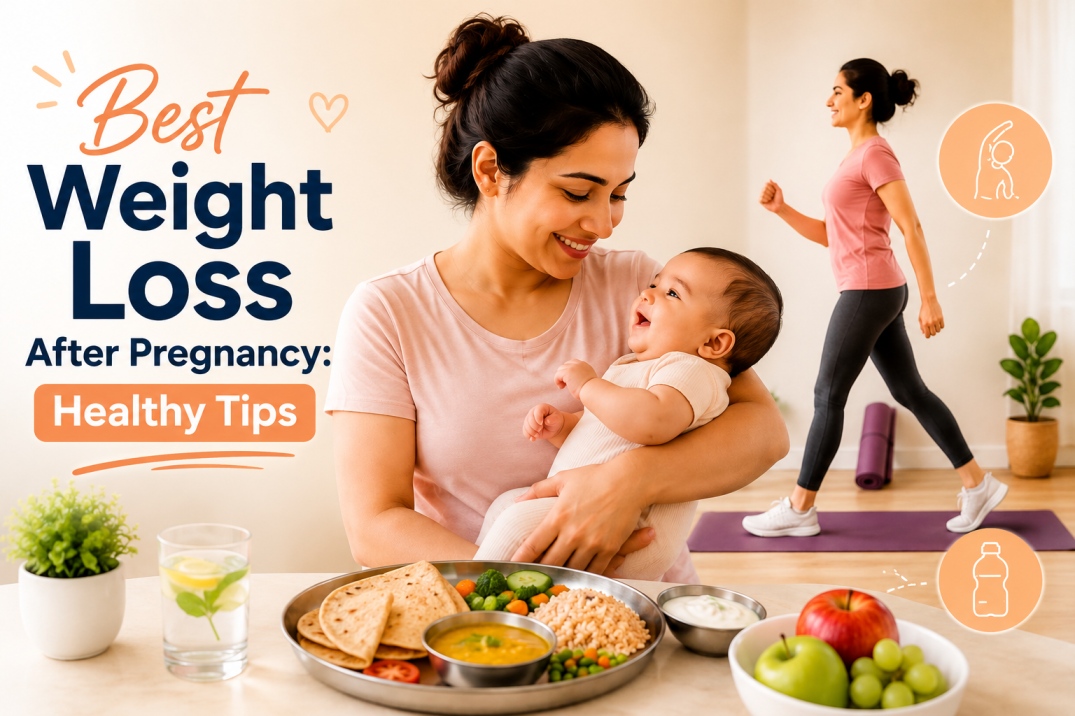
Best Weight Loss After Pregnancy: Healthy Tips
Pregnancy brings significant physical and hormonal changes to the body. After delivery, many women naturally want to return to their pre-pregnancy weight, but postpartum weight loss is not something that needs to happen immediately.
The postpartum period is primarily a time for recovery, nourishment, healing, and adjusting to life with a newborn.
Some women lose part of their pregnancy weight naturally after delivery, while others retain additional weight for months or longer. Factors such as pregnancy weight gain, food intake, physical activity, sleep, breastfeeding, stress, genetics, and the type of delivery can all influence postpartum weight changes.
A healthy approach to weight loss after pregnancy should therefore focus on gradual, sustainable lifestyle changes rather than restrictive diets or rapid weight-loss methods.
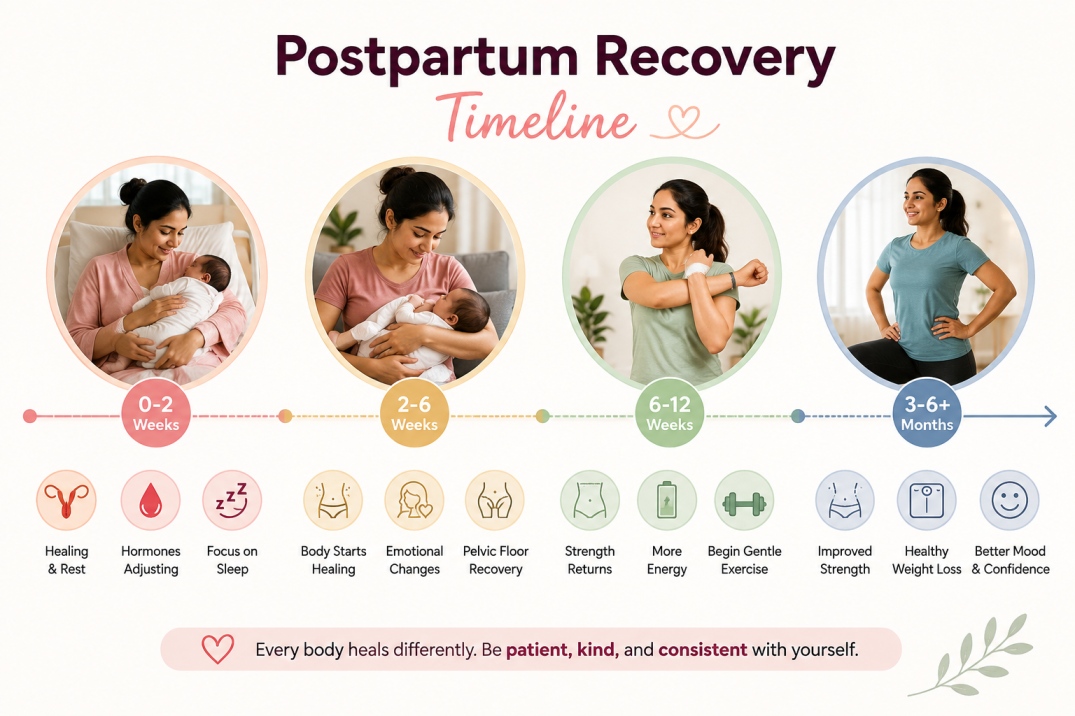
ACOG recommends allowing time for recovery and encourages women to work toward their pre-pregnancy weight during the postpartum period; it notes that reaching pre-pregnancy weight by around 6–12 months postpartum may be a reasonable longer-term goal.https://www.acog.org
What Happens to Your Body After Pregnancy?
The body does not immediately return to its pre-pregnancy state after childbirth.
After delivery, several changes continue to occur:
Hormone levels change significantly.
The uterus gradually returns toward its pre-pregnancy size.
Fluid balance changes.
Abdominal muscles may need time to recover.
Energy and nutritional needs can remain high.
Sleep may become disrupted.
Physical activity may temporarily decrease.
These changes mean that postpartum weight can fluctuate during the first weeks and months.
Instead of expecting your body to look exactly as it did before pregnancy immediately, give yourself time to recover.https://womenshealth.gov
How Much Weight Is Normal to Retain After Pregnancy?
There is no single amount of postpartum weight retention that is considered normal for every woman.
Weight retention can be influenced by:
Pre-pregnancy weight
Weight gained during pregnancy
Genetics
Diet
Physical activity
Breastfeeding
Sleep
Stress
Number of previous pregnancies
Medical conditions
Some women may lose weight relatively quickly after delivery, while others may experience a slower change.
The rate of weight loss is less important than whether your approach supports adequate recovery and long-term health.
Why Can Losing Weight After Pregnancy Be Difficult?
Postpartum weight loss can be challenging because several factors may occur at the same time.
1. Sleep Deprivation
Newborn care can significantly disrupt sleep.
Lack of sleep can affect:
Energy levels
Appetite
Food choices
Exercise motivation
Stress
When you're exhausted, preparing a balanced meal or exercising may feel much more difficult.
2. Increased Hunger and Nutritional Needs
Your body needs adequate nutrition to recover from pregnancy and childbirth.
If you are breastfeeding, your nutritional and energy needs also remain important.
This means that aggressive calorie restriction may not be appropriate.
The focus should be on nutrient-dense foods and balanced meals, rather than simply eating as little as possible.https://wellorafit.com/services/nutrition-diet-planning/
3. Reduced Physical Activity
Immediately after delivery, activity may need to be limited depending on the type of delivery and recovery.
A cesarean birth, complications, pain, pelvic-floor symptoms, or other medical concerns may require additional recovery time.
Exercise should therefore be restarted gradually and according to individual medical guidance. ACOG notes that women who had a healthy pregnancy and uncomplicated vaginal delivery can often resume activity relatively soon, while those with a cesarean birth or complications should ask their obstetrician when it is safe.
Breastfeeding and Postpartum Weight Loss
Breastfeeding can influence postpartum energy needs and may contribute to weight changes for some women.
However, breastfeeding should not be treated as a weight-loss strategy.
The priority while breastfeeding is adequate nutrition, hydration, recovery, and supporting milk production and maternal health.
Women who are breastfeeding should avoid aggressive dieting without professional guidance.
ACOG notes that breastfeeding may help with postpartum weight loss, but evidence on the relationship between breastfeeding and postpartum weight change is not definitive.
Why Crash Diets Are Not the Answer
After pregnancy, it can be tempting to follow a very low-calorie diet to lose weight quickly.
However, rapid weight-loss approaches may be difficult to sustain and may make it harder to meet nutritional needs.
Instead of:
“How quickly can I lose the baby weight?”
Focus on:
“How can I nourish my body and gradually improve my health?”
A sustainable postpartum approach should support:
Recovery
Adequate nutrition
Muscle health
Energy
Breastfeeding needs, when applicable
Gradual weight management
Long-term healthy habits
The Importance of Postpartum Recovery
Weight loss should not come before recovery.
Your body has gone through pregnancy and childbirth, and recovery takes time.
Prioritize:
Adequate rest whenever possible
Balanced meals
Hydration
Medical follow-up
Gradual physical activity
Emotional well-being
Support from family or caregivers
ACOG describes the postpartum period as an important time for physical, mental, and emotional recovery and recommends addressing healthy eating, exercise, sleep, fatigue, and overall well-being during postpartum care.
When Can You Start Exercising After Pregnancy?
The answer depends on your pregnancy, delivery, recovery, and overall health.
After an uncomplicated vaginal delivery, some women can begin gentle activity within days, as they feel ready.
After a cesarean birth or complications, you may need to wait longer and should discuss exercise with your obstetrician.
Walking is often a practical way to gradually return to movement.
ACOG recommends gradually increasing activity and notes that even shorter sessions can be useful. For postpartum women, the general target is at least 150 minutes of moderate-intensity aerobic activity per week, when medically appropriate.
Weight Loss Should Be Gradual
Postpartum weight loss does not need to happen quickly.
A gradual approach allows you to:
Maintain adequate nutrition
Support recovery
Preserve muscle
Adjust to your new routine
Develop sustainable habits
Avoid extreme restriction
Your progress may also be affected by sleep, breastfeeding, hormones, stress, and how much support you have at home.
Instead of comparing your progress with another mother, focus on your own recovery and health.
Nutrition for Healthy Weight Loss After Pregnancy
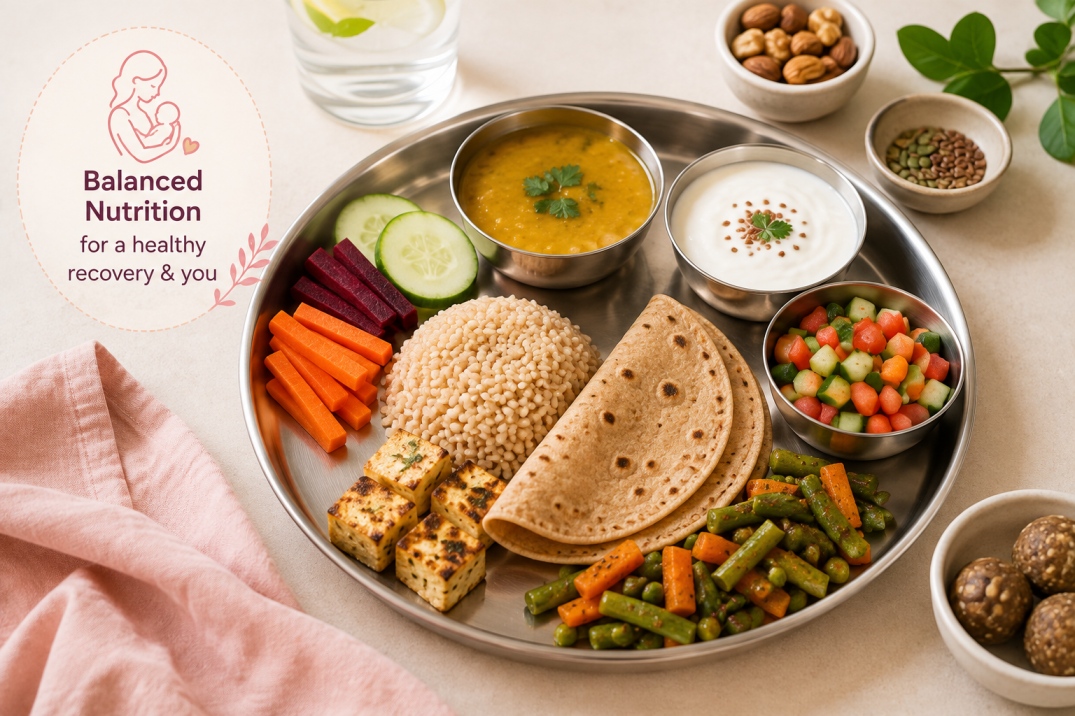
After pregnancy, nutrition should support recovery, energy, breastfeeding when applicable, and gradual weight management. The goal is not to eat as little as possible, but to provide the body with the nutrients it needs while gradually returning to healthy eating and activity patterns.
1. Focus on Nutrient-Dense Foods
Postpartum meals should provide plenty of nutrients without relying heavily on highly processed foods.
Include regularly:
Vegetables
Whole fruits
Dal and legumes
Whole grains
Milk, curd, and other dairy foods
Eggs
Paneer and tofu
Nuts and seeds
Fish or lean meat, if part of your diet
A varied diet helps provide protein, fiber, vitamins, minerals, and other nutrients needed during recovery.https://wellorafit.com/services/nutrition-diet-planning/
2. Include Protein in Every Main Meal
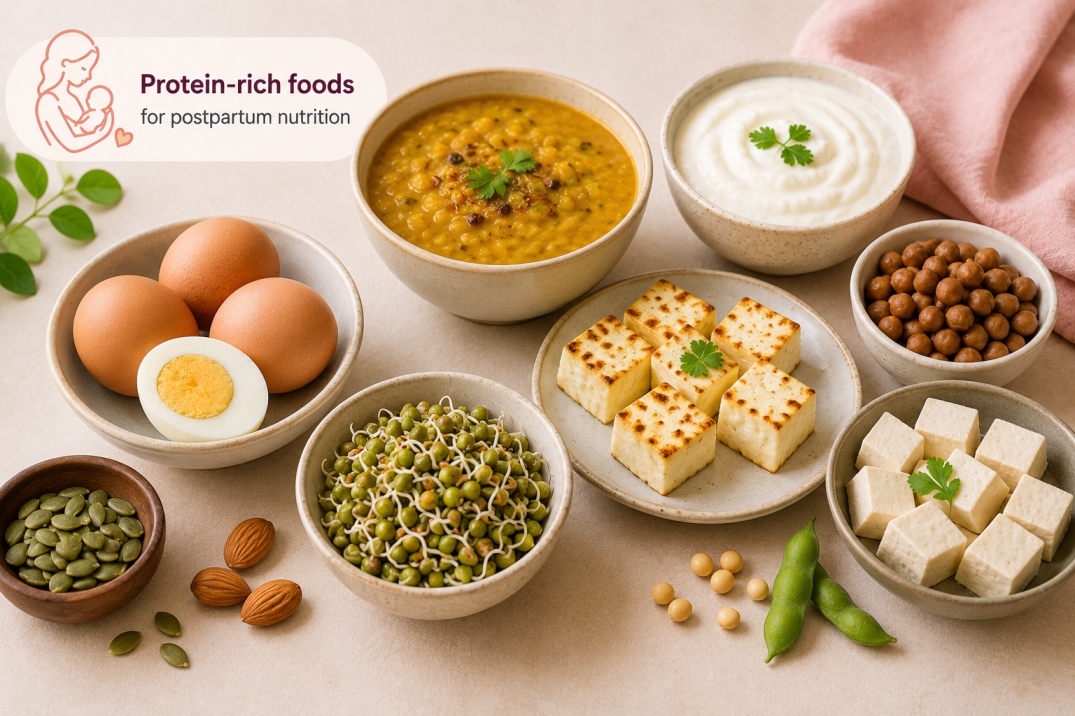
Protein is important for tissue repair and maintaining muscle.
Useful postpartum protein sources include:
Dal
Moong
Rajma
Chickpeas
Paneer
Tofu
Curd
Greek yogurt
Eggs
Fish
Chicken
Simple Meal Examples
Breakfast:
Moong dal chilla + curd
Lunch:
2 rotis + dal + vegetable sabzi + curd
Snack:
Roasted chana + fruit
Dinner:
Paneer/tofu/chicken + vegetables + roti
Including protein regularly can also help make meals more satisfying.
3. Choose Fiber-Rich Foods
Fiber can support digestive health and help meals feel more filling.
Good sources include:
Vegetables
Whole fruits
Oats
Whole-wheat foods
Millets
Dal
Beans
Chickpeas
Nuts
Seeds
Increase fiber gradually and drink adequate fluids to support digestive comfort.
4. Don't Follow a Very Low-Calorie Diet
Rapid calorie restriction can make it difficult to meet your nutritional needs after pregnancy.
This is particularly important if you are breastfeeding.
Instead of dramatically reducing food intake, focus on improving the quality and balance of your meals.
For example:
Instead of:
Skipping breakfast to reduce calories.
Try:
A balanced breakfast containing protein, fiber, and a suitable carbohydrate source.
Instead of:
Eating only salad for lunch.
Try:
Roti + dal + vegetables + curd.
The objective is balanced nutrition, not starvation.
5. Breastfeeding and Nutrition
If you are breastfeeding, your body has additional nutritional demands.
Focus on:
Adequate fluids
Protein-rich foods
Vegetables and fruits
Whole grains
Calcium-rich foods
Iron-rich foods
Healthy fats
A varied diet
Breastfeeding mothers should be cautious about aggressive dieting or eliminating major food groups without professional guidance.
Your nutritional needs can vary depending on factors such as breastfeeding frequency, activity level, health status, and overall diet.https://wellorafit.com/services/nutrition-diet-planning/
6. Stay Hydrated
Hydration is important during postpartum recovery and becomes particularly important when breastfeeding.
Simple habits include:
Keep water near your feeding area.
Carry a water bottle.
Drink water with meals.
Drink regularly throughout the day.
Choose water instead of sugary beverages.
Rather than forcing a fixed amount of water, pay attention to thirst and your individual needs.
7. Choose Healthy Snacks
New mothers may have limited time to prepare meals, making convenient snacks useful.
Keep simple options available, such as:
Fruit + nuts
Roasted chana
Curd
Greek yogurt
Boiled eggs
Makhana
Sprouts
Peanut chaat
Hummus with vegetables
Preparing a few snacks in advance can make healthy eating easier during busy days.
8. Include Iron-Rich Foods
Iron is particularly important after pregnancy, especially if significant blood loss occurred during delivery or if iron deficiency is present.
Food sources include:
Vegetarian Sources
Lentils
Rajma
Chickpeas
Soybeans
Spinach
Sesame seeds
Ragi
Non-Vegetarian Sources
Eggs
Fish
Chicken
Meat
Plant sources of iron can be combined with vitamin-C-rich foods such as lemon, guava, oranges, tomatoes, or bell peppers to support iron absorption.
If you experienced significant blood loss during delivery or have symptoms of anemia, discuss iron testing and supplementation with your healthcare professional.
9. Include Calcium-Rich Foods
Calcium supports bone health and is an important part of postpartum nutrition.
Include foods such as:
Milk
Curd
Paneer
Ragi
Sesame seeds
Calcium-fortified foods
Calcium-set tofu
If breastfeeding, maintaining adequate calcium intake remains important as part of an overall balanced diet.
10. Choose Healthy Fats
Healthy fats provide energy and help the body absorb fat-soluble vitamins.
Useful sources include:
Nuts
Seeds
Peanuts
Walnuts
Flaxseeds
Chia seeds
Sesame seeds
Vegetable oils
Avocado
These foods are nutritious but calorie-dense, so moderate portions are appropriate when weight management is a goal.
11. Don't Completely Avoid Carbohydrates
Carbohydrates are an important source of energy.
Instead of eliminating them, choose nutrient-rich sources such as:
Whole wheat
Oats
Brown rice
Millets
Barley
Potatoes
Sweet potatoes
Fruits
Legumes
The focus should be on quality, portion size, and overall meal balance.
12. Limit Highly Processed Foods
You don't need to completely eliminate sweets or packaged foods.
However, frequent consumption of foods high in added sugar, refined carbohydrates, unhealthy fats, or excess sodium can make healthy weight management more difficult.
Try to limit frequent intake of:
Sugary beverages
Packaged sweets
Deep-fried snacks
Biscuits and cakes
Highly processed snack foods
Excess fast food
Enjoying an occasional treat can still fit into an overall balanced diet.
13. Be Careful With "Postpartum Weight-Loss" Products
New mothers may come across teas, powders, supplements, detox products, or quick-weight-loss programs marketed specifically for postpartum weight loss.
Be cautious.
Products marketed as “fat burners,” “detoxes,” or rapid weight-loss solutions may not be appropriate during breastfeeding and may not have good evidence for safe postpartum weight loss.
Before taking supplements or herbal products, particularly while breastfeeding, discuss them with your healthcare professional.
14. Simple Postpartum Plate
A practical meal structure can be:
½ Plate → Vegetables
¼ Plate → Protein
¼ Plate → Whole grains or other carbohydrate source
Add curd or another suitable calcium-rich food where appropriate.
Example
2 rotis + dal + mixed vegetable sabzi + curd + salad
Or:
Controlled portion of rice + rajma + vegetables + curd
This provides a balanced meal without requiring complicated calorie counting.
15. Focus on Recovery Before Restriction
Postpartum nutrition should support your recovery.
Instead of immediately asking:
“How can I lose weight quickly?”
Ask:
“How can I nourish my body while gradually returning to a healthy routine?”
This shift can help you build sustainable habits while allowing your body time to recover.
Exercise & Lifestyle After Pregnancy
After pregnancy, returning to physical activity should be gradual and recovery-focused. The right approach depends on your pregnancy, delivery, complications, fitness level, and how your body is healing.
Weight loss should not be the only goal. Regular movement can also support strength, fitness, energy, mood, and long-term health.
1. Start With Gentle Movement
You don't need to begin with intense workouts.
For many women, gentle walking can be a practical starting point once they feel ready and their healthcare professional has not advised otherwise.
You can begin with short periods such as:
5–10 minute walks
Gentle mobility exercises
Light household movement
Short walks with the baby
Gradually increase duration and frequency as your recovery progresses.
2. Follow Your Postpartum Recovery Timeline
The appropriate time to restart exercise is different for every woman.
Your recovery may depend on:
Vaginal or cesarean delivery
Pregnancy complications
Delivery complications
Pain
Bleeding
Pelvic-floor symptoms
Overall fitness
Medical conditions
Women who had a healthy pregnancy and uncomplicated vaginal delivery can often return to activity gradually when they feel ready.
After a cesarean birth or complications, speak with your obstetrician or healthcare professional about when and how to resume exercise.
There is no need to rush your recovery.
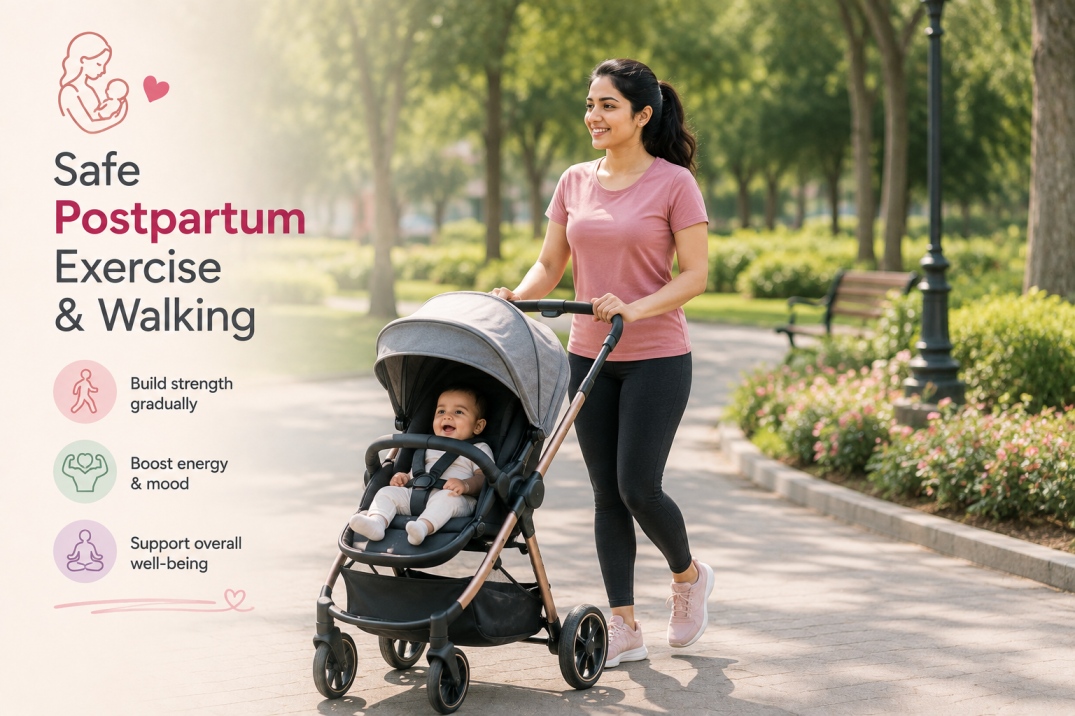
3. Gradually Increase Walking
Walking is a simple way to rebuild activity after pregnancy.
You can gradually progress:
5–10 minutes → 15 minutes → 20 minutes → 30 minutes
You don't have to complete your entire activity session at once.
For example:
10-minute morning walk
10-minute afternoon walk
10-minute evening walk
Short sessions can be easier to fit into a new mother's schedule.
4. Add Strength Training Gradually
Strength training can become an important part of postpartum fitness.
It can help support:
Muscle strength
Functional fitness
Body composition
Bone health
Daily activities such as lifting and carrying your baby
Begin with appropriate exercises and gradually increase resistance.
Possible exercises may include:
Bodyweight squats
Glute bridges
Resistance-band exercises
Light rows
Wall push-ups
Modified strength exercises
Your exercise program should be adapted to your recovery and individual needs.
5. Pay Attention to Your Core and Pelvic Floor
Pregnancy and childbirth can affect the abdominal and pelvic-floor muscles.
Some women experience:
Urine leakage
Pelvic pressure
Pelvic pain
Abdominal separation
Difficulty controlling the pelvic floor
These symptoms should not simply be ignored.
If you experience persistent pelvic-floor or abdominal symptoms, consider speaking with your healthcare professional or a qualified pelvic-floor physiotherapist.
Avoid rushing into high-impact exercise before your body is ready.
6. Don't Start With High-Intensity Workouts
It can be tempting to return immediately to intense workouts to lose pregnancy weight quickly.
However, postpartum recovery is not the time to compete with your pre-pregnancy fitness level.
Instead, progress gradually:
Gentle movement → Regular walking → Strength training → Moderate cardiovascular activity → Higher intensity when appropriate
Your body should determine the pace.
7. Combine Cardio and Strength Training
Once you're ready for regular exercise, combining different forms of activity can provide a balanced routine.
Cardiovascular Activity
Examples include:
Brisk walking
Cycling
Swimming
Dancing
Low-impact aerobic exercise
Strength Training
Examples include:
Squats
Lunges
Rows
Resistance-band exercises
Dumbbell exercises
A combination can support fitness, muscle health, and healthy weight management.
ACOG recommends gradually working toward 150 minutes of moderate-intensity aerobic activity per week during the postpartum period when medically appropriate. (acog.org)
8. Make Exercise Fit Your New Routine
Having a newborn can make traditional workout schedules difficult.
Instead of waiting for a full hour of free time, use smaller opportunities.
For example:
Walk while your baby is in the stroller.
Do a short home workout during nap time.
Take a walk after a meal.
Break a workout into shorter sessions.
Use stairs when appropriate.
The goal is to make physical activity realistic rather than perfect.
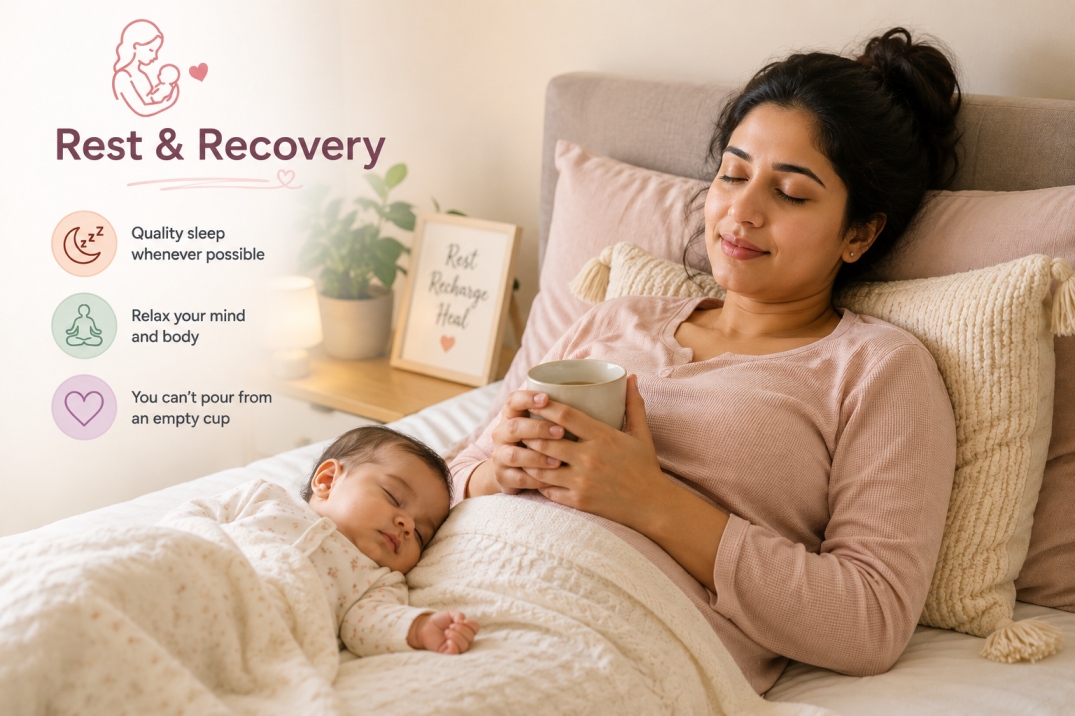
9. Prioritize Sleep and Recovery
Sleep can be one of the biggest challenges for new mothers.
Night-time feeding, newborn care, and changes in routine can make adequate sleep difficult.
When possible:
Rest when you have the opportunity.
Ask family members for support.
Avoid unnecessary late-night tasks.
Share baby-care responsibilities when possible.
Prioritize rest over trying to complete every household task.
Poor sleep can make healthy eating and exercise more difficult, so recovery should be considered part of your weight-management plan.
10. Manage Stress
The postpartum period can bring emotional and practical challenges.
Stress may affect:
Appetite
Food choices
Sleep
Energy
Motivation
Exercise consistency
Simple stress-management practices may include:
Deep breathing
Gentle walking
Meditation
Stretching
Talking with supportive people
Spending time outdoors
Asking for help
You don't need a long wellness routine.
Even a few minutes of intentional relaxation can be valuable.
11. Don't Compare Your Postpartum Body
Every pregnancy and postpartum recovery is different.
Avoid comparing:
Your weight
Your stomach
Your recovery speed
Your exercise routine
Your breastfeeding experience
with another mother's experience.
Factors such as genetics, pregnancy weight gain, delivery, sleep, breastfeeding, nutrition, and support systems can all affect postpartum recovery.
Your goal should be your own healthy recovery, not matching someone else's timeline.
12. Set Realistic Weight-Loss Goals
Instead of focusing only on losing a certain number of kilograms, set behavior-based goals.
For example:
Instead of:
“I want to lose 10 kg quickly.”
Try:
Walk regularly.
Include protein in meals.
Eat vegetables daily.
Drink water regularly.
Reduce frequent processed snacks.
Gradually return to strength training.
Improve sleep where possible.
These are behaviors you can control.
13. Track More Than Your Weight
Postpartum progress can be measured in several ways.
Consider tracking:
Energy levels
Strength
Walking duration
Exercise consistency
Waist measurement
Meal consistency
Sleep quality
Overall fitness
How your clothes fit
Weight is only one measure of recovery and progress.
Warning Signs During Exercise
Stop exercising and seek medical advice if you experience concerning symptoms such as:
Significant or increasing pain
Heavy or increasing vaginal bleeding
Dizziness or fainting
Chest pain
Difficulty breathing
Severe headache
New or worsening pelvic symptoms
Significant wound or incision problems
If you're unsure whether a particular exercise is appropriate after delivery, check with your healthcare professional.
Making Postpartum Weight Loss Sustainable
Weight loss after pregnancy should be approached as a gradual return to healthy routines, not as a race to reach a specific number on the scale.
The postpartum period brings major changes in sleep, nutrition, activity, hormones, and daily responsibilities. A successful plan needs to work within these realities.
Build a Sustainable Postpartum Routine
A realistic routine can focus on five foundations:
Balanced Nutrition → Regular Movement → Strength Recovery → Adequate Rest → Consistency
You don't need to do everything perfectly. The goal is to gradually build habits that can continue as your baby grows.
1. Create Simple Meal Routines
New mothers often have very little time for meal preparation.
Instead of complicated recipes, keep a few nutritious and convenient options available.
Easy Breakfast Options
Moong dal chilla + curd
Vegetable oats
Vegetable poha + peanuts
Besan chilla + paneer
Eggs + whole-wheat toast
Easy Lunch Options
Dal + roti + sabzi + curd
Rajma + controlled rice portion + vegetables
Paneer/tofu + roti + vegetables
Khichdi + curd + vegetables
Easy Snack Options
Fruit + nuts
Roasted chana
Curd
Boiled eggs
Makhana
Planning a few simple meals can reduce dependence on convenient processed foods during busy days.
2. Don't Skip Meals Because You're Busy
Caring for a newborn can make it easy to delay meals.
However, regularly skipping meals may leave you extremely hungry later and make balanced eating more difficult.
Try keeping easy-to-eat foods available.
For example:
Fruit + nuts
Curd + fruit
Roasted chana
Boiled eggs
Paneer sandwich
The goal is not to eat perfectly. It is to make nutritious choices easier when time is limited.
3. Gradually Increase Physical Activity
Once medically appropriate, gradually build your activity.
A possible progression could be:
Gentle movement → Walking → Longer walks → Strength training → Regular exercise routine
Your timeline may be different depending on your delivery and recovery.
Do not compare your recovery with another mother's.
4. Make Exercise Part of Daily Life
You don't always need a dedicated gym session.
Try incorporating movement into your routine:
Walk with your baby.
Take short walking breaks.
Perform simple exercises at home.
Stretch during breaks.
Use stairs when appropriate.
Break longer workouts into shorter sessions.
Small amounts of activity can make a difference when repeated consistently.
5. Prioritize Sleep and Recovery
Newborn care can make uninterrupted sleep difficult.
Rather than expecting perfect sleep, focus on getting as much rest as your circumstances allow.
Consider:
Sharing nighttime responsibilities when possible.
Asking family for help.
Resting when you have the opportunity.
Reducing unnecessary household tasks.
Prioritizing recovery over perfection.
Sleep is part of your health—not something you need to sacrifice completely to lose weight.
6. Manage Emotional Eating
The postpartum period can be emotionally demanding.
Stress, exhaustion, loneliness, and frustration may sometimes lead to eating for comfort.
Instead of judging yourself, try to identify the trigger.
Ask:
“Am I physically hungry, or am I exhausted, stressed, or overwhelmed?”
If you're not physically hungry, another form of support may help:
Take a short walk.
Talk to someone you trust.
Rest if possible.
Practice deep breathing.
Spend a few minutes outside.
Ask for help with the baby.
Food should not be the only coping strategy.
7. Set Realistic Goals
Avoid setting goals such as:
“I need to lose all my pregnancy weight in one month.”
Instead, focus on behaviors you can control:
Eat balanced meals.
Drink water regularly.
Walk consistently.
Gradually rebuild strength.
Include protein and vegetables.
Get adequate rest whenever possible.
Behavior-based goals are often easier to maintain than aggressive weight-loss targets.
8. Track Progress Beyond Weight
Postpartum progress can be measured in many ways.
Look at:
Energy levels
Strength
Walking ability
Exercise consistency
Waist measurements
Sleep quality
Meal consistency
Mood and well-being
How clothes fit
Weight is only one indicator.
Your body may also be changing through improvements in muscle, fitness, and body composition that aren't immediately visible on the scale.
9. Avoid Comparing Your Body With Others
Every postpartum journey is different.
Your weight-loss rate can be influenced by:
Pregnancy weight gain
Genetics
Delivery
Breastfeeding
Sleep
Physical activity
Nutrition
Stress
Medical conditions
Social media can create unrealistic expectations about how quickly mothers “should” recover.
Your priority should be healthy recovery rather than comparison.
When to Seek Professional Help
Speak with a healthcare professional if you experience:
Rapid or unexplained weight changes
Persistent severe fatigue
Heavy or prolonged bleeding
Significant pelvic pain
Urine or bowel-control problems
Persistent abdominal or pelvic symptoms
Difficulty returning to activity
Concerns about breastfeeding or nutrition
Ongoing feelings of sadness, anxiety, or emotional distress
A doctor, dietitian, or qualified postpartum physiotherapist can help create an individualized plan.
Key Takeaways
Postpartum weight loss should be gradual and sustainable.
Prioritize recovery before aggressive weight loss.
Build meals around protein, vegetables, whole grains, fruits, and other nutrient-rich foods.
Keep healthy convenience foods available.
Gradually return to walking and exercise when medically appropriate.
Strength training can be added as recovery progresses.
Sleep and rest are important parts of postpartum health.
Avoid extreme diets and rapid weight-loss programs.
Track progress beyond the weighing scale.
Ask for professional support when symptoms or recovery concerns arise.
Conclusion
Losing weight after pregnancy is not about getting your “old body” back as quickly as possible.
Your body has gone through pregnancy, childbirth, and a major physical and emotional transition. It deserves time, nourishment, movement, rest, and support.
Instead of focusing on rapid weight loss, build a routine that supports your recovery and fits your new life.
Eat balanced meals. Stay hydrated. Move gradually. Rebuild your strength. Rest whenever possible. Ask for help when you need it.
Most importantly, give yourself time.
Healthy postpartum weight loss is not about doing more in less time. It is about creating sustainable habits that support both your health and your life as a mother.
FAQ Schema
1. When can I start losing weight after pregnancy?
Weight loss should not be rushed immediately after delivery. The first priority is recovery, adequate nutrition, and adjusting to life with a newborn. The appropriate timing depends on your delivery, health, breastfeeding status, and recovery.
2. How long does it take to lose pregnancy weight?
There is no fixed timeline for everyone. Weight loss can vary depending on pregnancy weight gain, nutrition, activity, sleep, breastfeeding, genetics, and other factors. A gradual approach is generally more sustainable than rapid weight loss.
3. Can I lose weight while breastfeeding?
Yes, gradual weight loss may be possible while breastfeeding, but aggressive calorie restriction should be avoided. Adequate nutrition, hydration, and energy intake remain important for both mother and baby.
4. What should I eat to lose weight after pregnancy?
Focus on balanced meals containing vegetables, protein-rich foods, whole grains, fruits, legumes, healthy fats, and adequate fluids. The goal is nutrient-dense eating rather than severe food restriction.
5. Can breastfeeding help with postpartum weight loss?
Breastfeeding increases energy demands and may contribute to postpartum weight changes for some women, but it should not be relied upon as a weight-loss method. Individual results vary.
6. What exercise is best after pregnancy?
Walking is often a practical starting point once you are medically ready. You can gradually progress to strength training and other cardiovascular activities according to your recovery and healthcare professional's advice.
7. How can I lose belly fat after pregnancy?
There is no reliable way to specifically target belly fat. Focus on gradual overall weight management, balanced nutrition, regular movement, strength training, adequate sleep, and recovery.
8. Why am I not losing weight after pregnancy?
Postpartum weight changes can be influenced by sleep deprivation, nutrition, physical activity, breastfeeding, stress, hormones, medications, and medical conditions. If weight changes are unexplained or concerning, speak with a healthcare professional.
9. Should I follow a strict postpartum diet?
A highly restrictive diet is generally not necessary. A balanced eating pattern that supports recovery and nutritional needs is more appropriate, particularly while breastfeeding.
10. When should I seek professional help for postpartum weight loss?
Speak with a healthcare professional if you experience rapid or unexplained weight changes, significant fatigue, persistent pain, heavy bleeding, pelvic-floor problems, breastfeeding concerns, or emotional symptoms that interfere with daily life.
Ready to Begin Your Health Journey?
Get a personalized, medically guided plan built around your unique biology.