Weight Loss Medications: Complete Guide
Weight Loss Medications Explained: A Complete Guide to Safe, Effective, and Doctor-Supervised Treatment
When people struggle to lose weight, they are often advised to "eat less and exercise more." While healthy eating and physical activity remain the foundation of weight management, this advice alone does not work for everyone.
Many people live with obesity, a complex, chronic medical condition influenced by genetics, hormones, metabolism, lifestyle, medications, sleep, stress, and environmental factors. For these individuals, losing weight is not simply about willpower—it often requires medical support.
In recent years, weight loss medications have transformed obesity treatment. Newer medicines, especially GLP-1 receptor agonists and dual GIP/GLP-1 receptor agonists, have demonstrated significant weight loss in clinical trials when combined with healthy lifestyle changes. These medications help regulate appetite, improve feelings of fullness, and support better blood sugar control, making sustainable weight management more achievable for many people.
However, weight loss medications are not miracle drugs. They work best as part of a comprehensive program that includes balanced nutrition, regular physical activity, adequate sleep, stress management, and ongoing medical supervision. They are also not appropriate for everyone, and each medication has specific benefits, risks, and eligibility criteria.
Understanding how these medications work, who they are designed for, and what results to realistically expect can help you make informed decisions alongside your healthcare provider. https://www.who.int
In this comprehensive guide, you'll learn:
What weight loss medications are
Who should consider prescription treatment
How different medications work
FDA-approved treatment options
Expected weight loss results
Benefits beyond weight loss
Possible side effects and safety concerns
Lifestyle habits that improve results
Common myths and misconceptions
Frequently asked questions about weight loss medications
Whether you're considering medication for yourself or simply want to understand the latest advances in obesity treatment, this guide will provide evidence-based information to help you navigate your options safely.
What Are Weight Loss Medications?
Weight loss medications, also called anti-obesity medications (AOMs) or prescription weight management medications, are medicines designed to help individuals lose weight by addressing the biological processes that regulate hunger, appetite, satiety, metabolism, and energy balance.
Unlike over-the-counter weight loss supplements, prescription medications undergo extensive clinical testing to evaluate their safety and effectiveness before receiving regulatory approval.
These medications are intended to support—not replace—healthy lifestyle changes. They are typically prescribed as part of a comprehensive weight management program that includes:
Individualized nutrition counseling
Regular physical activity
Behavioral modification
Sleep optimization
Stress management
Ongoing medical monitoring
The primary goal of weight loss medications is to help patients achieve meaningful and sustainable weight loss while reducing the risk of obesity-related complications. https://wellorafit.com/services/doctor-consultations/
Understanding Obesity as a Chronic Disease
One of the biggest misconceptions about obesity is that it results solely from overeating or lack of exercise.
Modern medical research has shown that obesity is a chronic, relapsing disease involving multiple biological systems. https://www.nin.res.in
Body weight is influenced by several interconnected factors, including:
Genetics
Genes affect how your body stores fat, regulates appetite, burns calories, and responds to food.
Hormones
Hormones such as:
Leptin
Ghrelin
Insulin
GLP-1
GIP
Cortisol
all play important roles in controlling hunger, fullness, and energy balance.
Brain Regulation
Specific areas of the brain regulate appetite and food reward. These systems can become dysregulated, leading to persistent hunger and difficulty maintaining weight loss.
Metabolism
Some individuals naturally burn fewer calories at rest or experience a larger metabolic slowdown after weight loss, making long-term maintenance more challenging.
Lifestyle Factors
Weight is also influenced by:
Physical activity
Dietary habits
Sleep quality
Stress levels
Work schedules
Emotional health
Medical Conditions
Certain conditions may contribute to weight gain, including:
Hypothyroidism
Polycystic Ovary Syndrome (PCOS)
Cushing's syndrome
Depression
Insulin resistance
Sleep apnea
Medications
Some commonly prescribed medicines may promote weight gain, including:
Corticosteroids
Certain antidepressants
Some antipsychotics
Insulin
Sulfonylureas
Certain epilepsy medications
Because obesity has multiple underlying causes, treatment often requires more than diet and exercise alone.
Why Lifestyle Changes Alone May Not Always Be Enough
Many individuals successfully lose weight through healthier eating and increased physical activity. However, maintaining that weight loss over the long term can be difficult due to the body's natural defense mechanisms.
When body weight decreases, the body responds by:
Increasing hunger hormones
Reducing fullness signals
Slowing metabolism
Conserving energy
Increasing cravings for calorie-dense foods
These biological adaptations are designed to protect against starvation but can make long-term weight loss challenging.
Weight loss medications help counteract many of these physiological changes, making it easier to maintain healthy eating habits and achieve sustainable results.
Who Should Consider Weight Loss Medications?
Prescription weight loss medications are not intended for cosmetic weight loss or for individuals who simply want to lose a few kilograms before a special event.
Healthcare professionals generally recommend these medications for adults who meet specific medical criteria.
You may be considered a candidate if you have:
Body Mass Index (BMI) of 30 kg/m² or Higher
Individuals with obesity may benefit from prescription medications when lifestyle interventions alone have not produced sufficient results.
BMI of 27 kg/m² or Higher with Weight-Related Health Conditions
Examples include:
Type 2 diabetes
Prediabetes
High blood pressure
High cholesterol
Fatty liver disease
Obstructive sleep apnea
Osteoarthritis
Cardiovascular disease
Previous Unsuccessful Weight Loss Attempts
Medication may be appropriate for individuals who have consistently followed healthy diet and exercise plans but have struggled to achieve or maintain meaningful weight loss.
High Risk of Obesity-Related Complications
People with multiple metabolic risk factors may benefit from early medical intervention to reduce long-term health risks.
Who Should NOT Use Weight Loss Medications?
Weight loss medications are not suitable for everyone.
They are generally not recommended for:
Pregnant women
Women planning pregnancy
Breastfeeding mothers
Individuals with certain endocrine disorders
People with a history of specific cancers (depending on the medication)
Individuals with severe gastrointestinal disease (for some medications)
Patients with certain psychiatric conditions (depending on the medication)
Your healthcare provider will carefully review your medical history before prescribing any medication.
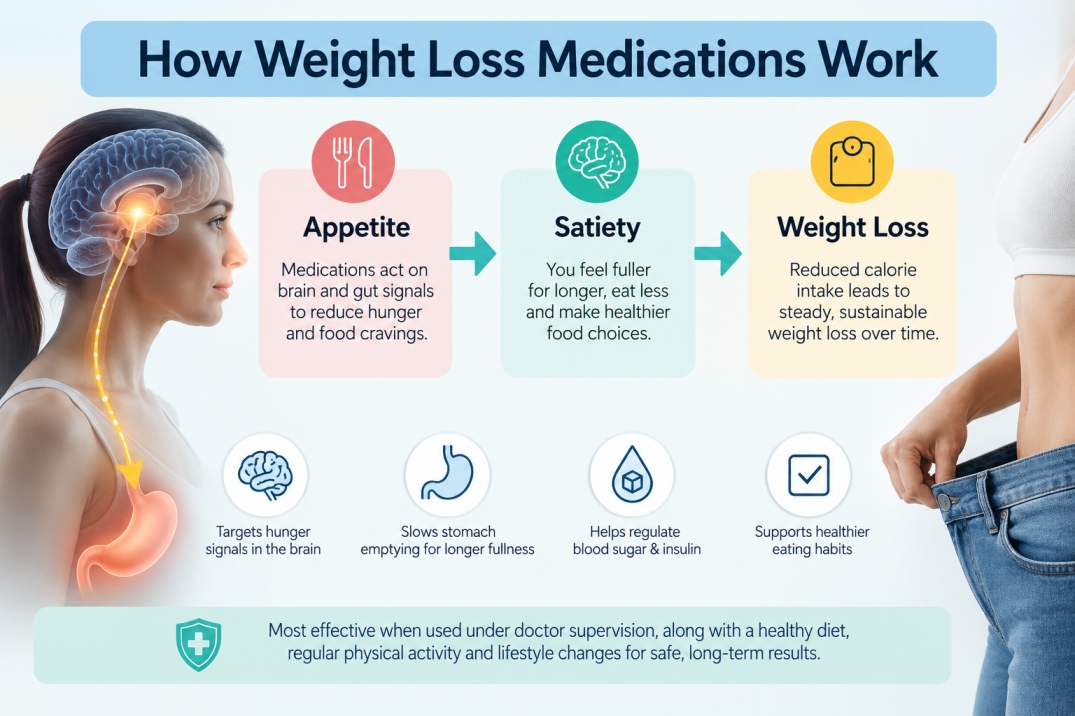
How Do Weight Loss Medications Work?
Different medications target different biological pathways involved in weight regulation. Rather than simply increasing calorie burning, most modern medications focus on reducing calorie intake by influencing appetite and satiety.
The primary mechanisms include:
1. Reducing Hunger
Some medications act on the brain's appetite centers, helping reduce the intensity and frequency of hunger signals.
Patients often report:
Feeling hungry less often
Reduced food cravings
Easier portion control
Less emotional eating
2. Increasing Fullness (Satiety)
Several medications slow stomach emptying, allowing food to remain in the stomach longer.
This promotes:
Earlier fullness during meals
Longer-lasting satisfaction after eating
Reduced snacking
Lower daily calorie intake
3. Improving Blood Sugar Regulation
Some medications improve insulin sensitivity and glucose control, helping stabilize blood sugar levels and reduce cravings associated with blood sugar fluctuations.
Benefits may include:
Better energy levels
Reduced sugar cravings
Improved metabolic health
Lower risk of type 2 diabetes progression
4. Reducing Food Reward
Certain medications influence brain pathways associated with food reward and cravings, making highly processed foods less tempting.
Patients may notice reduced desire for:
Sugary desserts
Fried foods
Fast food
Sweetened beverages
Late-night snacking
5. Reducing Fat Absorption
Unlike appetite-regulating medications, some medicines work within the digestive system by reducing the absorption of dietary fat.
This decreases the number of calories absorbed from meals but may also lead to gastrointestinal side effects if high-fat foods are consumed.
Types of Weight Loss Medications
Modern weight loss medications fall into several categories based on how they work within the body.
1. GLP-1 Receptor Agonists
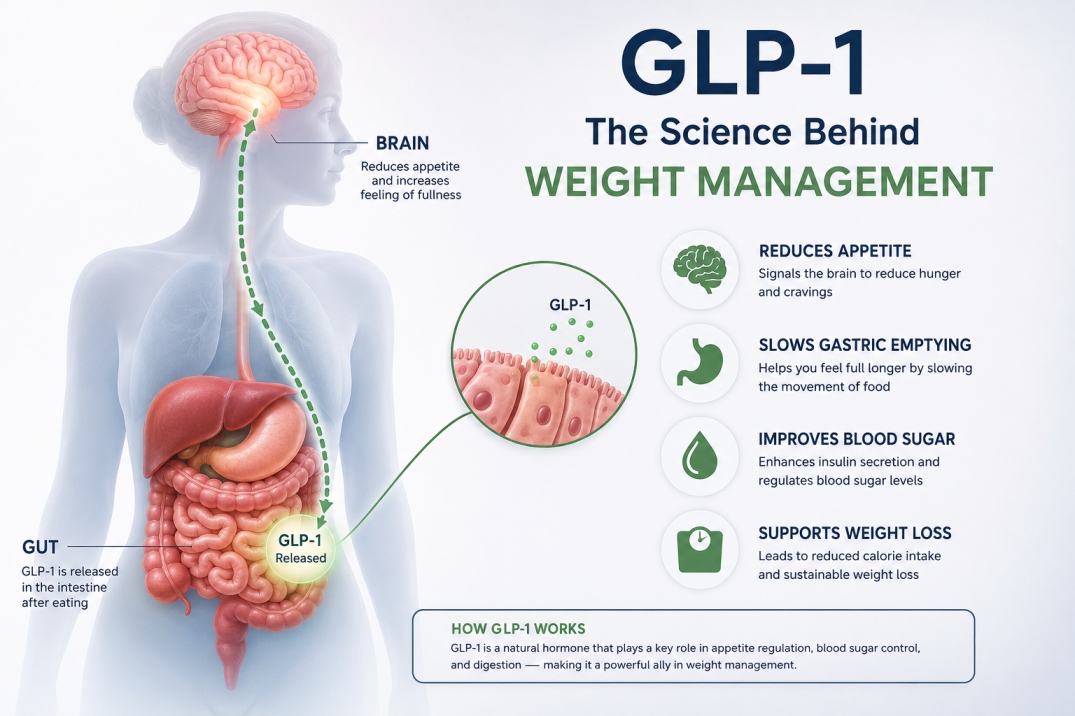
These medications mimic the naturally occurring hormone Glucagon-Like Peptide-1 (GLP-1), which is released after eating.
They help by:
Reducing appetite
Increasing fullness
Slowing stomach emptying
Improving insulin secretion
Lowering blood sugar
Supporting significant weight loss
Examples include:
Semaglutide
Liraglutide
GLP-1 medications have become one of the most effective options for medical weight management.
2. Dual GIP/GLP-1 Receptor Agonists
These newer medications activate both:
GIP (Glucose-Dependent Insulinotropic Polypeptide)
GLP-1 receptors
By targeting two metabolic pathways simultaneously, they may produce even greater weight loss than GLP-1 medications alone.
Examples include:
Tirzepatide
Clinical trials have shown impressive reductions in body weight when combined with healthy lifestyle changes.
3. Appetite Suppressants
These medications act primarily on the central nervous system to reduce hunger and calorie intake.
They may help individuals who struggle with:
Constant hunger
Frequent snacking
Emotional eating
Large portion sizes
Some are approved for short-term use, while others may be used for longer durations under medical supervision.
4. Fat Absorption Inhibitors
Rather than affecting appetite, these medications reduce the absorption of dietary fat from the intestines.
This lowers total calorie absorption but requires adherence to a lower-fat diet to minimize digestive side effects.
Example:
Orlistat
5. Combination Medications
Some prescription medications combine two active ingredients that work together to influence appetite, cravings, and energy regulation.
Combination therapies may provide additional benefits for selected patients when prescribed appropriately.
FDA-Approved Weight Loss Medications Explained
Modern anti-obesity medications have significantly changed the way obesity is treated. Unlike older medications that mainly focused on suppressing appetite, newer treatments work by regulating the body's natural hormones involved in hunger, fullness, blood sugar control, and metabolism.
When combined with healthy eating, regular exercise, behavioral changes, and medical supervision, these medications can help people achieve clinically meaningful and sustainable weight loss.
It is important to remember that no medication works for everyone. Your healthcare provider will consider your medical history, BMI, existing health conditions, medications, lifestyle, and treatment goals before recommending the most appropriate option.
FDA-Approved Weight Loss Medications
Several prescription medications have been approved for long-term weight management in adults with obesity or overweight accompanied by weight-related medical conditions.
The most commonly prescribed medications include:
Semaglutide
Tirzepatide
Liraglutide
Orlistat
Phentermine–Topiramate
Naltrexone–Bupropion
Each medication works differently and has unique benefits, side effects, and suitability for different patients.
1. Semaglutide
Brand Name
Wegovy®
(Semaglutide is also marketed as Ozempic® for type 2 diabetes, but Ozempic is not specifically approved for weight loss.)
Drug Class
GLP-1 Receptor Agonist
How Does Semaglutide Work?
Semaglutide mimics a natural hormone called GLP-1 (Glucagon-Like Peptide-1).
After eating, your intestines naturally release GLP-1 to help regulate appetite and blood sugar.
Semaglutide enhances these natural effects by:
Reducing hunger
Increasing fullness
Slowing stomach emptying
Improving insulin release
Reducing glucagon secretion
Helping control blood sugar
Decreasing food cravings
Many patients report that food occupies less of their thoughts while taking semaglutide, sometimes referred to as reduced "food noise."
Expected Weight Loss
Clinical studies have shown that many individuals may lose approximately:
12–15% of their starting body weight over 68 weeks, when combined with lifestyle modifications.
Individual results vary based on:
Diet quality
Physical activity
Medication adherence
Sleep
Stress
Underlying medical conditions
Additional Benefits
Semaglutide may also help:
Improve blood sugar control
Reduce waist circumference
Lower blood pressure
Improve cholesterol levels
Reduce inflammation
Improve insulin sensitivity
Lower the risk of developing type 2 diabetes in some individuals
Common Side Effects
Most side effects are digestive and often improve as the body adjusts.
Common side effects include:
Nausea
Vomiting
Diarrhea
Constipation
Bloating
Indigestion
Burping
Reduced appetite
Doctors usually start with a low dose and gradually increase it to minimize side effects.
Who May Benefit Most?
Semaglutide may be appropriate for adults with:
Obesity
Overweight with obesity-related conditions
Prediabetes
Type 2 diabetes
Insulin resistance
PCOS (in selected patients under medical guidance)
2. Tirzepatide
Brand Name
Zepbound®
(Tirzepatide is also marketed as Mounjaro® for type 2 diabetes.)
Drug Class
Dual GIP/GLP-1 Receptor Agonist
How Does Tirzepatide Work?
Tirzepatide is the first medication that activates two important hormones involved in metabolism:
GLP-1
GIP (Glucose-Dependent Insulinotropic Polypeptide)
By targeting both pathways, tirzepatide can produce greater appetite suppression and metabolic improvements than GLP-1 therapy alone in many patients.
It helps by:
Reducing hunger
Increasing satiety
Slowing stomach emptying
Improving insulin sensitivity
Lowering blood sugar
Reducing cravings
Supporting fat loss while preserving lean muscle when paired with adequate protein intake and exercise
Expected Weight Loss
Clinical trials have shown average weight loss ranging from:
15–22% of starting body weight, depending on the dose and adherence to lifestyle changes.
Some individuals achieve even greater reductions under medical supervision, while others may experience more modest results.
Additional Benefits
Potential benefits include:
Improved blood sugar control
Reduced visceral (abdominal) fat
Better cholesterol levels
Lower blood pressure
Improved insulin resistance
Reduced liver fat in some individuals with fatty liver disease
Common Side Effects
Similar to GLP-1 medications:
Nausea
Vomiting
Diarrhea
Constipation
Stomach discomfort
Decreased appetite
Heartburn
These symptoms often lessen over time with gradual dose escalation.
Who May Benefit Most?
Tirzepatide may be suitable for:
Individuals with obesity
Patients with severe obesity
People with insulin resistance
Adults with type 2 diabetes (using the appropriate approved formulation)
Those requiring greater weight reduction under physician supervision
3. Liraglutide
Brand Name
Saxenda®
Drug Class
GLP-1 Receptor Agonist
How Does Liraglutide Work?
Like semaglutide, liraglutide mimics the GLP-1 hormone.
It helps:
Reduce appetite
Increase fullness
Slow gastric emptying
Improve blood sugar control
Unlike semaglutide, it is administered as a daily injection rather than a weekly injection.
Expected Weight Loss
Many individuals lose approximately:
5–10% of their starting body weight when combined with healthy lifestyle changes.
Additional Benefits
Liraglutide may help:
Improve blood glucose
Reduce appetite
Improve insulin sensitivity
Lower cardiovascular risk factors
Improve metabolic health
Common Side Effects
Common side effects include:
Nausea
Vomiting
Constipation
Diarrhea
Headache
Reduced appetite
Who May Benefit?
Liraglutide may be considered for:
Adults with obesity
Individuals with overweight and obesity-related diseases
Patients needing long-term weight management
4. Orlistat
Brand Names
Xenical®
Alli® (lower-dose over-the-counter formulation in some countries)
Drug Class
Fat Absorption Inhibitor
How Does Orlistat Work?
Unlike GLP-1 medications, Orlistat works inside the digestive tract.
It blocks the enzyme lipase, preventing approximately 30% of dietary fat from being absorbed.
Instead, the unabsorbed fat is eliminated through the stool.
Expected Weight Loss
Average weight loss is approximately:
5–8% of body weight, when combined with calorie restriction.
Benefits
Orlistat may help:
Reduce calorie absorption
Improve cholesterol
Lower blood pressure
Improve blood sugar in some individuals
Common Side Effects
Because fat is not absorbed, digestive side effects are common, especially with high-fat meals.
These include:
Oily stools
Loose stools
Increased bowel movements
Gas with oily discharge
Urgency
Abdominal discomfort
Following a lower-fat diet significantly reduces these effects.
Important Considerations
Orlistat may reduce the absorption of fat-soluble vitamins:
Vitamin A
Vitamin D
Vitamin E
Vitamin K
Doctors often recommend a multivitamin supplement taken at a different time of day.
5. Phentermine–Topiramate Extended Release
Brand Name
Qsymia®
Drug Class
Combination Medication
How Does It Work?
This medication combines two drugs:
Phentermine
A sympathomimetic medication that suppresses appetite by acting on the central nervous system.
Topiramate
Originally developed to treat epilepsy and migraines, topiramate also helps reduce appetite and food cravings.
Together, they provide greater weight loss than either medication alone.
Expected Weight Loss
Clinical studies have demonstrated average weight loss of approximately:
8–10% of starting body weight, with lifestyle modification.
Benefits
May help:
Reduce appetite
Improve satiety
Lower blood pressure
Improve metabolic markers
Possible Side Effects
Dry mouth
Constipation
Tingling sensations
Difficulty sleeping
Dizziness
Increased heart rate
Mood changes
Important Safety Information
This medication is not recommended during pregnancy because it can cause serious harm to a developing baby. Women of childbearing potential require careful counseling regarding effective contraception and pregnancy testing as advised by their healthcare provider.
6. Naltrexone–Bupropion
Brand Name
Contrave®
Drug Class
Combination Medication
How Does It Work?
This medication combines:
Naltrexone
Originally used to treat alcohol and opioid dependence.
Bupropion
Originally developed as an antidepressant and smoking cessation medication.
Together they affect brain pathways involved in:
Appetite
Food reward
Cravings
Emotional eating
Expected Weight Loss
Average weight loss ranges between:
5–9% of starting body weight when combined with lifestyle changes.
Benefits
May help reduce:
Emotional eating
Cravings
Frequent snacking
Food reward behaviors
Common Side Effects
Nausea
Constipation
Headache
Dry mouth
Insomnia
Dizziness
Who May Benefit?
This medication may be considered for individuals who struggle primarily with:
Emotional eating
Food cravings
Binge-eating tendencies (evaluation by a healthcare professional is important)
How Much Weight Can You Lose?
Weight loss varies widely based on the medication used, adherence to treatment, diet, physical activity, sleep, stress, and individual biology.
The following table summarizes approximate average weight loss observed in clinical trials:
Medication
Average Weight Loss*
Administration
Tirzepatide
15–22%
Weekly injection
Semaglutide
12–15%
Weekly injection
Liraglutide
5–10%
Daily injection
Phentermine–Topiramate
8–10%
Daily oral tablet
Naltrexone–Bupropion
5–9%
Daily oral tablet
Orlistat
5–8%
Oral capsule with meals
*Average results from clinical trials. Individual outcomes vary.
Benefits Beyond Weight Loss
The goal of anti-obesity medications extends beyond reducing the number on the scale. Even a 5–10% reduction in body weight can lead to meaningful health improvements.
Potential benefits include:
Better Blood Sugar Control
Weight loss medications can improve insulin sensitivity and help manage blood glucose, particularly in people with prediabetes or type 2 diabetes.
Improved Heart Health
Weight reduction may contribute to:
Lower blood pressure
Improved cholesterol levels
Reduced cardiovascular risk factors
Reduced Visceral Fat
Many medications help decrease abdominal fat, which is strongly associated with metabolic diseases.
Improved Mobility
Losing excess weight can reduce stress on joints, making daily activities and exercise easier.
Better Sleep
Weight loss may improve sleep quality and reduce symptoms of obstructive sleep apnea in some individuals.
Improved Quality of Life
Patients often report:
Increased energy
Better mobility
Improved confidence
Enhanced participation in work, family, and social activities
Safety, Side Effects, Long-Term Use & Medical Supervision
While prescription weight loss medications can be highly effective, they are not free from risks. Like all medications, they can cause side effects and require careful monitoring by a qualified healthcare professional.
The good news is that most side effects are mild to moderate, temporary, and manageable, especially when medications are started at a low dose and increased gradually.
Understanding what to expect before starting treatment can improve medication adherence, reduce anxiety, and help patients recognize when they should seek medical attention.
Common Side Effects of Weight Loss Medications
The side effects vary depending on the medication prescribed.
Newer medications such as GLP-1 receptor agonists and dual GIP/GLP-1 receptor agonists commonly affect the digestive system because they slow stomach emptying and reduce appetite.
Fortunately, these side effects usually improve over several weeks as the body adapts.
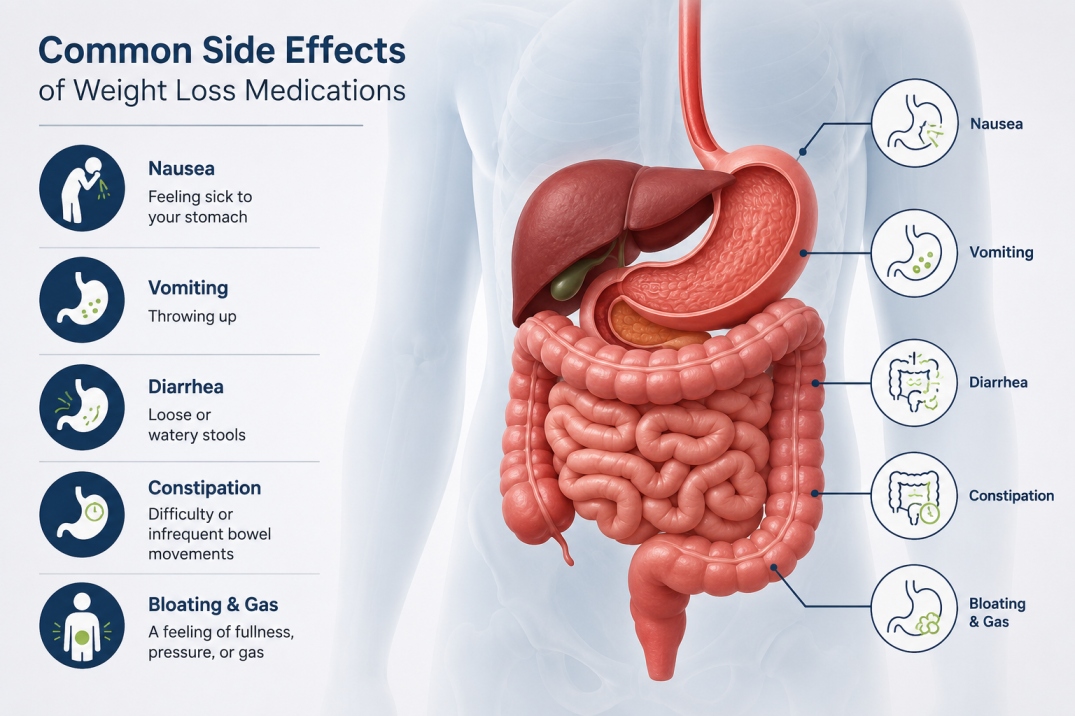
The most commonly reported side effects include:
Nausea
Vomiting
Constipation
Diarrhea
Abdominal discomfort
Bloating
Indigestion
Burping
Reduced appetite
Feeling full quickly
Many people experience these symptoms during the dose-escalation phase but notice significant improvement after remaining on a stable dose.
Why Do These Side Effects Occur?
Most GLP-1 medications intentionally slow the movement of food from the stomach into the intestines.
This helps people stay full for longer, but it can temporarily cause:
Stomach fullness
Mild nausea
Early satiety
Reduced desire to eat
These effects are actually part of the medication's mechanism for reducing calorie intake.
Tips to Reduce Nausea
If nausea develops, simple lifestyle adjustments often help.
Eat Smaller Meals
Instead of eating three large meals, try:
4–6 smaller meals
Smaller portions
Slow eating
Large meals are more likely to worsen nausea.
Eat Slowly
Take time to chew food thoroughly.
Eating too quickly can increase stomach discomfort.
Stop Eating When Full
One of the biggest adjustments patients need to make is learning to stop eating as soon as fullness develops.
Overeating while taking GLP-1 medications often leads to:
Nausea
Vomiting
Abdominal pain
Listening to your body's fullness signals becomes increasingly important.
Avoid High-Fat Meals
Fatty foods remain in the stomach longer.
Examples include:
Fried foods
Fast food
Heavy cream sauces
Butter-rich dishes
Pizza
Burgers
Choosing lighter meals often improves symptoms. https://wellorafit.com/services/nutrition-diet-planning/
Stay Hydrated
Drink water consistently throughout the day.
Aim for:
2–3 liters daily (unless otherwise advised)
Small frequent sips rather than large amounts at once
Good hydration also helps prevent constipation.
Avoid Lying Down Immediately After Eating
Remain upright for at least:
30–60 minutes after meals
This helps reduce reflux and indigestion.
Constipation During Treatment
Reduced food intake combined with slower stomach emptying can contribute to constipation.
To minimize constipation:
Increase:
Water intake
Vegetables
Fruits
Whole grains
Legumes
Physical activity
Aim for approximately:
25–35 grams of dietary fiber per day, increasing gradually to avoid bloating.
If constipation persists, consult your healthcare provider before using laxatives.
Diarrhea
Some patients experience diarrhea rather than constipation.
This often improves with time.
Helpful strategies include:
Eating bland foods temporarily
Avoiding greasy meals
Staying hydrated
Replacing lost fluids and electrolytes when necessary
Persistent diarrhea should always be reported to your healthcare provider.
Loss of Appetite
Reduced appetite is an intended effect of these medications.
However, eating too little can lead to:
Fatigue
Muscle loss
Nutrient deficiencies
Hair loss (in some individuals)
Poor exercise recovery
Even if you are not hungry, focus on consuming nutrient-dense foods that provide adequate:
Protein
Fiber
Vitamins
Minerals
Healthy fats
Possible Serious Side Effects
Although uncommon, certain side effects require immediate medical evaluation.
Seek medical attention if you experience:
Severe Abdominal Pain
This may indicate:
Pancreatitis
Gallbladder disease
Other abdominal conditions
Pain that is severe, persistent, or radiates to the back should never be ignored.
Persistent Vomiting
Repeated vomiting may lead to:
Dehydration
Electrolyte imbalance
Kidney problems
Medical evaluation is necessary if vomiting continues.
Allergic Reactions
Although rare, seek emergency care if you develop:
Difficulty breathing
Swelling of the face
Swelling of the tongue
Severe rash
Hives
Severe Dehydration
Warning signs include:
Dizziness
Fainting
Dark-colored urine
Rapid heartbeat
Confusion
Prompt treatment is important.
Gallbladder Problems
Rapid weight loss—whether from medication, surgery, or dieting—can increase the risk of gallstones.
Symptoms include:
Pain in the upper right abdomen
Pain after fatty meals
Fever
Nausea
Vomiting
Your healthcare provider may recommend imaging if gallbladder disease is suspected.
Pancreatitis
Pancreatitis is uncommon but can be serious.
Symptoms include:
Severe upper abdominal pain
Pain radiating to the back
Persistent vomiting
Fever
Medication should be stopped, and urgent medical evaluation is required if pancreatitis is suspected.
Can Weight Loss Medications Cause Muscle Loss?
Rapid weight loss can result in the loss of both fat mass and lean muscle mass.
This is not unique to medication—it can occur with any significant calorie deficit.
To preserve muscle:
Eat Enough Protein
Aim for an adequate daily protein intake based on your body weight and individual needs, as advised by a healthcare professional or dietitian.
Good protein sources include:
Eggs
Greek yogurt
Paneer
Tofu
Chicken
Fish
Lentils
Soy products
Milk
Beans
Include Strength Training
Resistance exercise helps maintain muscle during weight loss.
Recommended activities include:
Weight training
Resistance bands
Body-weight exercises
Functional strength exercises
Aim for 2–3 sessions per week, depending on your fitness level and medical guidance.
Avoid Very Low-Calorie Diets
Eating too little may increase muscle loss and nutritional deficiencies.
A balanced calorie deficit is generally more sustainable.
Are Weight Loss Medications Safe for Long-Term Use?
Several prescription medications have been approved for long-term weight management because obesity is considered a chronic disease.
For many people, stopping medication may allow biological mechanisms that promote weight regain to return.
Long-term treatment decisions should always be individualized and reviewed regularly with a healthcare provider.
Why Do People Regain Weight After Stopping Medication?
Many patients wonder why weight returns after stopping treatment.
The reason lies in the body's natural biology.
After discontinuation:
Hunger hormones may increase
Appetite often returns
Fullness decreases
Food cravings may increase
Metabolism may remain lower after weight loss
Without continued lifestyle support, calorie intake may rise, leading to gradual weight regain.
Does This Mean You'll Need Medication Forever?
Not necessarily.
The duration of treatment depends on several factors, including:
Starting weight
Weight-loss goals
Overall health
Presence of obesity-related diseases
Lifestyle habits
Response to treatment
Side effects
Some individuals may require long-term therapy, while others may transition off medication with close medical supervision and continued lifestyle support.
Never stop a prescription medication without consulting your healthcare provider.
Who Should Not Take Weight Loss Medications?
Prescription medications are not appropriate for everyone.
Depending on the specific medication, they may not be recommended for:
Pregnant women
Women planning pregnancy
Breastfeeding mothers
Individuals with severe eating disorders
Patients with certain endocrine conditions
People with a history of specific thyroid cancers (for some GLP-1 medications)
Individuals with multiple endocrine neoplasia syndrome type 2 (MEN2) (for certain GLP-1 medications)
Patients with severe gastrointestinal diseases (for some medications)
Individuals with severe kidney or liver disease (depending on the drug)
People with uncontrolled psychiatric illness (for certain medications)
A thorough medical evaluation is essential before starting treatment.
Medical Monitoring During Treatment
Regular follow-up appointments help ensure that treatment remains safe and effective.
Healthcare providers may monitor:
Body Measurements
Weight
BMI
Waist circumference
Vital Signs
Blood pressure
Heart rate
Blood Tests (When Appropriate)
Depending on the medication and medical history, monitoring may include:
Blood glucose
HbA1c
Kidney function
Liver function
Lipid profile
Electrolytes
Nutrition Status
Your healthcare provider or dietitian may also assess:
Protein intake
Hydration
Vitamin and mineral intake
Physical activity
Sleep quality
Regular reviews allow medication adjustments if necessary and help maximize long-term success.
Weight Loss Medication vs. Diet Alone
Many people ask whether medication is "better" than diet.
The reality is that medication is designed to support lifestyle changes—not replace them.
Diet & Lifestyle Alone
Medication + Lifestyle
Relies on willpower and behavior change alone
Addresses biological drivers of hunger and fullness in addition to lifestyle changes
Weight loss varies widely
Often results in greater average weight loss when appropriate
Appetite may increase after weight loss
Helps reduce appetite and improve satiety
Requires consistent healthy habits
Also requires consistent healthy habits
The best long-term outcomes occur when medication is combined with:
Balanced nutrition
Regular physical activity
Adequate sleep
Stress management
Ongoing medical support
Weight Loss Medication vs. Bariatric Surgery
Both medication and bariatric surgery can be effective treatments for obesity, but they are appropriate for different situations.
Weight Loss Medication
Bariatric Surgery
Non-surgical treatment
Surgical procedure
Lower upfront risk
Higher procedural risk but often greater weight loss
Can often be discontinued under medical guidance
Permanent anatomical changes
Requires long-term adherence
Requires lifelong nutritional follow-up
Appropriate for many adults meeting prescribing criteria
Generally reserved for severe obesity or specific medical indications
The choice depends on BMI, health conditions, previous treatments, and individual preferences, and should be made with a multidisciplinary healthcare team.
Common Myths About Weight Loss Medications
Myth 1: "These medications are a shortcut."
Fact: They are evidence-based treatments for a chronic disease and work best alongside healthy lifestyle changes.
Myth 2: "You don't need to exercise."
Fact: Exercise remains essential for maintaining muscle, improving heart health, and supporting long-term weight management.
Myth 3: "You can eat anything while taking these medications."
Fact: Poor dietary choices may reduce results and increase gastrointestinal side effects.
Myth 4: "Everyone loses the same amount of weight."
Fact: Results vary depending on genetics, medical conditions, lifestyle, medication adherence, and individual response.
Myth 5: "Once you lose weight, the disease is cured."
Fact: Obesity is a chronic condition. Long-term management and healthy habits are important to reduce the risk of weight regain.
Nutrition, Lifestyle, FAQs & Conclusion
Taking a weight loss medication is only one part of a successful weight management journey. The choices you make every day—what you eat, how active you are, how well you sleep, and how you manage stress—have a major impact on your results.
People who combine medication with healthy lifestyle habits generally lose more weight, maintain their weight loss for longer, and experience greater improvements in overall health than those who rely on medication alone.
Think of weight loss medication as a tool that supports your efforts, not a replacement for healthy living.
Nutrition While Taking Weight Loss Medications
Because many weight loss medications reduce appetite, it's important to make every bite count. Eating too little or choosing nutrient-poor foods can lead to muscle loss, fatigue, vitamin deficiencies, and slower recovery.
The goal is to consume nutrient-dense foods that provide adequate protein, fiber, healthy fats, vitamins, and minerals while maintaining a moderate calorie deficit.
Prioritize Protein
Protein is one of the most important nutrients during weight loss because it helps:
Preserve lean muscle mass
Increase satiety
Support metabolism
Improve recovery after exercise
Reduce hunger between meals
High-Protein Indian Foods
Vegetarian Options
Paneer
Low-fat milk
Greek yogurt
Curd
Tofu
Soy chunks
Lentils (Dal)
Chickpeas (Chana)
Kidney beans (Rajma)
Green gram (Moong)
Black gram (Urad)
Sprouts
Non-Vegetarian Options
Eggs
Chicken breast
Fish
Lean mutton (occasionally)
Turkey (where available)
Aim to include a quality protein source with every meal.
Eat Plenty of Fiber
Fiber slows digestion, improves fullness, supports gut health, and helps regulate blood sugar.
Excellent sources include:
Oats
Whole wheat
Millets
Brown rice
Quinoa
Fruits
Vegetables
Beans
Lentils
Chia seeds
Flaxseeds
Adults should generally aim for 25–35 grams of fiber daily, increasing intake gradually and drinking adequate water.
Choose Healthy Fats
Healthy fats support hormone production and help absorb fat-soluble vitamins.
Good choices include:
Almonds
Walnuts
Pistachios
Peanuts
Flaxseeds
Chia seeds
Pumpkin seeds
Olive oil
Mustard oil
Groundnut oil
Avocado (where available)
Remember that healthy fats are calorie-dense, so portion control remains important.
Complex Carbohydrates
Rather than eliminating carbohydrates, focus on high-quality sources that provide sustained energy and fiber.
Examples include:
Whole wheat roti
Jowar
Bajra
Ragi
Brown rice
Oats
Quinoa
Sweet potato
Whole fruits
Avoid excessive intake of refined carbohydrates such as white bread, pastries, sugary cereals, and sweets.
Meal Timing
Many people find it easier to eat smaller, more frequent meals while taking GLP-1 medications.
Helpful habits include:
Eat slowly.
Stop eating when comfortably full.
Avoid skipping meals.
Finish dinner 2–3 hours before bedtime.
Choose balanced meals containing protein, fiber, and healthy fats.
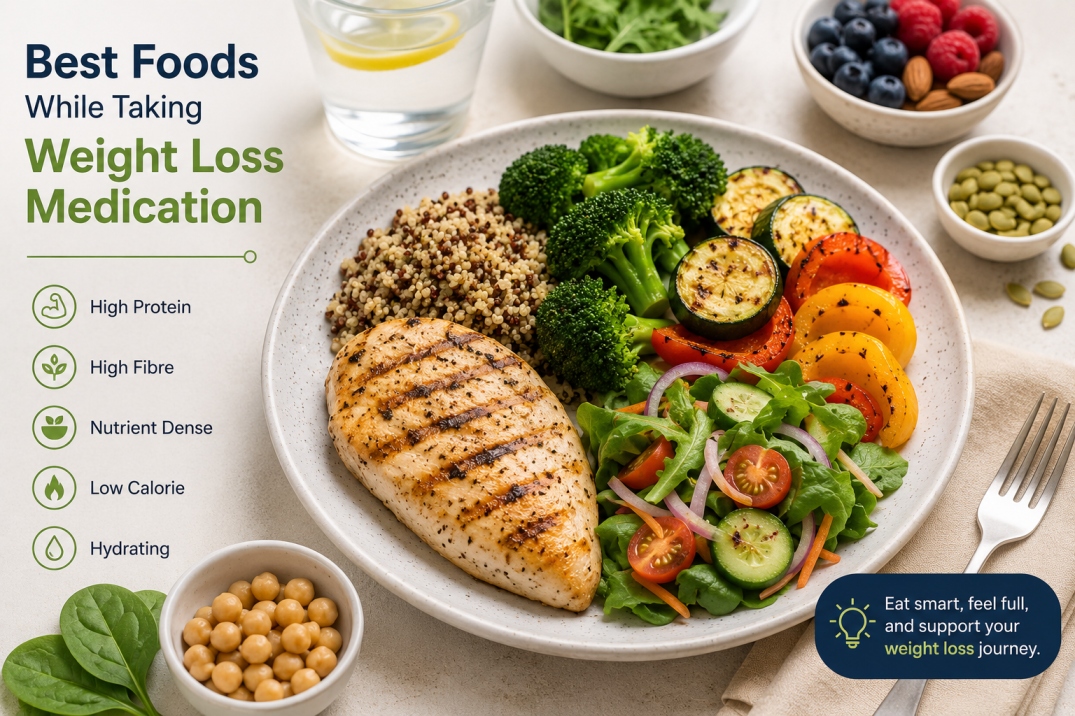
Best Foods to Eat During Weight Loss Treatment
Building meals around nutrient-rich foods supports both weight loss and overall health.
Vegetables
Include a variety of colorful vegetables such as:
Spinach
Fenugreek leaves
Broccoli
Cauliflower
Carrots
Bell peppers
Cabbage
Bottle gourd
Ridge gourd
Okra
Cucumber
Tomatoes
Aim for vegetables to make up at least half of your lunch and dinner plate.
Fruits
Whole fruits are preferable to fruit juices.
Examples include:
Apple
Orange
Guava
Papaya
Berries
Kiwi
Pear
Pomegranate
Enjoy fruits in moderation as part of a balanced diet.
Whole Grains
Choose:
Whole wheat
Oats
Millets
Brown rice
Quinoa
These provide more fiber and nutrients than refined grains.
Healthy Snacks
Good snack choices include:
Greek yogurt
Roasted chana
Sprouts chaat
Handful of mixed nuts
Boiled eggs
Fruit with peanut butter
Cottage cheese
Buttermilk
Unsweetened lassi
Foods to Limit
Although no food needs to be completely forbidden for most people, limiting highly processed foods can improve results.
Reduce intake of:
Sugary drinks
Cakes
Pastries
Candy
Ice cream
Chips
Deep-fried foods
Fast food
Processed meats
Excess alcohol
Sugar-sweetened beverages
These foods are often high in calories but low in nutrients and may increase gastrointestinal side effects while taking certain medications.
Hydration Matters
Some weight loss medications can increase the risk of dehydration, especially if nausea, vomiting, or diarrhea occur.
Aim to:
Drink 2–3 liters of water daily, unless advised otherwise by your healthcare provider.
Sip fluids throughout the day rather than drinking large amounts at once.
Include sugar-free fluids such as herbal teas or infused water if preferred.
Increase fluid intake during hot weather or physical activity.
Seek medical advice if persistent vomiting or diarrhea leads to signs of dehydration.
Exercise While Taking Weight Loss Medications
Exercise remains a cornerstone of successful weight management, even when taking medication.
Regular physical activity helps:
Preserve muscle mass
Burn calories
Improve heart health
Increase insulin sensitivity
Strengthen bones
Improve mood
Reduce stress
Enhance long-term weight maintenance
Cardio Exercise
Aim for at least 150 minutes of moderate-intensity aerobic activity per week, such as:
Brisk walking
Cycling
Swimming
Jogging
Dancing
Strength Training
Include resistance exercises 2–3 times per week to help preserve muscle mass and improve body composition.
Examples include:
Weight training
Resistance bands
Body-weight exercises (squats, push-ups, lunges)
Functional strength exercises
Daily Movement
In addition to structured workouts, increase overall activity by:
Taking the stairs
Walking after meals
Standing up regularly if you have a desk job
Gardening
Household chores
Small increases in daily movement can contribute significantly to long-term calorie expenditure.
Lifestyle Habits That Improve Results
Successful weight management involves more than medication and diet.
Healthy daily habits include:
Sleep 7–9 hours each night.
Manage stress through meditation, yoga, or deep breathing.
Keep a consistent meal schedule.
Avoid smoking.
Limit alcohol.
Practice mindful eating.
Monitor your progress without obsessing over the scale.
Attend regular follow-up appointments with your healthcare provider.
Building sustainable habits is key to maintaining weight loss.
Frequently Asked Questions (FAQ)
1. Do weight loss medications work without dieting?
They can reduce appetite and promote weight loss, but combining medication with a healthy diet and regular exercise generally leads to better and more sustainable results.
2. Are weight loss medications safe?
Prescription weight loss medications approved by regulatory authorities have been evaluated for safety and effectiveness when used under medical supervision. However, they may not be suitable for everyone and can have side effects.
3. How long do I need to take weight loss medication?
The duration varies depending on your response, health conditions, and treatment goals. Some people may benefit from long-term therapy because obesity is a chronic disease. Decisions about continuing or stopping medication should always be made with your healthcare provider.
4. Can I stop taking the medication once I reach my goal weight?
Stopping medication without a long-term lifestyle plan may lead to weight regain. Your healthcare provider can help determine the safest approach.
5. Which medication works best?
There is no single "best" medication. The right choice depends on factors such as BMI, medical history, other health conditions, medications, and individual response.
6. Do I need exercise if I'm taking medication?
Yes. Exercise helps preserve muscle mass, improves cardiovascular health, and supports long-term weight maintenance.
7. Will I lose muscle while taking these medications?
Muscle loss can occur with any rapid weight loss. Eating adequate protein and performing resistance training can help minimize this.
8. Can these medications cure obesity?
No. Obesity is a chronic disease. Medications help manage the condition but do not cure it.
9. Are weight loss injections better than tablets?
It depends on the medication and the individual. Injectable GLP-1 and dual GIP/GLP-1 medications generally produce greater average weight loss in clinical trials than older oral medications, but the best choice should be individualized.
10. Can people with diabetes use weight loss medications?
Some medications are approved for people with type 2 diabetes, while others are specifically approved for weight management. Your healthcare provider will determine the most appropriate option based on your medical condition.
11. Can weight loss medications improve conditions like PCOS or fatty liver disease?
In some individuals, weight reduction achieved with medication and lifestyle changes may improve insulin resistance and reduce liver fat. However, treatment should always be individualized and supervised by a healthcare professional.
12. What happens if I miss a dose?
The appropriate action depends on the specific medication. Follow the prescribing information provided with your medication or contact your healthcare provider or pharmacist for guidance.
13. Can I drink alcohol while taking weight loss medication?
Alcohol may increase gastrointestinal side effects and contributes extra calories. If you choose to drink, discuss safe limits with your healthcare provider.
14. How soon will I notice results?
Many people begin noticing appetite changes within the first few weeks, but meaningful weight loss typically develops over several months when medication is combined with healthy lifestyle habits.
15. Should I buy weight loss medications online?
Only obtain prescription medications through licensed healthcare providers and reputable pharmacies. Avoid unverified products marketed online, as they may be unsafe or counterfeit.
Key Takeaways
Obesity is a chronic disease influenced by biology, hormones, genetics, and lifestyle—not simply a lack of willpower.
Prescription weight loss medications can support meaningful and sustained weight loss when used appropriately.
Newer medications such as GLP-1 receptor agonists and dual GIP/GLP-1 receptor agonists reduce appetite, increase satiety, and improve metabolic health.
Medication works best alongside a balanced diet, regular exercise, adequate sleep, stress management, and ongoing medical supervision.
Healthy eating, sufficient protein, fiber, hydration, and strength training help maximize results and preserve muscle mass.
Regular follow-up appointments are essential to monitor progress, manage side effects, and adjust treatment when necessary.
Conclusion
Weight loss medications have transformed the treatment of obesity by providing effective, evidence-based options for individuals who have struggled to achieve lasting results with lifestyle changes alone. These medications target the biological mechanisms that regulate hunger, fullness, and metabolism, making it easier for many people to reduce calorie intake and maintain healthier habits.
However, medications are not magic solutions. Lasting success depends on combining them with nutritious eating, regular physical activity, quality sleep, stress management, and ongoing medical guidance. The most successful weight-loss journeys are built on sustainable habits rather than quick fixes.
If you believe you may be a candidate for prescription weight loss medication, speak with a qualified healthcare professional. Together, you can determine the safest and most effective treatment plan based on your medical history, health goals, and individual needs.
With the right combination of medical support and healthy lifestyle choices, long-term weight management is achievable—and every step toward better health is worth taking.
Ready to Begin Your Health Journey?
Get a personalized, medically guided plan built around your unique biology.