Weight Regain After Dieting: Causes & Prevention
Introduction
Losing weight is a major achievement that requires dedication, consistency, and lifestyle changes. Yet for many people, the real challenge begins after reaching their weight-loss goal. Studies consistently show that a large proportion of people regain some or all of the weight they lose within a few years. This can be frustrating, discouraging, and may leave people wondering if their efforts were wasted.
However, weight regain is not simply a matter of lacking willpower or motivation. Modern research shows that the human body actively resists weight loss through a combination of biological, hormonal, metabolic, psychological, and environmental mechanisms. After losing weight, your body works hard to restore its previous weight by increasing hunger, reducing calorie expenditure, and making high-calorie foods more appealing.
This response developed over thousands of years as a survival mechanism. During times when food was scarce, conserving energy and restoring lost body fat helped humans survive famine. Today, however, this same biological system can make long-term weight maintenance much more difficult in an environment where calorie-dense foods are readily available.
The encouraging news is that weight regain is not inevitable. Understanding why it happens allows you to develop realistic, evidence-based strategies that support long-term weight maintenance. Rather than relying on restrictive diets or temporary solutions, lasting success comes from building sustainable habits that work with your body's physiology instead of against it. · https://www.who.int
In this comprehensive guide, you'll learn:
· What weight regain really is
· Why the body fights to regain lost weight
· How metabolism changes after dieting
· The role of hunger hormones
· Why crash diets often fail
· Science-backed strategies to prevent weight regain permanently
What Is Weight Regain?
Weight regain refers to gaining back some or all of the body weight that was previously lost after dieting or weight-loss interventions.
Regaining a small amount of weight is common and does not necessarily mean your weight-loss journey has failed. Daily body weight naturally fluctuates due to changes in hydration, glycogen storage, food intake, bowel movements, hormonal shifts, and sodium consumption.
Weight regain becomes more concerning when there is a gradual and sustained increase in body fat over weeks, months, or years after successful weight loss.
Many people mistakenly believe that reaching their target weight means the journey is over. In reality, maintaining weight loss requires ongoing healthy habits, and for many individuals, weight maintenance can be more challenging than losing weight initially.
Research has shown that:
· Many people regain weight within the first year after dieting.
· The highest risk of regain occurs during the first two years after weight loss.
· Some individuals regain nearly all the weight they lost if long-term lifestyle changes are not maintained.
· People who adopt sustainable eating and physical activity habits are more likely to maintain their weight successfully.
The important point is that weight regain is a biological response, not a personal failure.https://www.obesity.org
Why Does Weight Regain Happen?
Many people assume that weight regain occurs simply because someone "went back to eating too much." While overeating can certainly contribute, the reality is far more complex.
Weight regain occurs because the body responds to weight loss by activating several protective mechanisms designed to restore lost energy stores.
These adaptations include:
· Slower metabolism
· Increased hunger
· Reduced feelings of fullness
· Greater food cravings
· Lower daily calorie expenditure
· Reduced spontaneous physical activity
· Hormonal changes that promote eating
· Psychological fatigue from prolonged dieting
Together, these responses create what researchers often call a "biological pressure to regain weight."
Imagine your body functioning like a thermostat. When you lose weight, the body senses a reduction in stored energy and attempts to return to its previous "set point" by encouraging you to eat more while simultaneously burning fewer calories.
Although scientists continue to study the exact concept of a body weight "set point," there is strong evidence that the body defends against weight loss through powerful biological mechanisms.https://wellorafit.com/services/nutrition-diet-planning/
Understanding Energy Balance
Body weight is influenced by the balance between:
Calories In
· Food
· Drinks
Calories Out
· Basal Metabolic Rate (BMR)
· Physical activity
· Exercise
· Digestion (Thermic Effect of Food)
· Non-exercise activity (walking, standing, household chores)
When calorie intake exceeds calorie expenditure consistently, body weight increases.
When calorie expenditure exceeds calorie intake, body weight decreases.
However, after weight loss, this equation changes because the body adapts.
As weight decreases:
· Your body becomes more energy efficient.
· You burn fewer calories performing the same activities.
· Resting metabolism declines.
· Hunger increases.
This means the calorie deficit that helped you lose weight may no longer be enough to continue maintaining your new weight.
What Happens Inside Your Body During Weight Loss?
To understand why weight regain occurs, it's helpful to understand what happens inside your body while losing weight.
Step 1: Calorie Deficit
Weight loss begins when you consume fewer calories than your body uses.
Your body needs energy to support:
· Breathing
· Heart function
· Brain activity
· Digestion
· Movement
· Body temperature regulation
When food intake decreases, the body starts using stored energy.
Step 2: Glycogen Stores Are Used
Initially, the body uses glycogen, the stored form of carbohydrate found in the liver and muscles.
Each gram of glycogen is stored with several grams of water, so early weight loss often reflects water loss rather than body fat.
This explains why many people lose several kilograms during the first week of dieting.
Step 3: Fat Breakdown Begins
As glycogen stores become depleted, the body increasingly relies on stored fat for energy.
Fat cells release fatty acids, which are transported to tissues where they are used to produce energy.
This is the phase where meaningful fat loss occurs.
Step 4: Muscle May Also Be Lost
Unfortunately, weight loss does not come exclusively from fat.
Without sufficient protein intake or resistance training, the body may also break down muscle tissue.
Muscle is metabolically active, meaning it requires energy even at rest. Losing muscle can therefore reduce the number of calories your body burns each day, making long-term weight maintenance more challenging.
Step 5: The Body Adapts
As weight loss continues, the body begins to conserve energy.
These adaptations include:
· Lower resting metabolic rate
· Reduced calorie burning
· Increased appetite
· Lower body temperature
· Reduced spontaneous movement
· Greater energy efficiency
While these changes help protect against starvation, they also increase the likelihood of weight regain if old eating habits return.
Adaptive Thermogenesis: The Body's Survival Mechanism
One of the most important reasons people regain weight is a phenomenon known as adaptive thermogenesis, also called metabolic adaptation.
Adaptive thermogenesis refers to the reduction in energy expenditure that occurs after weight loss beyond what would be expected from simply weighing less.
For example:
Two people may each weigh 70 kg.
· Person A has naturally maintained 70 kg for years.
· Person B previously weighed 90 kg and lost 20 kg through dieting.
Although they now weigh the same, Person B may burn fewer calories at rest because the body has adapted to conserve energy after weight loss.
This adaptation means that maintaining weight loss often requires continued attention to nutrition and physical activity, even after reaching a healthy weight.
Adaptive thermogenesis is one reason why weight maintenance can feel harder than weight loss itself.
How Your Metabolism Changes After Weight Loss
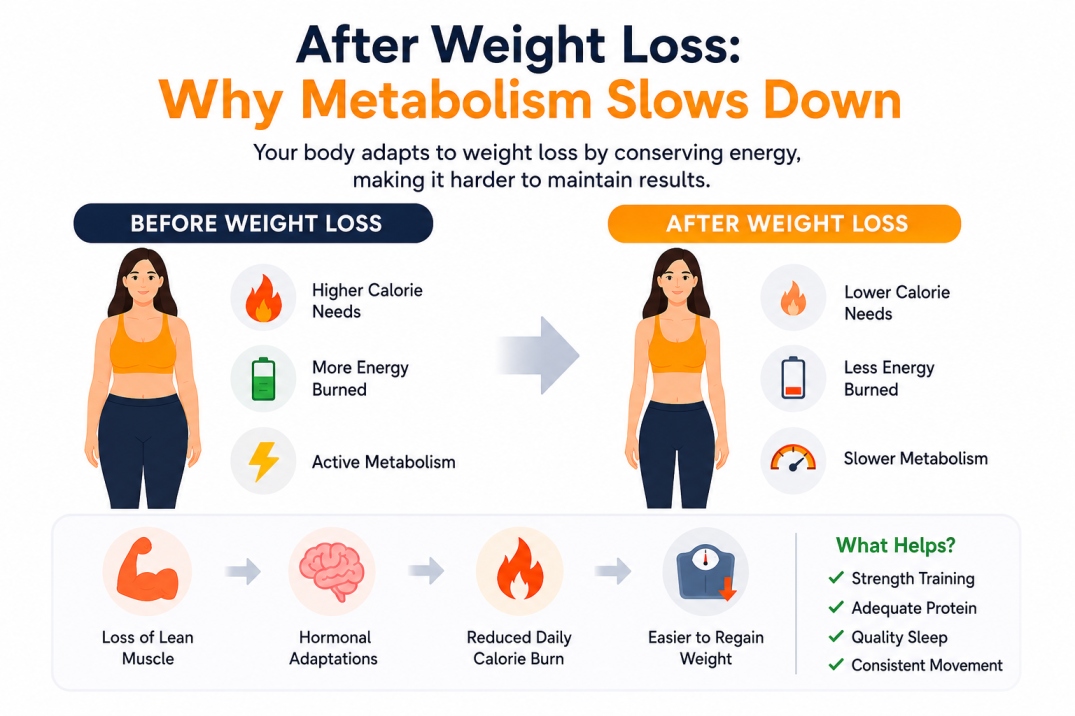
Metabolism refers to all the chemical processes that keep your body alive and functioning. The largest component of metabolism is the Basal Metabolic Rate (BMR), which represents the calories your body burns at rest to support essential functions like breathing, circulation, and cell repair.
After weight loss, metabolism naturally slows for several reasons:
1. Smaller Body Size
A lighter body requires fewer calories to maintain and move, so total energy needs decrease.
2. Loss of Muscle Mass
If muscle is lost during dieting, resting energy expenditure declines because muscle tissue burns more calories than fat tissue.
3. Hormonal Adaptations
Weight loss triggers hormonal changes that reduce energy expenditure and increase appetite, making it easier to regain weight if healthy habits are not maintained.
4. Improved Energy Efficiency
The body becomes more efficient at performing everyday activities, meaning it uses fewer calories for the same amount of movement.
Although these adaptations can make long-term weight maintenance more challenging, they are not irreversible. Regular resistance training, adequate protein intake, physical activity, and sustainable eating patterns can help support metabolic health and improve the likelihood of maintaining weight loss.
Hunger Hormones: Why You Feel Hungrier After Losing Weight
One of the biggest surprises people experience after losing weight is that they often feel hungrier than before they started dieting. Even after reaching their goal weight, many notice stronger cravings, larger appetites, and a constant desire to eat. This isn't because they've suddenly lost discipline—it is largely due to changes in hormones that regulate hunger and fullness.
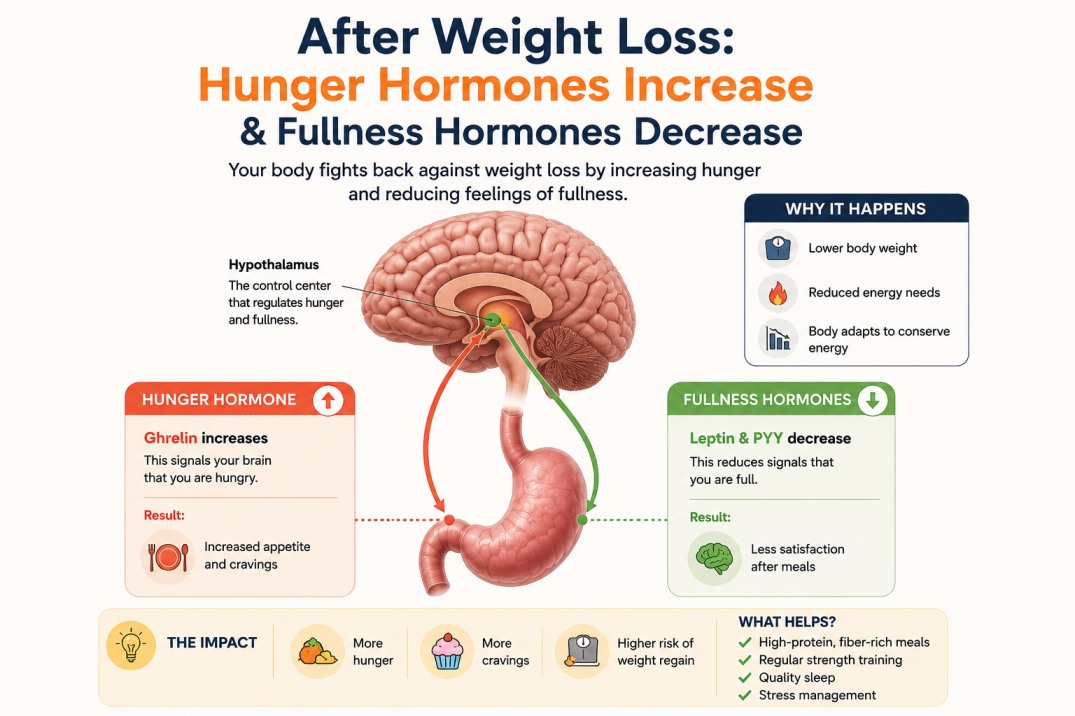
Your body uses a complex network of hormones produced by the brain, stomach, intestines, pancreas, and fat tissue to control appetite. During weight loss, these hormones change in ways that encourage you to eat more and conserve energy.
Understanding these hormones can help explain why maintaining weight loss is often more challenging than losing it.
Leptin: The "Fullness Hormone"
Leptin is a hormone primarily produced by fat cells. It acts as a messenger between your body's fat stores and the brain, especially the hypothalamus, which regulates hunger and energy balance.
When body fat is sufficient, leptin levels are higher. This signals to the brain that enough energy is stored, helping reduce appetite and maintain normal energy expenditure.
As body fat decreases during weight loss, leptin levels also decline. Lower leptin tells the brain that energy stores are shrinking, triggering several responses:
· Increased hunger
· Reduced feelings of fullness
· Greater interest in food
· Slower metabolism
· Lower calorie burning
This response evolved to protect humans during times of famine. Unfortunately, in today's food-rich environment, it can make long-term weight maintenance much harder.
Research suggests that leptin levels may remain lower even after weight has stabilized, meaning some people continue to experience increased hunger long after dieting has ended.
Ghrelin: The "Hunger Hormone"
Ghrelin is mainly produced by the stomach and is often referred to as the hunger hormone.
Before meals, ghrelin levels rise, signaling your brain that it's time to eat. After eating, ghrelin levels decrease, helping you feel satisfied.
During calorie restriction and weight loss:
· Ghrelin production increases.
· Hunger becomes stronger.
· Food smells and tastes may become more appealing.
· You may think about food more frequently.
Higher ghrelin levels encourage larger meals and more frequent eating, increasing the likelihood of weight regain if healthy habits are not maintained.
This hormonal adaptation explains why many people feel that staying on a reduced-calorie diet becomes increasingly difficult over time.
Peptide YY (PYY): The Satiety Hormone
Peptide YY is released by the intestines after eating, particularly in response to protein-rich foods.
Its primary role is to reduce appetite by slowing stomach emptying and signaling the brain that you've eaten enough.
After significant weight loss, PYY levels may decrease, resulting in:
· Reduced feelings of fullness
· Increased appetite
· Earlier return of hunger after meals
Including adequate protein, fiber, and balanced meals may help stimulate PYY release and improve satiety.
GLP-1: Supporting Fullness and Blood Sugar Control
Glucagon-like peptide-1 (GLP-1) is another hormone released from the intestines after eating.
GLP-1 helps regulate appetite by:
· Increasing feelings of fullness
· Slowing stomach emptying
· Supporting insulin release
· Reducing food intake
After weight loss, natural GLP-1 responses may be reduced in some individuals, making it more difficult to stay satisfied after meals.
This is one reason why GLP-1 receptor agonist medications have become an option for certain individuals with obesity or type 2 diabetes under medical supervision. These medications mimic the effects of natural GLP-1 to help reduce appetite and support weight management.
However, lifestyle changes remain the cornerstone of long-term success for most people.
Insulin and Appetite
Insulin is best known for regulating blood sugar, but it also plays a role in appetite regulation.
In healthy individuals, insulin helps communicate to the brain that energy is available.
After weight loss and improved insulin sensitivity:
· Blood sugar control often improves.
· However, hunger signals from other hormones may still increase.
· Appetite regulation becomes more dependent on balanced eating habits.
Maintaining stable blood sugar with meals that include protein, fiber, and healthy fats may help reduce excessive hunger between meals.
Cortisol: The Stress Hormone
Stress doesn't directly cause weight regain, but it can significantly influence eating behavior.
Chronic stress increases cortisol production.
Persistently elevated cortisol may:
· Increase appetite
· Encourage cravings for high-calorie foods
· Promote emotional eating
· Reduce sleep quality
· Increase abdominal fat accumulation when combined with excess calorie intake
Stress management techniques such as mindfulness, regular physical activity, relaxation exercises, and adequate sleep can help reduce cortisol's impact on eating habits.
Why Your Body Wants to Regain Weight
Many people become frustrated when they start regaining weight after months of hard work. They often believe they've done something wrong.
In reality, your body is trying to protect you.
From an evolutionary perspective, losing body fat signaled a potential food shortage.
To improve survival, the body responds by:
· Increasing hunger
· Reducing calorie expenditure
· Conserving energy
· Making food more rewarding
· Encouraging fat storage when food becomes available again
This biological response is helpful during famine but less helpful in today's environment, where high-calorie foods are easily accessible.
The body does not distinguish between intentional dieting and starvation. As a result, it activates similar protective mechanisms in both situations.
The Body Weight "Set Point" Theory
Researchers have proposed that each person has a range of body weight that the brain attempts to defend, often referred to as the set point.
While the exact concept is still being studied, evidence suggests that the brain regulates body weight using hormones, appetite signals, and energy expenditure.
When weight drops below this defended range, the body may respond by:
· Increasing hunger
· Lowering metabolic rate
· Reducing physical activity
· Increasing food cravings
Although the set point may change gradually over time with sustained healthy behaviors, it generally does not adjust immediately after weight loss.
This helps explain why maintaining a lower body weight often requires continued attention to healthy habits.
Common Causes of Weight Regain
Although biology plays an important role, lifestyle factors also contribute significantly to weight regain.
1. Returning to Old Eating Habits
Many people view dieting as a temporary phase.
Once they achieve their target weight, they often return to previous eating patterns, including:
· Larger portion sizes
· Frequent restaurant meals
· Sugary beverages
· Highly processed snacks
· Irregular meal timings
Even a modest daily calorie surplus can gradually lead to weight regain over several months.
2. Following Extremely Restrictive Diets
Crash diets often promise rapid weight loss but are difficult to maintain.
Common examples include:
· Very low-calorie diets
· Juice cleanses
· Detox diets
· Single-food diets
· Extremely low-carbohydrate plans without medical supervision
These approaches may result in:
· Muscle loss
· Nutrient deficiencies
· Fatigue
· Increased hunger
· Reduced metabolic rate
Once normal eating resumes, weight is often regained quickly because the underlying habits were never addressed.
3. Losing Muscle During Weight Loss
Not all weight loss comes from fat.
If protein intake is inadequate or resistance training is neglected, muscle mass may also decrease.
Muscle tissue burns more calories than fat, even at rest. Losing muscle lowers resting energy expenditure, making it easier to regain weight.
Preserving muscle through strength training and sufficient protein intake is one of the most effective strategies for long-term weight maintenance.https://wellorafit.com/services/nutrition-diet-planning/
4. Underestimating Calorie Intake
Many people unintentionally consume more calories than they realize.
Common sources of hidden calories include:
· Sugary coffee drinks
· Fruit juices
· Cooking oils
· Salad dressings
· Restaurant meals
· Frequent snacking
· Large weekend meals
Small daily excesses can accumulate over time, leading to gradual weight regain.
5. Reduced Physical Activity
Some individuals become less active after reaching their goal weight.
Exercise routines may become less consistent, daily movement may decrease, and sedentary time may increase.
Because calorie needs are lower after weight loss, maintaining regular physical activity becomes even more important for long-term success.
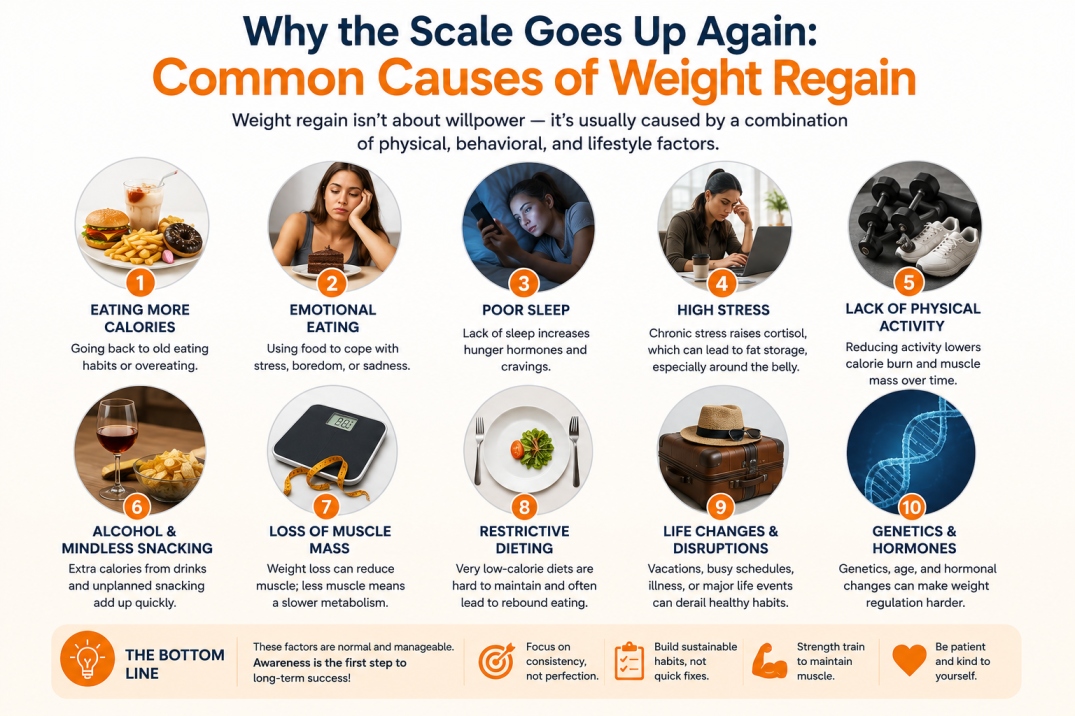
Emotional Eating and Weight Regain
Not all eating is driven by physical hunger. Many people eat in response to emotions such as stress, boredom, loneliness, anxiety, sadness, or even happiness. This is known as emotional eating, and it is one of the most common reasons people regain weight after dieting.
During a structured weight-loss program, individuals often follow meal plans, track calories, and stay motivated by visible progress. However, once the diet ends, emotional triggers may gradually return. Without healthy coping strategies, food often becomes a source of comfort rather than nourishment.
Emotional eating typically involves highly palatable foods rich in sugar, refined carbohydrates, unhealthy fats, and salt. These foods temporarily activate the brain's reward system, providing short-term relief but often leading to guilt and overeating afterward.
Unlike physical hunger, emotional hunger usually:
· Appears suddenly
· Craves specific comfort foods
· Continues even after fullness
· Is triggered by emotions rather than an empty stomach
· Often results in overeating
Recognizing emotional eating patterns is the first step toward breaking the cycle.
Strategies to Reduce Emotional Eating
· Identify emotional triggers using a food and mood journal.
· Practice mindful eating by slowing down during meals.
· Develop alternative coping strategies such as walking, journaling, meditation, or talking with a friend.
· Avoid skipping meals, as excessive hunger can worsen emotional eating.
· Seek support from a registered dietitian or mental health professional if emotional eating becomes frequent or distressing.
Food Cravings After Weight Loss
Many people notice that cravings become stronger after losing weight. This is partly due to biological changes in appetite hormones and partly because prolonged food restriction can increase the desire for foods that were previously avoided.
Common cravings include:
· Chocolate
· Ice cream
· Pizza
· Chips
· Fried foods
· Indian sweets
· Sugary beverages
Completely eliminating favorite foods may increase cravings over time. Instead, allowing occasional planned treats within an overall balanced eating pattern is often more sustainable.
Sleep and Weight Regain
Sleep plays a major role in regulating appetite, metabolism, and body weight. Unfortunately, sleep is often overlooked in weight management.
Adults who regularly sleep less than 7 hours per night are more likely to experience:
· Increased hunger
· Higher ghrelin levels
· Lower leptin levels
· Greater cravings for sugary and high-fat foods
· Reduced energy for physical activity
· Poorer food choices
· Increased calorie intake
Sleep deprivation also affects decision-making and self-control, making it more difficult to stick to healthy eating habits.https://wellorafit.com/services/nutrition-diet-planning/
Tips for Better Sleep
· Aim for 7–9 hours of quality sleep each night.
· Go to bed and wake up at the same time daily.
· Limit screen time for at least one hour before bedtime.
· Avoid caffeine late in the day.
· Keep your bedroom cool, quiet, and dark.
· Develop a relaxing bedtime routine.
Improving sleep is one of the simplest lifestyle changes that can support long-term weight maintenance.
Stress and Weight Regain
Modern life exposes many people to chronic stress, whether related to work, finances, family responsibilities, or health concerns.
When stress becomes persistent, the body releases cortisol, a hormone that helps prepare the body to respond to challenges.
Chronically elevated cortisol may:
· Increase appetite
· Trigger cravings for energy-dense foods
· Encourage emotional eating
· Reduce motivation for exercise
· Disrupt sleep
· Promote abdominal fat accumulation when combined with excess calorie intake
Although stress alone does not directly cause obesity, it can significantly influence behaviors that contribute to weight regain.
Healthy Ways to Manage Stress
· Daily walking
· Yoga
· Meditation
· Deep breathing exercises
· Strength training
· Spending time outdoors
· Reading
· Listening to music
· Connecting with family and friends
· Practicing mindfulness
Managing stress supports both physical and mental well-being.
Sedentary Lifestyle After Weight Loss
Many people are highly motivated to exercise while actively trying to lose weight. However, after reaching their goal, physical activity often declines.
Reduced movement decreases total daily calorie expenditure and increases the likelihood of gradual weight regain.
Common examples include:
· Sitting for long periods at work
· Driving instead of walking
· Watching television for several hours
· Reduced participation in recreational activities
· Fewer exercise sessions
Maintaining an active lifestyle is essential for long-term success.
Weight Regain vs Normal Weight Fluctuations
Many people become anxious after seeing the scale increase by one or two kilograms. However, not every increase represents fat gain.
Daily body weight naturally fluctuates due to:
· Hydration status
· Salt intake
· Glycogen storage
· Hormonal changes
· Menstrual cycle
· Digestive contents
· Recent meals
A fluctuation of 0.5–2 kg over a few days is common and usually does not indicate meaningful fat gain.
Normal Weight Fluctuation
Characteristics include:
· Small changes over a few days
· Weight returns to baseline naturally
· Usually related to water balance or digestion
· No major changes in clothing fit
True Weight Regain
True weight regain typically:
· Continues over weeks or months
· Reflects an increase in body fat
· Is associated with increased calorie intake or reduced activity
· Causes gradual increases in waist circumference and clothing size
Rather than focusing on daily weight changes, monitoring trends over several weeks provides a more accurate picture of progress.
Best Foods for Long-Term Weight Maintenance
Successful weight maintenance is not about eating less forever. Instead, it focuses on choosing nutrient-dense foods that promote fullness while meeting nutritional needs.
A balanced eating pattern should emphasize:
· Lean proteins
· Whole grains
· Fruits
· Vegetables
· Legumes
· Nuts and seeds
· Healthy fats
· Low-fat dairy or fortified alternatives
These foods provide essential nutrients while helping control hunger.
Prioritize Protein
Protein is one of the most important nutrients for preventing weight regain.
Benefits include:
· Increases fullness
· Preserves muscle mass
· Supports metabolism
· Reduces hunger
· Helps control cravings
· Increases the thermic effect of food
Excellent protein sources include:
Vegetarian
· Paneer
· Greek yogurt
· Curd
· Tofu
· Soy chunks
· Lentils
· Chickpeas
· Kidney beans
· Moong dal
· Sprouts
Non-Vegetarian
· Eggs
· Chicken breast
· Fish
· Turkey
· Lean meat
Most adults trying to maintain weight benefit from including protein at every meal.
Increase Fiber Intake
Dietary fiber slows digestion, improves satiety, and supports healthy blood sugar regulation.
High-fiber foods include:
Whole grains
· Oats
· Brown rice
· Millets
· Whole wheat
· Barley
Vegetables
· Spinach
· Broccoli
· Cabbage
· Carrots
· Cauliflower
· Bell peppers
Fruits
· Apples
· Pears
· Guava
· Berries
· Oranges
Legumes
· Lentils
· Beans
· Chickpeas
· Peas
Seeds
· Chia seeds
· Flaxseeds
· Pumpkin seeds
Adults should aim for approximately 25–35 grams of fiber daily, depending on age, sex, and overall dietary needs.
Include Healthy Fats
Healthy fats support hormone production, increase satiety, and improve meal satisfaction.
Nutritious options include:
· Almonds
· Walnuts
· Pistachios
· Peanuts
· Avocados
· Olive oil
· Flaxseeds
· Chia seeds
Although healthy fats are nutritious, they are calorie-dense, so portion awareness remains important.
Portion Control Matters
Even healthy foods can contribute to weight regain when consumed in excessive amounts.
Practical strategies include:
· Use smaller plates.
· Fill half the plate with vegetables.
· Measure high-calorie foods occasionally.
· Eat slowly.
· Stop eating when comfortably satisfied rather than overly full.
· Limit distracted eating while watching television or using mobile devices.
Portion control helps maintain energy balance without requiring extreme dietary restriction.
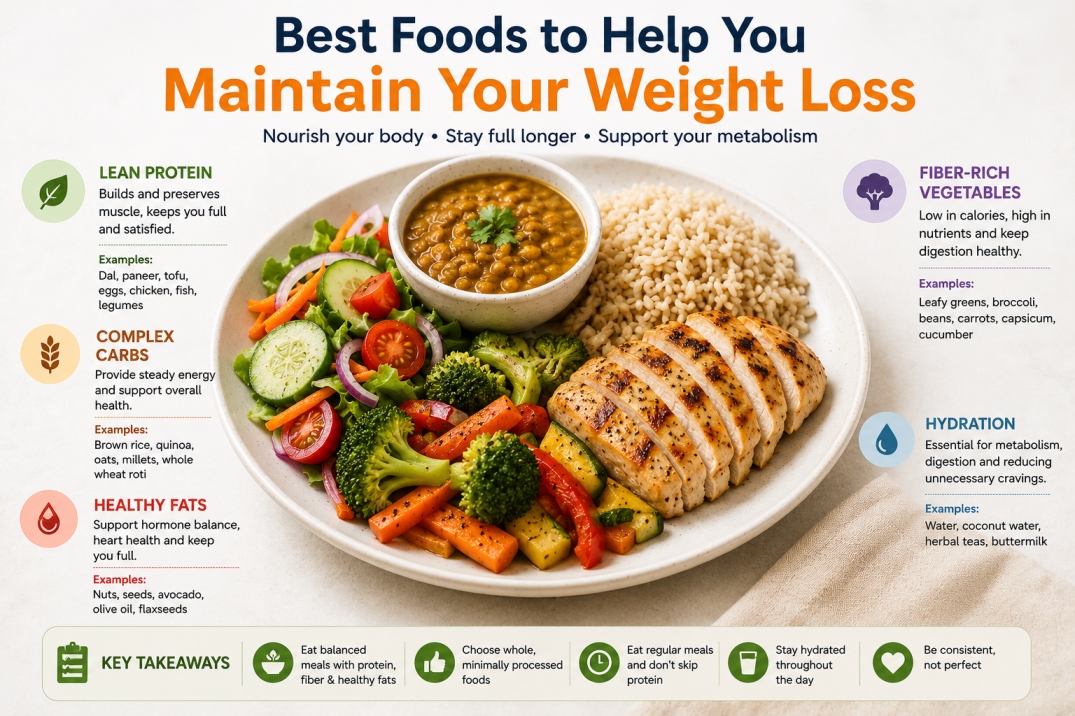
Stay Hydrated
Thirst is sometimes mistaken for hunger.
Adequate hydration supports:
· Appetite regulation
· Digestion
· Exercise performance
· Overall health
Water should be the primary beverage.
Limit:
· Sugary drinks
· Sweetened fruit juices
· Energy drinks
· Sugar-sweetened coffee beverages
Meal Timing and Consistency
Although meal timing alone does not determine weight maintenance, regular eating patterns may help manage hunger.
General recommendations include:
· Avoid skipping meals.
· Include protein in every meal.
· Plan healthy snacks if needed.
· Eat slowly and mindfully.
· Prepare meals in advance whenever possible.
· Maintain consistent eating habits during weekdays and weekends.
Consistent routines can make healthy eating easier to sustain over the long term.
Exercise Strategies to Maintain Weight Loss
Physical activity is one of the strongest predictors of long-term weight loss success. While healthy eating creates the calorie deficit needed for weight loss, regular exercise helps preserve muscle mass, maintain metabolism, improve insulin sensitivity, and reduce the risk of regaining lost weight.
Research consistently shows that people who successfully maintain significant weight loss are physically active most days of the week.
The goal isn't to spend hours in the gym—it is to build a lifestyle that keeps your body moving consistently.
1. Strength Training: Protect Your Metabolism
One of the biggest mistakes people make after losing weight is stopping resistance training.
During weight loss, the body may lose both fat and muscle. Because muscle tissue burns more calories than fat, losing muscle lowers your resting metabolic rate, making it easier to regain weight.
Strength training helps:
· Preserve lean muscle mass
· Increase resting calorie expenditure
· Improve body composition
· Enhance bone strength
· Improve insulin sensitivity
· Increase physical function with age
Recommended Frequency
Aim for 2–3 strength-training sessions per week, targeting all major muscle groups.
Examples include:
· Squats
· Lunges
· Push-ups
· Rows
· Shoulder presses
· Resistance band exercises
· Bodyweight workouts
· Free weights
· Weight machines
Beginners should focus on proper technique before increasing resistance.
2. Cardiovascular Exercise
Cardio exercises help burn calories, improve heart health, and increase overall energy expenditure.
Good options include:
· Brisk walking
· Jogging
· Cycling
· Swimming
· Dancing
· Hiking
· Skipping rope
· Elliptical training
Weekly Recommendation
Adults should aim for at least:
· 150–300 minutes of moderate-intensity aerobic activity, or
· 75–150 minutes of vigorous-intensity exercise, spread throughout the week.https://wellorafit.com/services/fitness-training/
3. Increase NEAT (Non-Exercise Activity Thermogenesis)
NEAT refers to the calories burned during everyday activities outside of structured exercise.
Examples include:
· Walking while talking on the phone
· Taking the stairs
· Standing while working
· Household cleaning
· Gardening
· Grocery shopping
· Playing with children
· Walking the dog
These small activities can significantly increase total daily calorie expenditure.
Easy Ways to Increase NEAT
· Walk for 10–15 minutes after meals.
· Park farther from entrances.
· Use stairs instead of elevators.
· Stand up every 30–60 minutes.
· Take short walking breaks during work.
· Walk or cycle for nearby errands.
Build Lifestyle Habits That Last
Successful weight maintenance is not about perfection—it is about consistency.
People who maintain weight loss often share several long-term habits.
Eat Balanced Meals
Each meal should ideally include:
· Lean protein
· Whole grains or complex carbohydrates
· Healthy fats
· Plenty of vegetables
· Fruits
Balanced meals help regulate hunger and provide sustained energy.
Plan Meals Ahead
Meal planning reduces the likelihood of impulsive food choices.
Helpful strategies include:
· Preparing meals in advance
· Keeping healthy snacks available
· Making a grocery list before shopping
· Avoiding shopping while hungry
Monitor Your Weight Regularly
Regular self-monitoring allows small changes to be identified early.
Many experts recommend weighing yourself:
· Once or twice per week
· At the same time of day
· Under similar conditions
The goal is not to obsess over the scale but to recognize trends before small gains become significant.
Continue Healthy Habits After Reaching Your Goal
Many people stop exercising or return to previous eating habits once they reach their desired weight.
Instead, think of healthy eating and regular movement as lifelong habits rather than temporary measures.
Weight maintenance requires ongoing attention, but it does not require perfection.
Common Mistakes That Lead to Weight Regain
Understanding common pitfalls can help you avoid them.
1. Returning to Old Habits
The most frequent reason for weight regain is resuming previous eating patterns.
Examples include:
· Larger portion sizes
· Frequent takeaway meals
· Sugary beverages
· Increased snacking
· Mindless eating
Small changes repeated daily can gradually reverse previous weight loss.
2. Stopping Exercise
Exercise should continue after weight loss.
Regular physical activity supports:
· Energy balance
· Muscle preservation
· Heart health
· Mental well-being
· Weight maintenance
3. Skipping Meals
Skipping meals may lead to excessive hunger later in the day, increasing the likelihood of overeating.
Regular, balanced meals often support better appetite regulation.
4. Restricting Foods Too Much
Completely eliminating favorite foods can increase cravings and make healthy eating difficult to sustain.
Instead, enjoy treats occasionally and in moderation within an overall balanced diet.
5. Ignoring Sleep
Poor sleep affects hunger hormones and decision-making, increasing the risk of overeating.
Prioritize 7–9 hours of quality sleep each night.
6. Chronic Stress
Unmanaged stress may contribute to emotional eating, poor food choices, and reduced motivation for exercise.
Developing healthy coping strategies can support both mental and physical health.
7. Setting Unrealistic Expectations
Weight maintenance is not a straight line.
Occasional fluctuations are normal.
Expecting perfection often leads to frustration and abandoning healthy habits after minor setbacks.
How to Prevent Weight Regain Permanently
Although no strategy can guarantee lifelong weight maintenance, the following habits consistently improve long-term success.
Focus on Sustainable Eating
Choose an eating pattern you can maintain for years rather than weeks.
Avoid:
· Fad diets
· Detoxes
· Extreme calorie restriction
Instead, emphasize:
· Whole foods
· Protein-rich meals
· Fiber-rich vegetables
· Healthy fats
· Appropriate portions
Stay Physically Active
Exercise should become part of your routine rather than a temporary weight-loss tool.
Find activities you genuinely enjoy to improve consistency.
Build Muscle
Strength training helps preserve metabolism and supports healthy aging.
Maintaining muscle mass is especially important after significant weight loss.
Prioritize Sleep
Good sleep supports appetite regulation, recovery, and energy levels.
Aim for consistent sleep habits throughout the week.
Manage Stress
Daily stress management can reduce emotional eating and improve overall well-being.
Healthy options include:
· Meditation
· Yoga
· Walking
· Deep breathing
· Journaling
· Spending time in nature
Track Progress Beyond the Scale
Weight is only one measure of health.
Also monitor:
· Waist circumference
· Energy levels
· Fitness improvements
· Strength gains
· Blood pressure
· Blood sugar
· Cholesterol
· Overall well-being
Seek Support
Long-term success often improves with support from:
· Registered dietitians
· Physicians
· Fitness professionals
· Weight-management programs
· Family and friends
Professional guidance can help identify barriers and develop personalized strategies.
Key Takeaways
· Weight regain after dieting is common and influenced by biological, hormonal, behavioral, and environmental factors.
· After weight loss, the body naturally increases hunger and reduces energy expenditure in an attempt to restore lost weight.
· Hormonal changes involving leptin, ghrelin, GLP-1, and other appetite-regulating hormones contribute to increased hunger.
· Muscle loss during dieting can lower metabolism, making weight maintenance more challenging.
· Sustainable eating patterns, rather than restrictive diets, provide the best foundation for long-term success.
· Strength training, regular physical activity, adequate protein intake, and sufficient fiber help support weight maintenance.
· Good sleep, stress management, and consistent healthy habits are essential for preventing weight regain.
· Small weight fluctuations are normal and should not be mistaken for fat gain.
· Long-term success comes from consistency, not perfection.
Conclusion
Losing weight is an important achievement, but maintaining that weight loss requires an understanding of how the body responds to changes in body fat. Increased hunger, a slower metabolism, and stronger food cravings are normal biological adaptations—not signs of failure or a lack of willpower.
Rather than relying on short-term diets, focus on creating sustainable habits that you can maintain for life. A balanced diet rich in protein, fiber, fruits, vegetables, whole grains, and healthy fats, combined with regular physical activity, strength training, quality sleep, and effective stress management, provides the strongest foundation for long-term success.
Remember that occasional setbacks and minor weight fluctuations are part of the journey. What matters most is returning to healthy routines rather than striving for perfection. Consistent, realistic lifestyle choices will always outperform extreme diets in supporting lasting health and weight maintenance.
If you find yourself repeatedly regaining weight or struggling despite your best efforts, consider seeking guidance from a qualified healthcare professional or registered dietitian. Personalized support can help identify barriers, address underlying medical conditions, and develop a plan tailored to your needs.
Healthy weight maintenance is not about being on a diet forever—it is about building a way of living that supports your health, energy, and well-being for years to come.
Frequently Asked Questions (FAQ)
1. Is it normal to regain some weight after dieting?
Yes. Small weight fluctuations are normal due to changes in water balance, glycogen stores, and digestion. However, continuous weight gain over weeks or months may indicate true weight regain.
2. Why do I feel hungrier after losing weight?
Weight loss reduces hormones such as leptin and increases hormones like ghrelin, making you feel hungrier. These changes are part of the body's natural response to protect its energy stores.
3. Does metabolism slow down after weight loss?
Yes. A smaller body requires fewer calories, and the body also becomes more energy-efficient. Preserving muscle through strength training and adequate protein intake can help support metabolic health.
4. Can strength training help prevent weight regain?
Yes. Resistance training helps maintain lean muscle mass, supports resting metabolic rate, improves body composition, and is strongly associated with long-term weight maintenance.
5. How much exercise do I need to maintain weight loss?
Most adults benefit from at least 150–300 minutes of moderate-intensity aerobic activity per week, along with 2–3 strength-training sessions targeting all major muscle groups.
6. Are crash diets effective for keeping weight off?
Crash diets may produce rapid short-term weight loss, but they are difficult to sustain and often lead to muscle loss, increased hunger, and a higher likelihood of weight regain.
7. Does eating more protein help maintain weight loss?
Yes. Protein promotes fullness, helps preserve muscle mass, and supports metabolism, making it an important nutrient for long-term weight maintenance.
8. Can stress cause weight regain?
Chronic stress can increase cortisol levels, trigger emotional eating, reduce sleep quality, and influence food choices, all of which may contribute to weight regain.
9. Should I weigh myself every day?
Daily weighing is not necessary for everyone. Weighing yourself once or twice a week under consistent conditions is often sufficient to monitor trends without causing unnecessary stress.
10. When should I seek professional help?
Consult a healthcare professional if you experience repeated weight regain despite healthy lifestyle changes, have obesity-related medical conditions, or need personalized guidance for long-term weight management
Ready to Begin Your Health Journey?
Get a personalized, medically guided plan built around your unique biology.